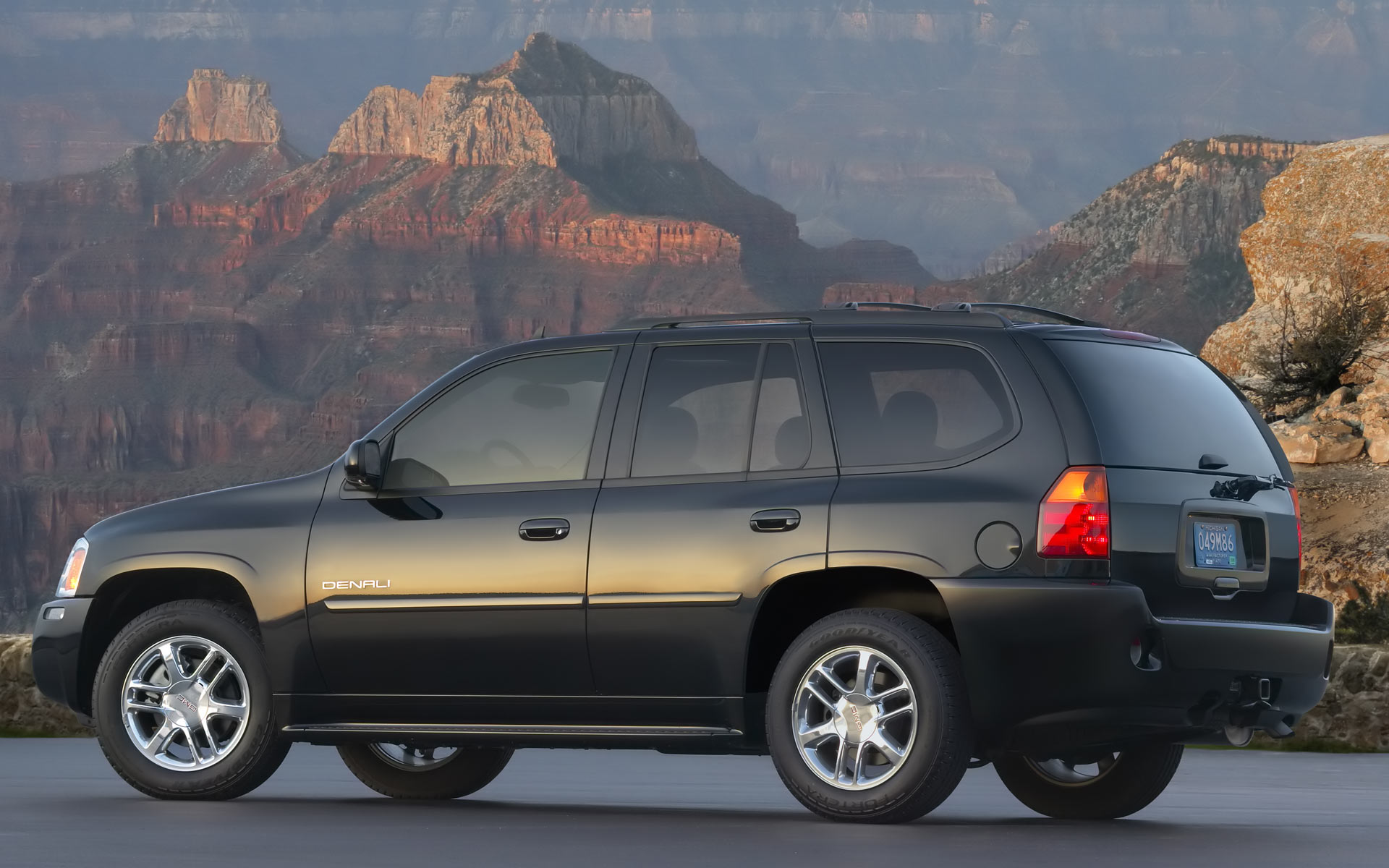
The 2001 GMC Envoy is a premium mid-size SUV featuring a 4.3L Vortec V6 engine producing 190 horsepower and 250 lb-ft of torque. As the final model year of the first-generation GMT330 platform, it is known for high-end features like High-Intensity Discharge (HID) headlamps and specialized safety recalls concerning its fuel system and lighting controls.
As of 2026, the 2001 GMC Envoy has reached a milestone as a twenty-five-year-old vehicle. For enthusiasts and owners, understanding its technical foundation is essential for preservation and safe operation. Unlike the redesigned 2002 model that followed, the 2001 version was essentially a high-luxury trim of the GMC Jimmy, offering a more refined interior and unique exterior styling that set it apart from the standard S-10 Blazer and Jimmy variants.
Historical Context: The Final Year of the First Generation
To understand the 2001 GMC Envoy, one must distinguish it from the completely redesigned 2002 Envoy. The 2001 model was the pinnacle of the "luxury-trim" era for GMC’s compact-to-midsize SUV lineup. It shared the GMT330 platform with the Chevrolet Blazer and Oldsmobile Bravada but was positioned as a more sophisticated alternative to the GMC Jimmy.
In 2001, GMC focused on "Professional Grade" branding, and the Envoy was the standard-bearer for this philosophy in the mid-size segment. It offered advanced technology for its time, including early-generation OnStar services and a sophisticated AutoTrac four-wheel-drive system. This model year is particularly sought after by collectors of "youngtimer" SUVs because it represents the most polished version of the S-series platform before GM shifted to the larger GMT360 chassis.
Comprehensive Engine and Mechanical Specifications
The heart of the 2001 GMC Envoy is the 4.3L Vortec 4300 V6. This engine is legendary for its durability, as it is essentially a Chevrolet 350 (5.7L) small-block V8 with two cylinders removed. This design choice provided the Envoy with substantial low-end torque, which was ideal for towing and off-road applications.
Powertrain and Performance
- Engine Type: 4.3-Liter V6, OHV 12-valve.
- Horsepower: 190 hp @ 4,400 rpm.
- Torque: 250 lb-ft @ 2,800 rpm.
- Transmission: 4L60-E 4-speed automatic with overdrive.
- Drivetrain: Standard four-wheel drive (4WD) with the AutoTrac transfer case.
- Fuel Economy: Approximately 14 city / 18 highway MPG (based on original EPA ratings).
The 4L60-E transmission was a staple of General Motors' trucks and SUVs during this era. It is an electronically controlled evolution of the Turbo-Hydramatic 700R4. In the 2001 Envoy, this transmission was tuned for smooth shifts rather than aggressive performance, aligning with the vehicle's luxury positioning.
Chassis and Suspension
The 2001 Envoy utilized a body-on-frame construction, which provided better durability for light towing compared to modern unibody crossovers.
- Front Suspension: Independent with torsion bars and a stabilizer bar.
- Rear Suspension: Live axle with multi-leaf springs and a stabilizer bar.
- Brakes: Four-wheel disc brakes with a four-wheel anti-lock braking system (ABS).
- Steering: Power-assisted recirculating ball.
The suspension was tuned more softly than the GMC Jimmy to provide a "premium" ride quality. However, this often led to a "floaty" feeling at highway speeds, a characteristic common to SUVs of the late 90s and early 2000s.
Dimensions, Capacities, and Towing
Despite being classified as a mid-size SUV by 2001 standards, the Envoy is relatively compact by 2026 standards. Its footprint makes it more maneuverable than modern full-size SUVs like the Yukon, yet it retains a respectable towing capacity.
| Specification | Metric/Value |
|---|---|
| Wheelbase | 107.0 inches |
| Overall Length | 181.2 inches |
| Width | 67.8 inches |
| Height | 67.0 inches |
| Curb Weight | ~3,950 lbs |
| Fuel Tank Capacity | 18.0 Gallons |
| Maximum Towing Capacity | 5,000 lbs (properly equipped) |
| Seating Capacity | 5 Passengers |
| Cargo Volume (Rear Seats Up) | 37.3 cubic feet |
The 5,000-pound towing capacity was a significant selling point. It allowed owners to tow small boats, horse trailers, or utility trailers, making it a versatile vehicle for both suburban commuting and weekend recreation.
Interior Luxury and Technology Features
The 2001 Envoy was designed to compete with luxury imports like the Acura SLX and the Lexus RX300. To achieve this, GMC outfitted the interior with high-quality materials and technological features that were rare in the early 2000s.
Premium Appointments
The interior featured gathered leather seating surfaces and genuine wood grain accents on the door panels and center console. The front bucket seats were power-adjustable and included heated elements—a luxury staple. The instrument cluster was also unique to the Envoy, featuring a more sophisticated layout than the standard GMC Jimmy.
Audio and Electronics
- Sound System: A premium Bose speaker system was standard, providing high-fidelity audio that was a significant upgrade over the base GM Delco units.
- OnStar: The 2001 Envoy came equipped with OnStar hardware. While the original analog service has since been decommissioned, it was a pioneering feature for vehicle safety and navigation at the time.
- HID Headlamps: Perhaps the most notable exterior/tech feature was the inclusion of High-Intensity Discharge (HID) low-beam headlamps. The 2001 Envoy was one of the first domestic SUVs to offer this technology, providing significantly better nighttime visibility than traditional halogen bulbs.
Safety Recalls and Common Mechanical Issues
Maintaining a 2001 GMC Envoy in 2026 requires a diligent understanding of its safety history. Several major recalls were issued by the National Highway Traffic Safety Administration (NHTSA) during the vehicle's lifecycle. Owners should verify that these repairs were performed by a certified GM technician.
Major Safety Recalls
- Multi-Function Switch (NHTSA Campaign 01V153000): This is one of the most critical recalls for the 2001 Envoy. The multi-function switch (which controls turn signals, wipers, and hazards) could malfunction, leading to the loss of brake lights. In a high-traffic environment, the lack of brake lights significantly increases the risk of a rear-end collision.
- Fuel Tank Pressure Sensor (NHTSA Campaign 02V222000): Certain units were recalled because the fuel tank pressure sensor could allow fuel to leak during refueling or in the event of a rollover. This posed a fire hazard.
- Lower Ball Joint Wear: While not always a formal recall across every VIN, the GMT330 platform was notorious for premature wear of the lower ball joints. If these fail, the front wheel can collapse outward, leading to a total loss of steering control.
Common Mechanical Pitfalls
Beyond official recalls, the 2001 Envoy suffers from a few documented "weak points" that current owners should monitor:
- Vacuum-Actuated 4WD: The 4WD system uses a vacuum actuator located under the battery tray to engage the front differential. Over time, the rubber diaphragm can rot, or the vacuum lines can leak, preventing the vehicle from shifting into 4WD.
- Intake Manifold Gasket Leaks: The 4.3L V6 is prone to leaking coolant from the intake manifold gaskets. If left unchecked, this can lead to engine overheating or oil contamination.
- HID Ballast Failure: The specialized HID headlights are expensive to repair. The ballasts often fail after 15-20 years of use, and finding OEM replacements in 2026 can be challenging and costly.
Maintenance and Parts Availability in 2026
As the 2001 GMC Envoy enters "classic" territory, parts availability remains surprisingly good. Because it shares so many mechanical components with the Chevrolet Blazer and GMC Jimmy—vehicles produced in the millions—basic maintenance items like filters, brakes, and engine sensors are readily available through retailers like AC Delco and various aftermarket suppliers.
Routine Service Intervals
For a vehicle of this age, the standard 3,000-mile oil change interval is recommended to protect the internal components of the Vortec engine. The transmission fluid should be inspected every 30,000 miles, especially if the vehicle is used for towing. Given the age of the rubber components, a 2026 inspection should focus heavily on:
- Brake Lines: Inspect for corrosion, especially in northern "salt belt" regions.
- Fuel Lines: The nylon and steel lines may become brittle or rusted.
- Suspension Bushings: Most original rubber bushings will likely be cracked or compressed, affecting ride quality and alignment.
FAQs About the 2001 GMC Envoy
Is the 2001 GMC Envoy the same as the 2002 model?
No. The 2001 model is the final year of the first generation (GMT330), based on the smaller S-10 chassis with a 4.3L V6. The 2002 model was a completely new, larger vehicle (GMT360) featuring a 4.2L inline-6 engine. Almost no parts are interchangeable between the two years.
How do I check if my 2001 Envoy has open recalls?
You can visit the NHTSA Recalls website and enter your 17-digit Vehicle Identification Number (VIN). This will provide a report of any safety recalls that were never addressed on your specific vehicle.
Can the 2001 Envoy run on E85 ethanol?
No. The 4.3L Vortec V6 in the 2001 Envoy was not designed as a Flex-Fuel vehicle. Using E85 can damage the fuel injectors, seals, and fuel pump. Always use standard unleaded gasoline with an octane rating of 87 or higher.
Are the HID headlights still available for purchase?
OEM HID assemblies for the 2001 Envoy are increasingly rare. Many owners in 2026 resort to specialized salvage yards or aftermarket LED conversion kits if their original ballasts or housings fail, as the original GM parts are largely discontinued.
What is the common cause of the "Service 4WD" light?
The most common causes are a faulty transfer case control module (TCCM), a bad encoder motor on the transfer case, or a corroded electrical ground wire. Cleaning the ground wire located on the frame under the driver's door often resolves the issue.
Is the 2001 GMC Envoy considered a reliable used car today?
Mechanically, the engine and transmission are very robust. However, because these vehicles are 25 years old, they often suffer from "age-related" issues like electrical gremlins, rust, and failing rubber seals. They are reliable for those who are comfortable with DIY maintenance but may be costly for those relying entirely on professional mechanics.
Practical Recommendations for Owners
If you are considering purchasing or currently own a 2001 GMC Envoy in 2026, prioritize a comprehensive cooling system overhaul and a suspension safety check. The 4.3L engine is nearly bulletproof, but it will not survive a major overheat caused by a 25-year-old radiator or a failed plastic water pump impeller.
Furthermore, ensure that the multi-function switch recall has been performed. This is a vital safety issue that affects your visibility to other drivers. For those looking to preserve the vehicle, treating the undercarriage with a corrosion inhibitor is highly recommended, as the GMT330 frames are susceptible to "frame rot" in humid or snowy climates. By addressing these specific mechanical and safety concerns, the 2001 GMC Envoy can continue to serve as a capable and comfortable luxury SUV for many more years.