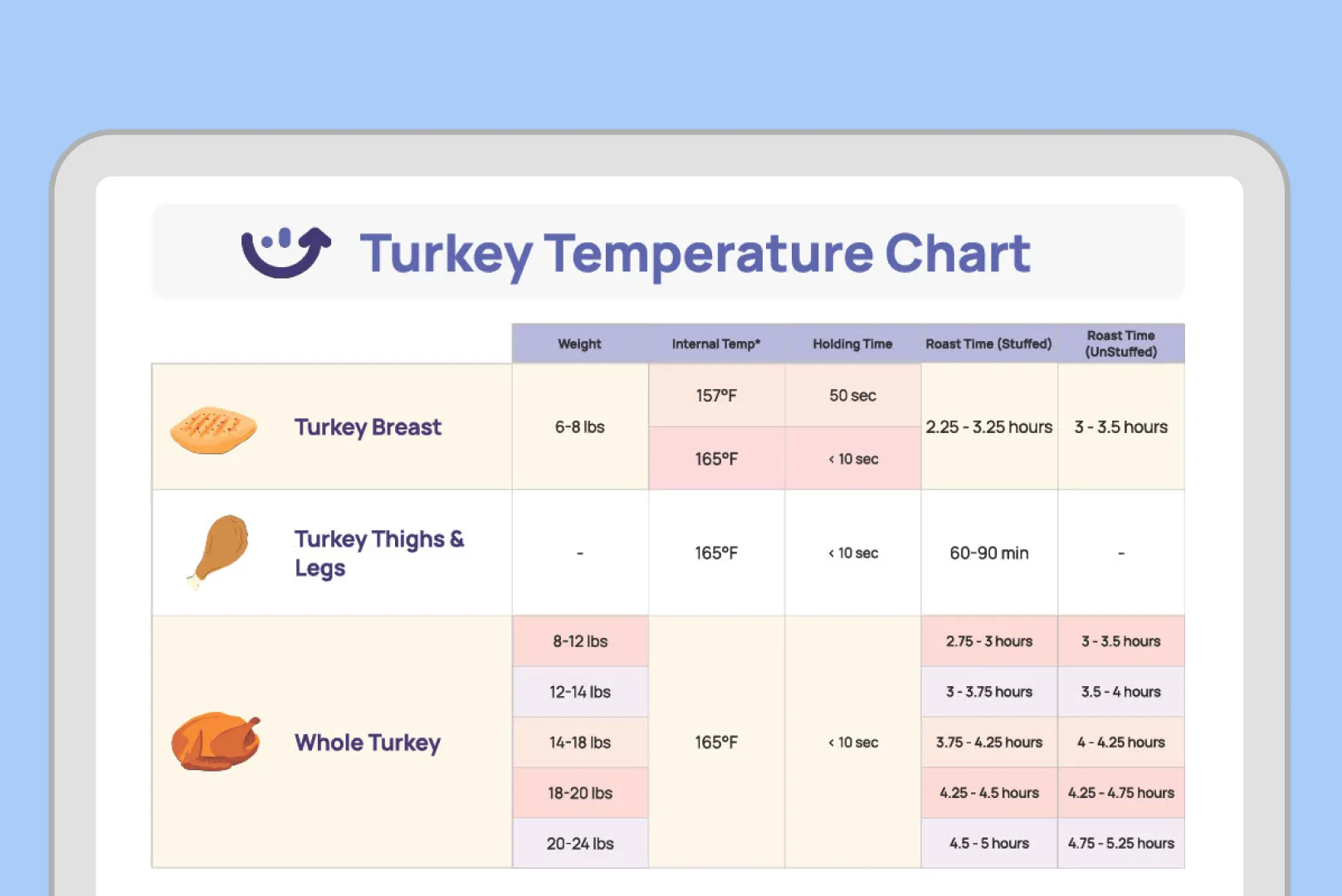
Roasting a 20 lb turkey safely requires cooking it to an internal temperature of 165°F (74°C) in the thickest part of the breast and 175°F (79°C) in the deepest part of the thigh, typically taking between 4.25 and 5.5 hours at 325°F (163°C), depending on whether it is stuffed.
Preparing a holiday feast or a large family gathering often centers around a massive centerpiece protein. When that centerpiece is a 20-pound bird, precision matters immensely. Cooking a poultry specimen of this scale introduces unique culinary challenges. If you undercook it, you risk foodborne illness; if you overcook it, the meat turns dry, stringy, and unpalatable. Successfully navigating these culinary hurdles demands an understanding of thermodynamics, kitchen safety, and meat science. This comprehensive guide provides everything you need to know about preparing, roasting, monitoring, and resting a 20 lb turkey to absolute perfection.
Understanding Turkey Safety and Temperature Basics
At the core of every successful roast is food safety. According to the United States Department of Agriculture (USDA) and the Food Safety and Inspection Service (FSIS), whole poultry must reach a safe minimum internal temperature of 165°F (74°C). However, dealing with a large 20-pound bird requires a nuanced approach to where and how you measure that temperature.
A whole turkey consists of different muscle groups that cook at varying rates. The white meat in the breast contains less fat and dries out quickly, while the dark meat in the thighs and legs contains more connective tissue and fat, requiring a higher temperature to break down and become tender.
Where to Insert the Food Thermometer
To ensure accurate readings without compromising the bird's structure or losing valuable juices, follow these placement guidelines:
- The Breast: Insert the thermometer probe into the thickest part of the breast meat, making sure it does not touch bone, gristle, or the cavity. Bone conducts heat faster than meat, which can give you a falsely high temperature reading.
- The Thigh: Insert the probe into the thickest part of the inner thigh muscle, parallel to the body of the bird, ensuring it avoids the thigh bone.
- The Stuffing (If Applicable): If you choose to stuff your turkey—a practice that requires extra caution—the center of the stuffing must also reach 165°F (74°C) to ensure any bacteria transferred from the raw cavity juices have been destroyed.
Thawing a 20 lb Turkey Safely
Before you can even think about oven temperatures and roasting times, you must properly thaw a 20 lb frozen turkey. Attempting to cook a frozen or partially frozen bird of this size is a major food safety hazard, as the outer layers will spend too long in the "Danger Zone" (between 40°F and 140°F) where bacteria multiply rapidly.
There are two primary approved methods for thawing a massive 20-pound bird:
1. The Refrigerator Method (Recommended)
This is the safest and easiest method, though it requires advanced planning.
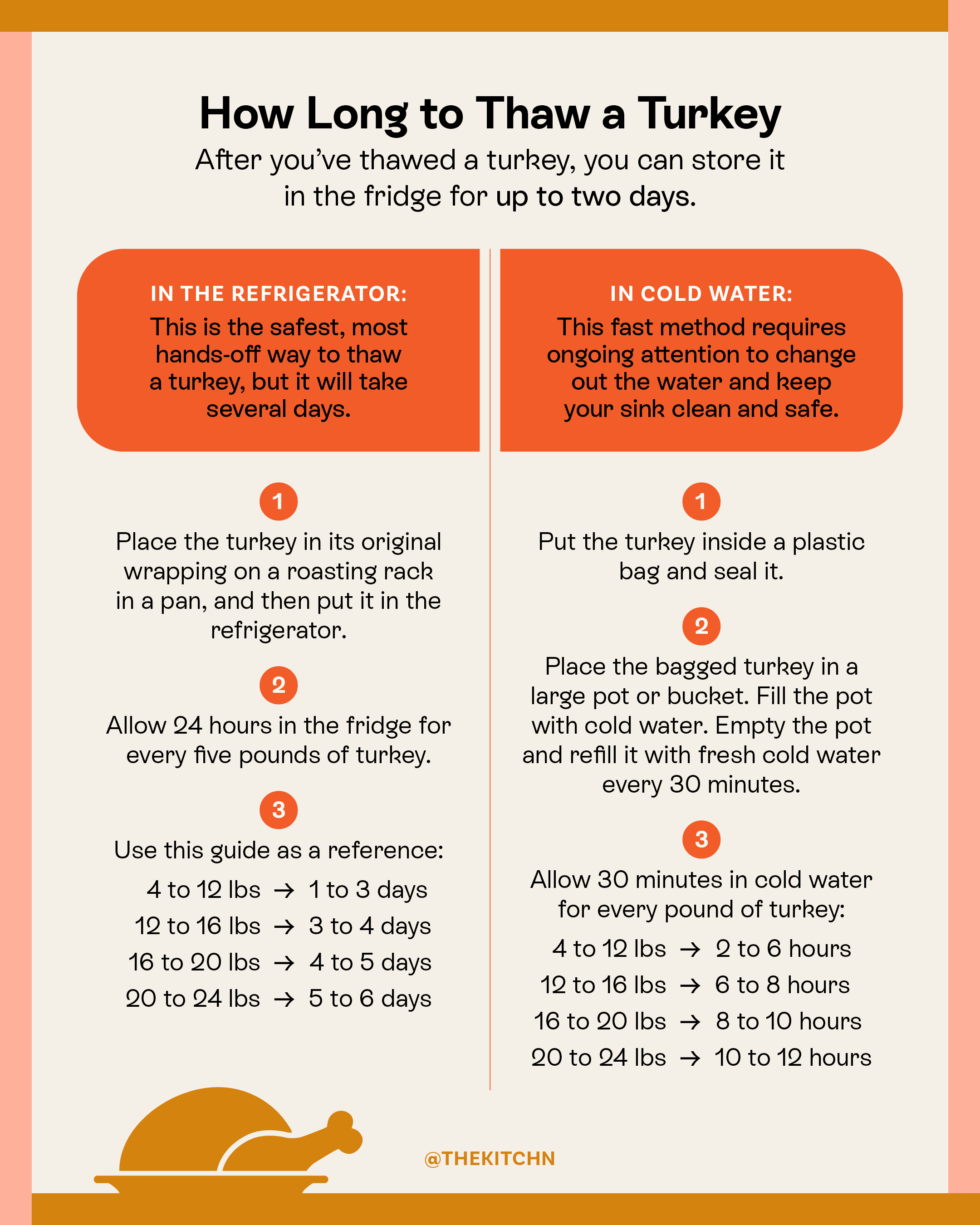
- Timeline: Allow approximately 24 hours for every 4 to 5 pounds of turkey. For a 20 lb turkey, you will need 4 to 5 full days in the refrigerator.
- Process: Keep the turkey in its original wrapper and place it on a large tray or rimmed baking sheet on the bottom shelf of your refrigerator to catch any potential leaks. Once thawed, the turkey can remain safely in the fridge for an additional 1 to 2 days before cooking.
2. The Cold Water Method (Faster Alternative)
If you are short on time, you can submerge the bird in cold tap water, though it requires active monitoring.
- Timeline: Allow about 30 minutes per pound. For a 20 lb turkey, this will take approximately 10 hours.
- Process: Ensure the turkey is in a leak-proof bag. Submerge it completely in a clean sink or large container filled with cold tap water. Change the water every 30 minutes to ensure it stays cold. You must cook the turkey immediately after thawing with this method.
Roasting Time Estimates for a 20 lb Turkey
Once your turkey is fully thawed, prepped, seasoned, and placed in a roasting pan, you need a reliable timeline for oven roasting. The standard oven temperature for roasting a whole turkey is 325°F (163°C).
The exact cooking time varies based on whether the bird is stuffed or unstuffed. Stuffing acts as an insulator, slowing down the transfer of heat to the center of the bird and extending overall cooking times.
| Turkey Type | Oven Temperature | Estimated Time per Pound | Total Estimated Time (20 lbs) | Target Internal Temp |
|---|---|---|---|---|
| Unstuffed Turkey | 325°F (163°C) | 13 to 15 minutes | 4 hours 20 minutes to 5 hours | 165°F Breast / 175°F Thigh |
| Stuffed Turkey | 325°F (163°C) | 15 to 18 minutes | 5 hours to 6 hours | 165°F Breast / 175°F Thigh |
Note: These times are estimates. Environmental factors, oven calibration, and the initial temperature of the turkey when it goes into the oven can cause variations. Always rely on a digital meat thermometer rather than the clock.
Step-by-Step Roasting Protocol
Achieving a golden, crispy skin and juicy meat on a 20 lb turkey requires a structured approach from oven prep to the final resting phase.
Step 1: Oven and Pan Preparation
Preheat your oven to 325°F (163°C) well in advance. Position your oven rack in the lower third of the oven to ensure the massive 20-pound bird sits centrally and receives even heat circulation. Use a heavy-duty roasting pan fitted with a rack, which elevates the turkey out of its drippings so the bottom skin can crisp rather than steam.
Step 2: Seasoning and Trussing
Pat the turkey completely dry with paper towels. Removing surface moisture is the single most important step for achieving crispy skin. Rub the exterior and cavity with softened butter or oil, and season generously with salt, black pepper, and herbs. Loose wing tips can be tucked underneath the bird to prevent burning, and you may loosely truss the legs with kitchen twine for a uniform presentation.
Step 3: Monitoring the Cook
Place the turkey breast-side up on the roasting rack. For a 20 lb bird, consider tenting the breast loosely with heavy-duty aluminum foil for the first two hours of cooking. This prevents the delicate breast skin from burning or overcooking while the dense thigh meat catches up. Remove the foil for the final hour to allow the skin to turn deep golden brown.
Step 4: The Verification Phase
Begin checking the internal temperature approximately 45 minutes before your estimated completion time. Insert your digital meat thermometer into the deepest part of the thigh and the thickest part of the breast. Remember: you are aiming for 165°F (74°C) in the breast and 175°F (79°C) in the thigh.
Step 5: The Crucial Resting Period
Never carve a 20 lb turkey straight out of the oven. Transfer the bird to a large cutting board or platter, tent it loosely with aluminum foil, and let it rest for 30 to 45 minutes. Resting allows the muscle fibers to relax and reabsorb the juices that were driven to the center by the heat. If you carve immediately, all those delicious juices will run out onto the board, leaving the meat dry.
Frequently Asked Questions
Should I cook a 20 lb turkey at a higher temperature to save time?
No. Cooking a large 20-pound bird at a higher temperature, such as 400°F (204°C), will scorch and dry out the exterior skin and breast meat long before the dense inner meat and thigh joints reach a safe temperature. Stick to 325°F (163°C) for even, thorough roasting.
What should I do if the breast is reaching 165°F before the thighs?
This is a common issue with large turkeys because the breast cooks faster than the thick thighs. If your breast reaches 165°F while the thighs are still at 150°F, create a small shield out of aluminum foil and place it directly over the breast meat to block heat absorption while the rest of the bird continues to cook.
Can I cook a 20 lb frozen turkey in a roaster oven or deep fryer?
Deep-frying a 20 lb turkey is strongly discouraged by safety experts. Most commercial outdoor deep fryers are rated for turkeys weighing 10 to 14 pounds maximum; attempting to submerge a 20-pound bird will cause massive hot oil overflow, creating severe fire and burn hazards. Electric countertop roaster ovens can handle a 20 lb bird, provided interior dimensions permit the lid to close fully.
Is it safe to stuff a 20 lb turkey?
While stuffing a turkey is a traditional practice, food safety experts generally recommend cooking stuffing in a separate casserole dish. Because a 20 lb bird is so massive, the center of the stuffing takes a very long time to reach 165°F, increasing the risk of bacteria survival or overcooking the turkey meat in the process.
How many people will a 20 lb turkey feed?
As a general rule of thumb in culinary planning, calculate approximately 1 pound of uncooked turkey per person for a standard gathering, or 1.5 pounds per person if you want generous leftovers. A 20 lb turkey will comfortably feed between 12 and 16 guests.
Next Actions and Final Recommendations
Roasting a 20 lb turkey is a rewarding culinary project that anchors a successful holiday table. To guarantee success, purchase your bird early to allow adequate refrigerator thawing time, invest in a reliable digital instant-read meat thermometer, and never skip the resting phase. By monitoring temperatures rather than relying strictly on guesswork or timing, you will serve a centerpiece that is safe, tender, and exceptionally juicy.