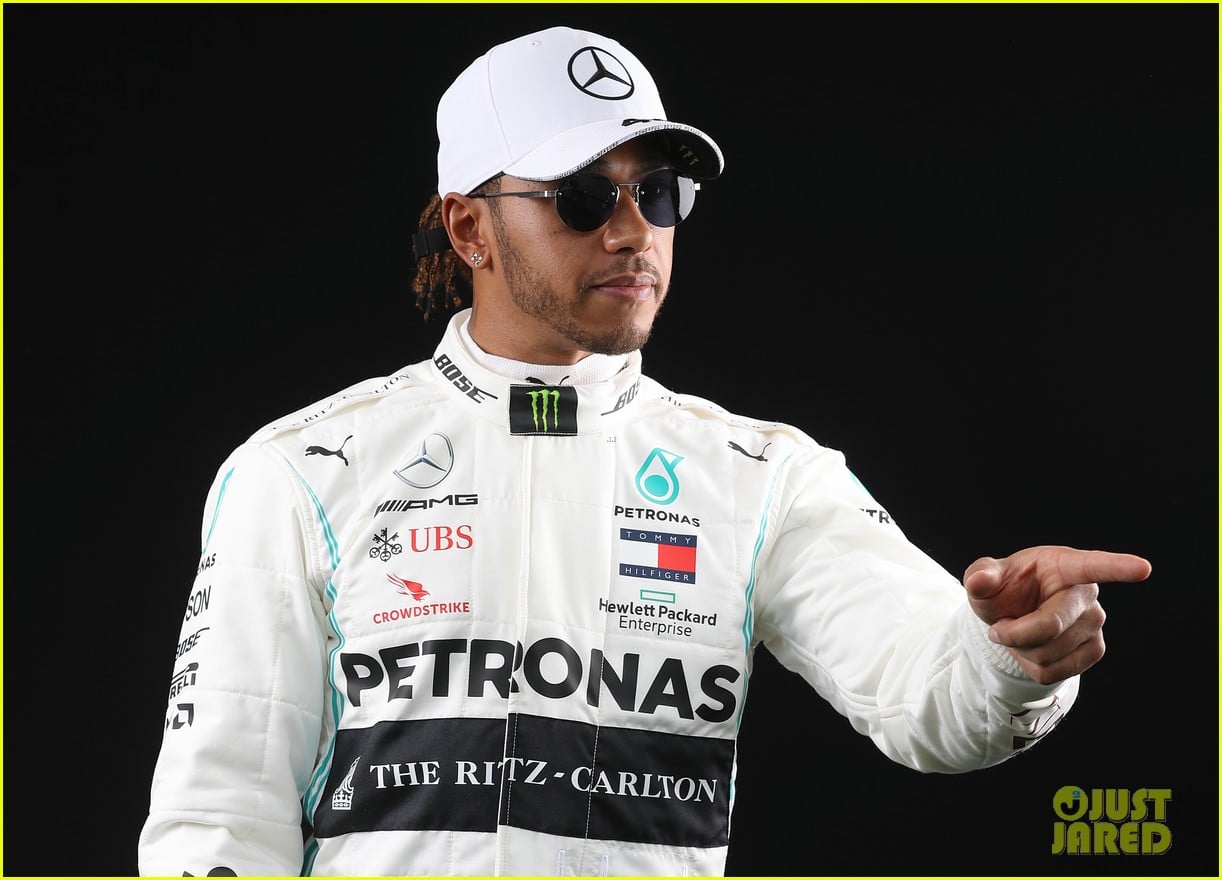
Lewis Hamilton’s financial standing in 2019 reflects a pinnacle of athletic achievement, multi-million-dollar contract negotiations, and a burgeoning portfolio of global endorsements. While various media outlets frequently publish estimated wealth figures, understanding the true scope of a modern sports superstar's net worth requires a granular look at base salaries, race-winning bonuses, brand sponsorships, and long-term asset management. During the 2019 Formula One World Championship season—a year that secured his sixth drivers' title with Mercedes—Hamilton's financial ecosystem was characterized by unprecedented earning power on the racetrack matched by an increasingly sophisticated commercial profile off it.
This comprehensive analysis examines the structural components of Lewis Hamilton’s financial portfolio during the 2019 fiscal period. By evaluating verified contracts, public financial disclosures, industry valuation standards for elite athletes, and endorsement partnerships, we can construct an accurate depiction of his economic standing at that juncture of his career, while separating sensationalized tabloid estimates from verifiable financial realities.
The Formula One Landscape in 2019: Salary and Contract Mechanics
To understand Lewis Hamilton’s net worth evolution by 2019, one must first examine his primary professional income source: his contract with the Mercedes-AMG Petronas Formula One Team. Having signed a lucrative two-year contract extension in the middle of 2018 that covered the 2019 and 2020 racing seasons, Hamilton positioned himself as the highest-paid driver on the grid.
Industry reporting and sports business analyses from outlets such as Forbes and Business Insider estimated his base annual salary for the 2019 season to be approximately $40 million to $50 million, excluding performance-related bonuses. In Formula One contracts of this tier, remuneration structures typically incorporate several distinct layers:
- Base Retainer: A guaranteed fixed fee paid by the constructor for driving services, promotional appearances, and simulator work.
- Performance Bonuses: Additional financial incentives triggered by race wins, pole positions, fastest laps, and securing the World Drivers' Championship. In a dominant 2019 campaign where Hamilton secured 11 Grand Prix victories and 17 podium finishes, these bonuses added significantly to his annual gross income.
- Image Rights and Personal Branding: Provisions within the contract that allow the driver to retain specific personal sponsorship spaces on their race suit and helmet, creating secondary revenue streams that operate alongside team-level partners.
These substantial athletic earnings formed the primary liquidity engine driving his overall net worth upward during the late 2010s, allowing for aggressive capital deployment into personal business ventures and real estate assets.
Endorsements and Commercial Partnerships
Beyond his racing salary, Hamilton’s commercial marketability in 2019 was at an all-time high, driven by his status as a global sporting icon, his fashion industry crossovers, and his expanding cultural footprint outside of motorsport. Elite athletes of his stature command seven-figure endorsement deals with multinational conglomerates seeking to leverage their global audience reach.
During the 2019 calendar year, Hamilton maintained prominent partnerships with several major global brands:
| Brand Partner | Partnership Focus | Nature of Involvement |
|---|---|---|
| Tommy Hilfiger | Fashion and Apparel | Co-designer of multiple capsule collections ("TommyXLewis"), global brand ambassador, and lead promotional figure. |
| Monster Energy | Beverage and Lifestyle | Long-standing sponsor featuring branded caps, promotional campaigns, and signature product lines. |
| PUMA | Athletic Footwear and Apparel | Supplier of racing gear, team apparel, and lifestyle streetwear collections. |
| IWC Schaffhausen | Luxury Timepieces | Brand ambassador featuring in marketing campaigns and contributing to specialized limited-edition watch designs. |
| Sony / Gran Turismo | Interactive Entertainment | Promotional partnerships and digital integration within gaming franchises. |
These endorsement agreements contributed an estimated $10 million to $15 million annually to his pre-tax earnings in 2019. Crucially, his collaboration with Tommy Hilfiger went beyond traditional endorsement by establishing him as a credible designer and lifestyle influencer, opening doors to lucrative equity and profit-sharing arrangements that extended well beyond standard flat-fee contracts.
Real Estate Holdings and Capital Investments
An athlete's net worth is not solely a reflection of liquid cash flow; it encompasses tangible assets, property portfolios, and venture investments. By 2019, Hamilton had accumulated a notable portfolio of international real estate, though his buying and selling habits during this period also demonstrated strategic asset realignment.
- New York Penthouse: In 2017, Hamilton purchased a sprawling penthouse in Tribeca, Manhattan, for approximately $43.9 million. Reports emerged in late 2019 that he had placed this property back on the market, illustrating the fluid nature of his high-value real estate holdings.
- Monaco Residence: Operating as a tax resident of Monaco, Hamilton maintained a primary residence in the principality, a common practice among elite racing drivers aiming to optimize their global tax liabilities.
- London Property: He previously acquired a historic mansion in Kensington, West London, though extensive renovation disputes and eventual sales activity characterized his British property holdings during the late 2010s.
In addition to real estate, Hamilton’s investment thesis began to pivot heavily toward sustainability, plant-based nutrition, and technology start-ups. While his major venture capital deployment into entities like the vegan restaurant chain Notorious Burger and various green-tech initiatives accelerated into the 2020s, the groundwork for these alternative asset allocations was actively being laid during his 2019 championship season.
Evaluating the "2.5 Billion" Figure and Disambiguation
When encountering sensationalized headlines regarding sports fortunes—such as discussions referencing figures around 2.5 billion—it is essential to distinguish between annual earnings, cumulative career career cash flow, and market capitalization of business entities.
The figure of 2.5 billion is occasionally misattributed in online discourse or confused with entirely different financial metrics, such as the total valuation of the Mercedes-AMG Petronas F1 Team, the cumulative economic impact of Formula One broadcast rights, or lifetime earnings projections across multiple decades. To date, no credible financial publication or wealth tracker (such as Forbes or the Sunday Times Rich List) has verified a personal net worth of $2.5 billion for Lewis Hamilton during the 2019 period or subsequent years.
Instead, financial analysts pegged Hamilton's cumulative career earnings by 2019 in the neighborhood of $400 million to $500 million pre-tax, placing his actual verified net worth at that time comfortably within the $200 million to $300 million range after accounting for taxes, lifestyle overhead, professional management fees, and investment performance.
Frequently Asked Questions
What was Lewis Hamilton's estimated net worth in 2019?
Reliable financial assessments from sports business publications estimated Lewis Hamilton's net worth to be between $200 million and $300 million by the end of 2019. This figure was built upon more than a decade of winning Formula One salaries, championship bonuses, and top-tier global endorsements.
How much did Lewis Hamilton earn per year from Mercedes in 2019?
During the 2019 Formula One season, Hamilton’s base retainer from the Mercedes-AMG Petronas team was estimated between $40 million and $50 million. This amount increased further when factoring in performance bonuses tied to race victories and his sixth World Drivers' Championship title.
What were Lewis Hamilton's primary endorsement deals in 2019?
His most prominent commercial partnerships in 2019 included multi-year agreements with Tommy Hilfiger (featuring his co-designed fashion line), Monster Energy, PUMA, and IWC Schaffhausen. These deals collectively contributed tens of millions of dollars to his annual income.
Is Lewis Hamilton a billionaire?
No credible financial source has verified billionaire status for Lewis Hamilton. While he is one of the highest-earning athletes in modern sports history with a massive career fortune, his net worth remains well below the billion-dollar threshold.
Where does Lewis Hamilton's wealth rank among athletes?
By 2019, Hamilton consistently ranked among the top 20 highest-earning athletes globally, according to annual lists published by Forbes, sharing elite financial tier status with global football, basketball, and boxing superstars.
Practical Next Actions and Further Reading
For researchers, sports economists, and fans interested in a deeper analysis of athlete wealth management, reviewing primary financial documents provides the clearest insight.
- Consult annual athlete earnings reports published by Forbes for verified breakdown methodology regarding salary versus endorsement splits.
- Review corporate registry filings and team financial disclosures for structural insights into Formula One constructor expenditures and driver remuneration caps.
- Examine published sports law analyses regarding image rights management and personal sponsor integration in elite motorsports.