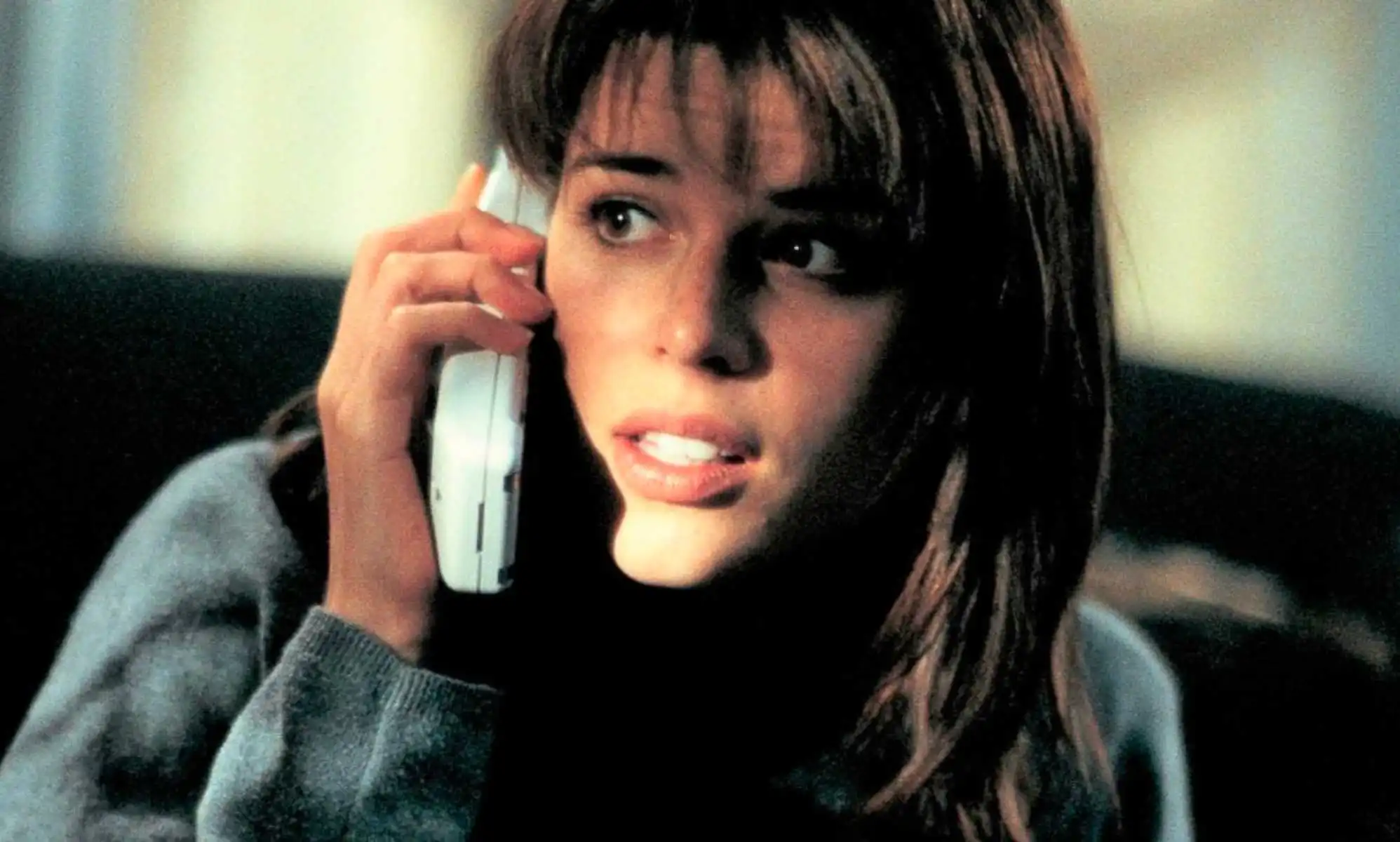
The 1996 horror film Scream opens with a sequence featuring character Casey Becker, whose brutal murder sets the chilling tone for the entire meta-slasher franchise. This unforgettable sequence explores the terrifying vulnerability of suburban life, leveraging a ringing telephone, horror trivia, and a disguised voice to orchestrate a masterclass in suspense before the movie's main plot truly begins.
The Cultural Impact of the 1996 Scream Opening
When Wes Craven’s Scream premiered in theaters in December 1996, it revitalized a horror genre that had grown stagnant through endless, formulaic sequels during the late 1980s and early 1990s. Written by Kevin Williamson, the film understood horror tropes inside and out and weaponized them against the audience. Nothing encapsulates this meta-textual self-awareness better than the opening sequence.
Before viewers even meet the protagonist, Sidney Prescott, they are introduced to Casey Becker, played by Drew Barrymore. Barrymore’s prominent presence on promotional materials led audiences to expect a traditional final girl journey. Instead, her character is brutally murdered within the first fifteen minutes. This narrative subversion shattered viewer expectations, establishing an immediate rule: no character is safe, and standard horror conventions no longer apply.
The sequence shifts the cinematic paradigm by turning horror history into a literal game of life and death. By interrogating Casey about horror film trivia, the mysterious killer establishes a psychological cat-and-mouse dynamic that elevates the standard slasher trope into a tense intellectual exercise. This approach transformed the slasher villain into a cerebral antagonist who toys with victims using pop culture before striking.
Anatomy of the Scene: Step-by-Step Breakdown
The sequence unfolds with deceptive domestic tranquility, building tension incrementally through a series of escalating disruptions. Understanding how the scene achieves its emotional and terrifying impact requires examining its structural progression:
- Domestic Isolation: Casey is alone at night in a large, isolated suburban home, preparing for a quiet evening with popcorn while her parents are out.
- The Wrong Number: A friendly telephone conversation begins with a polite stranger asking for "Steve," quickly pivoting into an escalating series of increasingly intrusive questions.
- The Escalation of Threat: The caller reveals he is watching Casey from the shadows outside, shifting the tone from awkward to alarming.
- The Horror Trivia Challenge: The caller forces Casey into a trivia game centered around classic horror films, with the life of her hidden boyfriend, Steve, hanging in the balance.
- The Fatal Misstep: When Casey misses a crucial trivia question regarding the original killer in the 1978 film Halloween, Steve is executed in front of her.
- The Pursuit and Demise: Casey attempts to flee, securing doors and breaking through windows, but is ultimately hunted down, disemboweled, and strung up as a gruesome warning ornament on a tree outside her home.
This meticulous pacing transforms a simple phone call into an elaborate, inescapable trap. Every technical element—from Marco Beltrami's haunting score to the harsh exterior lighting—amplifies the claustrophobia and helplessness of the character.
Character Dynamics and Psychological Warfare
The dialogue between Casey and the killer—voiced brilliantly by Roger L. Jackson—serves as the psychological engine of the sequence. The killer uses intimate knowledge of horror cinema to manipulate Casey’s emotions, forcing her to confront her own consumption of scary movies in a visceral, real-world context.
The Role of Horror Trivia as a Narrative Device
Horror trivia is not merely a clever framing device; it is a commentary on audience complicity. For decades, moviegoers watched teenagers make foolish mistakes on screen from the safety of theater seats. The Scream opening places a horror fan directly into the killer's crosshairs, testing whether knowing the rules of the genre can actually save someone's life.
When Casey is asked to name the killer in the original Halloween, her failure highlights the difference between casual viewing and survival awareness. This moment establishes the killer's philosophy: horror films are a blueprint for real-world violence, and anyone who treats them lightly does so at their peril.
| Element | Cinematic Function | Narrative Impact |
|---|---|---|
| Drew Barrymore's Casting | Misdirection | Subverts expectations by killing a major star immediately. |
| The Phone Call | Building Suspense | Establishes the villain's detached, analytical cruelty. |
| The Horror Trivia | Meta-Commentary | Critiques audience engagement with horror tropes. |
| The Domestic Setting | Contrast | Juxtaposes suburban safety with sudden, brutal violence. |
Behind the Scenes: Making the Masterpiece
Creating the Casey Becker death sequence required intense collaboration between director Wes Craven, screenwriter Kevin Williamson, and lead actress Drew Barrymore. Originally, Barrymore was slated to play the lead role of Sidney Prescott. However, scheduling conflicts forced her to approach Craven with an alternative proposal: she wanted to play the doomed opening victim instead.
Barrymore recognized that killing off the biggest star in the first act would create an unprecedented jolt for the audience, signaling that the rules had changed. To achieve the raw, genuine terror seen on screen, Craven utilized specific psychological techniques on set. Barrymore reportedly listened to distressing audio cues and spent hours in isolation to maintain a state of genuine exhaustion and panic.
Furthermore, the physical stunt work required intense coordination. Barrymore had to navigate breakable glass props, run across uneven terrain in the dark, and be suspended via harness to portray the horrific final hanging shot. The result is a masterclass in editing and choreography that remains studied in film schools decades later.
Common Misconceptions and Fan Theories
Over the years, the opening sequence has generated numerous fan discussions and interpretations regarding minor plot details and continuity.
- The Timeline of the Attack: Some viewers question how the killer managed to tie up Steve, move around the perimeter of the house, and track Casey's movements with such impossible speed. In slasher cinema logic, the killer often possesses omnipresent traits, though subsequent sequels expand on the logistical reality of having multiple accomplices.
- The Identity of the Caller: While the film later reveals that Billy Loomis and Stu Macher shared the killings, the voice on the phone was modulated. In universe, both teenagers participated in the taunting, dividing the labor of watching the house and executing the attacks.
- The Significance of the Popcorn: While seemingly a trivial domestic detail, the burning popcorn serves as a sensory anchor, filling the house with smoke and adding an element of sensory disorientation to Casey's final moments.
Frequently Asked Questions
Why was Drew Barrymore killed off so early in Scream?
Drew Barrymore specifically requested the role of Casey Becker after initially being cast as Sidney Prescott. She believed that eliminating a major star in the opening minutes would shock the audience and establish that no character had plot armor, raising the stakes for the rest of the film.
What horror movie question does Casey get wrong?
Casey fails to correctly name the killer in the 1978 horror classic Halloween. She guesses that the killer was Michael Myers, but when the voice corrects her that the setting was actually a suburban street rather than a specific house name—or more accurately, misidentifies the specifics of the trivia challenge regarding sequels—she loses the game and Steve is killed. Note: In the film's precise dialogue, the killer asks for the killer in the original Halloween, and when Casey answers Michael Myers, the killer trips her up on specific sub-questions about the film's continuity.
How many killers were involved in the 1996 Scream?
The film’s climax reveals that there are two killers working as accomplices: Billy Loomis (Skeet Ulrich) and Stu Macher (Matthew Lillard). This partnership explains how they were able to orchestrate complex attacks that seemingly required them to be in two places at once.
What inspired Kevin Williamson to write the opening scene?
Writer Kevin Williamson was inspired by a real-life news story about the "Gainesville Ripper," a serial killer who terrorized students in Florida, coupled with his own childhood memory of receiving a strange, threatening phone call while home alone.
Conclusion and Legacy
The 1996 Casey Becker death sequence remains one of the defining moments in modern horror history. By combining star-studded misdirection, razor-sharp meta-commentary, and relentless pacing, Wes Craven and Kevin Williamson crafted a sequence that continues to influence the genre. It challenged audiences to look closer at the media they consume, proving that suburban safety is often just an illusion shattered by a single, ringing phone.