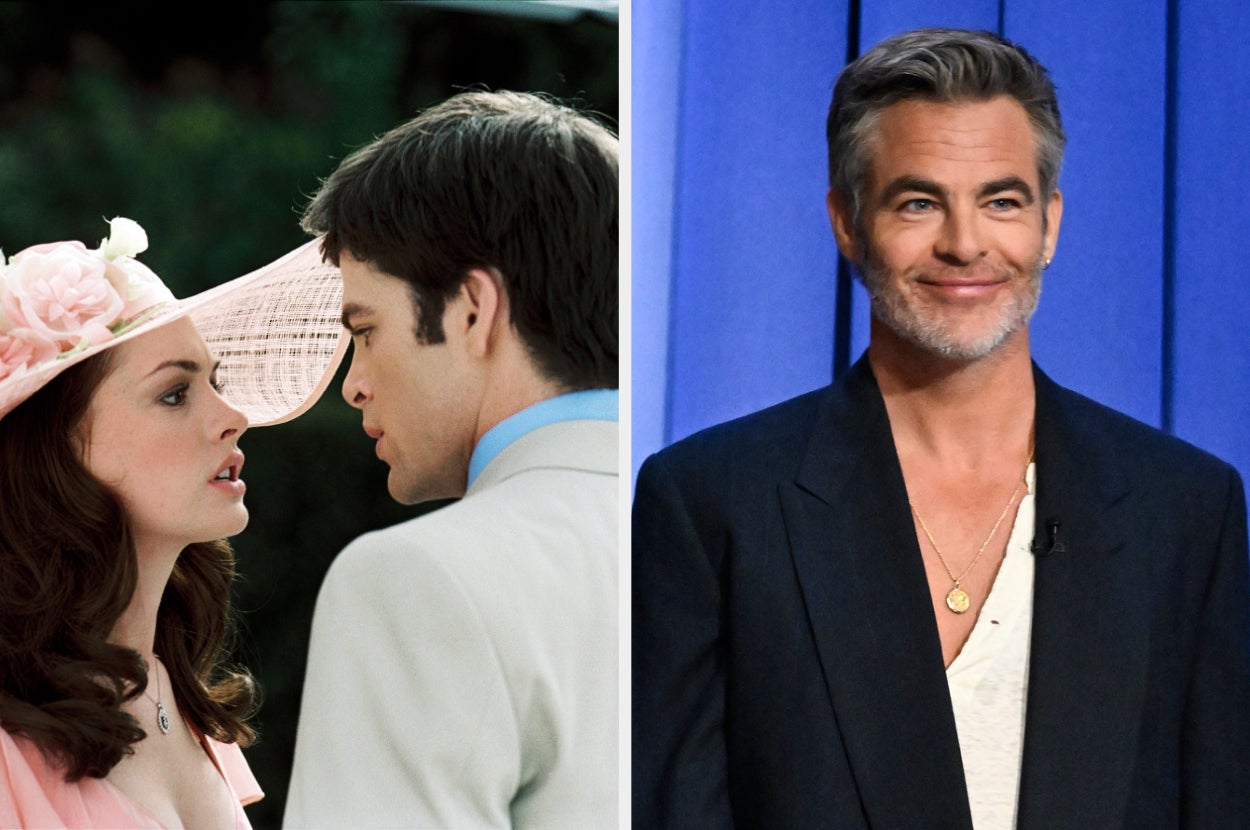
Nicholas Devereaux, portrayed by Chris Pine in his feature film debut, is the primary romantic interest and secondary protagonist in the 2004 sequel The Princess Diaries 2: Royal Engagement. As the nephew of the calculating Viscount Mabrey, Nicholas begins the film as a rival to Princess Mia Thermopolis’s claim to the Genovian throne before evolving into her most significant ally and partner.
The Introduction of Nicholas Devereaux to the Genovian Court
In the timeline of the Princess Diaries franchise, Nicholas Devereaux is introduced as a sudden and significant threat to the established order. Following Mia Thermopolis’s 21st birthday, she prepares to ascend the throne as Queen of Genovia. However, the political landscape shifts when Viscount Mabrey (played by John Rhys-Davies) invokes an ancient dormant law stating that an unmarried woman cannot be crowned Queen.
Nicholas is presented as the "rightful" male heir to the throne, a distant relative who would take precedence over Mia if she fails to marry within thirty days. His introduction at the royal ball sets the stage for a classic "enemies-to-lovers" dynamic. Unlike the earnest and artistic Michael Moscovitz from the first film, Nicholas is polished, charismatic, and initially appears complicit in his uncle’s Machiavellian schemes.
The character serves a dual purpose in the narrative: he is the personification of the patriarchal hurdles Mia must overcome, and he is the catalyst for her personal growth as a leader who prioritizes love and modern ethics over antiquated legislative requirements.
Chris Pine’s Breakout Role and Performance
It is impossible to discuss Nicholas Devereaux without acknowledging the career-defining performance of Chris Pine. In 2004, Pine was a relatively unknown actor, and The Princess Diaries 2 served as his launchpad into Hollywood stardom. His portrayal of Nicholas required a delicate balance of smug confidence and underlying vulnerability.
Pine brought a "Golden Age of Hollywood" charm to the role, which allowed the character to remain likable even when he was technically working against the protagonist. Director Garry Marshall reportedly chose Pine because of his screen presence and chemistry with Anne Hathaway, which felt immediate during screen tests. This chemistry is the engine of the film, transforming what could have been a standard romantic subplot into a compelling exploration of mutual respect and attraction.
In the context of 2026, looking back at Pine's extensive filmography—including Star Trek and Wonder Woman—his turn as Nicholas Devereaux remains a touchstone for fans. It established his "leading man" credentials and demonstrated his ability to handle lighthearted comedy alongside sincere emotional beats.
The Evolution of the "Enemies-to-Lovers" Arc
The relationship between Mia and Nicholas is defined by several key sequences that track their transition from rivals to lovers. These moments are essential for understanding Nicholas’s internal conflict between his family loyalty and his growing admiration for Mia’s integrity.
The Garden Dance and the "Shiner"
Their first significant interaction occurs during Mia’s birthday ball. While dancing, Nicholas attempts to charm Mia while simultaneously reminding her of his claim to her throne. This scene establishes their verbal sparring and physical chemistry. The accidental "shiner" (black eye) Mia gives Nicholas during the dance serves as a comedic metaphor for their friction—he is trying to lead, and she is inadvertently fighting back.
The Fountain Scene
One of the most iconic moments in Disney live-action sequels is the fountain scene. After a heated argument about their respective roles in Genovian politics, the two fall into a decorative fountain. This moment strips away their royal veneers; drenched and frustrated, they are forced to see each other as individuals rather than political pawns. It is the first time Nicholas truly begins to question his uncle’s narrative about Mia’s fitness to rule.
The Hunting Trip
During the royal hunting trip, Nicholas’s true character is revealed. While his uncle attempts to sabotage Mia’s reputation, Nicholas finds himself defending her. He realizes that Mia loves Genovia more than he does and that she is genuinely prepared to lead, whereas he is merely being used as a tool for his uncle’s ambition.
Nicholas Devereaux vs. Michael Moscovitz: A Comparison
For many fans of the original Princess Diaries book series by Meg Cabot, the replacement of Michael Moscovitz (played by Robert Schwartzman in the first film) was a point of contention. However, Nicholas Devereaux was created specifically for the film’s "Royal Engagement" storyline to provide a different type of romantic tension.
| Feature | Michael Moscovitz (Movie 1) | Nicholas Devereaux (Movie 2) |
|---|---|---|
| Relationship Dynamic | Best friend's brother / Long-term crush | Political rival / Enemies-to-lovers |
| Primary Motivation | Support Mia’s personal identity | Initially the throne, then Mia’s happiness |
| Conflict | Mia's sudden fame and change in status | Genovian law and family manipulation |
| Archetype | The "Boy Next Door" | The "Reformed Rogue" |
| Resolution | Mutual confession at the ball | Nicholas forfeits his claim to support Mia |
While Michael represented Mia’s connection to her "normal" life in San Francisco, Nicholas represents her future in Genovia. Nicholas understands the pressures of the court, the intricacies of the aristocracy, and the burden of expectation in a way that Michael could not. This makes him a more suitable partner for a reigning Queen who intends to live and work in Europe permanently.
Political Implications: The Devereaux Claim
The conflict of The Princess Diaries 2 hinges on the Devereaux family’s claim to the throne. Nicholas is the son of the late Lord Devereaux, and according to Viscount Mabrey, the "rightful" heir based on the Salic-style laws of Genovia.
Nicholas’s character arc is completed when he publicly denounces his claim. At the climax of the film, during Mia’s scheduled wedding to Andrew Jacoby, Nicholas stands in the back of the church. When Mia eventually decides she cannot go through with a marriage of convenience and makes her plea to Parliament to change the law, Nicholas’s presence serves as her moral support.
His final act of love is not a grand romantic gesture in the traditional sense, but a political one: he refuses to take the throne when offered, effectively allowing the Parliament to vote on Mia’s proposal to rule as an unmarried woman. This demonstrates a level of selflessness that contrasts sharply with his introduction in the film.
Behind the Scenes: Creating a Modern Prince
The development of Nicholas Devereaux required careful coordination between the writers and the costume department to ensure he felt like a modern aristocrat. Unlike the more traditional and stiff Andrew Jacoby (played by Callum Blue), Nicholas was dressed in more relaxed, contemporary styles when not in formal attire. This visual distinction helped the audience perceive him as a forward-thinking individual who would eventually support Mia’s modernization of Genovia.
Director Garry Marshall emphasized that Nicholas shouldn't be a "villain." Even when he is being used by his uncle, the audience needs to see that Nicholas is a victim of his circumstances. He has been raised under the shadow of his uncle’s bitterness and is only now finding his own voice. This nuance is what makes his eventual romance with Mia feel earned rather than forced.
The Cultural Impact of the Character in 2026
As of 2026, Nicholas Devereaux remains a beloved figure in the "Disney Prince" pantheon, despite not being a prince in the traditional animated sense. The character benefited from the mid-2000s trend of romantic comedies that featured strong, independent women who didn't necessarily need a man to save them, but rather a partner to support them.
Nicholas is often cited in film studies regarding the "reclamation" of the romantic lead. In the first film, Mia was the one who needed to be "polished" for the throne. In the second film, Nicholas undergoes the transformation; he must be "polished" from a cynical opportunist into a man of integrity worthy of a Queen.
The character also sparked a significant "Team Michael vs. Team Nicholas" debate that persisted for decades. While purists of the novels often prefer Michael, the cinematic chemistry between Hathaway and Pine in the sequel created a legacy that, for many, defines the film franchise’s romantic peak.
Summary of Nicholas Devereaux’s Journey
Nicholas’s journey from a pawn in a political game to the romantic partner of a Queen is a classic redemptive arc. His presence in The Princess Diaries 2 challenged Mia to stand up for her rights and allowed her to prove that she didn't need to follow patriarchal traditions to be a successful ruler. By the end of the film, Nicholas is no longer a rival; he is a consort-in-waiting who respects Mia's authority and values her vision for Genovia.
Frequently Asked Questions
Does Nicholas Devereaux marry Mia at the end of the movie?
No, they do not marry at the end of The Princess Diaries 2. After Mia successfully lobbies the Genovian Parliament to abolish the law requiring a Queen to marry, she is crowned as Queen Regnant while single. However, the film ends with Nicholas and Mia confessing their love for one another, implying a long-term romantic relationship without the immediate pressure of a state-mandated marriage.
Why was Nicholas Devereaux created instead of using Michael from the first movie?
The decision to create Nicholas Devereaux was primarily driven by the script’s focus on the "Royal Engagement" plot. The writers wanted a romantic lead who could present a direct political threat to Mia’s throne to increase the stakes. Additionally, Robert Schwartzman, who played Michael, was touring with his band (Rooney) at the time of filming and was unavailable to return, leading the production to move in a new narrative direction.
What happened to Nicholas’s father in the story?
In the film’s dialogue, it is mentioned that Nicholas’s father, the late Lord Devereaux, was well-respected. Viscount Mabrey, Nicholas's uncle, uses the memory of Nicholas’s father and the "lost" legacy of their branch of the family to guilt Nicholas into pursuing the throne. Nicholas eventually realizes that his father would likely have wanted him to act with honor rather than greed.
Is Nicholas Devereaux a character in the Princess Diaries books?
No, Nicholas Devereaux is an original character created for the 2004 film The Princess Diaries 2: Royal Engagement. In the book series by Meg Cabot, Mia’s primary and endgame love interest remains Michael Moscovitz. The second film diverges significantly from the plot of the books, which do not feature the "marry or lose the throne" storyline.
What is the significance of the "shiner" Nicholas gets?
The "shiner" (a black eye) is a pivotal comedic and symbolic element. It occurs when Mia accidentally hits Nicholas during a dance. It serves to humanize the polished Nicholas and creates a recurring joke that lowers his defenses. It also symbolizes the "hit" his ego takes as he begins to fall for the woman he is supposed to be unseating.
Next Steps for Fans: To fully appreciate the character of Nicholas Devereaux, viewers should focus on the "hunting trip" sequence, as it provides the most significant insight into his internal moral compass. If you are interested in the evolution of the actors, comparing Chris Pine’s performance here to his later roles in Star Trek or Dungeons & Dragons: Honor Among Thieves reveals the early development of his signature "charming rogue" persona.