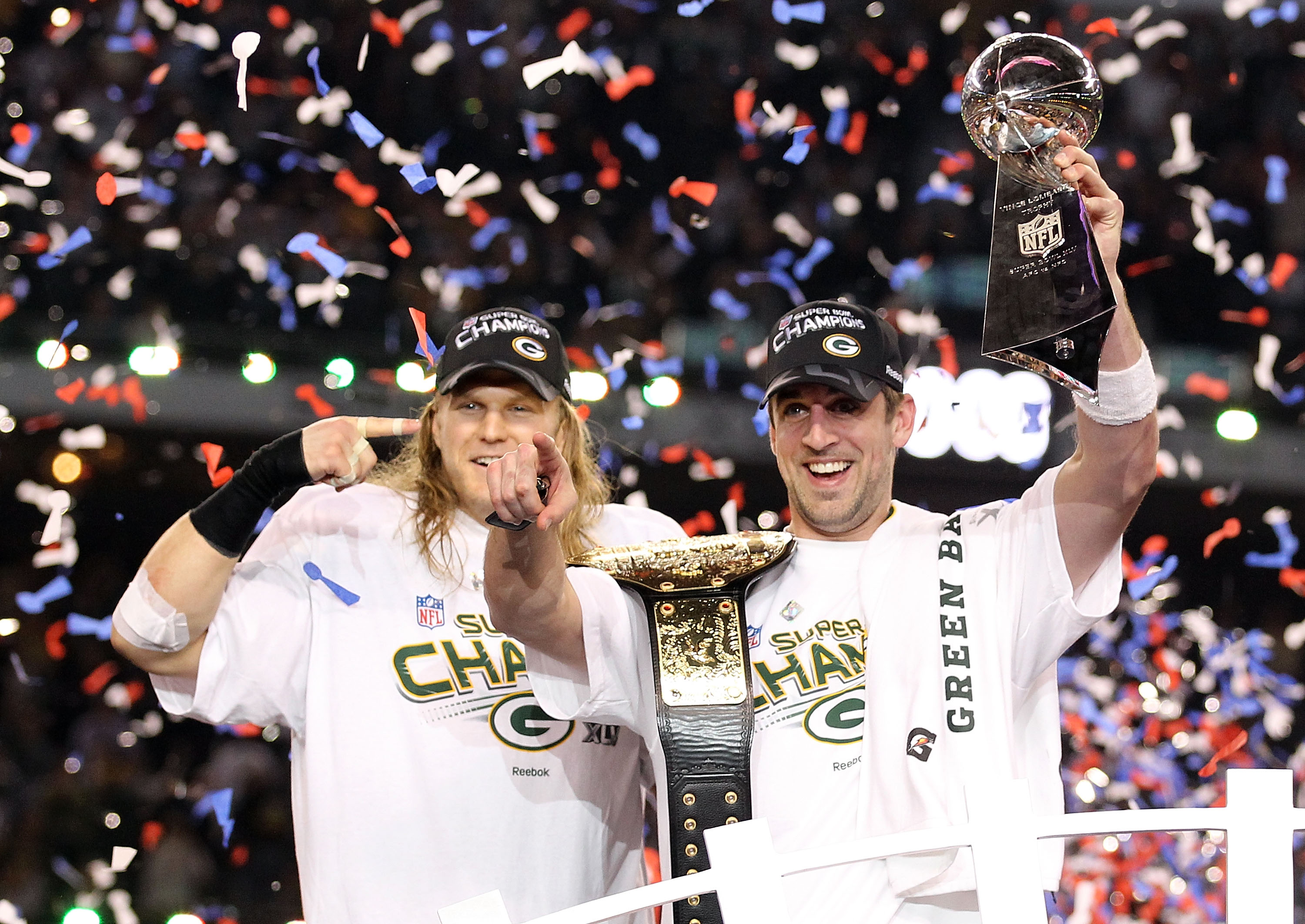
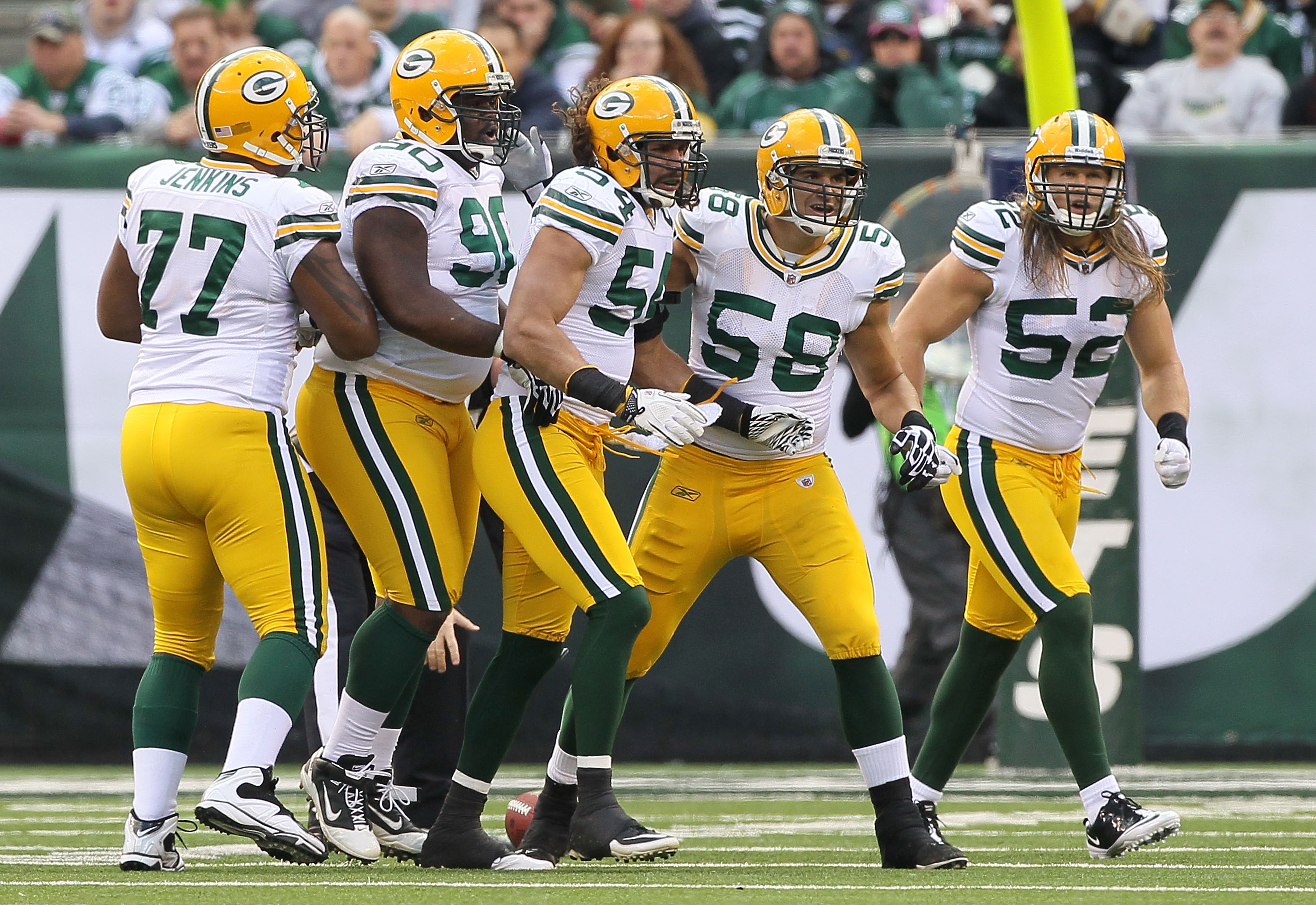
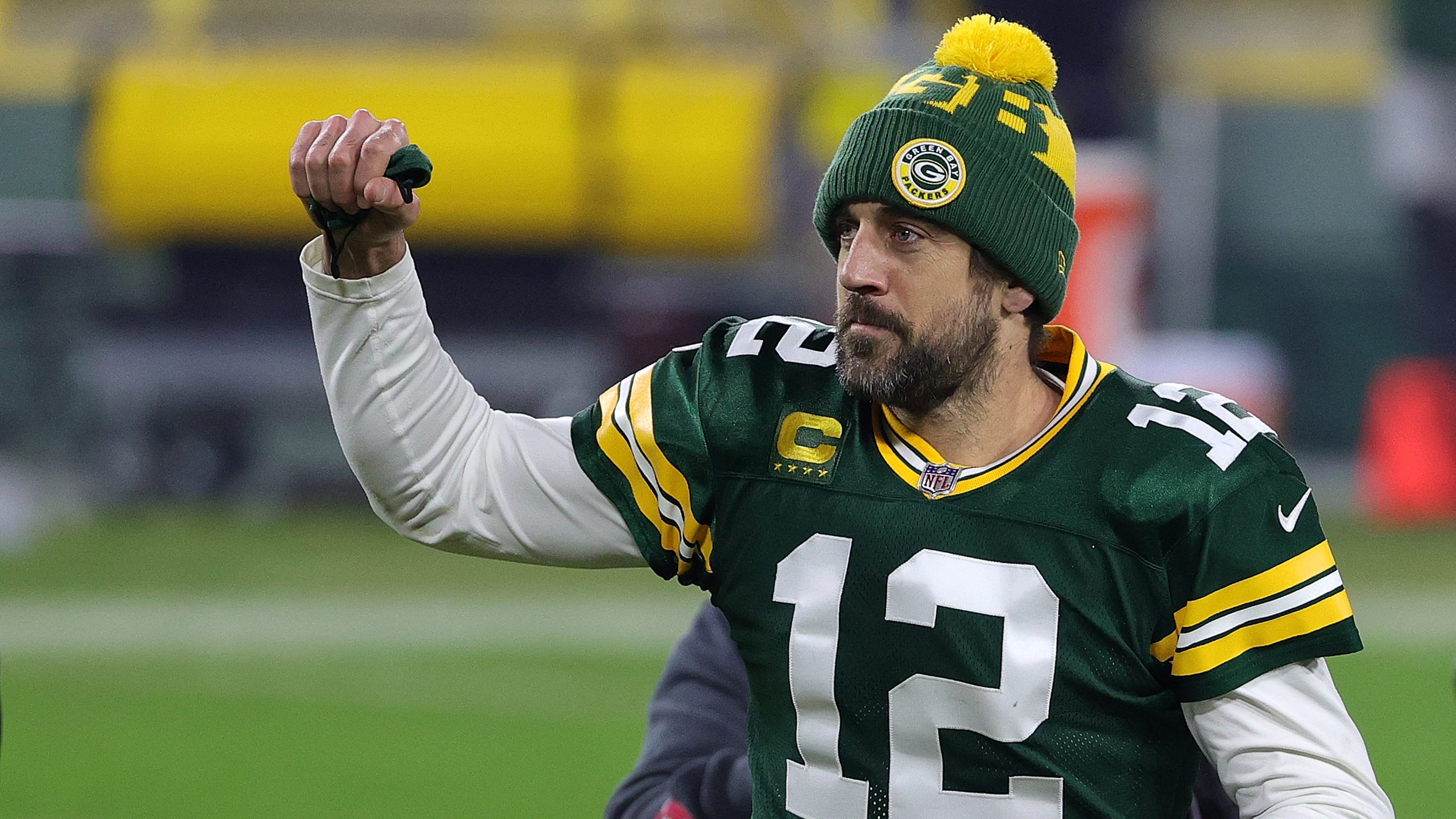
The single most defining key fact of the Green Bay Packers' Super Bowl 2010 victory—played on February 6, 2011, concluding the 2010 NFL season—is that they achieved it as the sixth and final playoff seed in the National Football Conference (NFC), becoming only the second team in NFL history to win the Lombardi Trophy after advancing through the postseason tournament from that lowest wildcard position.
Introduction to the 2010 Green Bay Packers Championship Season
The 2010 Green Bay Packers season remains one of the most compelling and resilient campaigns in the history of professional American football. While many historical championship teams dominate their regular-season schedules from wire to wire, the Packers' journey to Super Bowl XLV was characterized by overcoming unprecedented adversity, devastating injuries, and the narrow margins of single-elimination playoff football.
To understand the magnitude of their 2011 victory over the Pittsburgh Steelers, analysts, historians, and fans must examine the structural realities of the NFL postseason format, the composition of the roster, and the historical rarity of a sixth-seeded team running the table. This analysis explores the foundational fact of their seeding, the mechanics of their playoff run, the strategic brilliance that enabled their success, and the enduring legacy of the 2010 Green Bay Packers.
The Sixth-Seed Rarity: Historical Context and Statistical Significance
Under the NFL playoff structure established prior to the 1990 season, each of the two conferences sends six teams to the postseason: four division champions and two wildcard teams. The teams with the worst records among the qualifiers earn the sixth and final seed, forcing them to play every single game of their postseason journey on the road against higher-seeded opponents who won their respective divisions.
Breaking Down the Road Warrior Path
When the Green Bay Packers concluded the 2010 regular season with a 10-6 record, they secured the NFC's sixth seed only on the final day of the season by defeating the Chicago Bears and receiving necessary tie-breaker help from other conference matchups. Historically, teams entering the postseason as the sixth seed face formidable statistical odds against reaching the Super Bowl, let alone winning it.
The historical difficulty of the sixth seed stems from several distinct competitive disadvantages:
- Zero Home-Field Advantage: Sixth-seeded teams must travel for every round of the playoffs, exposing them to hostile environments, adverse weather conditions in opposing stadiums, and difficult travel schedules.
- Playing Superior Records: Higher seeds typically possess superior regular-season records, meaning the sixth seed must routinely defeat teams that performed better over a 16-game sample size.
- Physical Toll: The lack of a first-round bye week means players absorb an additional week of high-intensity physical contact before reaching the championship game.
Prior to the 2010 season, only one other team in NFL history had successfully navigated this gauntlet: the 2005 Pittsburgh Steelers. By matching this feat, the Green Bay Packers cemented their place in football lore, proving that regular-season seeding becomes irrelevant once the single-elimination tournament begins.
Roster Resilience: Overcoming Historic Injuries
A complete analysis of the Green Bay Packers' 2010 championship run cannot ignore the staggering volume of injuries the team endured during the regular season. Head coach Mike McCarthy and general manager Ted Thompson were forced to navigate a season of attrition that would have derailed most franchises.
The Injury Ledger
By the time the regular season concluded, the Packers had placed an astonishing 16 players on the injured reserve (IR) list. This group included several cornerstone starters and Pro Bowl-caliber performers who were expected to anchor the team's offensive and defensive schemes.
| Position | Player | Impact on the Roster |
|---|---|---|
| Running Back | Ryan Grant | Season-ending ankle injury suffered in Week 1; forced reliance on backup committee. |
| Tight End | Jermichael Finley | Dynamic vertical threat lost to knee injury in Week 5. |
| Running Back | Brandon Jackson / James Starks | Rookies and reserves elevated to lead the rushing attack. |
| Defensive Line | Justin Harrell | Depth piece lost early in the campaign, testing front-seven rotation. |
| Safety | Morgan Burnett | Rookie starter lost to a torn ACL in Week 4. |
Despite these losses, the organization maintained a "next-man-up" philosophy. The front office aggressively churned the bottom of the roster, signing street free agents and promoting practice-squad players who ultimately contributed significant snaps during the playoff run.
The Postseason Gauntlet: Three Road Victories
Because they were the sixth seed, the Green Bay Packers had to win three consecutive road games just to reach Super Bowl XLV. Each victory presented unique tactical challenges that tested the team's mental toughness and execution.
Wild Card Round: Defeating the Philadelphia Eagles
The postseason journey began at Lincoln Financial Field against the Philadelphia Eagles, led by dynamic quarterback Michael Vick. In a tightly contested, physical matchup, the Packers defense made a game-sealing interception in the end zone by cornerback Tramon Williams in the final minutes, securing a 21-16 victory and eliminating the NFC East champions.
Divisional Round: Overwhelming the Atlanta Falcons
Next, the Packers traveled to the Georgia Dome to face the top-seeded Atlanta Falcons, who finished the regular season with a stellar 13-3 record. What followed was an offensive masterclass orchestrated by quarterback Aaron Rodgers, who completed 31 of 36 passes for 366 yards and three passing touchdowns, alongside a rushing touchdown. The Packers decisively defeated the Falcons 48-21, stunning the home crowd and sending a definitive message to the rest of the league.
NFC Championship Game: Defeating the Chicago Bears
The final hurdle before the Super Bowl was a historic rivalry matchup against the second-seeded Chicago Bears at Soldier Field. In a grueling, low-scoring defensive struggle, the Packers held off a late-game surge by Chicago backup quarterback Caleb Hanie. Defensive tackle B.J. Raji intercepted a pass and returned it 18 yards for a crucial touchdown, securing a 21-14 win and capturing the NFC Championship.
Super Bowl XLV: Defeating the Pittsburgh Steelers
On February 6, 2011, at Cowboys Stadium in Arlington, Texas, the Green Bay Packers faced the Pittsburgh Steelers in Super Bowl XLV. The matchup featured two storied franchises with rich championship histories, but it was the resilient Packers squad that controlled the tempo of the game.
Game Dynamics and Key Performances
Aaron Rodgers delivered a legendary performance, completing 24 of 39 passes for 304 yards and three touchdowns, earning the Super Bowl MVP award. Wide receiver Jordy Nelson emerged as a primary weapon, catching nine passes for 140 yards and a touchdown, while fellow wideout Greg Jennings added two crucial receiving touchdowns.
Defensively, the Packers forced three critical turnovers by Steelers quarterback Ben Roethlisberger, including a pivotal 37-yard interception return for a touchdown by safety Nick Collins in the second quarter. Although the Steelers mounted a fourth-quarter comeback, Green Bay's defense held firm on Pittsburgh's final possession, securing a 31-25 victory and capturing the franchise's fourth Super Bowl title.
Comparative Analysis of Sixth-Seed Super Bowl Champions
To fully appreciate the historical weight of the Green Bay Packers' 2010 victory, it is instructive to compare their postseason path with other low-seeded teams that achieved ultimate success in the modern NFL era.
| Team | Season | Regular Season Record | Playoff Path (Road Games) | Super Bowl Opponent & Result |
|---|---|---|---|---|
| Green Bay Packers | 2010 | 10-6 (6th Seed) | @ Eagles, @ Falcons, @ Bears | Defeated Pittsburgh Steelers (31-25) |
| Pittsburgh Steelers | 2005 | 11-5 (6th Seed) | @ Bengals, @ Colts, @ Broncos | Defeated Seattle Seahawks (21-10) |
| Tampa Bay Buccaneers | 2020 | 11-5 (5th Seed) | @ Washington, @ Saints, @ Packers | Defeated Kansas City Chiefs (31-9) |
As illustrated in the comparison, the 2010 Packers share rare historical air with the 2005 Steelers as the only two sixth-seeded teams to successfully win three road playoff games before claiming the Lombardi Trophy.
Strategic Factors That Enabled the Championship Run
The Packers' success as a sixth seed was not merely a matter of luck or timely momentum; it was built upon specific tactical advantages and personnel strengths.
- Elite Quarterback Play: Aaron Rodgers played at an elite level throughout the postseason, throwing for nine touchdowns and zero interceptions across the four playoff games, maintaining exceptional efficiency under maximum pressure.
- Opportunistic Defense: Coordinator Dom Capers deployed a complex 3-4 scheme that forced crucial turnovers. The defense created multiple defensive touchdowns and game-ending stops throughout January and February 2011.
- Balanced Receiving Corps: Despite losing Jermichael Finley early in the year, the receiving corps proved exceptionally deep, featuring Greg Jennings, Donald Driver, Jordy Nelson, and James Jones, making it nearly impossible for opposing secondaries to focus on a single target.
- Mental Toughness: Having played essentially must-win football for the final month of the regular season just to qualify for the postseason, the team was already accustomed to high-stakes elimination scenarios when the playoffs began.
Common Misconceptions About the 2010 Packers Season
When casual observers reflect on the 2010 Green Bay Packers, several misconceptions frequently arise regarding their dominance and path.
- The Myth of Regular-Season Dominance: Many assume that a team winning the Super Bowl in such convincing fashion must have dominated the regular season. In reality, the 2010 Packers lost six games, never held a division lead late in the year, and scraped into the postseason by the slimmest of margins.
- The Overstated Relying on Luck: While every championship team requires a measure of fortune, the Packers decisively outplayed their opponents in the playoffs, winning games by double digits against top-tier opponents like Atlanta before edging out physical battles in Philadelphia and Chicago.
Frequently Asked Questions
What was the final record of the 2010 Green Bay Packers during the regular season?
The Green Bay Packers finished the 2010 regular season with a 10-6 record. They did not win their division—the NFC North was won by the Chicago Bears—forcing them to secure a wildcard berth as the sixth seed in the NFC.
Who was the Super Bowl MVP for the Green Bay Packers in 2010?
Quarterback Aaron Rodgers won the Super Bowl XLV MVP award. He completed 24 of 39 passes for 304 yards and three touchdowns, capping off a remarkable four-game postseason run in which he threw nine touchdown passes and zero interceptions.
How many road games did the Packers have to win to claim the Super Bowl?
Because they entered the postseason as the sixth seed, the Packers had to win three consecutive away games against the Philadelphia Eagles, Atlanta Falcons, and Chicago Bears before winning Super Bowl XLV at a neutral site.
Which other NFL team won a Super Bowl as a sixth seed?
The 2005 Pittsburgh Steelers were the first team in NFL history to win a Super Bowl as a sixth seed, winning three consecutive road playoff games before defeating the Seattle Seahawks in Super Bowl XL.
Why is the 2010 Packers roster considered uniquely resilient?
The team placed 16 players on the injured reserve list during the regular season, including major starters like running back Ryan Grant and tight end Jermichael Finley, requiring extensive contributions from backups and practice-squad elevations.
Next Actions and Further Exploration
For sports historians, analysts, and fans seeking to deepen their understanding of this era in NFL history, examining the complete game tape of the 2010 NFC Divisional playoff game against the Atlanta Falcons offers a masterclass in modern offensive execution. Reviewing the historical transaction logs of the 2010 Green Bay roster also provides valuable insight into how professional sports franchises manage severe injury crises through aggressive personnel evaluation and depth development.