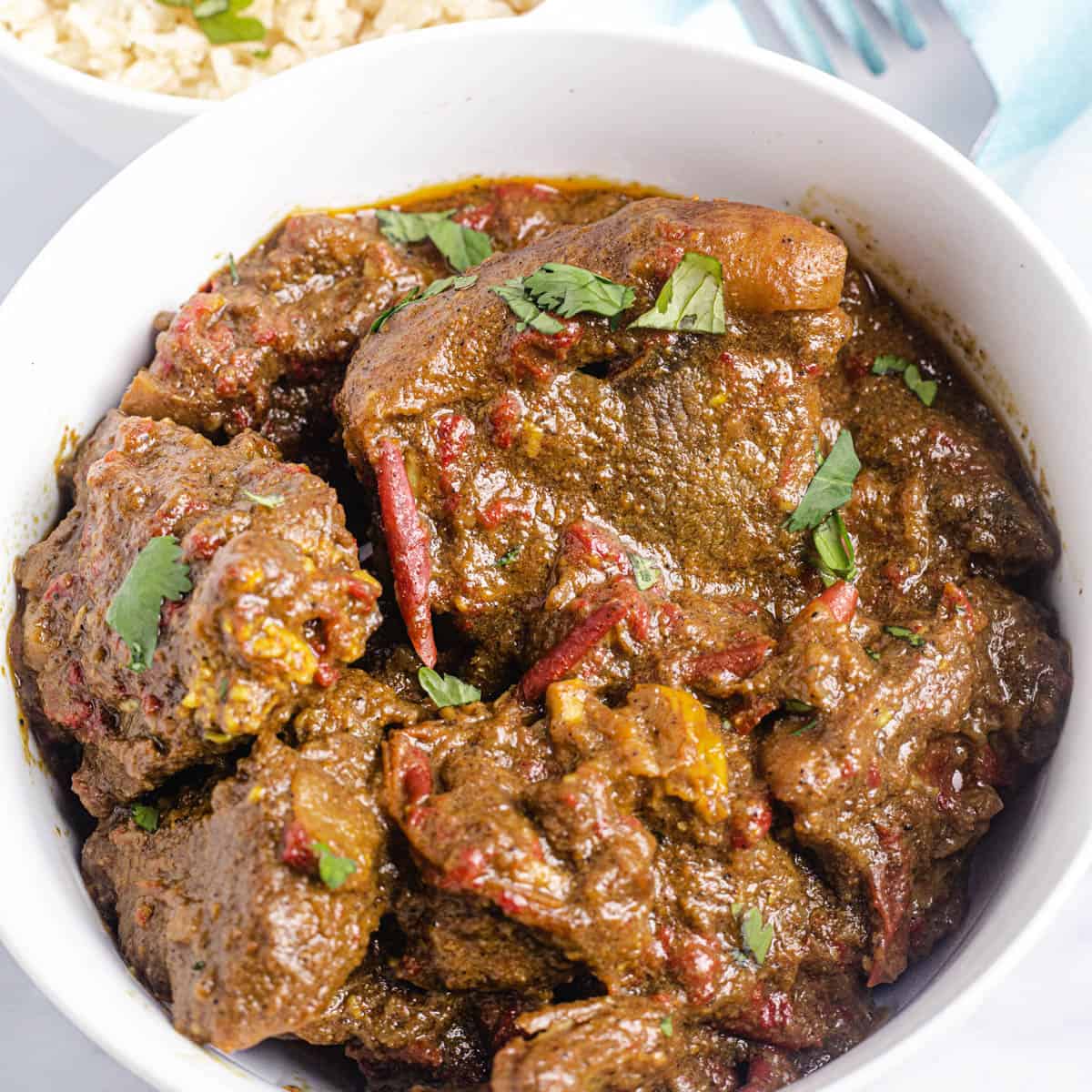
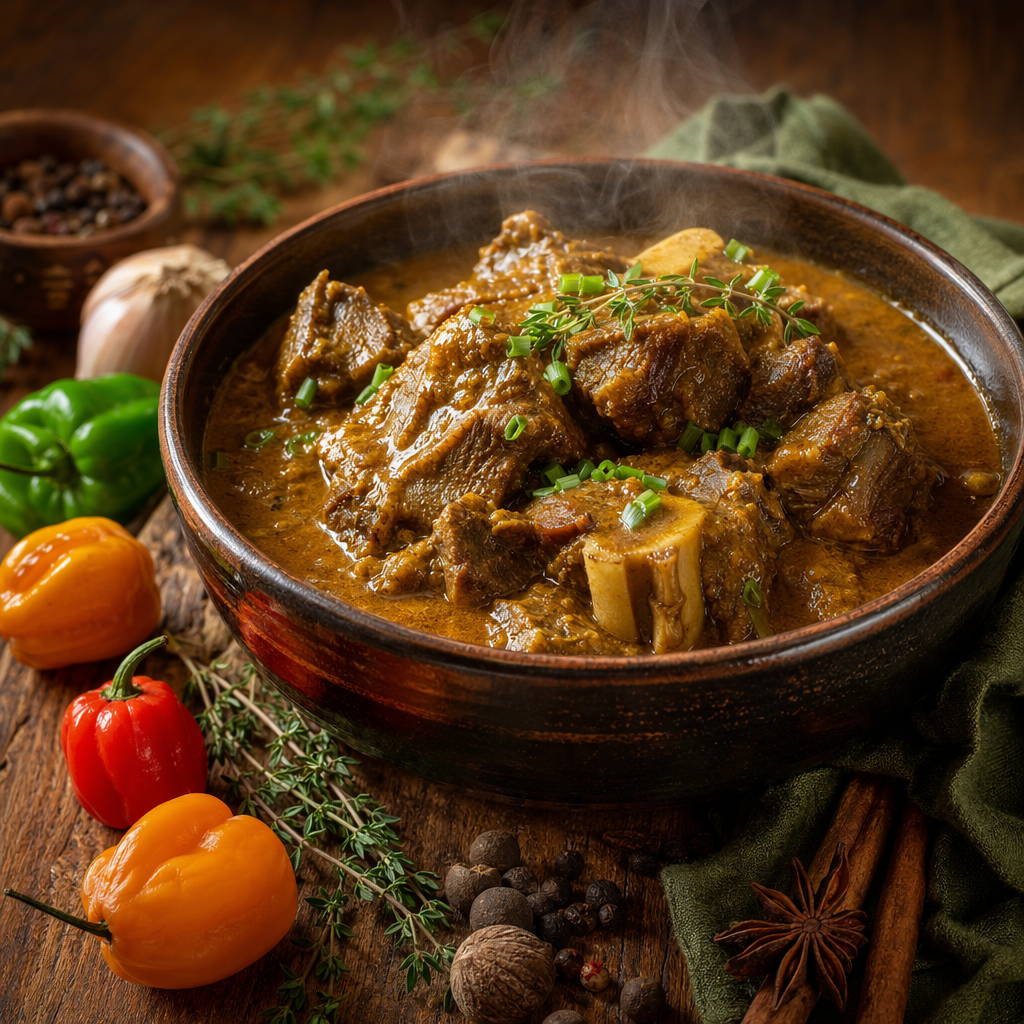
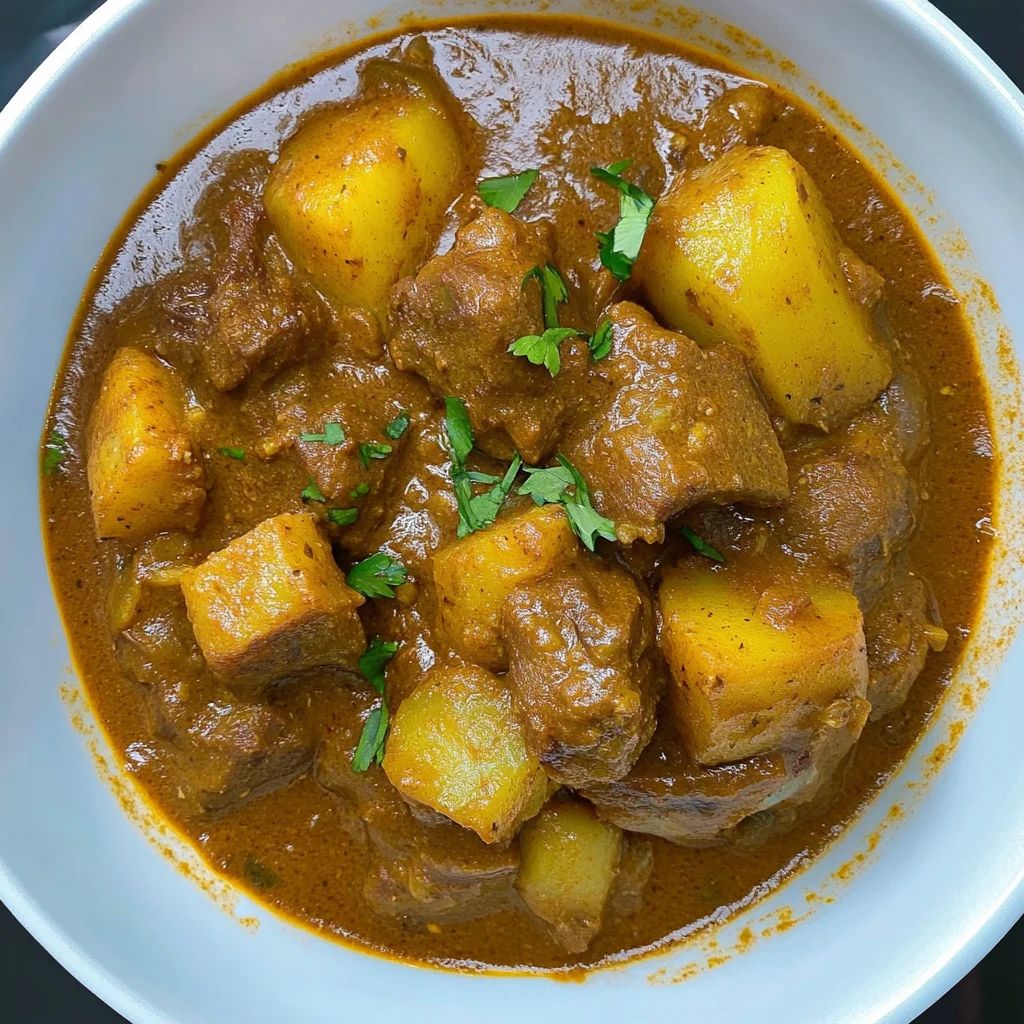
Cooking curried goat in a slow cooker allows the connective tissues in the meat to break down gradually over several hours, resulting in a tender, flavorful dish that captures the traditional essence of this Caribbean staple. By simmering goat meat with a robust blend of curry powder, aromatics, and fresh herbs, you can achieve a restaurant-quality meal with minimal active effort.
Understanding the Nature of Goat Meat
Goat, often referred to as mutton in some regions, is a lean, flavorful protein that requires specific preparation techniques to ensure tenderness. Unlike cuts of beef or pork commonly found in supermarkets, goat meat consists of smaller muscle fibers and a higher concentration of connective tissue. When cooked quickly, these fibers can become tough and rubbery.
The slow cooker method is ideal because it provides a consistent, low-temperature environment that facilitates the gelatinization of collagen. This process does not happen instantly; it requires sustained heat over a duration of at least six to eight hours. By using a slow cooker, you mimic the low-and-slow braising process traditionally achieved in a heavy-bottomed Dutch oven or a clay pot on a stovetop, but with the added convenience of temperature control that prevents scorching or over-boiling.
Essential Ingredients for Authentic Flavor
To achieve the characteristic deep, savory, and slightly spicy profile of authentic curried goat, the selection of spices and aromatics is critical.
- Goat Meat: Purchase bone-in goat chunks. The bone marrow contributes essential depth and body to the gravy that boneless meat simply cannot provide.
- Curry Powder: Utilize a high-quality Caribbean or Jamaican-style curry powder. These blends typically contain turmeric, coriander, cumin, fenugreek, and black pepper. The turmeric provides the signature yellow hue, while the other spices form the aromatic base.
- Fresh Aromatics: Fresh ginger, garlic, and scallions are non-negotiable. While dried alternatives exist, they lack the vibrancy required for this dish. Scotch bonnet pepper is the traditional heat source; ensure it remains whole to impart flavor without overwhelming the dish with excessive spice.
- Thyme: Fresh sprigs of thyme are vital. Their earthy, slightly floral aroma balances the intensity of the curry powder.
- Potatoes: Adding cubed potatoes or Irish potatoes towards the end of the cooking process acts as a natural thickener for the sauce, as the starch releases during the final hour of simmering.
Preparation and Pre-Cooking Steps
Before the meat enters the slow cooker, two preparatory steps are recommended to maximize depth of flavor: cleaning and marinating.
- Cleaning the Meat: Many traditional recipes suggest washing goat meat with water mixed with lime or lemon juice and vinegar. This removes surface impurities and prepares the meat for the marinade. Pat the meat thoroughly dry after rinsing.
- The Marinade: Marinating is not merely about flavor infusion; it is about seasoning the interior of the meat. Combine the meat with half of your curry powder, minced garlic, ginger, chopped scallions, and a splash of oil. Ideally, allow this mixture to sit in the refrigerator for at least four hours, though overnight marination is preferred for optimal results.
- Searing (Optional but Recommended): While not strictly required for a slow cooker, searing the meat in a hot skillet before adding it to the slow cooker caramelizes the exterior proteins through the Maillard reaction. This adds a layer of complexity to the final gravy.
The Slow Cooking Process: Step-by-Step
Once your preparation is complete, the cooking process relies on patience and proper layering.
- Layering: Place the marinated meat into the slow cooker vessel. If you seared the meat, ensure you scrape the fond (the browned bits) from the skillet into the slow cooker, as this contains concentrated flavor.
- Liquid Management: Do not over-liquidize. The meat and vegetables will release their own juices as they cook. Add only enough water or chicken stock to barely cover the meat. Too much liquid will result in a thin, watery gravy rather than the rich, thick sauce characteristic of good curry goat.
- The Scotch Bonnet Rule: Add the whole Scotch bonnet pepper on top of the meat. Ensure the pepper remains intact throughout the cooking process. If it breaks, the heat level will increase significantly.
- Temperature and Time: Set your slow cooker to "Low." This setting is superior to "High" because it allows for a more gentle breakdown of the connective tissue. Cook for 7 to 8 hours.
- Adding Vegetables: Add peeled and cubed potatoes approximately 90 minutes before the end of the cooking time. This ensures they soften without disintegrating into the sauce.
Comparison of Cooking Methods
| Feature | Slow Cooker | Stovetop (Dutch Oven) | Pressure Cooker |
|---|---|---|---|
| Texture | Very Tender | Tender | Soft |
| Ease of Use | High (Set and forget) | Moderate (Requires monitoring) | High (Speed) |
| Flavor Depth | High | Maximum | Moderate |
| Cooking Time | 7–9 Hours | 2–3 Hours | 45–60 Minutes |
Troubleshooting Common Issues
Even with a reliable slow cooker, challenges can arise. If your gravy appears too thin at the end of the cycle, remove the lid, turn the slow cooker to "High," and allow it to reduce for 20 to 30 minutes. Alternatively, mash one or two of the cooked potatoes directly into the sauce to act as a thickening agent.
If the meat remains tough, it simply requires more time. Cooking times for goat vary significantly depending on the age of the animal and the specific cut. Do not be discouraged if your dish needs an extra hour of heat; the slow cooker is forgiving in this regard.
Frequently Asked Questions
Can I use boneless goat meat for this recipe? While you can use boneless meat, it is highly discouraged. The bones contain marrow and collagen that are essential for thickening the gravy and adding authentic flavor. If you must use boneless meat, the final texture may be less succulent, and you may need to supplement the sauce with a beef broth to compensate for the lack of body.
How do I adjust the heat if Scotch bonnet peppers are unavailable? If you cannot source Scotch bonnet peppers, you can substitute with habanero peppers, as they share a similar heat profile and fruity undertone. If you prefer a milder version, use the tip of a serrated knife to remove the seeds and white pith from the pepper before placing it in the slow cooker, or omit it entirely and use a small amount of cayenne pepper.
Is it necessary to brown the meat before slow cooking? Browning is not strictly necessary for safety, but it is highly recommended for flavor. The caramelization created by searing the meat adds a depth of color and umami that cannot be replicated by simmering alone.
How long can I store leftover curried goat? Stored in an airtight container in the refrigerator, curried goat will maintain its quality for up to three to four days. Many enthusiasts argue that the dish tastes better the following day as the spices have more time to penetrate the meat fibers. Reheat slowly on the stovetop over low heat, adding a splash of water if the sauce has thickened too much.
Can this dish be frozen? Yes, curried goat freezes exceptionally well. Allow the dish to cool completely before transferring it to freezer-safe bags or containers. It can be stored for up to three months. When ready to eat, thaw it in the refrigerator overnight and reheat it thoroughly.
Final Recommendation
To ensure the best result, source your goat meat from a butcher who specializes in Caribbean or international cuts. Ensure the meat is cut into uniform, bite-sized pieces to promote even cooking. When you serve your curried goat, accompany it with freshly steamed white rice or traditional rice and peas to soak up the flavorful sauce. This combination provides a complete, balanced meal that reflects the history and heart of the dish.