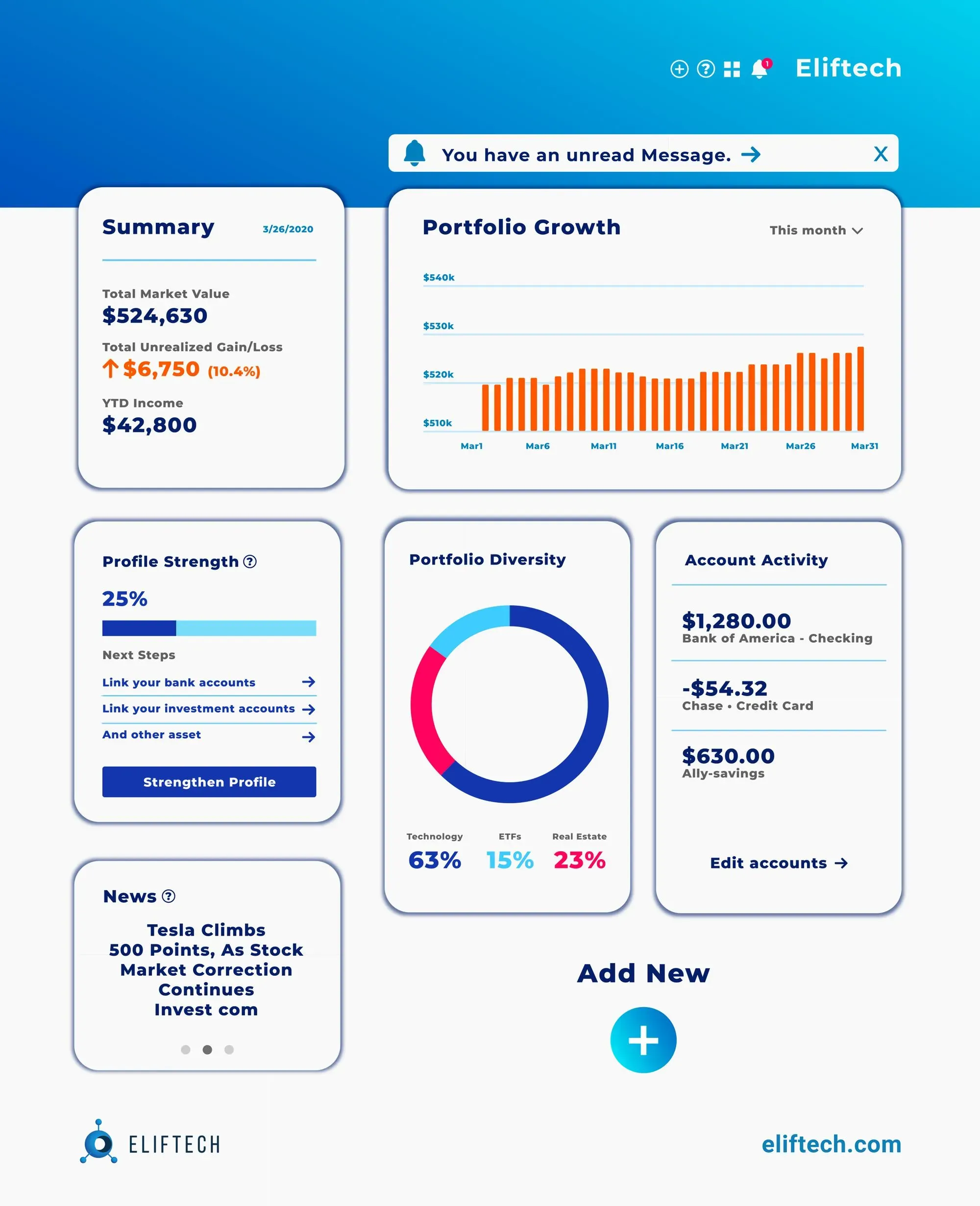
A personal finance example for everyday budgeting involves assigning every dollar of your monthly income to a specific category until the remaining balance is zero. This "Zero-Based Budget" ensures that all income is intentionally directed toward expenses, savings, or debt repayment, preventing mindless spending and providing a clear map for your financial health.
The Philosophy of Intentional Budgeting in 2026
In 2026, the landscape of personal finance has shifted significantly toward digital automation and real-time tracking. However, the fundamental principle of budgeting remains the same: you must control your money, or it will control you. Everyday budgeting is not about restriction; it is about prioritization. By using a concrete example like the Zero-Based Budget (ZBB), individuals can move away from "vague awareness" of their bank balance toward a strategy that builds long-term wealth.
The Zero-Based Budgeting method was popularized by various financial educators but remains the gold standard for everyday use because it accounts for the "leaks" in a typical household's finances. In a digital economy where micro-subscriptions and frictionless mobile payments are the norm, failing to account for every dollar often leads to a phenomenon known as "lifestyle creep," where expenses rise automatically to meet income.
Why the Zero-Based Method Works
The ZBB method works because it forces a proactive decision for every cent you earn. Unlike the 50/30/20 rule, which offers broad percentages, the Zero-Based approach requires you to look at your actual bills, your actual habits, and your actual goals. If you have $100 left over after paying your bills and funding your fun, that $100 must be assigned a "job"—whether it is an extra payment on a car loan or a contribution to a high-yield savings account.
A Comprehensive Example: Sarah’s Monthly Budget
To understand how this works in practice, let’s examine a personal finance example for a single professional named Sarah living in a mid-sized city. Sarah earns a net (after-tax) monthly income of $5,000.
In a Zero-Based Budget, Sarah must allocate all $5,000. Her goal is to ensure that her total income minus her total expenses equals exactly zero.
Income Allocation Breakdown
- Total Monthly Income: $5,000
1. Essential Fixed Expenses (The "Needs")
These are the non-negotiables. In 2026, housing and utilities remain the largest portion of most budgets.
- Rent/Mortgage: $1,700
- Utilities (Electricity, Water, Trash): $180
- Internet and Mobile Data: $120
- Insurance (Health, Renter’s, Auto): $350
- Transportation (Public transit pass or Car maintenance/Fuel): $300
- Subtotal: $2,650
2. Variable Living Expenses
These fluctuate but are necessary for daily life.
- Groceries: $500
- Household Supplies/Toiletries: $100
- Dining Out/Socializing: $300
- Subtotal: $900
3. Financial Goals (The "Future You")
This is where wealth is built. In Sarah’s budget, she prioritizes these before "fun" money.
- Emergency Fund Contribution: $400
- Retirement Account (401k/IRA): $500
- Student Loan Repayment: $300
- Subtotal: $1,200
4. Personal/Lifestyle Expenses (The "Wants")
- Streaming Services/Subscribed Apps: $50
- Gym Membership: $80
- Clothing/Personal Care: $120
- Subtotal: $250
The Final Calculation: $5,000 (Income) - $2,650 (Fixed) - $900 (Variable) - $1,200 (Financial Goals) - $250 (Lifestyle) = $0
In this example, every dollar is working. If Sarah spends less on groceries one month, she doesn't just leave that money in her checking account to be spent elsewhere; she reallocates that surplus to her student loans or emergency fund.
Comparing Budgeting Frameworks
While the Zero-Based Budget is highly effective for detailed tracking, other methods may suit different personality types or financial stages. The following table compares the most common strategies used in 2026.
| Budgeting Method | Primary Goal | Best For | Level of Detail |
|---|---|---|---|
| Zero-Based Budget | Give every dollar a job. | People who want total control and have variable spending habits. | High |
| 50/30/20 Rule | Balanced allocation of Needs, Wants, and Savings. | Beginners looking for a simple, sustainable framework. | Moderate |
| Envelope System | Use cash (or digital envelopes) to prevent overspending. | Those struggling with impulse control or specific category overspending. | High |
| Pay Yourself First | Prioritize savings immediately upon receiving income. | High-earners or those who find detailed tracking tedious. | Low |
| No-Budget Budget | Only track the account balance and ensure it stays above zero. | People with very low expenses relative to high income. | Minimal |
Prerequisites for Successful Everyday Budgeting
Before you can implement the example above, you must complete several foundational steps. Budgeting is an "open-book test" where you need to know your data before you can make decisions.
Accurate Income Tracking
Ensure you are using your net income (the amount that actually hits your bank account) rather than your gross salary. If you are a freelancer or have a side hustle, use a conservative average of your last six months of income to avoid over-allocating funds you may not receive.
Identifying "Phantom" Expenses
In 2026, many consumers fall victim to "subscription creep." These are small, recurring charges for software, media, or delivery services that often go unnoticed. A crucial prerequisite for everyday budgeting is auditing your bank statements for the last 90 days to identify every recurring transaction.
Understanding Sinking Funds
A common mistake in personal finance is only budgeting for monthly expenses. Sinking funds are categories for expenses that occur infrequently, such as annual car registration, holiday gifts, or semi-annual insurance premiums. To budget for these, take the total annual cost and divide it by 12. For example, if your annual car maintenance costs $600, you must budget $50 per month into a sinking fund so the money is there when the mechanic's bill arrives.
Technological Tools for Budgeting in 2026
The methods for tracking an everyday budget have evolved. While a simple spreadsheet remains effective, many individuals now use AI-integrated tools to simplify the process.
- Open Banking Integration: Most modern budgeting apps now use secure APIs to pull real-time data from your bank accounts. This eliminates the need for manual entry, which was the primary reason budgets failed in the past.
- Predictive Analysis: AI tools can now look at your spending patterns and warn you if you are on track to exceed your grocery budget by the 20th of the month.
- Automated Micro-Savings: Some platforms link your budget to your savings account, automatically moving "unspent" money at the end of the month into a high-yield vehicle.
Regardless of the technology, the user's behavior remains the most critical variable. Technology can track the money, but only the individual can decide to stop spending when a category limit is reached.
Common Budgeting Mistakes and Troubleshooting
Even with a perfect example to follow, challenges will arise. Personal finance is rarely a straight line.
Overcomplicating Categories
One of the most frequent errors is creating too many categories. If you have separate categories for "Coffee Shops," "Lunch at Work," and "Dinner Out," you may find the budget too cumbersome to maintain. Instead, group these under a broader "Dining Out" category. Simplicity increases the likelihood of long-term adherence.
Forgetting the "Buffer"
No month is perfectly predictable. A successful everyday budget includes a "Miscellaneous" or "Buffer" category—usually around $50 to $100—to catch the small things you forgot, such as a child’s school field trip fee or a broken household item.
The "All or Nothing" Fallacy
If you overspend in one category, do not abandon the budget for the rest of the month. Use the "flex" method: if you spent $50 too much on clothes, find $50 to cut from your "Dining Out" or "Wants" categories to balance the books. The goal of a Zero-Based Budget is to stay at zero, even if the path to get there changes mid-month.
FAQ: Personal Finance and Budgeting
Is the Zero-Based Budgeting method too time-consuming for everyday use?
While it requires more initial setup than other methods, digital tools in 2026 have significantly reduced the time investment. Once your categories are established, daily maintenance usually takes less than five minutes. The benefit of total financial clarity usually far outweighs the small time cost.
How do I budget if my income changes every month?
For variable income, use the "Baseline Method." Calculate the minimum amount you earn in your worst month and build your "Needs" budget around that. Any income earned above that baseline can be allocated to "Wants" or "Savings" as it arrives, following a prioritized list of goals.
Should I prioritize paying off debt or saving for an emergency?
Most financial experts recommend a hybrid approach. First, save a small "starter" emergency fund of $1,000 to $2,000 to prevent new debt when emergencies occur. Once that is in place, focus aggressively on high-interest debt (like credit cards) while paying only the minimums on low-interest debt (like some student loans or mortgages).
How often should I review my budget?
A budget is a living document. You should check your spending against your limits at least once a week. Additionally, perform a "Month-End Review" to see where you overspent and adjust your category allocations for the following month based on those insights.
What is the best way to handle large, one-time windfalls like a tax refund?
Windfalls should be treated with the same Zero-Based logic as your monthly income. Before the money hits your account, decide exactly where it will go. A common "rule of thumb" is the 70/30 split: 70% toward financial goals (debt/savings) and 30% for a "want" or treat to prevent burnout.
Practical Next Steps for Your Budget
To move from theory to practice, start by documenting your spending for the last 30 days. Use this data to fill in the categories mentioned in the Sarah example. If you find that your expenses exceed your income, you have two choices: reduce your variable spending (the "Wants") or find ways to increase your income.
The most important step is to start before you feel ready. A budget does not have to be perfect in its first month; it simply needs to exist. Over time, you will refine your categories and your spending habits will align with your long-term values.
Notice: This article provides general financial information and should not be considered professional financial advice. For specific guidance regarding your unique financial situation, consult with a certified financial planner or tax professional.