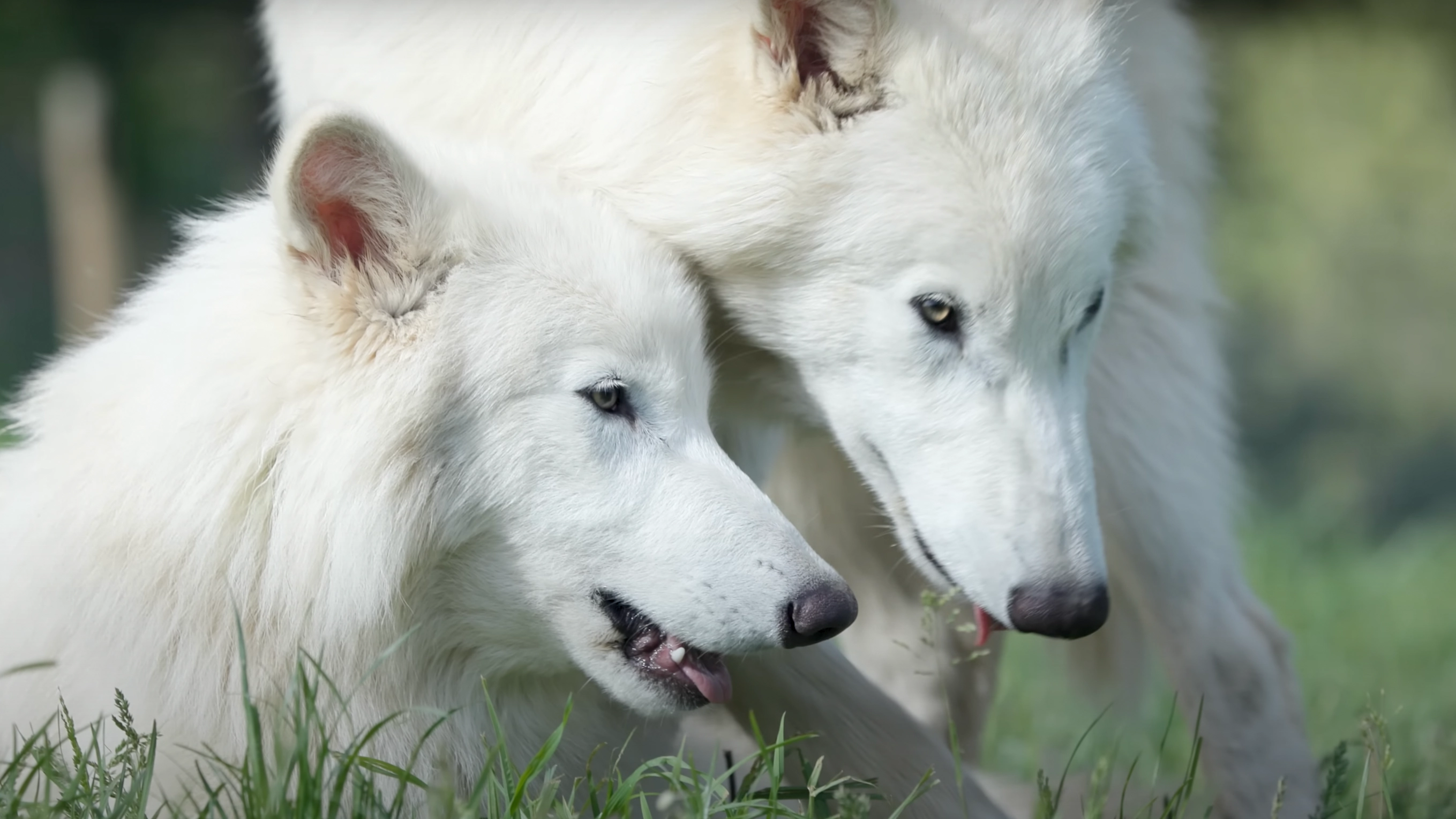
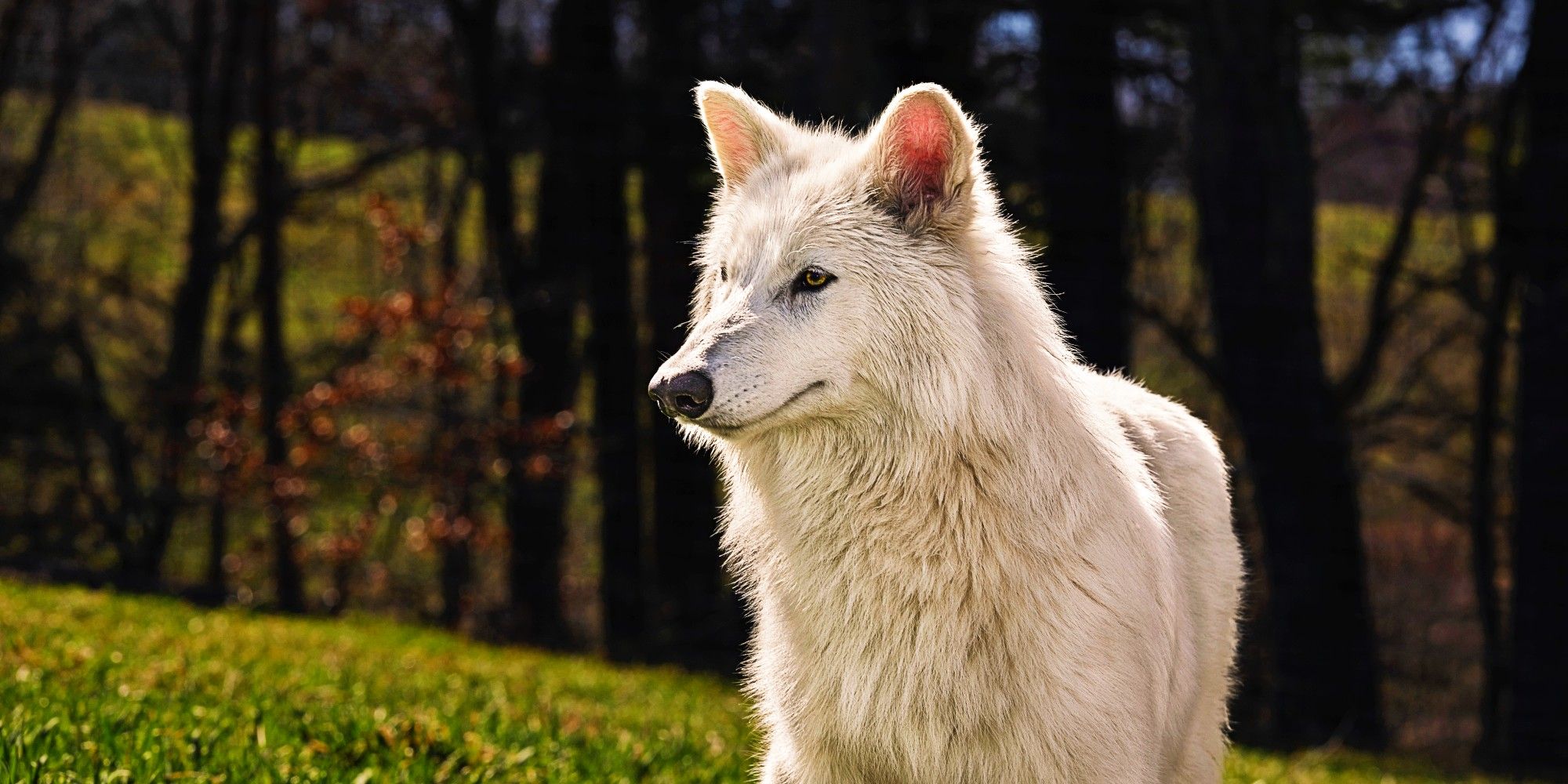
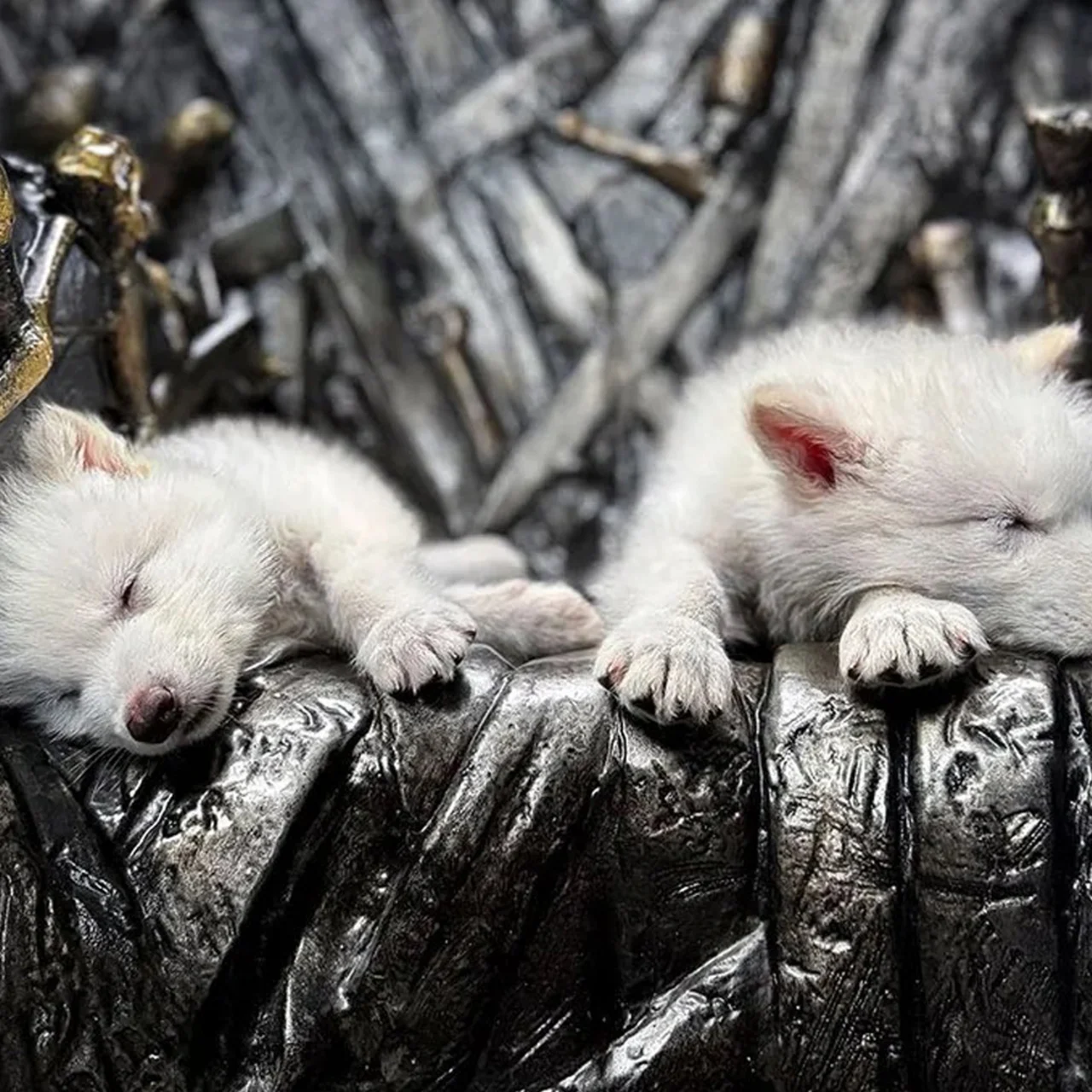
No, dire wolves are not back from extinction. They remain biologically extinct, having vanished approximately 13,000 years ago during the Quaternary extinction event. While modern dog breeds have been developed to mimic their appearance and genetic research has clarified their unique lineage, a living Aenocyon dirus does not exist today.
The question of whether dire wolves are back from extinction often stems from a confusion between three distinct things: the actual prehistoric predator (Aenocyon dirus), modern dog breeding projects aimed at recreating their "look," and the frequent appearance of these animals in popular culture. As of 2026, scientific efforts in de-extinction have focused primarily on species like the woolly mammoth and the thylacine, leaving the dire wolf as a subject of paleontology rather than active resurrection.
The Identity of the Dire Wolf: More Than Just a Large Gray Wolf
For decades, the public and many scientists assumed that dire wolves were simply larger, more robust versions of the modern gray wolf (Canis lupus). This assumption was so prevalent that the species was named Canis dirus. However, a landmark genomic study published in the journal Nature in 2021 fundamentally altered our understanding of this animal.
The research, which involved sequencing the DNA of five dire wolf fossils ranging from 13,000 to 50,000 years old, revealed that dire wolves were not closely related to gray wolves at all. Instead, they represented a highly distinct lineage that split from the ancestors of gray wolves and coyotes roughly 5.7 million years ago. This discovery led to the reclassification of the species into its own genus: Aenocyon, meaning "terrible wolf."
This genetic isolation is a critical reason why dire wolves are not "back." Because they are so evolutionarily distant from modern wolves, they cannot naturally "re-evolve" from existing wolf populations. They were a unique evolutionary experiment in the Americas that reached a dead end at the close of the Pleistocene.
The Dire Wolf Project: Why People Think They Are Back
The most common source of the rumor that "dire wolves are back" is the Dire Wolf Project, a dedicated breeding program that began in the 1980s. This project, managed by the National American Alsatian Breeder's Association, aims to create a domestic dog that physically resembles the prehistoric dire wolf as it appears in the fossil record.
The result of this project is the American Alsatian. These dogs are bred for specific physical traits, including:
- Large Stature: They are significantly larger and heavier than most standard German Shepherds or Siberian Huskies.
- Bone Density: Selection focuses on heavier bone structures to mimic the robust skeleton of Aenocyon dirus.
- Coloration: Breeders select for coat patterns that reflect the "wild" appearance found in late Pleistocene predators.
- Temperament: Unlike their prehistoric namesakes, these dogs are bred specifically to be companion animals with low prey drives and calm dispositions.
While the Dire Wolf Project is successful in creating a dog that looks like a prehistoric predator, these animals are 100% domestic dogs (Canis familiaris). They share no more DNA with the extinct dire wolf than a Chihuahua or a Poodle does. The project is an exercise in "phenotypic reconstruction"—recreating a look—rather than biological de-extinction.
De-Extinction Science in 2026: Is Resurrection Possible?
As of 2026, the field of de-extinction has moved from science fiction toward experimental reality, but the dire wolf is not currently at the front of the line. Organizations like Colossal Biosciences have made significant strides in gene-editing technologies, specifically using CRISPR to insert extinct traits into the genomes of living relatives.
To bring a dire wolf back, scientists would face several insurmountable hurdles:
- DNA Quality: Most dire wolf remains are found in temperate or warm climates, such as the La Brea Tar Pits in Los Angeles. Unlike the frozen permafrost of Siberia, which has preserved woolly mammoth DNA remarkably well, these warmer environments cause DNA to degrade rapidly. While scientists have sequenced parts of the dire wolf genome, they lack the complete, high-quality "blueprint" required for cloning or comprehensive gene editing.
- The Lack of a Close Relative: For de-extinction to work, you generally need a "surrogate" species that is closely related enough to carry the embryo or provide a genetic scaffold. The 2021 study proved that gray wolves are too distantly related to serve as easy genetic hosts. The "evolutionary gap" of nearly 6 million years is a massive barrier.
- Ecological Concerns: Reintroducing a hyper-carnivore into the modern world poses significant ethical and environmental risks. The ecosystems of the Pleistocene—filled with giant sloths, horses, and camels—no longer exist in North America. A resurrected dire wolf would have no natural niche to fill.
Anatomy and Capability: Dire Wolf vs. Modern Wolf
To understand why the dire wolf remains a subject of fascination, one must look at its actual physical capabilities compared to the wolves we see today. The dire wolf was built for power, not necessarily for speed or long-distance endurance.
| Feature | Dire Wolf (Aenocyon dirus) | Gray Wolf (Canis lupus) | American Alsatian (The "Project") |
|---|---|---|---|
| Average Weight | 130–150 lbs (up to 200 lbs) | 80–110 lbs | 85–120 lbs |
| Bite Force | Extremely High (Bone-crushing) | Moderate (Shearing) | Domestic Dog levels |
| Primary Diet | Megafauna (Bison, Horses) | Ungulates (Deer, Elk) | Commercial Dog Food |
| Limbs | Shorter, stockier | Long, built for running | Balanced for companionship |
| Status | Extinct | Extant (Living) | Extant (Domestic) |
The dire wolf had roughly 129% the bite force of a modern gray wolf. Its teeth were adapted for "hypercarnivory," meaning its diet consisted almost entirely of meat, and it likely specialized in taking down large, slow-moving prey that was common during the Ice Age.
Why the Dire Wolf Went Extinct
The disappearance of the dire wolf around 13,000 years ago was part of a larger ecological collapse. As the climate warmed at the end of the last glacial period, the "mammoth steppe" environment shifted. This led to the extinction of the "megafauna"—the giant animals that dire wolves relied on for food.
While gray wolves survived by being generalists—eating smaller prey like deer and rabbits and being able to travel long distances quickly—the dire wolf was a specialist. Its heavy build and reliance on large herbivores became a liability when those herbivores vanished. Furthermore, competition with humans and modern gray wolves, who were moving into North America from Eurasia, likely pushed the already struggling Aenocyon dirus over the edge.
Misidentifications in the Wild
In 2026, reports of "dire wolf sightings" continue to surface in rural areas of the United States and Canada. These are almost always cases of misidentification. Several factors contribute to these sightings:
- Bergmann’s Rule: This biological principle states that populations of a species tend to be larger in colder environments. Gray wolves in the far north (such as the Northwestern Wolf) can reach weights of 130–150 lbs, which rivals the size of an average dire wolf.
- Black Wolves: Melanistic (black-furred) gray wolves often appear more intimidating and "prehistoric" to the untrained eye, leading to claims of seeing something "other" than a standard wolf.
- Wolf-Dog Hybrids: High-content wolf-dogs can exhibit unusual sizes and behaviors that differ from wild wolves, leading to local legends of prehistoric beasts.
The Cultural Impact of Game of Thrones
It is impossible to discuss the "return" of the dire wolf without mentioning the cultural phenomenon of Game of Thrones. The show featured "direwolves" as a semi-magical species. This spiked public interest and led to an unfortunate trend of people purchasing "wolf-like" dogs (like Huskies and Malamutes) and then abandoning them when they realized the animals did not behave like the loyal, trained creatures on television.
The show used Northern Inuit Dogs and CGI to represent the animals. This media saturation is the primary reason the search term "are dire wolves back" remains popular; fans of the series are often looking for news that the animal has been found or brought back to life.
Frequently Asked Questions
Can I buy a dire wolf in 2026?
No, you cannot buy a prehistoric dire wolf. You can, however, purchase an American Alsatian from breeders associated with the Dire Wolf Project. These dogs are bred to look like the extinct predator but are gentle, domestic pets. They are not genetically dire wolves.
Has any dire wolf DNA been found?
Yes, scientists have successfully extracted and sequenced mitochondrial and nuclear DNA from dire wolf remains found in various locations, including the La Brea Tar Pits and Wyoming. This DNA is what allowed researchers to confirm that the dire wolf belongs to the genus Aenocyon.
Is there a difference between a dire wolf and a timber wolf?
Yes, a significant one. A timber wolf is a subspecies of the gray wolf (Canis lupus) and is a living animal. The dire wolf (Aenocyon dirus) is an extinct species that was heavier, had a stronger bite, and was not closely related to the timber wolf.
Are there any dire wolf clones?
As of 2026, there are no clones of dire wolves. Cloning requires a preserved, living-quality cell or a perfectly intact genome and a closely related surrogate mother, neither of which currently exist for the dire wolf.
Where can I see a "real" dire wolf?
The best place to see a dire wolf is at the Page Museum at the La Brea Tar Pits in Los Angeles. They house the world's largest collection of dire wolf fossils, including a massive wall displaying hundreds of dire wolf skulls.
Summary of Current Status
While the dire wolf is not back from extinction, our understanding of it has never been more "alive." Through advanced genomics, we have discovered that it was a unique, American predator that stood alone on its evolutionary branch. While you might see a large, wolf-like dog walking down a city street in 2026, it is a product of modern selective breeding, not a survivor of the Ice Age.
If you are interested in the "spirit" of the dire wolf, your best course of action is to support paleontological research or consider the American Alsatian as a pet—just remember that the latter is a companion dog, not a prehistoric hunter.