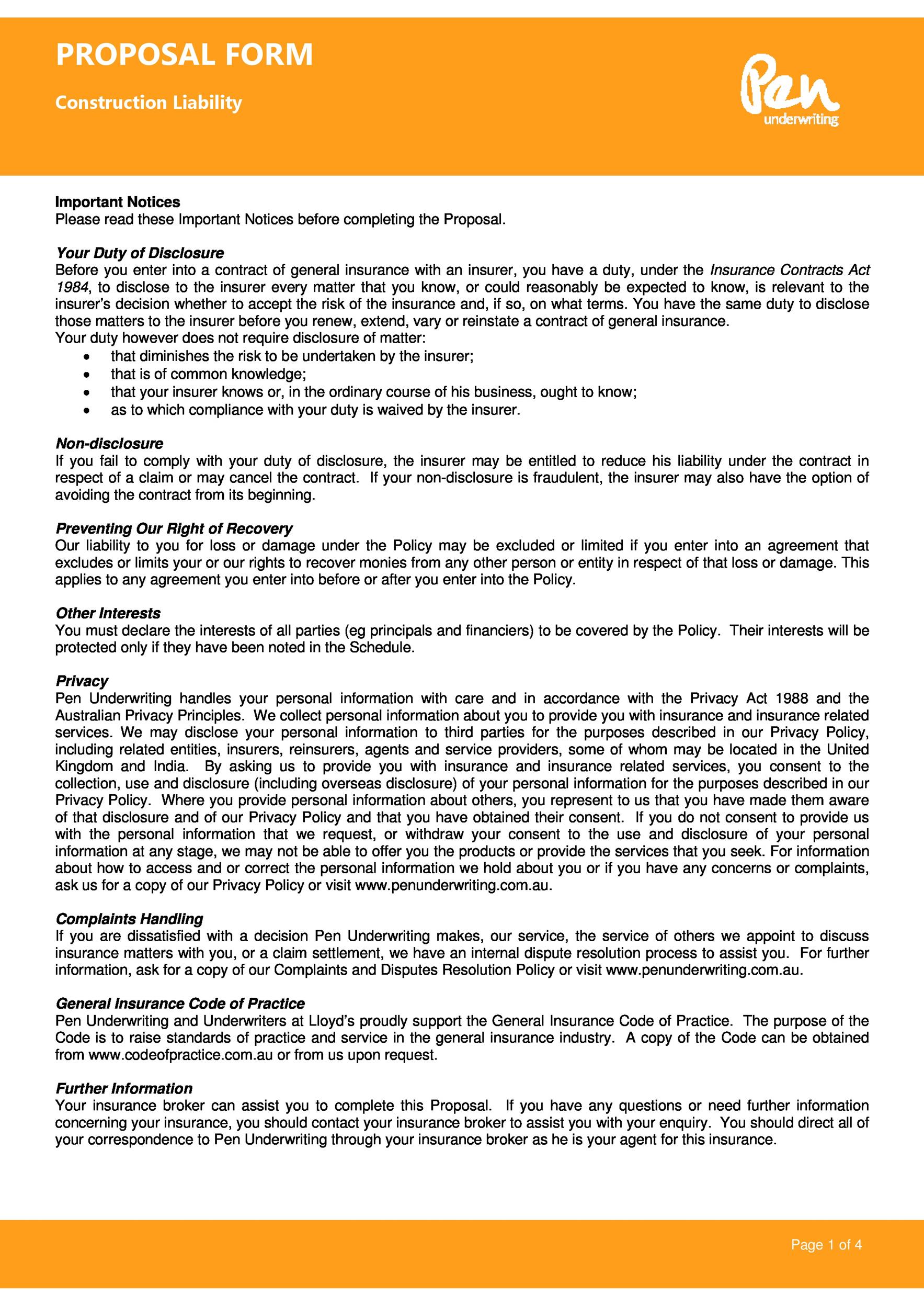
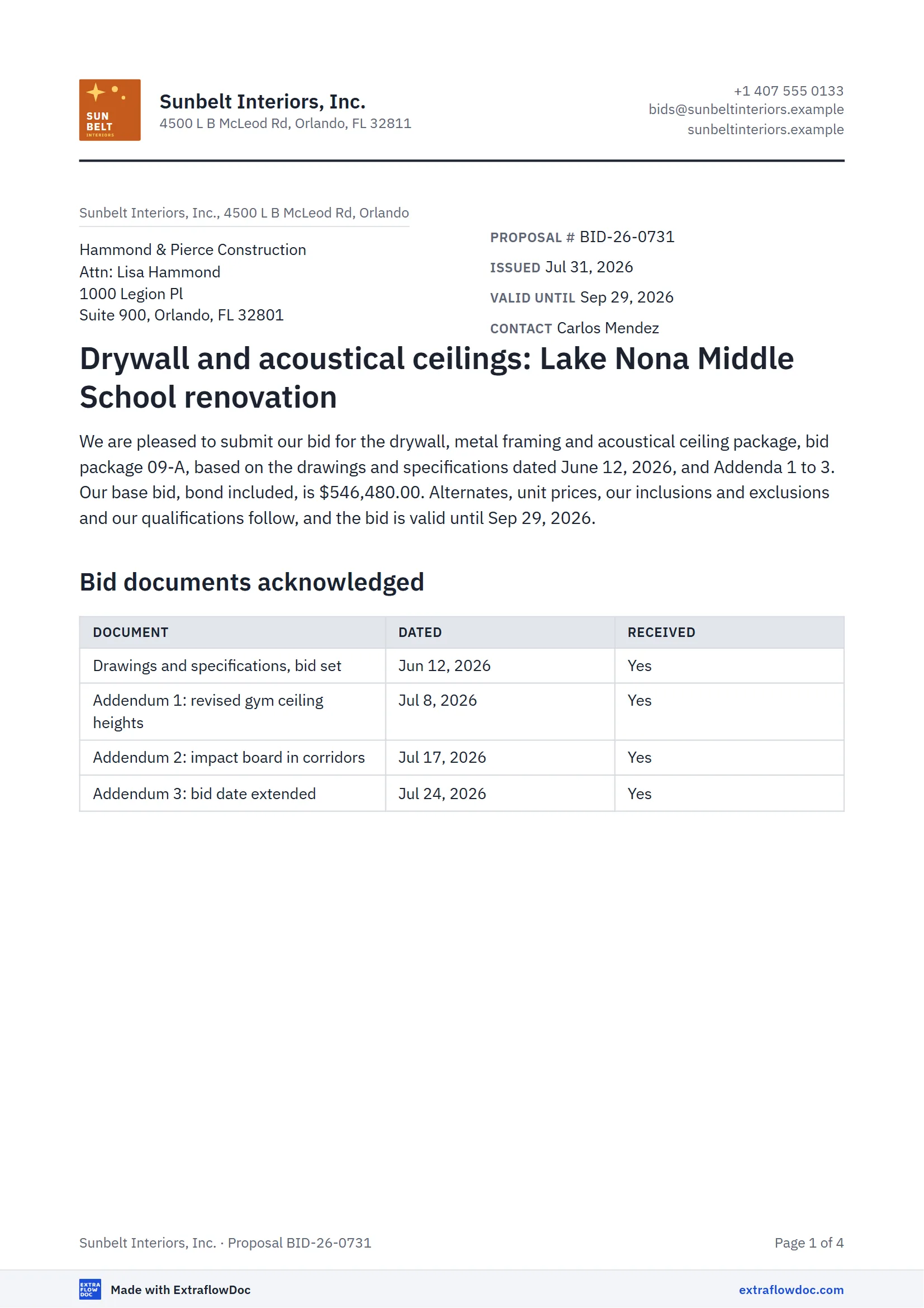
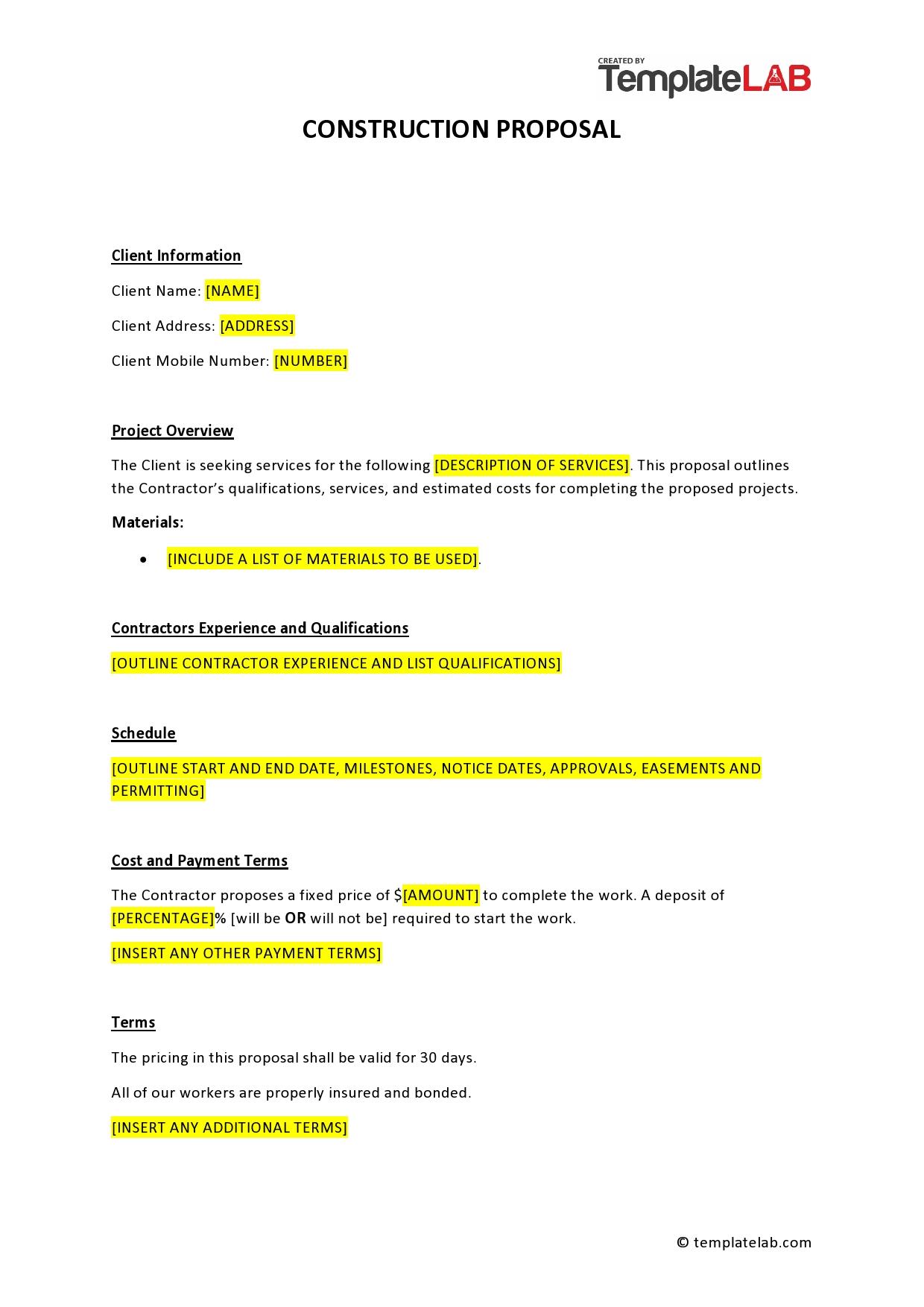
A construction bid proposal sample is a professional document that outlines a contractor’s offer to complete a specific project for a set price, within a defined timeline, and under specific conditions. It serves as a formal response to an Invitation to Bid (ITB) or Request for Proposal (RFP), detailing the scope of work, material costs, and labor requirements.
In the competitive landscape of 2026, a construction bid proposal is no longer just a simple price quote; it is a sophisticated marketing and legal document. It acts as the first impression a contractor makes on a developer or project owner, and if accepted, it often forms the basis of the final legal contract. Whether you are a general contractor, a specialized subcontractor, or a project owner reviewing submissions, understanding the nuances of a high-quality bid proposal is essential for project success and risk mitigation.
The Strategic Importance of a Detailed Bid Proposal
The construction industry relies heavily on the accuracy of the bidding process. A well-constructed proposal does more than just state a number; it demonstrates the contractor's understanding of the project’s complexities. By 2026, the industry has seen a significant shift toward integrated project delivery and transparent cost models, making the clarity of a bid proposal more critical than ever.
When a contractor provides a sample bid proposal, they are essentially providing a roadmap. This roadmap must account for volatile material costs—driven by global supply chain shifts—and the increasing demand for sustainable building practices. A proposal that lacks detail often leads to "change order" friction later in the project, which can damage reputations and lead to legal disputes. Therefore, a comprehensive sample must include technical specifications, site-specific challenges, and a clear breakdown of responsibilities.
Key Components of a Construction Bid Proposal Sample
A professional bid proposal is structured logically to guide the reader from the high-level project vision down to the granular financial details. To ensure a proposal is competitive and legally sound, it should contain the following elements.
1. Project Information and Contact Details
The header of the document must clearly identify the project name, location, and the parties involved. This includes the legal name of the contracting company, license numbers, and contact information for the primary point of contact. In 2026, it is standard practice to include digital credentials or QR codes that link to the contractor’s portfolio or safety certifications.
2. Comprehensive Scope of Work
This is arguably the most important section. The scope of work (SOW) defines exactly what the contractor will do. It should be categorized using industry standards, such as the CSI MasterFormat, to ensure that every trade—from site preparation to finishes—is accounted for. A vague SOW is a primary cause of project failure. For example, instead of saying "install flooring," a detailed bid would specify "installation of 2,000 sq. ft. of Grade A white oak engineered hardwood, including subfloor preparation and moisture barrier."
3. Exclusions and Clarifications
What the contractor will not do is just as important as what they will do. The "Exclusions" section protects the contractor from being held responsible for tasks that were not budgeted. Common exclusions include hazardous material remediation, permit fees (if the owner is handling them), or unforeseen subsurface conditions. Clarifications help set expectations regarding site access, electricity usage, and waste removal.
4. Cost Breakdown and Payment Schedule
While the "bottom line" number is what owners look at first, a detailed breakdown builds trust. This section should separate labor, materials, equipment rentals, and overhead. Given the economic climate of 2026, many proposals now include "escalation clauses" for materials like steel or specialized semiconductors used in smart-building systems. The payment schedule should outline the down payment, progress payments (often tied to milestones), and the final retainage.
5. Project Timeline and Milestones
A bid must provide a realistic estimation of the project duration. This includes a start date, key milestones (such as "dried-in" or "substantial completion"), and the final delivery date. Modern proposals often include a preliminary Gantt chart or a link to a digital twin simulation showing the projected construction sequence.
Comparative Analysis of Construction Bid Types
Choosing the right bid format depends on the project's complexity and the owner's risk tolerance. The following table compares the most common bid structures used in the industry today.
| Bid Type | Description | Best For | Risk Level |
|---|---|---|---|
| Lump Sum (Fixed Price) | A single total price for all work described. | Residential and well-defined commercial projects. | High for Contractor |
| Cost-Plus | Owner pays for actual costs plus a pre-negotiated fee. | Projects with high uncertainty or complex designs. | High for Owner |
| Unit Price | Costs are based on estimated quantities of specific items. | Infrastructure and heavy civil engineering. | Balanced |
| Guaranteed Maximum Price (GMP) | The contractor is reimbursed for costs plus a fee, up to a cap. | Large commercial developments. | Shared |
Technical Requirements and Digital Integration in 2026
The construction bid proposal sample of 2026 is often a digital-first document. Technical depth is no longer optional; it is a requirement for high-value contracts. Contractors are now integrating Building Information Modeling (BIM) data directly into their bids.
BIM and Virtual Design Construction (VDC)
Advanced proposals include a "BIM Execution Plan" summary. This demonstrates that the contractor can work within a shared digital environment, reducing clashes between trades (e.g., plumbing vs. electrical) before a single brick is laid. When reviewing a sample proposal, look for mentions of "Level of Development" (LOD) to understand the precision of the digital models being used.
Sustainability and ESG Reporting
Environmental, Social, and Governance (ESG) criteria are now standard in construction bidding. A competitive bid proposal sample in 2026 will include a section on sustainability. This might detail the carbon footprint of the materials used, waste diversion plans, and the use of energy-efficient machinery. Projects seeking LEED or WELL certification require specific documentation at the bid stage to ensure the project goals are attainable.
Autonomous and Robotic Labor
With the labor shortages of the mid-2020s, many contractors have turned to robotics for repetitive tasks like layout, masonry, or site surveillance. A forward-thinking bid proposal will specify the use of autonomous equipment, which can often lead to lower labor costs and higher precision, though it may involve different insurance and safety protocols.
Steps to Creating a Winning Bid Proposal
Drafting a proposal requires a blend of engineering precision and persuasive writing. Follow these steps to ensure your proposal stands out.
- Thorough Site Inspection: Never bid on a project without a site visit. Unseen factors like soil stability, drainage issues, or limited access for heavy machinery can instantly turn a profitable bid into a loss.
- Detailed Quantity Takeoff: Use digital takeoff software to calculate exactly how much material is needed. Errors here are the most common reason for bid discrepancies.
- Solicit Subcontractor Quotes: If you are a general contractor, ensure your subcontractors provide firm, written quotes that align with your project timeline.
- Review Insurance and Bonding: Verify that your insurance coverage meets the project’s requirements. Many commercial projects in 2026 require specific cyber-insurance if smart-building systems are being installed.
- Drafting the Proposal: Use a clean, professional template. Avoid jargon that the project owner might not understand, but provide enough technical detail to satisfy their engineers or architects.
- The Follow-Up: A bid is rarely a "set it and forget it" document. Be prepared to answer questions and adjust the proposal as the owner’s needs evolve during the review phase.
Common Pitfalls to Avoid in Construction Bidding
Even experienced firms can make mistakes that lead to rejected bids or financial loss. One of the most frequent errors is underestimating overhead. Beyond labor and materials, a contractor must account for fuel, office support, software licenses, and equipment maintenance. Failing to factor in these "hidden" costs erodes profit margins.
Another pitfall is ambiguous language. Terms like "standard quality" or "as needed" are invitations for disputes. Always use specific measurements, brand names, or model numbers where possible. Additionally, failing to acknowledge "Addenda"—which are changes made to the bid documents by the owner before the deadline—can result in an automatic disqualification.
Finally, ignore the bid deadline at your peril. In 2026, most government and large-scale commercial bids are submitted via encrypted portals that lock automatically at the deadline. A submission that is even one second late is typically rejected without review.
Frequently Asked Questions
What is the difference between an estimate and a bid proposal?
An estimate is an informal calculation of the likely costs of a project, used for budgeting and preliminary planning. A bid proposal is a formal, binding document that includes a firm price, a specific scope of work, and terms and conditions. While an estimate can change as the project evolves, a bid proposal is intended to be the basis of a legal contract.
Should I always choose the lowest bid?
Not necessarily. The lowest bid may be the result of a contractor missing part of the scope of work, using inferior materials, or underestimating the project’s complexity. Project owners should look for the "best value," which considers the contractor's experience, safety record, and the thoroughness of their proposal alongside the price.
How can I verify the accuracy of a bid proposal?
Cross-reference the quantities listed in the bid with the architectural drawings and engineering reports. If one contractor’s material costs are significantly lower than others, ask them to explain their sourcing. Additionally, check references and past performance on projects of similar scale and complexity.
What are "escalation clauses" in 2026 bids?
Escalation clauses are provisions in a bid that allow for price adjustments if the cost of specific materials (like timber, steel, or fuel) increases beyond a certain percentage during the project. These are common in 2026 to protect contractors from the price volatility seen in global markets over the past few years.
Is a digital signature legally binding on a bid proposal?
Yes, in almost all jurisdictions, digital signatures are legally binding and are the preferred method of signing in 2026. Platforms like DocuSign or Adobe Sign provide an audit trail that is often more secure than traditional paper signatures. However, always ensure the platform used complies with local laws, such as the ESIGN Act in the United States or eIDAS in the European Union.
Practical Recommendations for Success
When preparing or reviewing a construction bid proposal sample, focus on transparency. For contractors, this means providing enough detail that the owner feels confident in your expertise. For owners, it means providing clear, unambiguous bid documents so that contractors can provide accurate pricing.
If you are just starting, utilize industry-standard templates provided by organizations like the American Institute of Architects (AIA) or the Associated General Contractors of America (AGC). These templates have been vetted by legal and industry experts to ensure they cover the necessary protections for all parties involved. In 2026, the key to a successful bid is the marriage of traditional construction wisdom with modern digital precision.