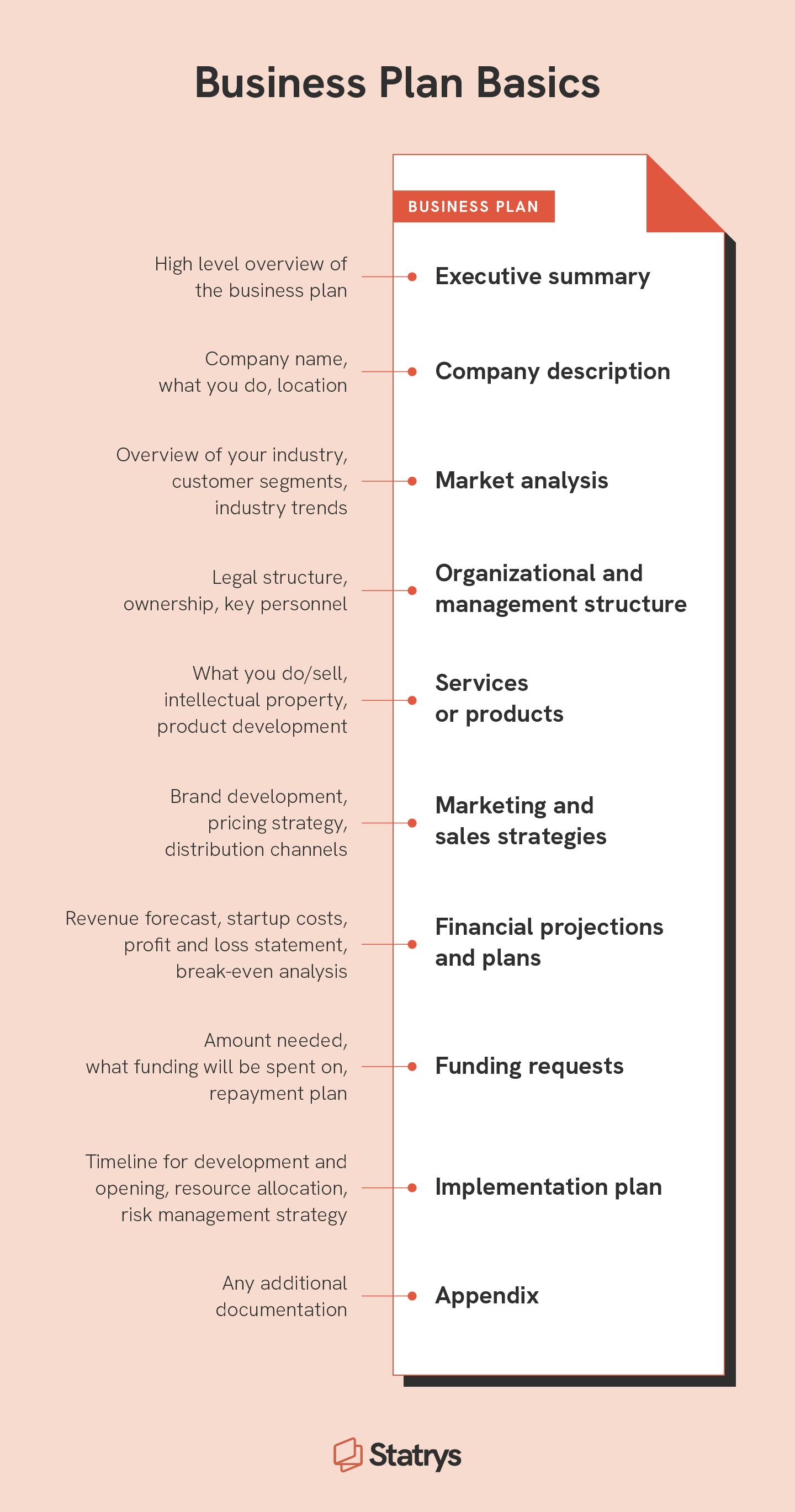
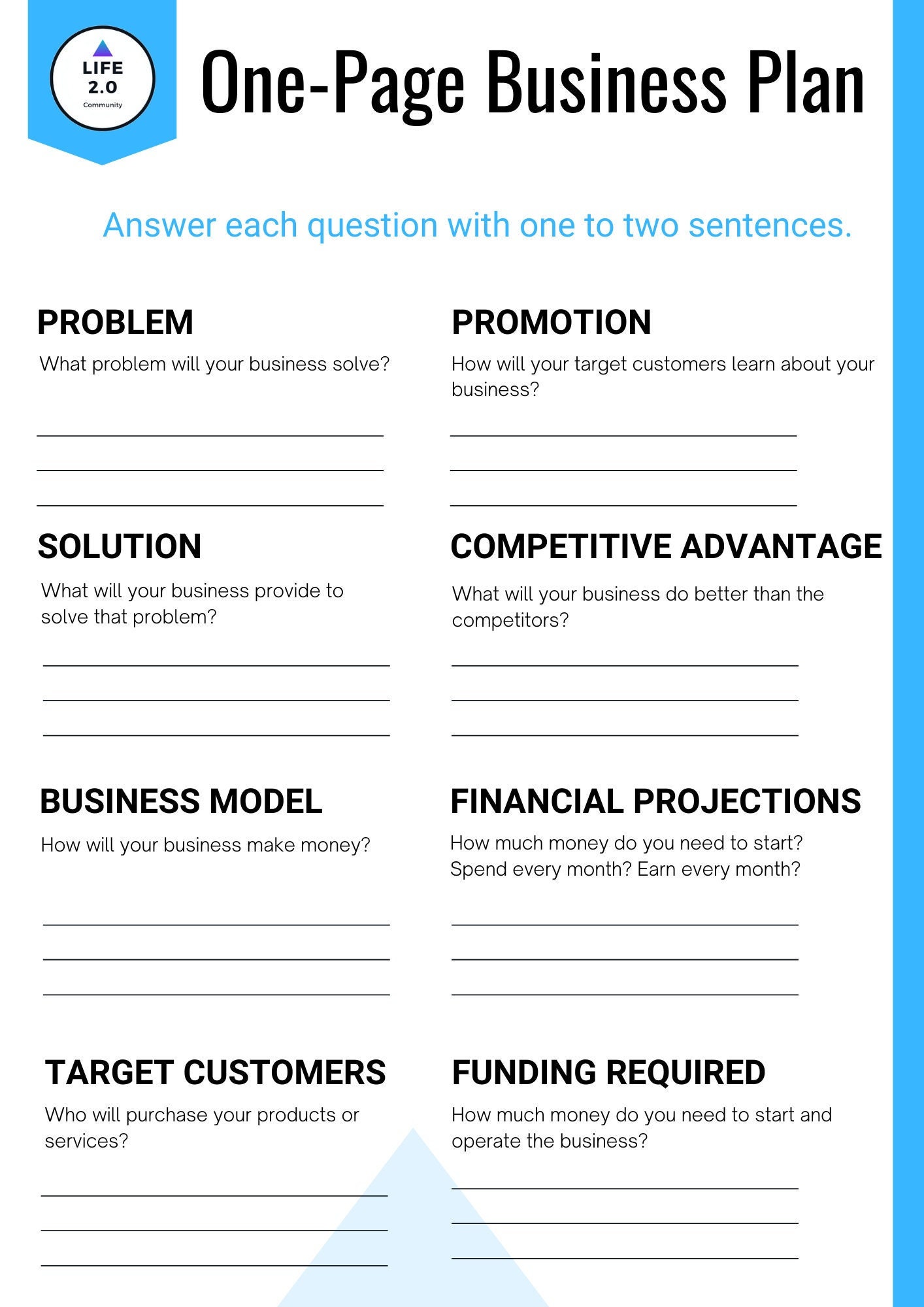
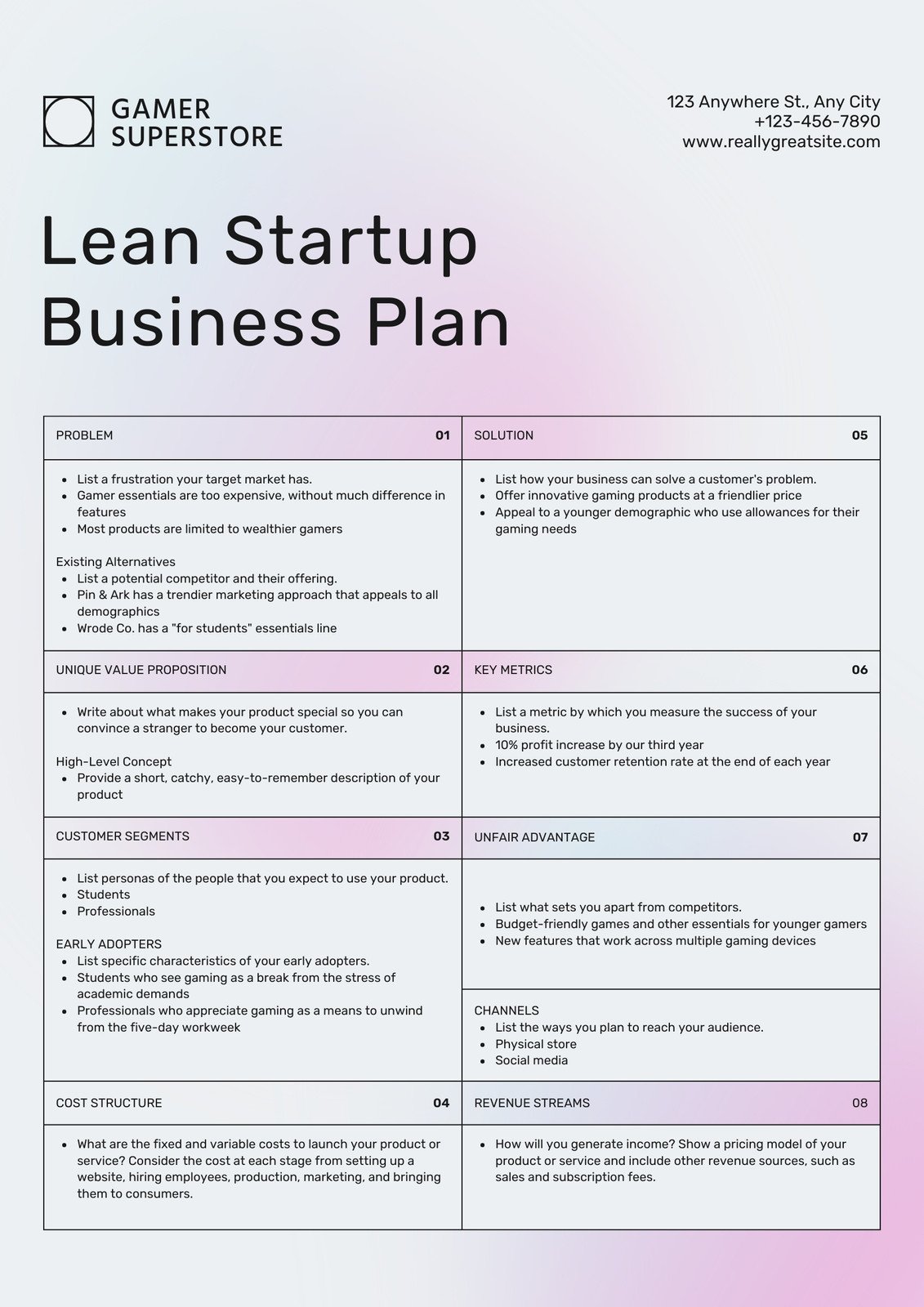
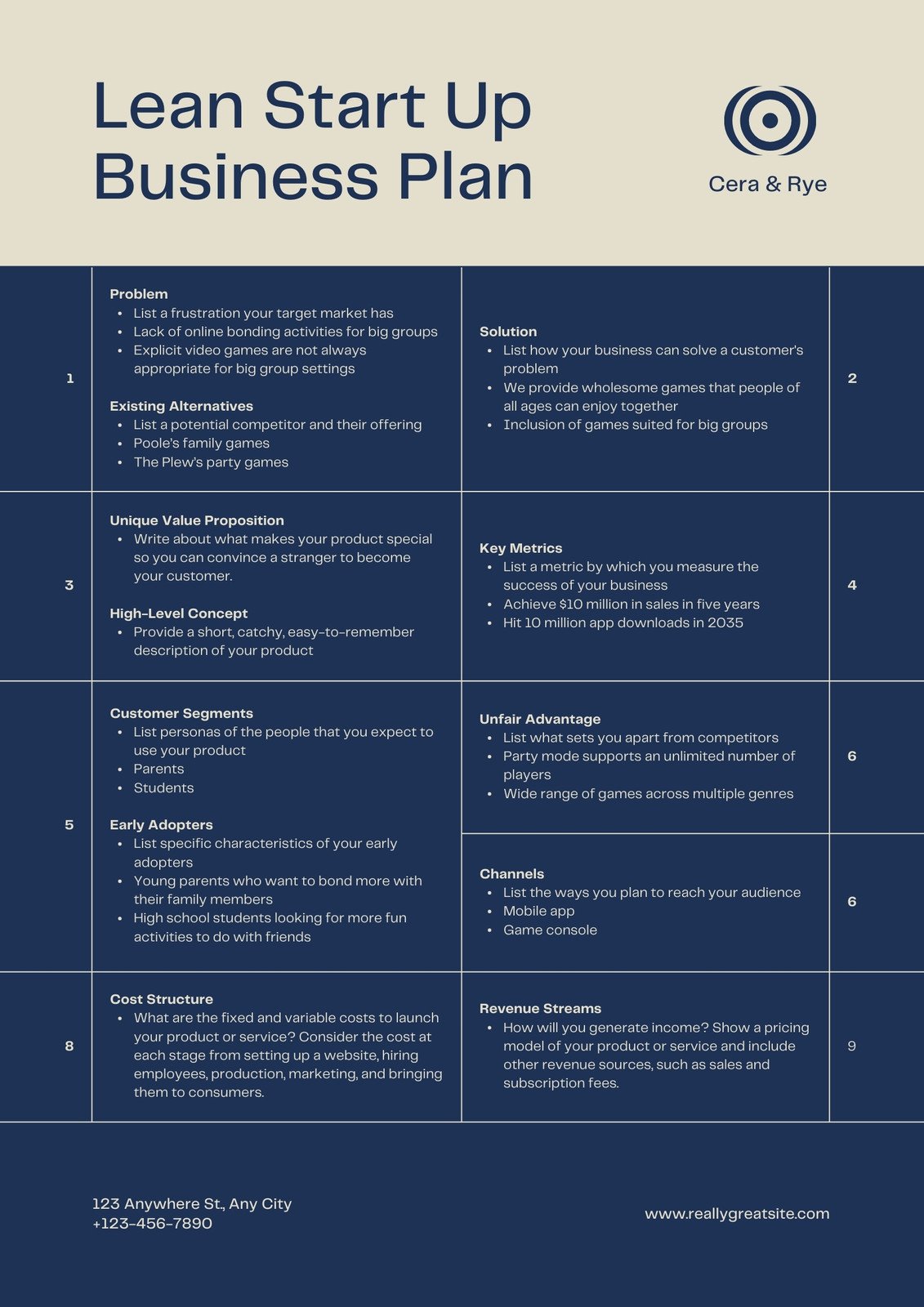
A business plan for teens is a simplified yet structured roadmap that outlines a young entrepreneur’s goals, target market, and financial strategy. It serves as a blueprint to transform a hobby or creative idea into a professional venture, helping the teen secure parental support, manage school-life balance, and track their path toward real-world profitability.
Why Teens Need a Formal Business Plan in 2026
Entrepreneurship has evolved significantly by 2026. With the proliferation of no-code platforms, AI-driven marketing tools, and global social commerce, the barrier to entry for young people has never been lower. However, the ease of starting a business also means competition is higher. A formal business plan is no longer just "homework"; it is a competitive advantage.
For a teenager, a business plan functions as a proof of concept. When a minor approaches a parent for a loan, or a local bank for a specialized youth account, a written plan demonstrates maturity and due diligence. It moves the project from the "side-hustle" category into a legitimate learning experience that builds resume-worthy skills like financial literacy, strategic thinking, and project management. Furthermore, it forces the entrepreneur to confront the "how" before spending money on the "what," potentially saving hundreds of dollars in avoidable mistakes.
The Executive Summary: Your Elevator Pitch
The executive summary is the most critical part of the document, even though it is typically written last. It provides a high-level overview of the entire business. For a teen entrepreneur, this section should answer one primary question: What problem are you solving?
In this section, keep the language clear and concise. If you are starting a 3D-printing service for custom tabletop gaming miniatures, your summary should highlight the gap in the current market (long shipping times or high costs from major manufacturers) and how your local, tech-forward approach solves it.
Even at a young age, you must define your "Value Proposition." This is the unique benefit a customer gets from you that they cannot get elsewhere. Perhaps it is your perspective as a member of Gen Z or Gen Alpha, your specialized technical skills, or your ability to offer lower prices due to lower overhead.
Identifying Your Target Market and Competition
Understanding who will actually pay for your product is the difference between a business and a hobby. Teens often make the mistake of saying "everyone" is their target market. In reality, a successful business plan identifies a specific "Persona."
Market Segmentation
In your plan, divide your potential customers into groups. Are they other students? Are they parents of young children? Or are they local small business owners who need help with social media management? In 2026, hyper-local marketing is often more effective for teens than trying to "go viral" globally. Use local data or school surveys to prove there is a demand for your service.
Competitive Analysis
You must also look at who else is doing what you do. This includes "Direct Competitors" (people selling the exact same thing) and "Indirect Competitors" (people offering an alternative). For example, if you are starting a car-detailing business, your direct competitors are local professional car washes. Your indirect competitor is the customer’s own free time and a garden hose. Explain in your plan why a customer would choose your service over the established professional or the DIY route.
Products, Services, and the Production Process
This section describes exactly what you are selling and how it is created. You should go into technical detail here to show you understand the operational requirements of your craft.
- Sourcing Materials: Where are you getting your supplies? If you are making jewelry, list your suppliers and explain why you chose them (e.g., sustainability, cost, or quality).
- Production Timeline: How long does it take to create one unit or perform one service? This is vital for a teen who must balance business with school hours.
- Scalability: If you suddenly get 50 orders in one week, can you handle it? Your plan should outline a "buffer" strategy, such as hiring a friend or extending delivery times.
In 2026, many teen businesses are service-based or digital. If you are selling a digital product, such as a software plugin or a digital art pack, your production process will focus on the tools you use (like specialized AI-coding assistants or design software) and your quality control measures.
The Marketing and Sales Strategy
A great product is useless if no one knows it exists. Your business plan must detail how you will reach your audience. Since most teens have limited marketing budgets, focus on "Organic Growth" and "Community Engagement."
Social Media and Content
Detail which platforms you will use. In 2026, short-form video remains a dominant force, but niche communities on decentralized platforms are also growing. Your plan should specify a posting schedule and the type of content you will produce (e.g., "Behind-the-scenes" videos, tutorials, or customer testimonials).
Local Networking
Don't overlook the power of the physical community. Will you post flyers at the local library? Will you speak at a Chamber of Commerce meeting? Or perhaps you will partner with another local business for a "cross-promotion." For instance, a teen tutor might leave business cards at a local toy store or bookstore.
Pricing Strategy
Your pricing must be competitive but also profitable. Include your "Price Point" and justify it. If you charge $25 an hour for tech support, explain that this is lower than professional IT firms but reflects your specialized knowledge in home smart-device setup.
Operations: The Logistics of Being a Student-Entrepreneur
The "Operations" section is where most teen business plans fail to be realistic. You must account for your most limited resource: time.
- School Schedule: Explicitly state that school comes first. Outline your "working hours" (e.g., Tuesday/Thursday 4:00 PM – 7:00 PM and Saturdays).
- Location: Where will the business operate? If it’s from your bedroom, do you have the necessary space and equipment? If it’s a physical service (like pet sitting), how will you travel to your clients?
- Legal and Permissions: This is a major technical hurdle. Most teens under 18 cannot legally sign a binding contract. Your business plan should include a section on "Parental/Guardian Oversight." Mention if you will be operating as a Sole Proprietorship under a parent’s name or if you are looking into specialized "Minor-owned" business structures available in your jurisdiction.
The Financial Plan: Understanding the Numbers
You don't need to be an accountant, but you do need to understand three core financial concepts: Startup Costs, Revenue, and Profit.
Startup Costs
List everything you need to buy before you can make your first dollar. This includes equipment, website hosting fees, initial inventory, and any permits or licenses.
Revenue vs. Profit
Revenue is the total money you take in. Profit is what is left after you pay all your expenses. In your plan, include a "Break-even Analysis." This tells you exactly how many units you need to sell before you have paid back your initial startup costs.
Managing Taxes
Even teens have to pay taxes if they earn over a certain threshold. In the U.S., for example, the IRS requires a tax return if net earnings from self-employment are $400 or more. Your plan should mention how you will track your income and expenses—using a simple spreadsheet or a youth-oriented banking app.
Comparison of Common Teen Business Models (2026)
| Business Type | Complexity | Startup Costs | Primary Marketing Channel | Scalability |
|---|---|---|---|---|
| Service (Lawn/Pets) | Low | $50 - $200 | Physical Flyers / Local Apps | Moderate (Limited by time) |
| Digital Content | Moderate | $0 - $500 | Social Media / Video Platforms | High (Passive income) |
| E-commerce (Resale) | Moderate | $100 - $1,000 | Online Marketplaces | High (Inventory limited) |
| Tech/AI Tutoring | High | $0 - $100 | School Boards / LinkedIn | Moderate (1-on-1 focus) |
| Handmade Goods | High | $200 - $500 | Craft Fairs / Etsy / TikTok | Low (Labor intensive) |
Common Mistakes and How to Avoid Them
When writing a business plan, many teens fall into predictable traps. Recognizing these early will make your plan much more professional.
- Overestimating Sales: It is easy to assume that because you have 500 friends on social media, you will get 500 sales. Professional plans use a "Conversion Rate" (usually 1-3%) to estimate realistic sales.
- Ignoring "Invisible" Costs: Don't forget to account for packaging, shipping fees, and the cost of your own time. If you spend 5 hours making a product and sell it for $10, you are making $2 an hour—less than a standard summer job.
- Lack of a "Pivot" Plan: What happens if your initial idea doesn't work? A strong business plan includes a "What If" section. For example, "If my 3D-printed vases don't sell by month three, I will pivot to 3D-printed replacement parts for household appliances."
- Ignoring Safety and Insurance: If you are entering people's homes or handling food, you need to consider liability. The U.S. Small Business Administration provides resources on the types of insurance even small businesses might need.
FAQs: Frequently Asked Questions about Teen Business Plans
Do I really need a written business plan if I'm just doing this for fun?
Yes, because a written plan helps you decide if "for fun" is also "for profit." It prevents you from wasting your savings on an idea that isn't sustainable. Even a one-page plan provides a sense of direction and helps you measure your success over time.
Can a 14-year-old legally own a business?
While a 14-year-old can run the operations of a business, legal ownership and contracts usually require an adult's involvement. In many regions, the business is legally registered in a parent's name, or a "Custodial" account is used. You should check your local state or provincial guidelines for "Minor-owned businesses."
How do I get funding if I’m too young for a bank loan?
Most teens use "Bootstrapping" (using their own savings) or "Friends and Family" loans. You can also look for youth entrepreneurship grants or competitions, such as those hosted by Junior Achievement or local community centers. Having a solid business plan is the best way to convince these organizations to invest in you.
What software should I use to write my business plan?
In 2026, you don't need expensive software. Standard tools like Google Docs or Microsoft Word are perfectly fine. However, many teens use AI-assisted drafting tools to help structure their thoughts. Just ensure you personalize the content so it reflects your specific local market and voice.
How often should I update my business plan?
A business plan is a "living document." You should review it every three to six months. As you learn more about your customers and your costs, your plan will need to change. Updating it allows you to stay relevant and adjust to new trends in the market.
Next Steps for the Young Entrepreneur
Once your business plan is drafted, your next action is to conduct a "Micro-Test." Before launching the full business, try to make your first sale to a non-family member. This "Minimum Viable Product" (MVP) approach allows you to test the assumptions in your plan with real-world data.
Use the feedback from this test to refine your plan. If people loved your product but thought it was too expensive, adjust your financial section. If they wanted more colors, adjust your production section. By treating your business plan as a guide rather than a fixed rulebook, you set yourself up for a successful entrepreneurial journey that will benefit you for years to come, regardless of whether this specific business becomes your lifelong career.