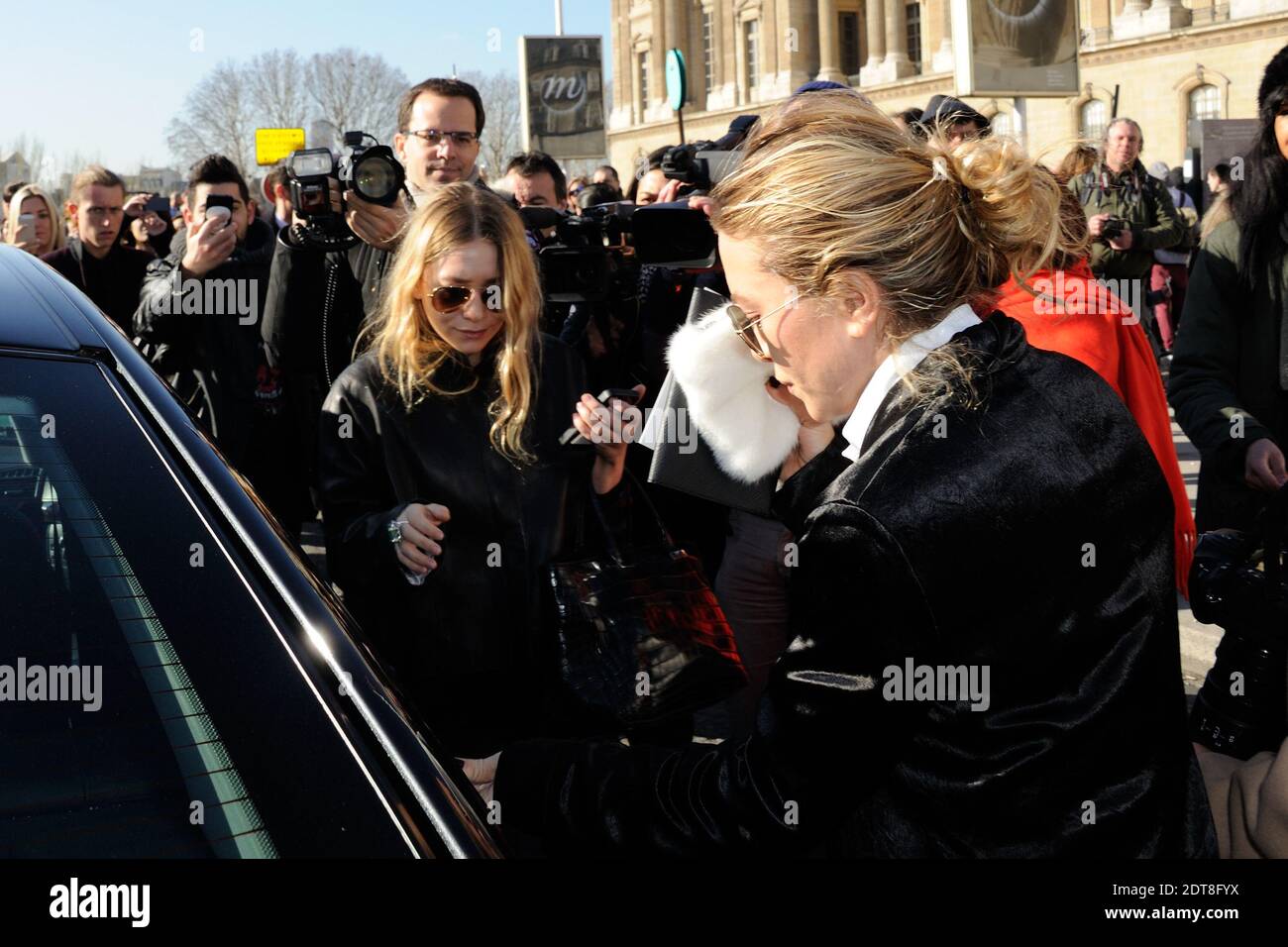
In 2005, Ashley Olsen and her sister Mary-Kate became the faces of the Louis Vuitton Spring/Summer advertising campaign under the creative direction of Marc Jacobs. This landmark collaboration signaled a pivotal shift in the fashion industry, bridging the gap between celebrity "it-girls" and high-fashion muses while laying the groundwork for Ashley Olsen’s eventual evolution into a dominant force in luxury design.
The relationship between Ashley Olsen and Louis Vuitton is often cited by fashion historians as a masterclass in brand repositioning. At the time, the Olsen twins were transitioning away from their child-star personas and into the realm of serious fashion enthusiasts. Marc Jacobs, known for his ability to tap into the cultural zeitgeist, recognized their burgeoning influence. By casting them, Louis Vuitton wasn’t just selling handbags; it was endorsing a new, sophisticated, yet slightly rebellious aesthetic that would come to define the mid-2000s and beyond.
The Genesis of the 2005 Louis Vuitton Collaboration
To understand the weight of the Ashley Olsen and Louis Vuitton fashion collaboration, one must look at the state of the luxury house in 2005. Marc Jacobs had been at the helm of Louis Vuitton since 1997, successfully transforming a staid luggage manufacturer into a global fashion powerhouse. His strategy frequently involved collaborating with artists like Stephen Sprouse and Takashi Murakami. However, the decision to use the Olsen twins as the faces of a primary campaign was a different kind of collaboration—one rooted in celebrity as a stylistic medium.
Marc Jacobs’ Vision for the Muses
Jacobs’ choice was initially met with skepticism from some traditionalists in the fashion elite. At the time, the Olsens were still largely associated with their teen brand at Walmart. However, Jacobs saw their personal style—often referred to as "homeless-chic" or "boho-chic"—as the perfect antithesis to the hyper-polished luxury of the 1990s.
Ashley Olsen, in particular, brought an analytical eye to the collaboration. Even then, she was known for her "deep dives" into vintage archives and her appreciation for construction. The campaign, shot by legendary photographers Mert Alas and Marcus Piggott, featured the sisters in a series of vibrant, high-contrast images that emphasized the "Multicolore" and "Cerises" (Cherry) lines created in collaboration with Takashi Murakami.
The Impact on Brand Identity
The collaboration did more than just sell the Spring/Summer 2005 collection. It redefined Louis Vuitton as a brand that was accessible to the young, wealthy, and culturally influential. It proved that a heritage house could embrace the chaos of "paparazzi culture" and turn it into high-fashion gold. For Ashley Olsen, the collaboration was her "graduation" into the upper echelons of the industry, providing her with a front-row seat to the operations of an LVMH powerhouse.
Technical Analysis of the 2005 Collection Pieces
The pieces featured during the Ashley Olsen era are now considered "blue-chip" vintage items in 2026. The collaboration prominently showcased several key technical developments in Louis Vuitton's leather goods and ready-to-wear sectors.
The Monogram Cerises Line
A standout element of the 2005 collaboration was the Monogram Cerises collection. This was a technical feat involving the screen-printing of smiling cherries onto the traditional coated canvas. The precision required to ensure the ink adhered to the textured canvas without cracking was significant. Ashley Olsen was frequently photographed with the Speedy 25 and the Bucket bag from this line, helping these items achieve "grail" status.
Texture and Layering in Ready-to-Wear
The ready-to-wear pieces in the campaign emphasized heavy layering—a signature of Ashley's personal style. The collection utilized:
- Silk Chiffon: Used for ethereal, flowing skirts that contrasted with structured jackets.
- Embroidered Denim: A hallmark of the mid-2000s, where Louis Vuitton utilized high-density embroidery on premium Japanese denim.
- Oversized Hardware: The introduction of chunkier, gold-toned hardware on bags like the Manhattan and the Hudson, which complemented the bold silhouettes the Olsens were known for wearing.
From Muse to Competitor: The Rise of The Row
While the 2005 campaign remains the most visible "official" collaboration, the ongoing relationship between Ashley Olsen and the house of Louis Vuitton is best understood through the lens of her later work. In 2006, just a year after the LV campaign, Ashley and Mary-Kate founded The Row.
Applying LVMH Standards to Independent Design
Ashley Olsen’s experience with Louis Vuitton provided a blueprint for what high-level luxury production looks like. The Row took the quality standards of Louis Vuitton but stripped away the logo-centric marketing. This "quiet luxury" movement, which Ashley pioneered, can be seen as a direct reaction to the maximalism of the 2005 LV era.
In the years following the collaboration, Ashley moved from being the face of another brand to being a contemporary of the creative directors at LVMH. The Row’s focus on impeccable tailoring, fabric selection (such as double-faced cashmere and vicuña), and discreet luxury has often led to comparisons with Louis Vuitton’s most exclusive "Capucines" or "Haute Maroquinerie" lines.
The Symbiotic Influence
Even as a competitor, Ashley Olsen’s influence on Louis Vuitton persisted. Analysts often note that during the mid-2010s, Louis Vuitton began to incorporate more minimalist, architectural pieces into their collections—a shift that many attribute to the market dominance of the aesthetic established by The Row. The "Olsen effect" transitioned from what they wore to how they influenced the very structure of luxury consumption.
Market Valuation and Collector Interest in 2026
In 2026, the secondary market for items associated with the Ashley Olsen and Louis Vuitton collaboration has reached an all-time high. Collectors distinguish between "Standard Vintage" and "Olsen-Era LV," with the latter commanding a premium of 30-50% on resale platforms.
| Item Category | Original 2005 Status | 2026 Collector Value (Avg) | Significance |
|---|---|---|---|
| Monogram Cerises Speedy 25 | Seasonal Release | $4,500 - $6,000 | Iconic Murakami/Olsen crossover item. |
| Multicolore Priscilla Bag | Core Campaign Item | $3,200 - $4,800 | High demand due to Y2K revival trends. |
| LV S/S 2005 Runway Knits | Limited Distribution | $1,800 - $2,500 | Rare examples of early Jacobs-era luxury knitwear. |
| Monogram Denim Pleaty | Trend Item | $2,500 - $3,500 | Symbol of the "boho-chic" era popularized by Ashley. |
The value of these items is driven by their dual significance: they represent a specific moment in pop culture and a high point in Marc Jacobs' creative tenure. For investors in 2026, the provenance of a piece being "Olsen-authenticated" (meaning a style they were known to carry) significantly impacts the final hammer price at luxury auctions.
How the Collaboration Defined "Boho-Chic" Luxury
The Ashley Olsen and Louis Vuitton fashion collaboration is often credited with legitimizing the "boho-chic" aesthetic within the framework of traditional luxury. Before this partnership, "boho" was seen as somewhat antithetical to the polished world of French couture.
Breaking the "New and Shiny" Rule
Ashley Olsen was one of the first celebrities to pair brand-new, expensive Louis Vuitton bags with vintage, oversized, and sometimes "distressed" clothing. This juxtaposition changed how luxury was marketed. Louis Vuitton began to design with the "worn-in" look in mind, leading to the creation of the Monogram Denim line, which featured stonewashed fabrics and frayed edges—a direct nod to the style Ashley helped popularize.
The Evolution of the "It-Bag"
The 2005 campaign was one of the final peaks of the "It-Bag" era before the market began to fragment. Because Ashley Olsen was photographed daily by the paparazzi, every bag she carried for Louis Vuitton became an instant sell-out. This created a feedback loop where the brand’s design choices were increasingly influenced by what would look good in a candid, street-style photograph rather than just on a runway.
Technical Specifications of the 2005 Campaign Accessories
For those looking to verify or purchase items from this era in 2026, understanding the technical specifications is vital for authenticity.
- Date Codes: Authentic pieces from the Ashley Olsen collaboration will typically have date codes starting with "SP," "BA," or "DU," with year markers for 2004 or 2005 (e.g., SP0045).
- Hardware Composition: The 2005 bags utilized a high-quality brass with a specific "pale gold" finish that is heavier than contemporary 2020s hardware.
- Lining Materials: The Cerises and Multicolore lines often featured "Alcantara" lining—a microfiber material that is durable and soft to the touch, usually in a dark red or mushroom grey color.
- Print Alignment: On the Murakami Cerises bags, the cherries must be perfectly aligned with the monogram pattern; none of the "smiling" cherry faces should be cut off by the seams or the handles.
Frequently Asked Questions
Did Ashley Olsen design any pieces for Louis Vuitton?
No, Ashley Olsen did not officially hold a design title at Louis Vuitton. Her role was that of a campaign face and muse. However, her personal style heavily influenced the styling of the collections and the way the brand was marketed to a younger, affluent demographic. Her design career began shortly after with the launch of her own brand, The Row.
Why is the 2005 Louis Vuitton campaign considered so important?
It is considered a landmark because it was one of the first times a heritage luxury house fully embraced "celebrity culture" in a way that felt authentic rather than forced. It also marked the transition of the Olsen twins from child stars to serious fashion icons, a transformation that has few parallels in the industry.
Are the Louis Vuitton bags Ashley Olsen carried still in production?
Most of the specific bags from the 2005 collaboration, such as the Monogram Cerises or the Multicolore lines, were limited editions and are no longer in production. They can only be acquired through the secondary luxury market or vintage specialized retailers.
How did this collaboration influence the current "Quiet Luxury" trend?
The collaboration itself was maximalist, but it provided Ashley Olsen with the industry knowledge and network to create The Row. The Row is now the leader of the "Quiet Luxury" movement. In a sense, the LV collaboration was the "loud" beginning that allowed Ashley to pursue the "quiet" perfection she is known for in 2026.
What is the best way to care for a vintage 2005 Louis Vuitton bag?
Given the age of these pieces (over 20 years in 2026), the vachetta leather (the untreated cowhide trim) is likely to have developed a deep patina. It is recommended to use a high-quality leather conditioner specifically for luxury goods and to store the bag in a climate-controlled environment to prevent the screen-printed elements (like the Murakami cherries) from peeling or becoming sticky.
Recommendations for Collectors and Enthusiasts
For those seeking to engage with the legacy of the Ashley Olsen and Louis Vuitton collaboration in 2026, the primary action is to focus on provenance and condition.
If you are a collector, prioritize pieces from the Monogram Cerises or Monogram Denim lines, as these have shown the most consistent value appreciation over the last two decades. Always verify date codes and seek third-party authentication, as the popularity of this era led to a high volume of contemporary counterfeits.
For fashion students and industry professionals, studying the 2005 campaign provides invaluable insights into how a brand can successfully navigate a "rebranding" phase by aligning with the right cultural muses at exactly the right time. Ashley Olsen’s journey from the face of Louis Vuitton to the head of her own luxury empire remains the definitive case study in professional evolution within the fashion world.