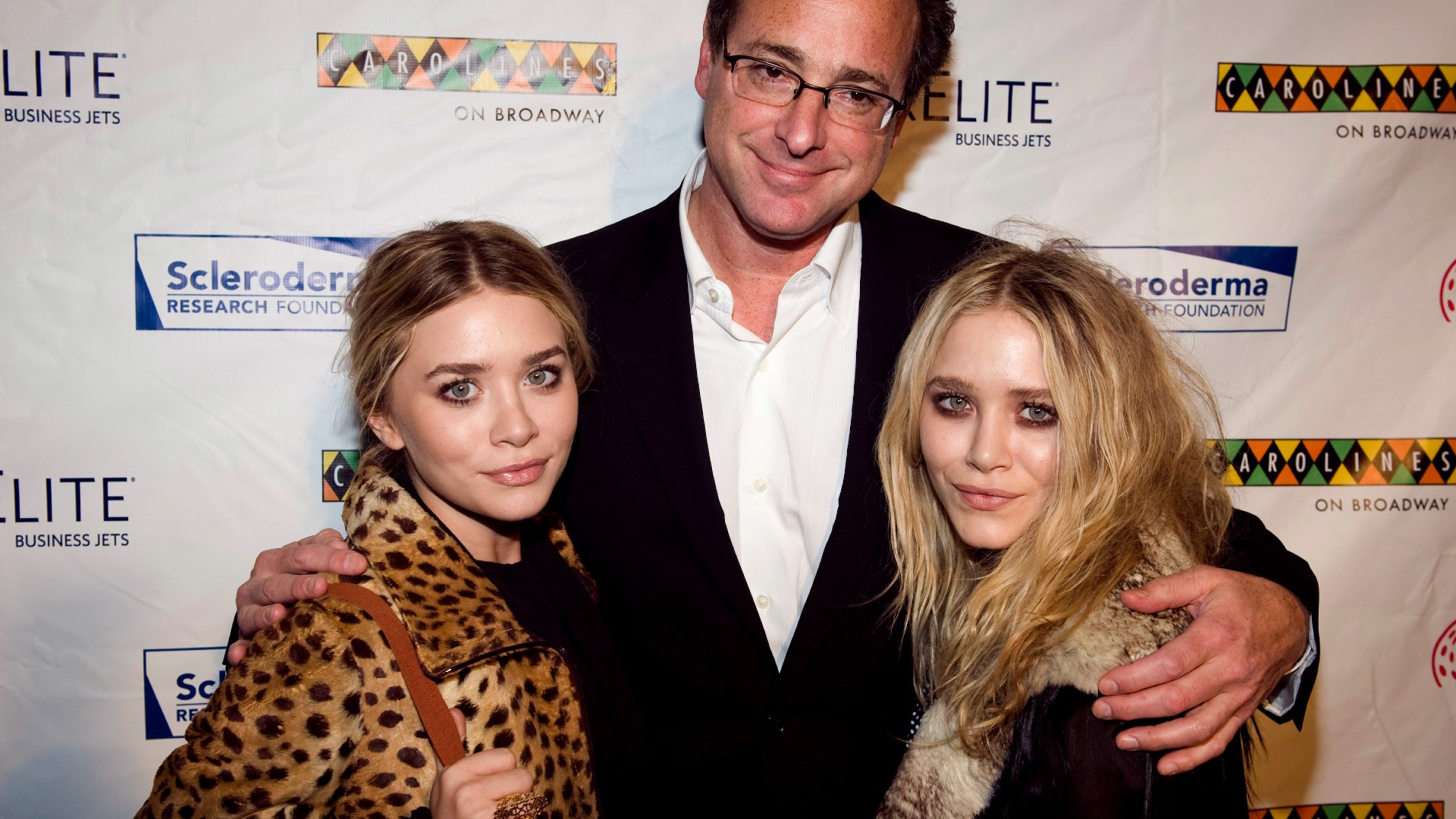
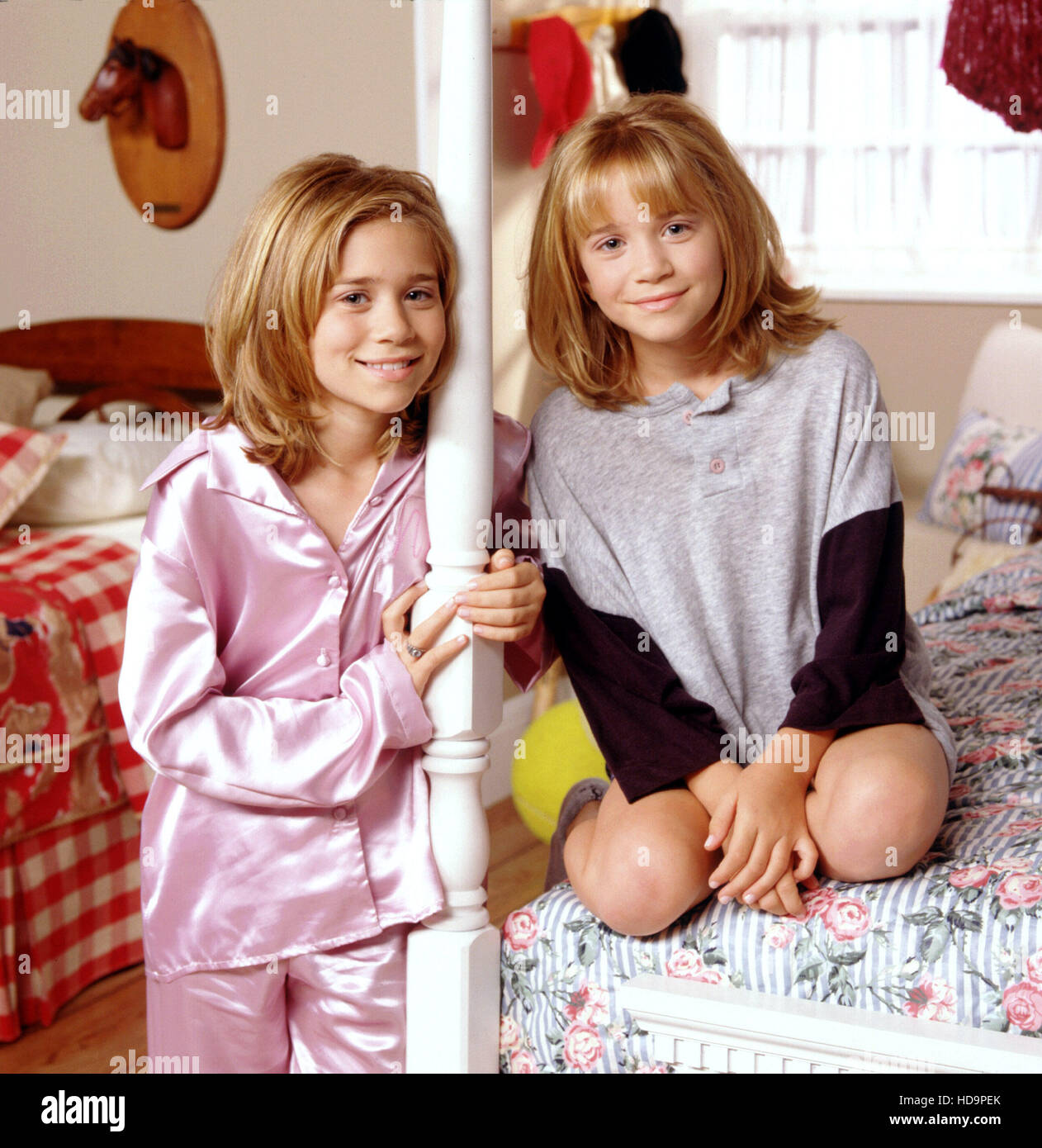
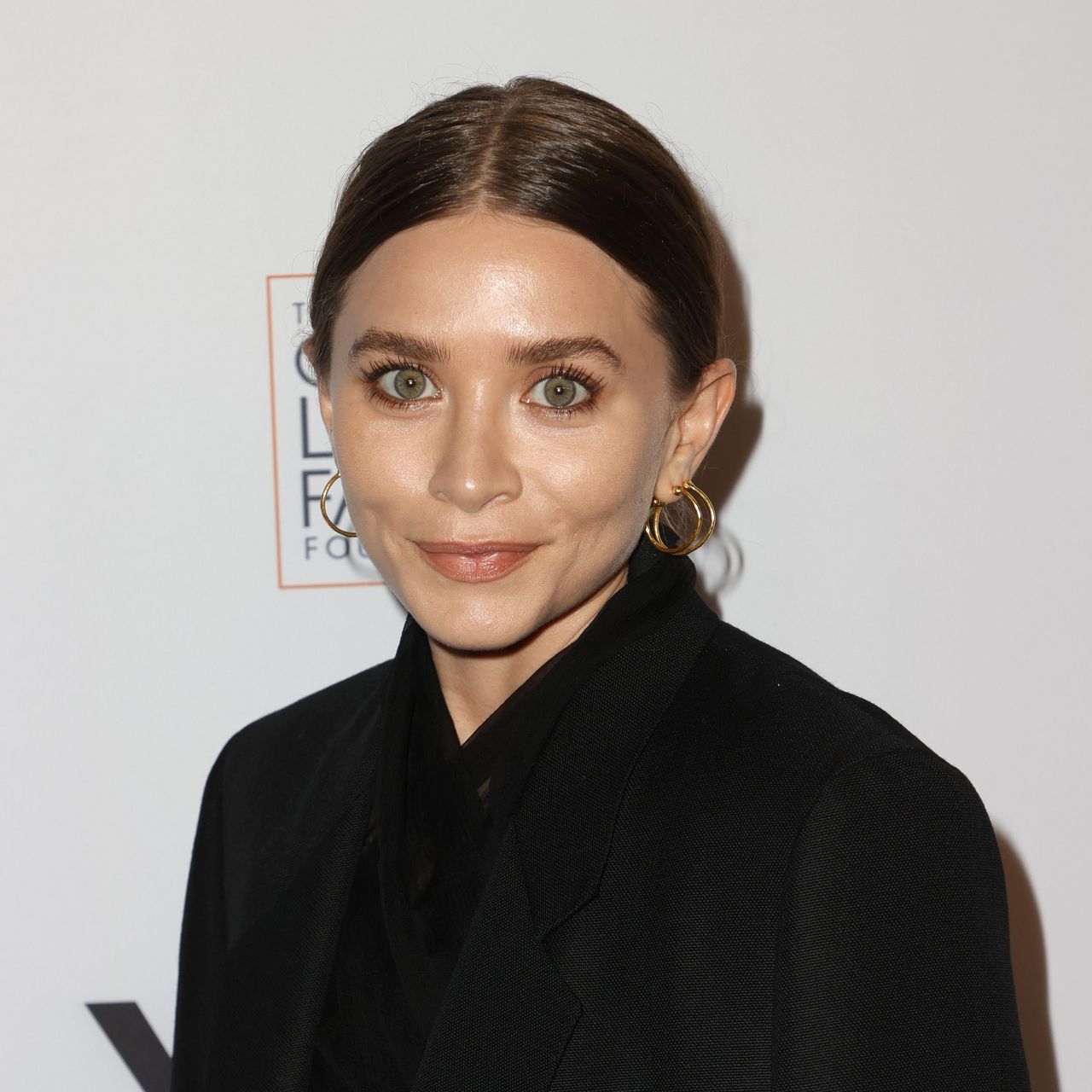
Ashley Olsen’s relationship with Marie Claire serves as a definitive archive of her transition from a child television star to a titan of high fashion. Through a series of high-profile cover stories, exclusive interviews, and editorial features, the publication has documented her commitment to "quiet luxury," her business acumen with The Row, and her intentional withdrawal from the Hollywood spotlight.
The Significance of the Ashley Olsen and Marie Claire Partnership
The intersection of Ashley Olsen and Marie Claire represents more than just a series of magazine issues; it marks the documented evolution of a cultural icon. For over two decades, the magazine has acted as a curated window into Olsen’s world, particularly during the pivotal years when she moved away from acting to focus on design. Unlike many of her contemporaries who utilized tabloids to maintain relevance, Olsen chose prestigious fashion monthlies like Marie Claire to communicate her brand’s philosophy and her personal growth.
This partnership is particularly notable for its timing. In the mid-2000s, as the "boho-chic" aesthetic dominated the streets of New York and London, Marie Claire was among the first major publications to treat the Olsen twins as serious contributors to the fashion industry rather than just celebrity entrepreneurs. This editorial respect laid the groundwork for how the public perceives The Row today: as a pinnacle of craftsmanship and understated elegance.
The Iconic September 2007 Cover: A Turning Point
The September 2007 issue of Marie Claire US remains one of the most cited moments in Ashley Olsen’s media history. At the time, she was 21 years old and navigating the treacherous waters of transitioning from a "tween" brand to an adult career. This feature was instrumental in reframing her public image.
Breaking the Silence on Acting
In the 2007 interview, Olsen was remarkably candid about her relationship with the film industry. She famously described her younger years in the spotlight as being like "a little monkey," performing on cue. This issue served as a soft "retirement" announcement from the world of acting, as she expressed a profound desire to be behind the scenes rather than in front of the camera. She discussed the "masochistic" nature of being chased by paparazzi and her decision to focus on her education at NYU and her burgeoning fashion interests.
The Birth of a Fashion Identity
During this period, Ashley was frequently criticized and celebrated in equal measure for her "homeless chic" or "hobo-chic" style—oversized layers, vintage furs, and massive sunglasses. Marie Claire’s 2007 editorial captured this aesthetic with a high-fashion lens, elevating her personal style to an art form. The shoot, often remembered for its moody, sophisticated atmosphere, signaled that Ashley was no longer the "Michelle Tanner" the world remembered, but a woman with a distinct, mature, and somewhat rebellious creative vision.
Documenting the Rise of The Row and Elizabeth and James
Following the 2007 breakthrough, Marie Claire continued to track the meteoric rise of the Olsen sisters' fashion empires. The magazine’s coverage shifted from Ashley as a celebrity to Ashley as a Creative Director.
The Dual Brand Strategy
In subsequent features, Marie Claire explored the strategic brilliance behind launching both The Row (high-end luxury) and Elizabeth and James (contemporary bridge line). The magazine highlighted how Ashley and Mary-Kate were able to occupy two different market segments simultaneously. While The Row focused on the "perfect T-shirt" and impeccable tailoring, Elizabeth and James brought a curated, accessible version of their personal style to a broader audience.
Awards and Industry Recognition
As the Council of Fashion Designers of America (CFDA) began showering the sisters with awards, Marie Claire provided the context for why these wins mattered. Their coverage emphasized that the sisters were not "celebrity designers" in the traditional sense; they were involved in every pattern, fabric choice, and fitting. This distinction was crucial in an era where celebrity-backed brands were often viewed with skepticism by the fashion elite.
The 2011 UK Cover and International Expansion
In 2011, Ashley and Mary-Kate appeared on the cover of Marie Claire UK, further cementing their international status. This feature was significant because it focused heavily on their business ethics and their desire for longevity over trendiness.
A Focus on Privacy and Work Ethic
By 2011, the sisters had become famously private. The Marie Claire interview from this period emphasized their work-life balance—or lack thereof. Ashley spoke about the discipline required to run a multi-million dollar company and her preference for a quiet life away from the red carpet. This interview reinforced the "Olsen Enigma"—the idea that by saying less, they became more influential.
The Philosophy of "Quiet Luxury"
Long before "quiet luxury" became a TikTok trend in the early 2020s, Marie Claire’s analysis of Ashley’s work with The Row identified the core tenets of the movement:
- Invisible Branding: The absence of logos.
- Material Obsession: Using the world’s finest cashmeres, silks, and leathers.
- Tailoring First: A focus on how a garment moves and fits rather than how it looks in a photograph.
Editorial Style and Photography in Marie Claire Features
One cannot discuss Ashley Olsen’s presence in Marie Claire without analyzing the visual language of her shoots. The magazine consistently employed world-class photographers who understood her desire for a non-traditional celebrity aesthetic.
| Feature Date | Photographer | Aesthetic Direction | Key Fashion Elements |
|---|---|---|---|
| September 2007 | Sante D'Orazio | Gritty, Cinematic, Mature | Oversized knits, vintage layers, smoky eyes |
| January 2011 | Tesh | Clean, Minimalist, Architectural | Structured blazers, neutral palettes, sleek hair |
| 2018 (Digital) | Various | Street Style / Editorial Mix | The Row signature coats, loafers, luxury handbags |
| 2024-2025 (Archive) | Retrospective | Analytical, Legacy-focused | Timeline of red carpet vs. design evolution |
These visual narratives helped transition the public's perception of Ashley from a child star to a sophisticated mogul. The photography often utilized natural light, shadows, and candid-feeling poses to reflect her real-world aversion to the "manufactured" celebrity look.
Ashley Olsen’s Legacy in Marie Claire: 2026 Perspective
As we look back in 2026, the Marie Claire archives remain the most comprehensive record of Ashley Olsen's professional transformation. In recent years, while she rarely grants new interviews, her influence permeates the magazine’s fashion pages.
Motherhood and Maturity
In the mid-2020s, after the birth of her son, Otto, and her marriage to Louis Eisner, Marie Claire’s coverage of Ashley shifted toward her legacy. While she has remained largely out of the public eye, the magazine has frequently featured "The Ashley Olsen Effect," analyzing how her personal style—now characterized by even more refined, monastic luxury—continues to dictate global trends.
The Survival of The Row
In an era where many luxury brands have struggled with identity crises, Marie Claire’s financial and fashion editors have consistently pointed to Ashley’s leadership at The Row as a model of consistency. By refusing to follow the fast-paced cycle of social media trends, she has maintained a brand that feels timeless—a theme that Marie Claire has championed in its advocacy for sustainable, high-quality fashion.
Comparing Marie Claire Coverage to Other Publications
While Vogue focused on the high-art aspect of her designs and Elle focused on the trend-setting nature of her wardrobe, Marie Claire often took a more "woman-to-woman" approach. Their features explored the why behind her choices—why she left acting, why she chose to live in New York instead of Los Angeles, and how she navigated the transition from being a product of the media to being a producer of culture.
This "career-centric" lens made Marie Claire the preferred choice for readers who viewed Ashley Olsen not just as a fashion icon, but as a serious business role model. The magazine’s willingness to discuss the "un-glamorous" side of fashion—the logistics, the sourcing, and the creative struggles—resonated with its professional audience.
Frequently Asked Questions
When was Ashley Olsen’s last major interview with Marie Claire?
Ashley’s most significant, deep-dive interview with Marie Claire was the 2007 US cover story. While she and Mary-Kate appeared on the 2011 UK cover and have been featured in numerous brand-focused articles and editorials since, that 2007 feature remains the definitive "confessional" of her career transition.
Did Ashley Olsen talk about Mary-Kate in her Marie Claire features?
Yes. In almost every feature, Ashley speaks of her twin sister as her "other half" in business. She often explained how their skills complement one another—with one focusing more on the technical design and the other on the broader brand vision, though they are both inextricably linked in the creative process of The Row.
What brands did Ashley Olsen promote in Marie Claire?
The primary brands discussed were The Row and Elizabeth and James. Additionally, during her earlier years with the magazine, there was mention of their "Mary-Kate and Ashley" brand for Walmart, though the Marie Claire features usually focused on their higher-end aspirations and the artistic merit of their newer ventures.
Is Ashley Olsen still acting as of 2026?
No. Ashley Olsen has not returned to acting. Her Marie Claire interviews from the late 2000s were quite prescient, as she expressed a clear desire to leave the industry. By 2026, she is firmly established as a permanent fixture in the global fashion industry, with no indications of a return to the screen.
How has Marie Claire's portrayal of Ashley changed over time?
The portrayal shifted from "Celebrity in Transition" (2007) to "Global Business Mogul" (2011) to "Fashion Visionary and Recluse" (2020s). The magazine moved from discussing her personal life and the paparazzi to analyzing her impact on the textile industry and the "quiet luxury" movement.
Conclusion and Next Actions
The history of Ashley Olsen in Marie Claire is a masterclass in brand evolution and personal agency. By choosing a publication that respected her intelligence and her creative output, Olsen was able to successfully shed her child-star persona and emerge as one of the most respected figures in modern fashion.
For readers looking to emulate the "Olsen aesthetic" as documented by Marie Claire, the focus should be on longevity and quality.
- Invest in Basics: Look for high-quality fabrics like heavy silks and organic cottons that will last a decade, not a season.
- Tailoring is Key: Ashley’s features often emphasize the importance of fit. Consider taking off-the-rack items to a professional tailor to achieve that "Row" look.
- Embrace Neutrality: Follow the color palettes seen in her Marie Claire shoots—black, navy, cream, and charcoal.
- Value Privacy: Part of the Olsen allure is the "less is more" approach to social media and public appearances.
By studying these archival features, one gains not just fashion inspiration, but a lesson in how to pivot a career with grace, silence, and unyielding standards.