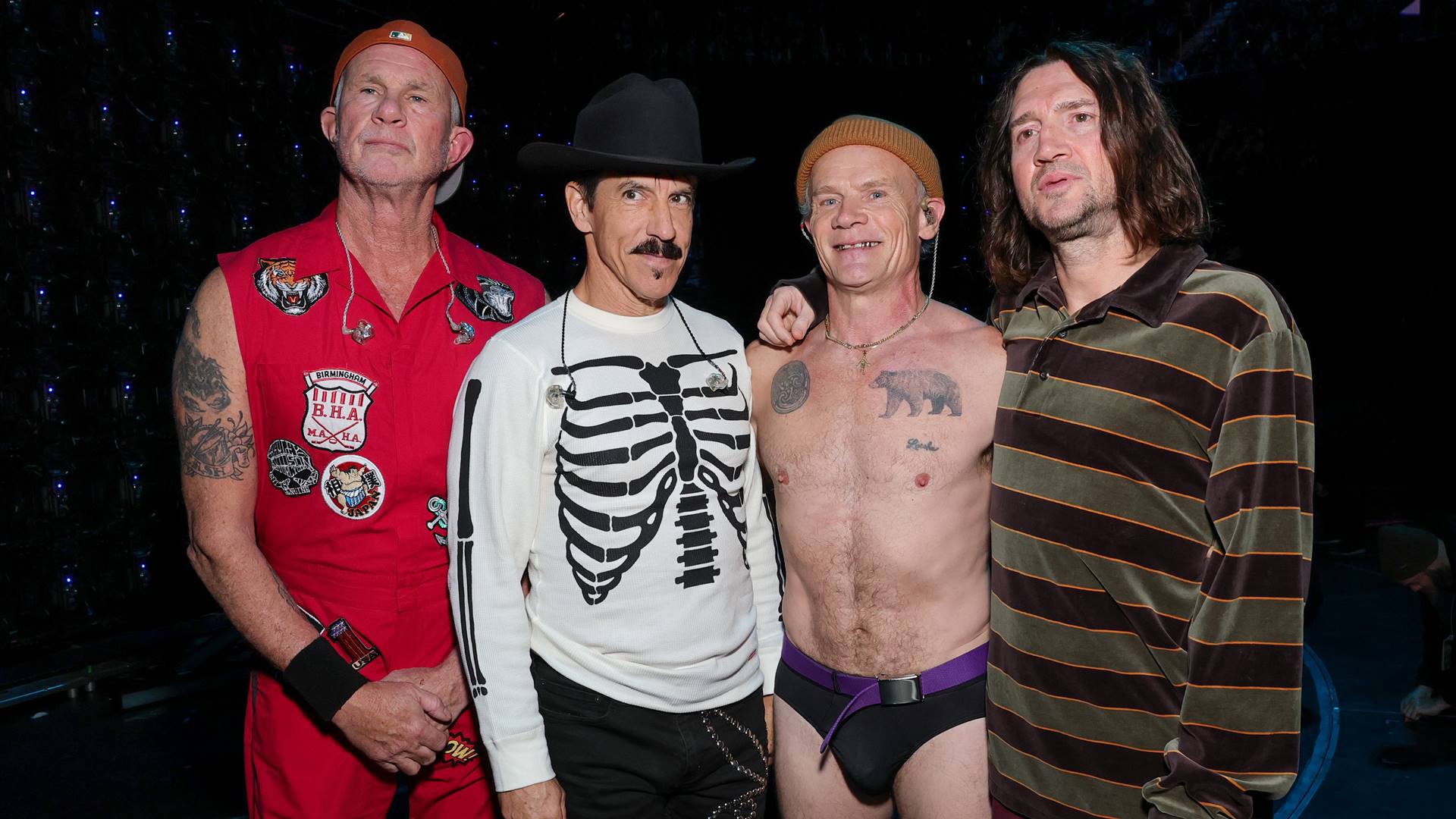
Finding artists similar to the Red Hot Chili Peppers involves exploring the intersection of funk, punk, and alternative rock. Bands like Faith No More, Jane's Addiction, and Incubus capture their high-energy grooves and melodic sensibilities, while groups like Fishbone and 311 emphasize the "funk-rock" fusion and rhythmic interplay that defined the Peppers' influential California sound.
The Red Hot Chili Peppers (RHCP) have occupied a unique space in the musical landscape since their formation in 1983. As of 2026, they remain one of the few bands to successfully bridge the gap between underground punk-funk and global stadium rock. Their sound is characterized by Flea’s aggressive slap-bass, John Frusciante’s melodic and often psychedelic guitar work, Chad Smith’s powerhouse drumming, and Anthony Kiedis’s rhythmic, stream-of-consciousness vocals.
To find artists that resonate with an RHCP fan, one must look at specific eras of the band’s development—from the raw, chaotic energy of the early Los Angeles club scene to the polished, multi-platinum alternative rock of the 21st century.
The Los Angeles Contemporaries: Jane’s Addiction and Fishbone
During the mid-to-late 1980s, a specific "L.A. sound" began to emerge that combined high-intensity rock with rhythmic experimentation. Two bands stand out as the closest spiritual siblings to the Red Hot Chili Peppers from this era.
Jane’s Addiction
If the Red Hot Chili Peppers represent the sunny, high-energy side of California funk-rock, Jane’s Addiction represents its darker, more art-focused counterpart. Led by Perry Farrell, the band’s approach to alternative rock involves heavy grooves and expansive guitar textures. Dave Navarro, who briefly joined RHCP in the mid-90s and played on One Hot Minute, provides a bridge between the two groups. Jane's Addiction shares the Peppers' penchant for tribal rhythms and a rebellious, counter-culture aesthetic. Their landmark albums, Nothing's Shocking and Ritual de lo Habitual, are essential listening for fans of RHCP's more experimental and hard-rocking moments.
Fishbone
Often cited by RHCP members themselves as a primary influence, Fishbone is perhaps the most direct comparison to the early "funk-punk" era of the Peppers. While Fishbone leans more heavily into ska and brass-led arrangements, their sheer kinetic energy and mastery of the funk groove are unparalleled. Songs like "Party at Ground Zero" and albums such as The Reality of My Surroundings showcase a band that refused to be pigeonholed, blending metal, punk, and pure funk in a way that mirrors the Peppers' early work under producers like George Clinton.
The Funk-Metal Fusion: Faith No More and Primus
In the early 1990s, the "funk-metal" movement exploded, largely fueled by the success of RHCP’s Mother’s Milk and Blood Sugar Sex Magik. These bands focused on the technical prowess of the rhythm section, often highlighting the bass guitar as a lead instrument.
Faith No More
Faith No More is frequently mentioned alongside the Peppers due to the rhythmic delivery of vocalist Mike Patton and the prominent, slapping bass lines of Billy Gould. While Faith No More is generally heavier and more experimental—occasionally dipping into avant-garde and industrial sounds—their 1989 breakout The Real Thing features the same high-energy crossover appeal that made RHCP stars. The interplay between heavy guitar riffs and funky, syncopated drum beats is a shared hallmark of both bands.
Primus
For fans who gravitate specifically toward Flea’s bass playing, Primus is the logical next step. Led by bass virtuoso Les Claypool, Primus takes the concept of "bass-forward rock" to its logical extreme. While their lyrical content is more idiosyncratic and "weird" than Kiedis’s often earnest songwriting, the rhythmic complexity and slap-heavy technique of Claypool will satisfy any fan of Uplift Mofo Party Plan or Mother’s Milk. Primus operates more as a power trio where the bass dictates the melody, much like the Peppers do in their most stripped-back funk jams.
The 90s and 2000s Melodic Successors: Incubus and 311
As the Red Hot Chili Peppers moved into the melodic, stadium-rock era of Californication and By the Way, a new generation of bands took their blueprint and added their own modern twists, often incorporating elements of turntablism and jazz.
Incubus
Incubus underwent a transformation very similar to the Red Hot Chili Peppers. Their early work, specifically the album S.C.I.E.N.C.E., is a frantic blend of funk, metal, and rap-rock that sounds like a modernized version of RHCP’s early 80s output. However, as they matured, albums like Make Yourself and Morning View showcased a shift toward atmospheric textures, beautiful melodies, and more structured songwriting—paralleling the Peppers’ evolution during the Frusciante-led years of the late 90s. Mike Einziger’s use of effects pedals and Brandon Boyd’s dynamic vocal range create a sonic landscape that feels very familiar to fans of later RHCP material.
311
The Nebraska-born band 311 is synonymous with the "sunny California" vibe, despite their origins. They combine heavy rock riffs with reggae-inflected rhythms and a dual-vocalist approach that mirrors the rhythmic flow of RHCP. Their self-titled "Blue" album and Transistor are prime examples of how to blend funk-rock with a relaxed, melodic sensibility. The chemistry between bassist P-Nut and drummer Chad Sexton provides a rock-solid foundation that allows for the same kind of rhythmic exploration found in the Chad Smith/Flea partnership.
Roots and Influences: Where the Sound Came From
To understand why the Red Hot Chili Peppers sound the way they do, it is helpful to look at the artists who influenced them. These "ancestor" bands offer a deeper dive into the raw materials of funk and rock.
Parliament-Funkadelic
There would be no Red Hot Chili Peppers without George Clinton and the Parliament-Funkadelic collective. Clinton actually produced the Peppers’ second album, Freaky Styley, and his influence is stamped all over their career. The concept of the "P-Funk" groove—a heavy, syncopated, and infectious rhythm—is the bedrock of the Peppers' identity. Listening to albums like Mothership Connection or One Nation Under a Groove reveals the origins of the "on the one" philosophy that Flea and Chad Smith have mastered.
Jimi Hendrix
John Frusciante has never made a secret of his obsession with Jimi Hendrix. The "Hendrixian" style of guitar playing—blending rhythm and lead parts into a single, fluid motion with heavy use of the wah-wah pedal—is a defining characteristic of albums like Blood Sugar Sex Magik. Fans who appreciate the more soulful and psychedelic side of the Peppers will find Hendrix’s Electric Ladyland to be the ultimate source material for that specific guitar-driven atmosphere.
The Meters
For the pure, stripped-back funk found in RHCP instrumentals and jams, The Meters are essential. As the pioneers of New Orleans funk, Zigaboo Modeliste’s drumming and George Porter Jr.’s bass lines established the "pocket" that Flea often references. Their influence is most visible in the Peppers’ more syncopated, less distorted tracks where the groove is the only thing that matters.
Technical Analysis of the "RHCP Style"
The reason these artists are considered "similar" goes beyond just genre; it comes down to specific musical techniques and production choices that define the funk-rock aesthetic.
- The Slap Bass Technique: Flea popularized the percussive "slap and pop" method in a rock context. Bands like Primus and Living Colour utilize this same technique to create a rhythmic drive that is as much "percussion" as it is "melody."
- Syncopated Rhythms: Unlike standard 4/4 rock which emphasizes beats 1 and 3, funk-rock often emphasizes "the one" and then utilizes syncopation (displaced beats) to create a "swing" or "groove." This is the primary link between RHCP and bands like 311 or Fishbone.
- The Dry Production Style: Especially under the guidance of producer Rick Rubin, RHCP became known for a "dry" sound—meaning very little reverb or echo on the drums and vocals. This makes the music feel immediate and raw. Many 90s alternative bands, such as Rage Against the Machine, adopted this sonic approach to highlight the power of the rhythm section.
Comparing Key Artists Similar to the Red Hot Chili Peppers
The following table compares prominent artists to the Red Hot Chili Peppers based on which "version" of the Peppers they most closely resemble and their primary musical focus.
| Artist | Primary Similarity | Era Parallel | Recommended Album | Key Element |
|---|---|---|---|---|
| Faith No More | Funk-Metal Fusion | Mother's Milk | The Real Thing | Rhythmic Vocals |
| Incubus | Melodic Alt-Rock | Californication | Morning View | Atmospheric Guitars |
| Jane's Addiction | L.A. Alt-Rock | One Hot Minute | Nothing's Shocking | Psychedelic Energy |
| 311 | Reggae/Funk-Rock | Blood Sugar Sex Magik | 311 (The Blue Album) | Groove-Heavy Rhythms |
| Fishbone | Funk-Punk | Freaky Styley | The Reality of My Surroundings | High-Energy Brass/Slap |
| Primus | Bass-Driven Rock | Uplift Mofo Party Plan | Frizzle Fry | Technical Bass Mastery |
| Living Colour | Virtuosic Funk-Rock | Mother's Milk | Vivid | Fusion Guitar/Bass |
| Cage the Elephant | Modern Garage Funk | The Getaway | Melophobia | Modern Alt-Vibe |
Related Questions and Considerations
What modern bands sound like the Red Hot Chili Peppers?
While the peak of the funk-rock movement was in the 90s, modern bands like Cage the Elephant and The Mars Volta (which featured John Frusciante on several albums) carry the torch. Cage the Elephant captures the manic energy and rhythmic vocal delivery of early Kiedis, while The Mars Volta explores the complex, psychedelic instrumental depths found in RHCP’s extended jams.
Why is the bass guitar so important in these bands?
In most rock music, the bass guitar follows the kick drum and supports the guitar melody. In funk-influenced bands like RHCP, the bass often is the melody. This role reversal requires a bassist with high technical skill, which is why bands like Primus, Fishbone, and Living Colour are so frequently compared to the Peppers; they all feature "lead" bass players.
Are there any British bands similar to the Red Hot Chili Peppers?
While the RHCP sound is distinctly Californian, British bands like Ocean Colour Scene (in their funkier moments) or even early Jamiroquai share some DNA. Jamiroquai, while more purely "acid jazz" and funk, features the same emphasis on a driving, complex bass line and rhythmic syncopation that appeals to fans of the Peppers’ groovier side.
Who sounds most like John Frusciante’s guitar style?
Frusciante’s style is a mix of Hendrix-inspired soul and minimalist punk. Josh Klinghoffer, who replaced Frusciante for a decade, naturally shares much of the same vocabulary. Beyond that, Omar Rodríguez-López of The Mars Volta shares Frusciante’s love for experimental pedals and non-linear soloing, which is why the two collaborated frequently.
Final Recommendations for Listeners
If you are a fan of the Red Hot Chili Peppers and looking to expand your library in 2026, the best strategy is to identify which part of their sound you love most:
- For the Slap-Bass Junkie: Start with Primus or Living Colour. These bands prioritize the rhythm section above all else and feature world-class bassists who push the instrument to its limits.
- For the Melodic Rock Fan: Dive into the mid-career catalog of Incubus. Their ability to balance heavy riffs with soaring, radio-friendly choruses is the closest match to the Californication era.
- For the "Old School" Funk Enthusiast: Go back to the source with Parliament-Funkadelic and Fishbone. This is the raw, unpolished energy that birthed the Peppers in the early 80s.
- For the Experimentalist: Explore The Mars Volta or Jane's Addiction. These bands will satisfy the craving for the long, psychedelic jams and tribal rhythms that RHCP often explores in their live performances.
By exploring these artists, you will find that the Red Hot Chili Peppers are not an isolated phenomenon, but rather the most visible part of a rich, interconnected history of musicians dedicated to the power of the groove.