Arthur J. Gallagher & Co. (Gallagher) employs a multi-dimensional risk management strategy designed to transition organizations from reactive hazard mitigation to proactive, data-driven resilience. By integrating traditional insurance brokerage with sophisticated risk consulting, data analytics, and captive management, Gallagher addresses both insurable risks and operational threats that impact an organization’s long-term capital stability and growth trajectory.
The Foundations of Gallagher’s Risk Management Philosophy
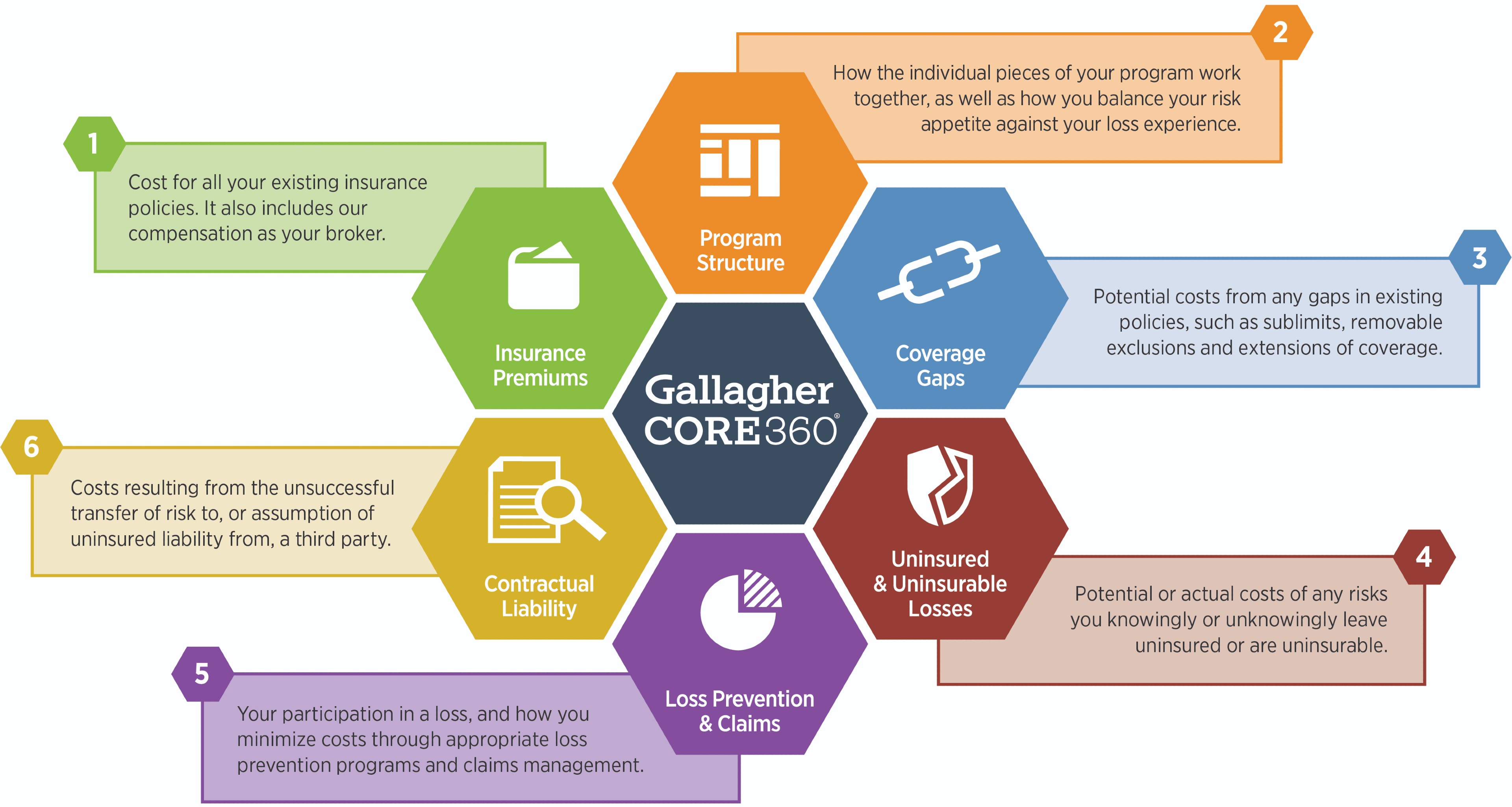
At the core of the Arthur Gallagher risk management strategy is the "Total Cost of Risk" (TCOR) framework. Rather than viewing insurance as a siloed budgetary expense, Gallagher’s approach treats risk as a business management function that permeates human resources, legal, financial, and operational departments. The philosophy rests on the understanding that the most effective way to lower premiums and protect equity is to reduce the frequency and severity of loss events through empirical analysis.
The strategy operates on a cycle of identification, quantification, and treatment. Identification involves an audit of both known liabilities—such as property damage or professional liability—and emerging risks, such as cyber vulnerabilities, geopolitical instability, or complex regulatory shifts. Quantification utilizes proprietary data modeling to forecast the potential financial impact of these risks on the organization's balance sheet. Finally, treatment involves the selection of the optimal transfer mechanism, which may range from traditional commercial insurance markets to self-insured retentions or captive insurance vehicles.
Integrating Data Analytics into Risk Assessment
Modern risk management is inseparable from data science. Gallagher utilizes internal and external data sets to benchmark a client’s risk profile against industry peers. This comparative analysis is critical; it allows management to understand if their loss experience is standard for their sector or indicative of internal operational failures.
The firm’s approach to analytics involves three specific tiers of assessment:
- Descriptive Analytics: Examining historical claims data to identify trends in workplace injuries, property losses, or liability lawsuits.
- Predictive Modeling: Applying statistical algorithms to historical data to forecast future loss probabilities and help organizations allocate capital reserves appropriately.
- Prescriptive Guidance: Recommending specific operational changes, such as revised safety training protocols, supply chain diversification, or cybersecurity infrastructure upgrades, to mitigate risks before they materialize.
By grounding their strategy in these analytics, Gallagher removes the guesswork from risk transfer. Instead of negotiating insurance renewals based on market intuition, clients can provide underwriters with high-fidelity data that often leads to more favorable pricing and broader terms, as the risk is presented as managed rather than speculative.
Key Pillars of the Gallagher Risk Management Methodology
The practical application of this strategy is divided into distinct functional areas that address the diverse needs of modern enterprises.
1. Claims Advocacy and Management
A significant portion of the cost of risk is tied to the efficiency of claims handling. Gallagher’s strategy includes aggressive claims advocacy to ensure that insurers process claims according to the exact definitions of the policy. By managing the flow of information between the insured and the carrier, they aim to minimize claim leakage and accelerate settlements, which in turn reduces the "experience modification" rate that dictates future insurance costs.
2. Captive and Alternative Risk Transfer
For organizations with predictable loss patterns, Gallagher often advocates for the use of captive insurance—a subsidiary company established to insure the risks of its parent firm. This strategy allows organizations to retain underwriting profit, access reinsurance markets directly, and gain greater control over coverage design. It transforms risk management from a cost center into a strategic financial asset.
3. Human Capital Risk
In the current economic climate, Gallagher emphasizes that human capital is the largest asset and often the largest risk. Their strategy incorporates comprehensive health and welfare consulting, executive compensation alignment, and workplace wellness programs. By reducing the risks associated with employee burnout, turnover, and health-related absenteeism, the firm assists in protecting the organization’s most valuable intellectual property.
Comparative Framework: Commercial Insurance vs. Self-Insured Strategy
Choosing the correct strategy requires an evaluation of an organization's risk appetite and liquidity. The following table illustrates the strategic shift often managed through the Gallagher framework.
| Feature | Traditional Insurance | Self-Insured/Captive |
|---|---|---|
| Risk Retention | Low (Transferred to carrier) | High (Retained by organization) |
| Cash Flow | Fixed premiums; predictable | Volatile; requires reserves |
| Control | Limited by carrier terms | Full control over policy language |
| Cost Efficiency | High overhead/profit margins | Potential for lower long-term costs |
| Best Suited For | High-severity/Low-frequency risks | Low-severity/High-frequency risks |
Addressing Emerging Risks: Cyber and Geopolitical Factors
By 2026, the risk landscape has shifted significantly toward intangible threats. The Gallagher risk management strategy now prioritizes "invisible" risks that do not cause immediate physical damage but can paralyze operations.
Cyber risk management under the Gallagher umbrella is not strictly an IT task; it is treated as a systemic enterprise risk. The strategy includes rigorous pre-loss assessments, tabletop exercises that simulate ransomware attacks, and the development of incident response frameworks. This holistic approach ensures that the organization’s cybersecurity policy is part of a larger plan that includes business continuity, regulatory compliance, and reputation management.
Similarly, geopolitical risk—including supply chain disruption and international trade volatility—is integrated into the strategy. By evaluating the geographic concentration of an organization’s revenue and assets, Gallagher helps firms build redundancy into their operational workflows. This minimizes the reliance on single-point-of-failure suppliers and assists in navigating the complex web of global trade sanctions and local regulations.
Implementation Steps for Organizations
For a leadership team looking to adopt or refine their risk management strategy using Gallagher's methodology, the process generally follows a standardized trajectory:
- Enterprise Risk Assessment (ERA): Conduct a deep dive into the corporate structure to identify threats that could prevent the organization from achieving its 2026 strategic goals.
- Benchmarking: Measure existing loss performance and TCOR against peers.
- Risk Financing Optimization: Evaluate the balance between risk transfer (insurance) and risk retention (captives, high deductibles).
- Execution of Loss Control Programs: Implement physical and procedural changes based on the identified vulnerabilities.
- Monitoring and Reporting: Establish a cadence for reviewing the performance of the strategy, ensuring that it evolves as the business grows or shifts focus.
Common Pitfalls in Risk Strategy Development
A recurring error in risk management is the "set it and forget it" mentality. Many organizations purchase a comprehensive insurance program and fail to revisit the underlying assumptions for several years. Gallagher’s strategy mandates periodic auditing of risk exposure. If a company expands into new markets, adds a product line, or adopts new technology, the risk management plan must be updated immediately to avoid coverage gaps or inefficient capital allocation.
Another common mistake is failing to involve stakeholders across the entire organization. When risk management is relegated solely to the finance department, it often ignores the cultural risks within the workforce or the operational risks in the field. Effective strategy requires cross-functional collaboration to ensure that policies reflect the reality of daily business operations.
Frequently Asked Questions
What is the difference between risk management and insurance?
Insurance is a specific financial tool used to transfer risk from one party to another. Risk management is the broader, more comprehensive discipline of identifying, analyzing, and treating risks—of which insurance is just one possible solution.
How does Gallagher's strategy address rising insurance premiums?
The strategy focuses on lowering the Total Cost of Risk. By using data to prove to underwriters that an organization has implemented superior loss control measures and safety protocols, the firm aims to secure better terms and lower base premiums than would be available to an organization without a documented risk strategy.
Is the Gallagher approach suitable for small businesses?
Yes, though the scale and complexity differ. Small businesses often focus on essential property and liability coverage, whereas the enterprise strategy is customized to address the specific growth stages and liability profiles of the organization.
How often should a company update its risk strategy?
A comprehensive review should occur annually during the renewal cycle. However, "trigger events"—such as major acquisitions, the launch of new products, or significant changes in regulatory requirements—should necessitate an immediate mid-term review of the risk posture.
What role does technology play in the modern risk strategy?
Technology is the backbone of modern analytics. It enables real-time monitoring of risks, facilitates faster claims reporting, and allows for the sophisticated modeling of catastrophic scenarios that would be impossible to calculate manually.
Recommendation for Next Steps
To effectively leverage the Arthur Gallagher risk management strategy, leadership should begin by commissioning a comprehensive Total Cost of Risk audit. This diagnostic process will highlight areas where you are overpaying for protection and where you have gaps in coverage. Once the audit is complete, prioritize the implementation of loss control measures that yield the highest impact on your loss ratio. This transition from reactive insurance buying to a proactive, structured risk management framework is essential for maintaining operational continuity and financial health in a volatile global market.