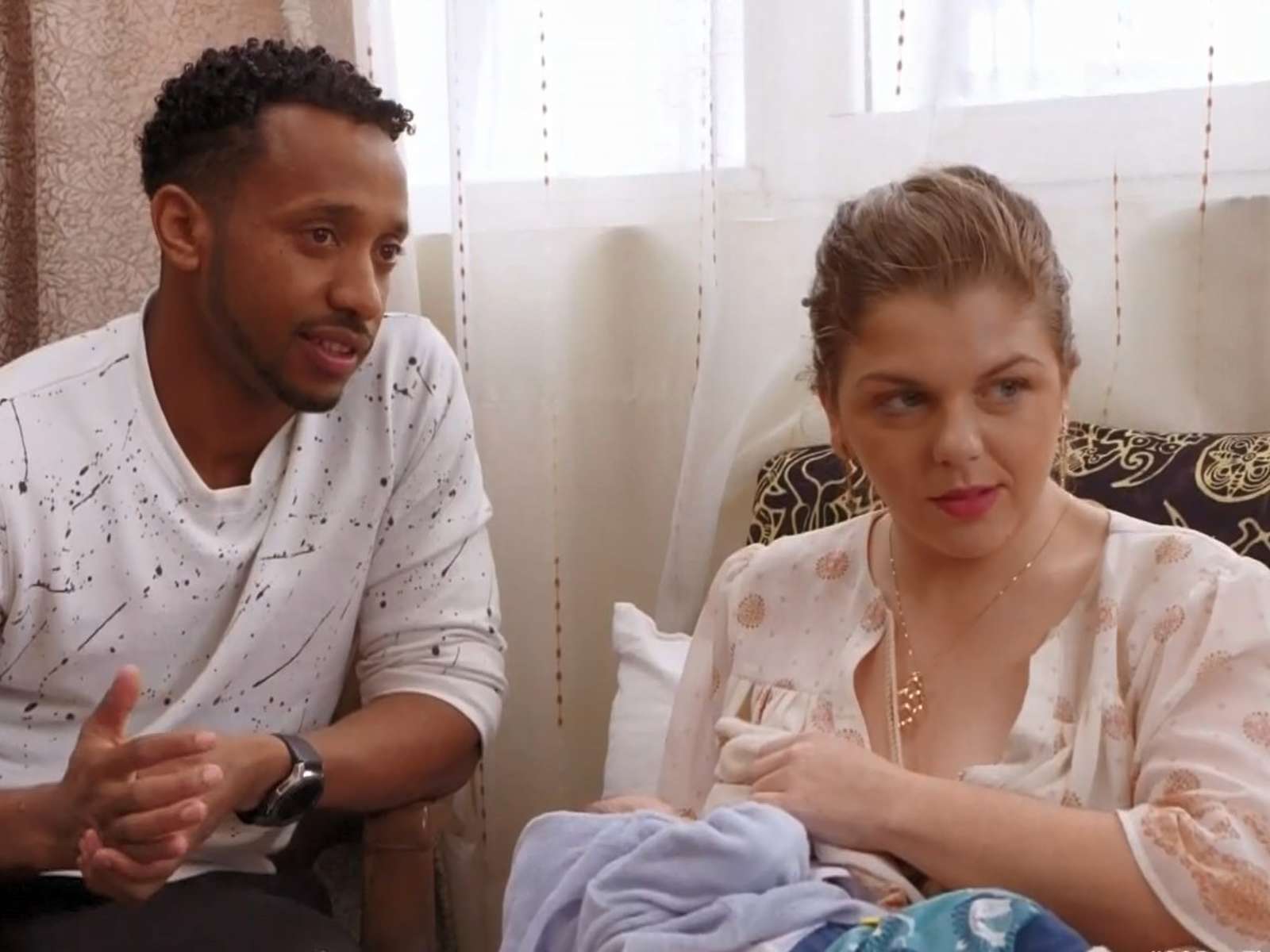
Ariela Weinberg and Biniyam Shibre are one of the most recognizable couples from the 90 Day Fiancé franchise, having shared their journey across multiple seasons including The Other Way and the flagship series. Their relationship illustrates the profound challenges of cross-cultural parenting, religious differences, and the intense pressure of transitioning an international romance into a stable life in the United States.
The Ethiopian Beginnings: A Chance Encounter in Addis Ababa
The story of Ariela and Biniyam began far from the bright lights of American reality television. Ariela Weinberg, a freelance writer and world traveler from Princeton, New Jersey, met Biniyam Shibre, an Ethiopian artist, dancer, and MMA fighter, while she was traveling in Addis Ababa. What started as a whirlwind romance quickly turned into a life-altering situation when Ariela discovered she was pregnant.
Unlike many couples on the show who meet via dating apps, Ariela and Biniyam’s initial connection was physical and immediate. This organic start, however, was quickly met with the logistical nightmares inherent in international relationships. Ariela made the controversial decision to move back to Ethiopia so that Biniyam could be present for the birth of their son, Aviel. This move served as the foundation for their debut on 90 Day Fiancé: The Other Way Season 2.
The early reality of their life in Ethiopia was a stark contrast to Ariela’s comfortable upbringing in New Jersey. Viewers witnessed Ariela’s shock at the living conditions Biniyam initially provided, which lacked modern amenities like indoor plumbing and updated kitchens. This period highlighted the economic disparity between the two and set the stage for a recurring theme in their narrative: the struggle to align their lifestyles and expectations while navigating Biniyam’s precarious income as a multi-hyphenate performer.
Cultural Friction and the Battle of Traditions
One of the most significant hurdles the couple faced was the clash of religious and cultural traditions. Biniyam is a devout Ethiopian Orthodox Christian, while Ariela comes from a Jewish family. The tension reached a boiling point regarding the baptism of their son, Aviel. Biniyam’s family, particularly his sisters Wish and Mimi, were adamant that the child be baptized to "save his soul," a concept that clashed with Ariela’s beliefs and her desire to let Aviel choose his own path later in life.
The "reality" captured by the cameras often felt like a tug-of-war between Ariela’s autonomy and the deep-seated traditions of Biniyam’s community. This conflict was not merely for the cameras; it represented a genuine struggle for identity within a multi-faith household. The baptism eventually took place, but the emotional scars from the disagreement lingered, illustrating how difficult it is to blend two distinct heritage-heavy backgrounds under the scrutiny of a global audience.
Furthermore, the involvement of Biniyam’s sisters added a layer of external pressure. They often acted as the enforcers of cultural norms, leading to high-stakes confrontations that became some of the most discussed moments in the franchise. These interactions underscored the reality that in many cultures, marriage is not just a union of two individuals, but a merger of two families—often with conflicting agendas.
The Leandro Factor: Navigating Past Relationships
In a move that polarized the 90 Day Fiancé fanbase, Ariela maintained a very close relationship with her ex-husband, Leandro Fosque. Leandro appeared in several episodes, even visiting Ariela in Ethiopia and later in the United States. While Ariela viewed Leandro as her best friend and a vital support system, Biniyam—and much of the audience—viewed his presence as a threat to the stability of the new relationship.
The Leandro story arc serves as a prime example of how reality TV can amplify existing insecurities. While the producers certainly leaned into the drama of the "love triangle," the discomfort Biniyam felt was palpable. It raised serious questions about boundaries and the feasibility of maintaining intimate friendships with former spouses while trying to build a new life with a partner from a more conservative culture. This dynamic added a layer of psychological complexity to their reality, moving beyond simple logistical hurdles into the territory of emotional intelligence and respect.
Transitioning to the United States: The K-1 Visa Reality
By Season 9 of the original 90 Day Fiancé, the couple’s "reality" shifted to the United States. Following a medical emergency where Aviel required surgery for a hernia, Ariela realized that she felt more secure with the medical infrastructure in the U.S. This precipitated their application for the K-1 visa, the 90-day permit that gives the show its name.
The move to New Jersey, and later Las Vegas, introduced a new set of problems. In Ethiopia, Biniyam was in his element, surrounded by his culture and family. In America, he was the outsider, dependent on Ariela and her parents for financial support and social navigation. The shift in power dynamics is a common theme for K-1 visa recipients, but for Biniyam, it was compounded by his burning desire to succeed in a very specific, high-risk career: Professional Mixed Martial Arts (MMA).
Ariela’s parents, Janice and Fred, played a significant role during this transition. Janice, a nurse, and Fred, a cardiologist, provided not only financial backing but also a grounded, albeit sometimes intrusive, perspective on the couple’s viability. Their presence highlighted the "safety net" reality that many American partners in these relationships provide, which can sometimes lead to resentment from the immigrating partner who feels infantalized.
Biniyam’s MMA Career: Pursuing the American Dream
For Biniyam, moving to the United States was not just about staying with Ariela and Aviel; it was about the "American Dream." Known in Ethiopia as a versatile entertainer—dancing, singing (under the name "Baby Cool"), and fighting—he saw the U.S. as the ultimate stage for his MMA aspirations.
His journey into the American MMA circuit was a focal point of their later appearances. Biniyam’s dedication to training in Las Vegas showed a side of him that was disciplined and ambitious. However, this pursuit also created friction. MMA is a time-consuming and often low-paying endeavor at the entry-level, and Ariela frequently expressed concerns about the stability of their future if Biniyam focused solely on fighting.
The reality of Biniyam's career choice highlighted a fundamental disconnect: Biniyam wanted to follow his passion to provide for his family in the long term, while Ariela prioritized immediate stability and presence in the home. This conflict is a universal one for many families, but it was heightened by the high stakes of their immigration status and the lingering "villain" edit Ariela often received from fans who felt she was holding him back from his dreams.
The "Reality" of Production: Editing vs. Real Life
To understand Ariela and Biniyam, one must acknowledge the influence of reality TV production. Both Ariela and Biniyam have been vocal on social media about how certain scenes were edited or how the pressure of filming impacted their mental health.
Reality TV often thrives on "conflict loops"—repeatedly bringing up the same grievances (like the Leandro situation or the baptism) to ensure a consistent narrative arc. In interviews, Ariela has often presented as much more analytical and self-aware than the "emotional" edit she sometimes received on TLC. Biniyam, too, has had to navigate the "quiet husband" trope, which often masked the complexities of his adjustment to a foreign country.
| Milestone | Location | Show/Season | Key Conflict/Event |
|---|---|---|---|
| First Meeting | Ethiopia | N/A | Chance encounter; Ariela's pregnancy. |
| Birth of Aviel | Ethiopia | The Other Way S2 | Ariela's move; poor living conditions. |
| Religious Clash | Ethiopia | The Other Way S3 | Baptism controversy; Leandro's visit. |
| Move to U.S. | New Jersey | 90 Day Fiancé S9 | K-1 Visa; Aviel's medical needs. |
| MMA Debut | New York/Vegas | 90 Day Fiancé S9 | Biniyam pursues fighting career. |
| Current Status | Nevada/NJ | 2026 Context | Focus on co-parenting and independent careers. |
Life in 2026: Where They Stand Today
As of 2026, Ariela and Biniyam have largely moved away from the constant cycle of reality TV filming, though they remain active public figures. Their lives currently reflect a more settled, albeit still complex, version of the American experience. Biniyam continues to pursue athletics and entertainment, leveraging the platform he gained from TLC to secure sponsorships and appearances.
Ariela has focused significantly on humanitarian efforts and her work as an influencer. She has used her platform to raise awareness for various causes, including those related to Ethiopia, showing a commitment to the country that changed her life. Their relationship, while still a subject of much speculation among fans, has evolved into a partnership centered on the well-being of their son, Aviel.
The reality for them in 2026 is less about the "90 days" and more about the "years that follow." They have survived the initial culture shocks, the legal hurdles of the green card process, and the intense scrutiny of the public. Whether they are seen as a "success story" or a "cautionary tale" depends largely on the viewer's perspective, but their endurance in the public eye is undeniable.
Common Challenges in the Ariela-Biniyam Dynamic
Despite the time that has passed, certain themes remain central to their story. These are the elements that made their reality so compelling to millions:
- Financial Disparity: The balance of power when one partner is the primary breadwinner or comes from a more affluent background.
- The Weight of the Past: Biniyam’s history (having a child from a previous marriage with an American woman) and Ariela’s close ties to her ex-husband created a foundation of mistrust that they had to work hard to overcome.
- Public Scrutiny: Navigating a marriage while thousands of people weigh in on your choices every week on social media.
- Parenting Across Cultures: Deciding which traditions to keep and which to discard in a multicultural household.
FAQ
Are Ariela and Biniyam still together in 2026?
While their relationship status has been subject to rumors of both separation and reconciliation over the years, they remain committed co-parents to Aviel. Like many reality TV couples, they have experienced periods of living apart for career reasons but have not officially announced a permanent legal dissolution as of the current 2026 timeframe.
Does Biniyam still fight in MMA?
Yes, Biniyam has continued to pursue MMA and other athletic endeavors. His career has seen various levels of success in regional circuits, and he often shares his training progress with his followers on Biniyam's Instagram.
What is Ariela Weinberg doing now?
Ariela continues her work as a social media influencer and freelance writer. She has also been heavily involved in charitable work, particularly focusing on aid for Ethiopian communities and healthcare initiatives, often documenting these efforts on her social platforms.
How is their son Aviel doing?
Aviel, often the "star" of their social media, is thriving. He is being raised with exposure to both his Ethiopian and American heritage, including language and cultural traditions from both sides of his family.
Did Biniyam’s family ever move to the U.S.?
While Biniyam’s sisters, Wish and Mimi, were major figures during the Ethiopia-based seasons, they have largely remained in Ethiopia. Biniyam has expressed a desire to bring more of his family to the U.S., but the immigration process for extended family is significantly more complex than the K-1 or CR-1 visa paths.
Practical Lessons from Their Journey
For those watching Ariela and Biniyam as a blueprint for their own international relationships, several practical takeaways emerge. First, cultural compromise is non-negotiable. Whether it is religion, diet, or parenting styles, both partners must be willing to bend or risk constant friction.
Second, the legal and financial burden of international relocation is immense. As seen with the Weinberg family, having a support system is often the difference between success and failure during the first few years of a foreign spouse's arrival in the U.S.
Finally, communication regarding expectations is vital. Biniyam’s desire for an MMA career and Ariela’s desire for traditional stability were often at odds because they hadn't fully aligned their 5-year plans before the move. For any couple in this situation, having these difficult conversations before the visa is filed is essential for long-term survival.
The reality of Ariela and Biniyam is a testament to the fact that love is rarely enough to bridge the gap between two vastly different worlds—but with enough persistence, compromise, and a thick skin against public opinion, it is possible to build a unique and functioning life together.