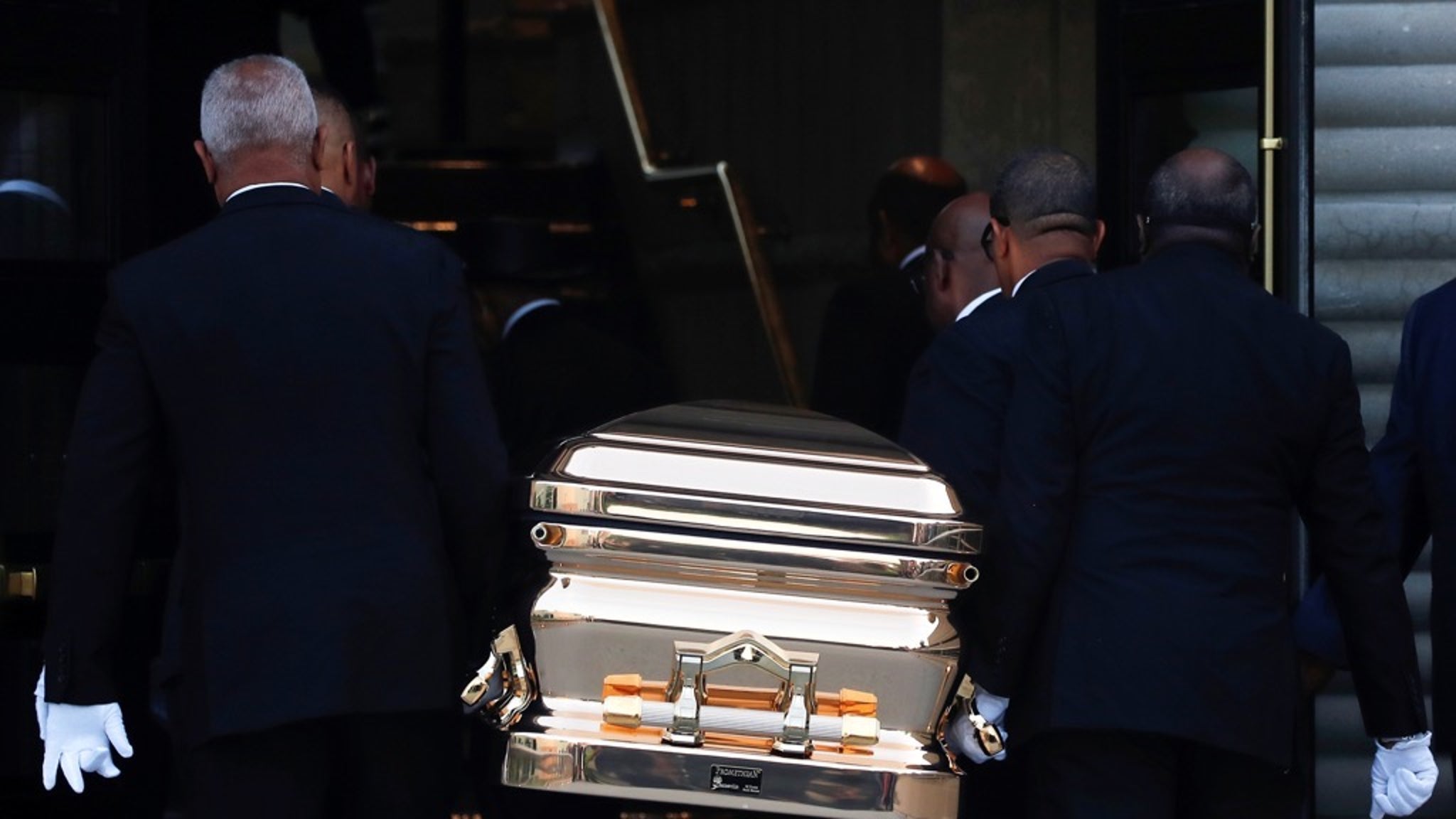
The open casket ceremonies for Aretha Franklin, held in late August 2018 at the Charles H. Wright Museum of African American History in Detroit, were significant public memorials designed to allow the public to pay respects to the "Queen of Soul." These viewings occurred over two days, preceded her private funeral, and featured a series of highly symbolic wardrobe changes for the late singer.
The death of Aretha Franklin on August 16, 2018, triggered a global outpouring of grief, leading to a series of elaborate public farewells. In the tradition of African American funeral rites—particularly those honoring cultural icons—the "homegoing" process is often communal, allowing the public to engage with the legacy of the deceased. The two-day public viewing at the Charles H. Wright Museum was not merely a logistical arrangement but a meticulously planned event meant to honor Franklin’s stature as a civil rights icon, a musical legend, and a pillar of the Detroit community.
The Significance of the Public Viewing
In American culture, an open casket service serves several functions: it provides closure for grieving fans, acknowledges the humanity of the deceased beyond their public persona, and creates a focal point for collective mourning. For a figure as globally recognized as Aretha Franklin, the public viewing transformed from a standard mortuary practice into a historical event.
The choice of the Charles H. Wright Museum of African American History as the venue was deliberate. As one of the largest institutions of its kind, the museum provided a space that underscored Franklin’s deep roots in the Black experience and her contributions to American culture. By holding the ceremony there rather than a private funeral home, the organizers ensured the event remained accessible and underscored the singer's role as a public treasure.
Chronology and Logistics of the Ceremonies
The public viewing took place on August 28 and 29, 2018. During these two days, thousands of people traveled from various parts of the world to Detroit. The line stretched for blocks, characterized by a somber yet celebratory atmosphere where fans shared stories, sang her songs, and waited hours to catch a glimpse of the icon.
The logistics involved a massive security operation and coordination with local law enforcement to manage the influx of visitors. Access was granted to the public on a first-come, first-served basis. The respectful nature of the crowd—many of whom had been influenced by her advocacy for civil rights and her groundbreaking musical career—was widely noted by media outlets covering the event.
The Symbolism of the Wardrobe Changes
One of the most discussed aspects of the Aretha Franklin open casket ceremonies was the fact that she was dressed in a different outfit each day. Reports from the Swanson Funeral Home, which handled the arrangements, indicated that Franklin was dressed in high-fashion attire, including custom-made footwear.
These changes were intended to reflect the various facets of her identity. Over the course of the two-day viewing, she was presented in outfits that included red, blue, and rose-gold ensembles, often paired with matching heels. This practice serves as an extension of the "homegoing" tradition, where the deceased is prepared with the utmost dignity, reflecting the prestige they held in life. For the public, these aesthetic choices provided a visual reminder of her elegance and the "Queen" persona that she maintained throughout her decades-long career.
Cultural Context: The African American Homegoing
To understand why the public viewing was so extensive, one must look at the cultural framework of the African American funeral. The term "homegoing" implies a celebration of the spirit’s transition to the afterlife, often marked by music, deep community involvement, and an emphasis on the life lived rather than just the finality of death.
In this context, the open casket is a centerpiece that facilitates a final goodbye. It allows the community to bear witness to the transition. For a public figure, it acts as a final performance of sorts, a moment where the "Queen of Soul" was physically present one last time to acknowledge the people who fueled her success. This communal engagement is a hallmark of the respect and reverence afforded to cultural leaders in the Black community.
Comparisons of Memorial Traditions
While public viewings for political leaders or celebrities are not uncommon, the specific style of the Franklin ceremonies stood out for its intentionality and duration. The following table provides a comparison of how public memorialization varies based on the type of figure and cultural context.
| Feature | Aretha Franklin (2018) | Standard Public Memorial | Private Celebrity Funeral |
|---|---|---|---|
| Duration | Multi-day (2 days) | Usually 1 day or hours | N/A (Closed) |
| Audience | Open to general public | Restricted/Invite only | Family/Close friends |
| Location | Culturally significant museum | Funeral home/Chapel | Church/Private estate |
| Emphasis | Public legacy and tribute | Grief and reflection | Intimacy and closure |
| Wardrobe | Multiple changes | Single outfit | Single outfit |
Preparations and Professional Standards
The preparation of Aretha Franklin’s remains was overseen by licensed funeral directors who adhered to the high standard of care expected for a person of her stature. Mortuary science focuses on the preservation and cosmetic presentation of the deceased, ensuring that the appearance remains dignified throughout the viewing period.
When a body is to be viewed over multiple days, professional embalming and restoration techniques are essential. This involves careful attention to lighting, cosmetics, and the draping of clothing to ensure the presentation remains consistent despite the passage of time. The success of the Franklin viewings in terms of presentation highlighted the skill of the professionals tasked with the responsibility.
Frequently Asked Questions
Why was the public allowed to view Aretha Franklin in an open casket? The choice for an open casket is a deeply personal family decision that aligns with the traditions of the African American community, where viewing the deceased is a vital part of the grieving and honoring process. For public figures, it allows fans to pay their final respects directly.
Where did the public viewing take place? The viewing was held at the Charles H. Wright Museum of African American History in Detroit, Michigan. The venue was chosen to reflect Franklin’s significant influence on Black culture and her deep ties to the city of Detroit.
What was the significance of the outfit changes? The wardrobe changes were a tribute to Aretha Franklin’s iconic sense of style. By presenting her in different high-fashion ensembles over the two days, the family and funeral directors honored her image as the "Queen of Soul," ensuring she was seen with the dignity and glamour that defined her public life.
How did the public access the ceremony? Access was provided to the general public on a first-come, first-served basis. Thousands of fans queued outside the museum for hours. Local authorities managed the crowds to ensure safety and security while facilitating as many people as possible during the designated viewing windows.
Were these events part of the funeral itself? No, these were public viewings held prior to the private funeral service. The funeral service, which occurred later, was a separate, invitation-only event intended for family, friends, and invited dignitaries, whereas the museum events were strictly for the public to pay their respects.
Recommendations for Understanding Funeral Traditions
If you are interested in the history of funeral practices, it is helpful to distinguish between regional, cultural, and personal preferences. The "homegoing" tradition is distinct from the secular funeral models often seen in other parts of the United States. To learn more about how different cultures commemorate their icons, researchers often look to the archives of the Charles H. Wright Museum or the journals of funerary history, which provide a broader view of how societies process the loss of public figures through public displays of mourning.
For those interested in the specific technicalities of memorial services for public figures, focusing on local news archives from the 2018 Detroit period will provide the most accurate timeline of the events. These reports captured not only the logistical realities but also the emotional weight of the days leading up to the final internment.