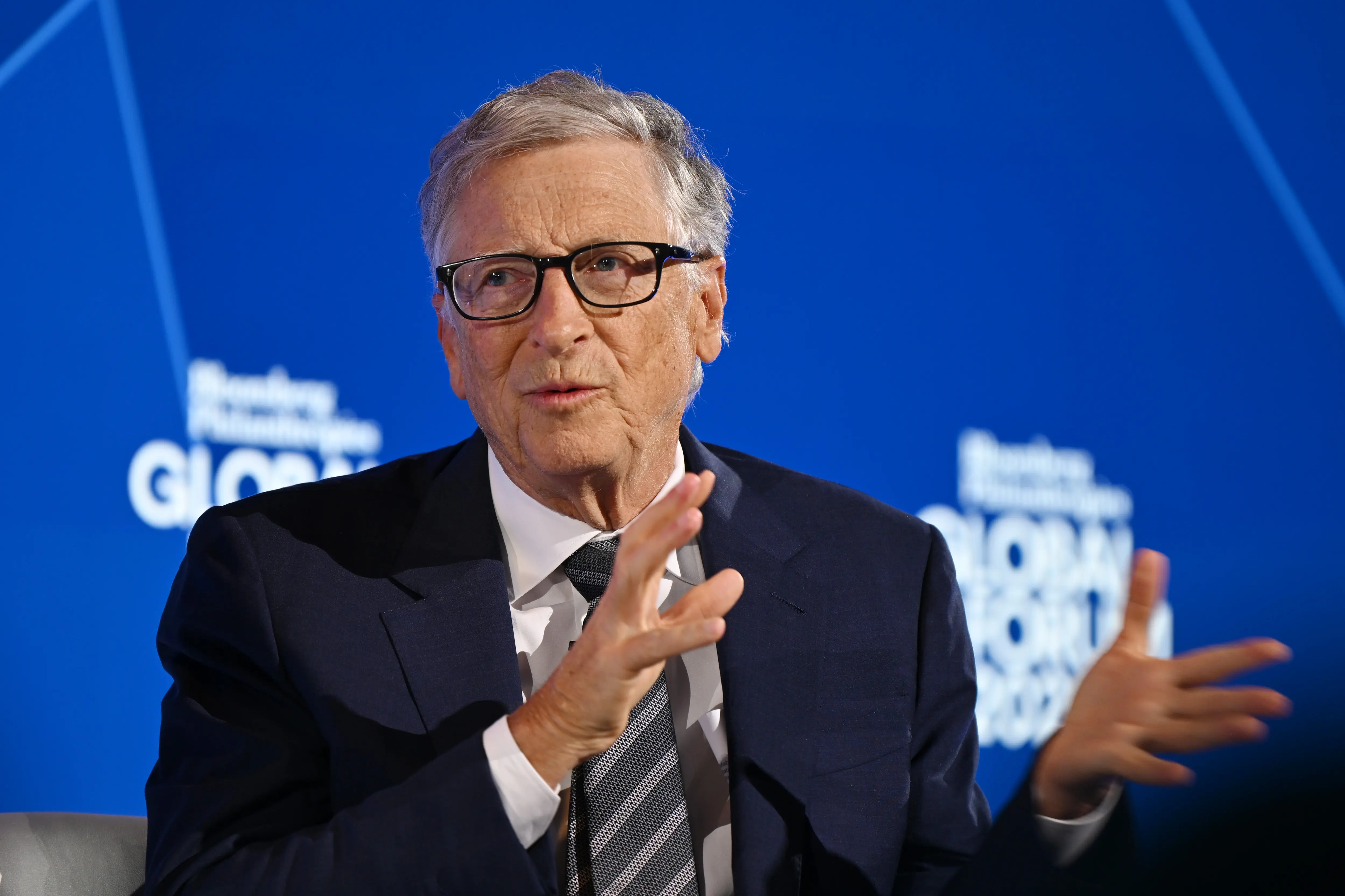
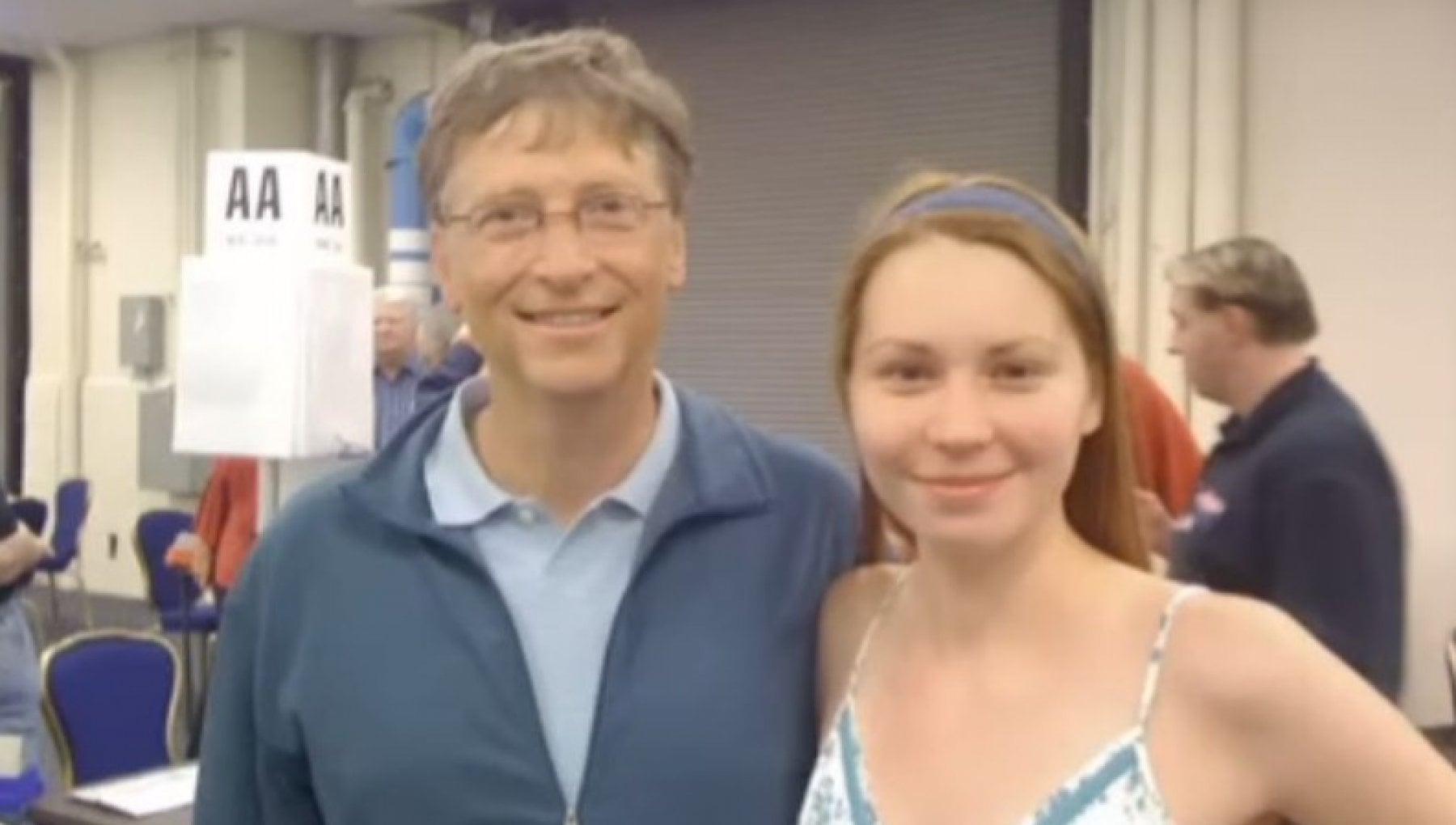
Bill Gates and Mila Antonova were involved in a brief romantic relationship around 2010 after meeting at a bridge tournament. This connection became a matter of significant public record in 2023 when reports revealed that Jeffrey Epstein discovered the affair and allegedly attempted to use that information to blackmail Gates in 2017.
The intersection of Bill Gates, one of the world’s most prominent philanthropists, and Mila Antonova, a Russian bridge player and software engineer, provides a complex look into how personal relationships can intersect with high-stakes international networking. While the relationship itself was private and occurred years before it was made public, the involvement of Jeffrey Epstein transformed the narrative from a personal matter into a broader investigation of Epstein's attempts to exert influence over global elites. As of 2026, this event remains a pivotal case study in reputational risk and the scrutiny faced by public figures regarding their historical associations.
Who is Mila Antonova?
Mila Antonova is a Russian-born bridge player who moved to the United States and eventually transitioned into the technology sector as a software engineer. Before her name became synonymous with the Gates-Epstein controversy, she was known within the competitive bridge community. Bridge, a game of deep strategy and mathematical precision, has long been a favored pastime for intellectual and financial elites, including figures like Warren Buffett and Bill Gates.
Antonova’s arrival in the United States was marked by her efforts to promote the game of bridge to a younger audience. She founded a business called BridgePlanet, which aimed to provide online tutorials and organize tournaments. Her goal was to modernize the game's image and make it accessible through digital platforms. Despite her passion and expertise, BridgePlanet struggled to secure the significant venture capital required to scale. It was this search for funding that eventually led her into circles where she would cross paths with both Bill Gates and, later, Jeffrey Epstein.
Her professional journey eventually shifted from the bridge table to the tech industry. After her efforts with BridgePlanet stalled, she pursued a career in data science and software engineering. She attended a coding bootcamp—specifically General Assembly—to pivot her skillset. This career transition became a focal point of the Epstein connection, as it was later revealed that Epstein provided the funds for her tuition, a detail he would later attempt to weaponize against Gates.
The Connection Through Bridge
Bill Gates is a well-documented enthusiast of bridge. He has frequently spoken about how the game sharpens the mind and provides a unique social outlet. It was through this shared interest that Gates and Antonova met. Around 2010, the two were seen together at bridge tournaments, and a video even surfaced of Antonova giving a presentation about bridge, in which she joked about her interaction with Gates.
The relationship between Gates and Antonova was reported to be a brief romantic involvement that occurred during a period when Gates was still married to Melinda French Gates. At the time, the relationship remained entirely out of the public eye. For Antonova, meeting Gates was an opportunity to connect with a fellow bridge lover who also happened to be one of the most successful tech entrepreneurs in history. For Gates, the relationship was a private chapter that only became a liability years later when Jeffrey Epstein learned of it.
The strategic nature of bridge is often cited as the reason why high-net-worth individuals are drawn to it. It requires players to manage incomplete information, calculate odds, and understand the psychology of their opponents. These are the same skills used in business and philanthropy, making bridge tournaments a unique networking environment. In this context, the meeting of a world-famous billionaire and a professional player from Russia was not unusual, though the long-term consequences of their acquaintance were unforeseen.
The Entry of Jeffrey Epstein
The narrative shifted significantly in 2013 when Antonova, still seeking funding for BridgePlanet, met Jeffrey Epstein through Boris Nikolic, a science advisor to Bill Gates. Antonova was looking for $500,000 to launch her bridge business. According to reports from the Wall Street Journal, Epstein did not end up investing in the company, but he did meet with Antonova on several occasions.
While Epstein declined to fund BridgePlanet, he showed a peculiar interest in Antonova’s personal and professional development. When she decided to pivot into software engineering, Epstein paid for her coding bootcamp tuition directly. Antonova has stated in interviews that she did not know the full extent of Epstein's background or the nature of his crimes at the time, viewing him simply as a wealthy individual who was willing to help a struggling entrepreneur.
Epstein’s pattern of behavior often involved "facilitating" favors for individuals connected to powerful figures. By paying for Antonova's education, Epstein effectively gained a piece of leverage—a documented connection to a woman who had been romantically involved with Bill Gates. This tactic of collecting "social debts" and sensitive information was a hallmark of Epstein’s operation, used to maintain access to high-level circles and protect himself from legal scrutiny.
The 2017 Blackmail Attempt
The most consequential development in the Antonova-Gates story occurred in 2017. By this time, Epstein was attempting to establish a massive, multi-billion dollar charitable fund in partnership with JPMorgan Chase. The goal of this fund was to create a "Global Health Investment Fund" that would, ostensibly, burnish Epstein's reputation and provide him with a legitimate platform in the world of global health and philanthropy.
Epstein needed the backing of Bill Gates to give the project credibility. Gates, however, resisted the partnership. According to sources familiar with the matter, Epstein sent an email to Gates in 2017 that appeared to be a thinly veiled threat. In the email, Epstein asked Gates to reimburse him for the cost of Mila Antonova’s coding bootcamp.
The implication of the email was clear: Epstein was signaling that he was aware of the prior affair between Gates and Antonova and was prepared to make that information public if Gates did not comply with his professional requests. Gates did not pay the reimbursement, and the charitable fund never materialized. A spokesperson for Bill Gates has stated that Gates had no financial dealings with Epstein and that the attempt at blackmail was unsuccessful.
| Year | Key Event | Description |
|---|---|---|
| 2010 | Initial Meeting | Bill Gates and Mila Antonova meet at a bridge tournament and begin a brief relationship. |
| 2013 | Epstein Introduction | Antonova meets Jeffrey Epstein while seeking funding for her startup, BridgePlanet. |
| 2014 | Tuition Payment | Epstein pays for Antonova’s coding bootcamp at General Assembly. |
| 2017 | Blackmail Attempt | Epstein emails Gates requesting reimbursement for the tuition, implying knowledge of the affair. |
| 2021 | Gates Divorce | Bill and Melinda French Gates finalize their divorce; Melinda later cites Epstein as a factor. |
| 2023 | Public Revelation | The Wall Street Journal publishes the full investigation into the Antonova-Epstein-Gates link. |
Impact on the Gates Foundation and Personal Reputation
The revelation of the relationship and the subsequent blackmail attempt had profound implications for Bill Gates’s public image and the Bill & Melinda Gates Foundation. While the foundation has continued its mission to improve global health and reduce poverty, the association with Epstein—however coerced or indirect—cast a shadow over its leadership.
Melinda French Gates has been vocal about her discomfort with Bill’s associations with Epstein. In a 2022 interview, she noted that she made it clear she did not like that Bill had meetings with him. The realization that Epstein was attempting to use a past affair as leverage added another layer of complexity to the divorce proceedings and the public’s perception of the Gates's private life.
The 2023 reports forced a new level of transparency from the Gates camp. It highlighted the dangers of "social engineering" used by figures like Epstein to infiltrate elite circles. For the tech and philanthropic world, the Antonova story served as a reminder that personal history can be weaponized in professional environments, especially when dealing with bad actors who specialize in gathering kompromat (compromising material).
Reputational Risk Management in 2026
By 2026, the strategy for managing the fallout of the Antonova story has shifted from crisis response to long-term transparency. The Gates Foundation has implemented stricter vetting processes for partners and advisors to prevent similar associations. The narrative has also shifted toward the broader systemic issue of how individuals like Epstein were allowed to operate within high-society circles for so long without being challenged.
For Bill Gates, the focus has returned to his work in climate change and pandemic preparedness. However, the Antonova-Epstein connection remains a standard part of his biographical record. It is frequently cited in discussions regarding the ethics of billionaire philanthropy and the personal vulnerabilities of public figures. The story is no longer just about an affair; it is about the intersection of privacy, power, and the predatory tactics of one of the 21st century's most notorious criminals.
Frequently Asked Questions
Did Mila Antonova know about Jeffrey Epstein's crimes?
Mila Antonova has stated that she was unaware of the extent of Jeffrey Epstein's criminal history when she met him in 2013. At the time, Epstein was a known figure in wealthy social circles, and she approached him as a potential investor for her bridge-related business venture. She has characterized her interaction with him as focused on her professional goals and his eventual payment of her tuition.
How did Jeffrey Epstein find out about the affair?
While the exact method of how Epstein discovered the relationship is not publicly confirmed, it is widely believed he learned of it through his extensive network of social contacts and his habit of monitoring the private lives of high-net-worth individuals. Epstein was known for "collecting" information on the powerful people he associated with to use as leverage.
Was Bill Gates ever legally implicated in Epstein's activities?
No, Bill Gates has not been legally charged or implicated in the crimes committed by Jeffrey Epstein. The scrutiny has primarily focused on his judgment in meeting with Epstein multiple times after Epstein’s 2008 conviction and the subsequent attempt by Epstein to use the Antonova affair as leverage for a charitable partnership.
What happened to BridgePlanet?
BridgePlanet, the startup founded by Mila Antonova, did not achieve long-term commercial success. Despite her efforts to modernize bridge through digital tutorials and social networking, the company failed to secure the necessary funding from investors, including the failed pitch to Epstein. Antonova eventually transitioned into a career in software engineering and data science.
Did Bill Gates pay the money Epstein requested?
According to representatives for Bill Gates, he did not pay the money Epstein requested in the 2017 email. The email was viewed as an attempt to exert influence through intimidation, which Gates refused to acknowledge or fulfill. The two had no documented financial transactions between them.
Why is bridge so important to this story?
Bridge serves as the social "connective tissue" of the story. It was the reason Gates and Antonova met and the basis for Antonova’s business ambitions. Because bridge is a game played by the global elite, it provided the specific social environment where a professional player could naturally cross paths with a billionaire, creating the initial connection that Epstein later exploited.
Practical Recommendations for Risk Awareness
The saga of Antonova and Gates offers several lessons for professionals and high-profile individuals regarding historical associations and the management of personal information.
- Understand Social Engineering: Recognize that predatory figures often use small favors (like paying for tuition) to create a sense of obligation or to establish a paper trail that links them to influential people.
- Vetting and Due Diligence: Even in social or "hobby-based" circles (like bridge or chess clubs), it is essential to conduct due diligence on those who offer significant financial support or introductions to other elites.
- Address Vulnerabilities Proactively: The Gates-Epstein situation demonstrates that unaddressed personal vulnerabilities can be weaponized years later. Modern reputational management often involves being transparent about past mistakes before they can be used as leverage by third parties.
- Separation of Personal and Professional Interests: High-net-worth individuals are encouraged to maintain strict boundaries between personal hobbies and professional philanthropic or business partnerships to minimize the risk of "social crossover" being exploited.