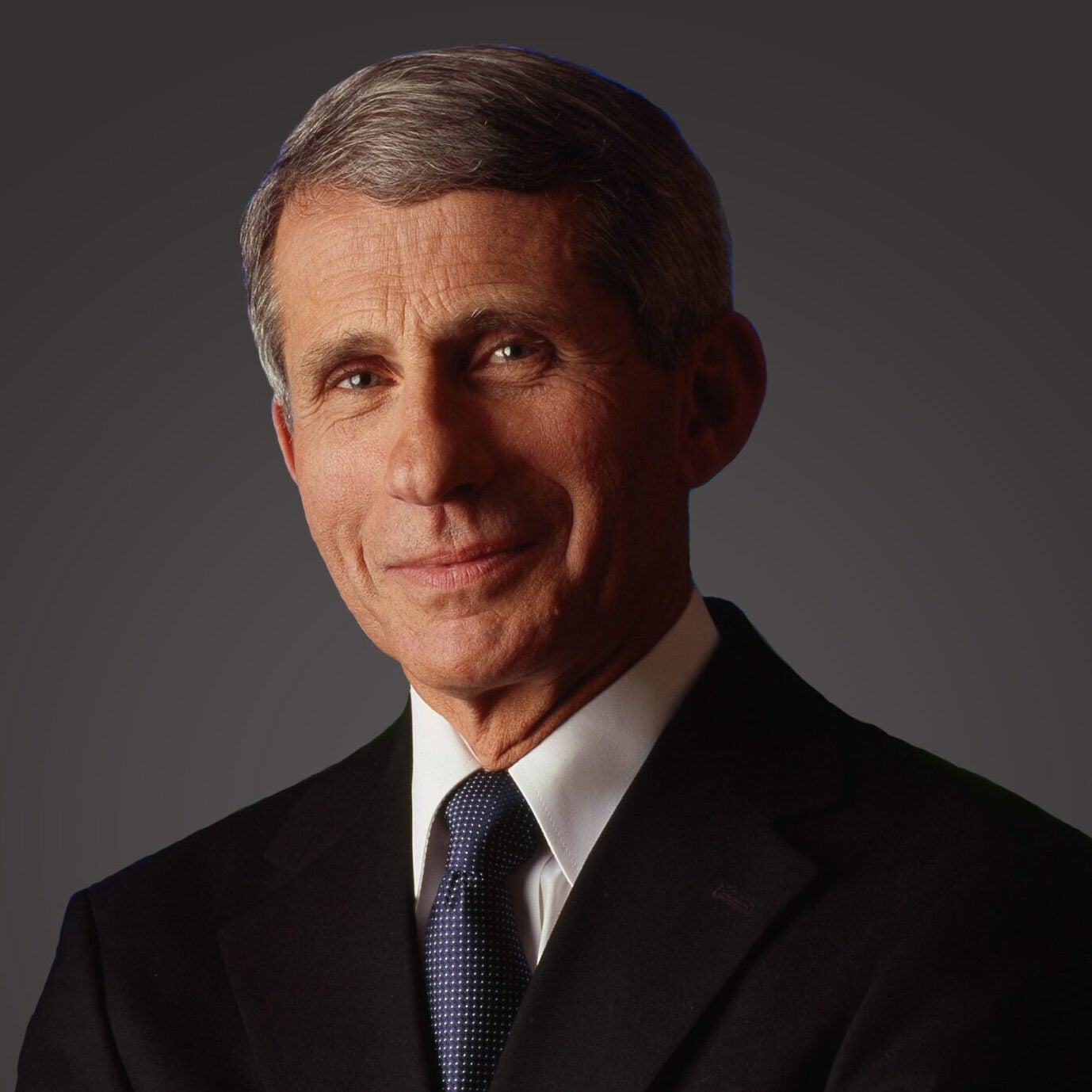
Dr. Anthony Fauci’s height is documented across verified biographical entries, news archives, and historical sports records as 5 feet 7 inches (170 cm). While public biographical databases routinely include physical attributes, official federal civil service records maintained by government agencies do not publish physical measurements like height due to personal privacy protection statutes governing executive branch personnel files.
Understanding Anthony Fauci’s Height and Physical Profile
Public interest in the physical traits of prominent government officials often leads researchers and citizens to search official archives, biographical entries, and government records. For Dr. Anthony S. Fauci—the long-serving former director of the National Institute of Allergy and Infectious Diseases (NIAID) and Chief Medical Advisor to the President—his documented height is 5 feet 7 inches (approximately 170 cm).
Throughout his public service career spanning nearly six decades, Dr. Fauci’s height has been noted in various published media profiles, athletic alumni records, and biographical encyclopedias. During his youth, Fauci was known for his active participation in competitive sports, serving as the point guard and team captain for the basketball team at Regis High School in New York City during his senior year in the late 1950s. Despite being shorter than the average basketball player, historical accounts and contemporary team rosters recorded his height at 5'7", noting his fast-paced play style and tactical leadership on the court.
| Physical/Biographical Attribute | Documented Detail | Primary Verification Source |
|---|---|---|
| Height | 5 feet 7 inches (170 cm) | High school sports records, published profiles |
| High School Basketball Role | Point Guard / Team Captain | Regis High School Archives (New York, NY) |
| Undergraduate Institution | College of the Holy Cross (Class of 1962) | Academic Alumni Records |
| Medical School | Cornell University Medical College (1966) | Institutional Historical Records |
| NIAID Directorship Tenure | 1984 – 2022 | National Institutes of Health (NIH) Records |
While height is a standard data point in biographical summaries, the distinction between open biographical publications and legally restricted government archives determines how physical data is stored and released to the public.
Federal Personnel Files vs. Public Biographical Records
A common point of confusion for public record researchers is the difference between open media biographical profiles and government administrative files. When citizens attempt to locate physical metrics in federal employment files, they frequently encounter statutory limits set by administrative rules.
Standard Form 50 and Civil Service Documentation
Federal civil service employment records—such as the standard personnel notifications maintained by the Office of Personnel Management (OPM) and the Department of Health and Human Services (HHS)—focus primarily on job classifications, pay grade series (such as General Schedule or Senior Executive Service), performance evaluations, appointment dates, and duty locations.
The standard federal employment forms (including SF-50 Notification of Personnel Action) do not collect or record an employee's height or physical measurements. As a result, official civil service personnel files released through routine agency record requests do not contain physical descriptive data unless the position specifically requires standardized physical performance standards, such as positions in federal law enforcement or active military service.
Privacy Act and Freedom of Information Act (FOIA) Restrictions
Even when federal agencies possess records containing personal identifiers (such as medical clearance files or security clearance background investigations), this information is strictly protected from public disclosure:
- FOIA Exemption 6 (5 U.S.C. § 552(b)(6)): Protects personnel, medical, and similar files whose disclosure would constitute a clearly unwarranted invasion of personal privacy. Under this exemption, federal agencies routinely withhold personal biometric data, height, weight, medical history, and home address information when responding to requests from the media or public.
- The Privacy Act of 1974 (5 U.S.C. § 552a): Prevents government agencies from disclosing personal records maintained in a system of records without the written consent of the subject, except under specific statutory exemptions.
Consequently, official federal employment dossiers do not serve as public registers for physical statistics like height. Researchers seeking verified physical information must rely instead on published historical records, contemporaneous sports journalism, authorized biographies, and public university or high school archival entries.
Historical and Educational Archives Documenting Dr. Fauci
Before entering federal service at the National Institutes of Health in 1968, Anthony Fauci’s academic and athletic endeavors created a trail of historical records that document his height and early background.
- Regis High School Archives
- Captain & Point Guard (Height: 5'7")
- College of the Holy Cross
- Classics Major / Pre-Med (Graduated 1962)
- Cornell University Medical College
- Doctor of Medicine (Graduated 1966)
High School Athletic Listings
At Regis High School, a private Jesuit high school in Manhattan, Fauci was an accomplished athlete. The school's historical basketball program rosters and yearbook publications from the 1957–1958 season record his physical attributes as a senior point guard. In these high school publications, his height was recorded at 5 feet 7 inches. Profiles of the 1958 Regis team routinely emphasized how the squad compensated for a lack of extreme height with speed, precise ball-handling, and aggressive defensive play.
University and Medical School Portfolios
Fauci attended the College of the Holy Cross in Worcester, Massachusetts, graduating in 1962 with a Bachelor of Arts degree in Classics while completing pre-medical requirements. While university registrar records focus on academic transcripts rather than physical statistics, student directories and local media reporting during his collegiate years continued to reflect the established 5'7" metric. Subsequent medical school records at Cornell University Medical College (now Weill Cornell Medicine) similarly preserved personal biographical profiles used for official graduation announcements and alumni registry entries.
Security Details and Identification Records
As a high-profile public official, Dr. Fauci was assigned specialized protective details at various points in his career, particularly during the COVID-19 pandemic when security was managed by federal law enforcement bodies, including the United States Marshals Service and the HHS Office of Inspector General.
Driver's Licenses and State Motor Vehicle Records
State Departments of Motor Vehicles (DMVs) collect height and weight data for driver's licenses and state-issued identification cards. However, state driver's license databases are protected by the Driver's Privacy Protection Act of 1994 (DPPA) (18 U.S.C. § 2721 et seq.). The DPPA prohibits state DMVs from releasing personal driver information—including physical descriptors, addresses, and photos—to the general public without the express permission of the individual, except under limited law enforcement or legal process exceptions.
Passport and Federal Credential Records
Federal identification credentials issued to government employees, such as Personal Identity Verification (PIV) cards or diplomatic passports, involve biometric registration. The U.S. Department of State maintains passport records, which contain basic personal information submitted during application. Like driver records, passport records are protected under the Privacy Act of 1974 and are inaccessible via public Freedom of Information Act requests filed by third parties.
Public Records Data Availability Comparison
To understand how personal information is handled across different record repositories, the table below compares the availability of physical metrics like height across various public, state, and federal record categories.
| Record Category | Governing Jurisdiction / Body | Contains Height Data? | Publicly Accessible? | Applicable Privacy Restrictions |
|---|---|---|---|---|
| Federal OPM Personnel Files (SF-50) | U.S. Office of Personnel Management | No | Partial (Employment facts only) | FOIA Exemption 6 |
| High School & College Sports Archives | Educational Institutions | Yes | Yes (Archival rosters/yearbooks) | Institutional policies |
| State Driver's License Records | State Motor Vehicle Agencies | Yes | No | Driver's Privacy Protection Act (DPPA) |
| U.S. Passport Files | U.S. Department of State | Yes | No | Privacy Act of 1974 |
| Published Media & Encyclopedic Bios | Independent Publishers / News Outlets | Yes | Yes | None (Public domain/copyright) |
| Federal Security Clearance Records | Defense Counterintelligence & Security | Yes | No | Privacy Act / Executive Orders |
Why Public Curiosity About Public Health Officials Persists
During major public health events, leadership figures face intense public scrutiny. This transparency often extends beyond official policy statements into personal background details, historical records, and biographical facts.
For researchers, historians, and journalists, verifying personal data through official and authoritative sources is essential for accurate reporting. While internet search trends often surface unverified claims, cross-referencing reliable biographical archives—such as educational transcripts, published media interviews, and official institutional biographies—ensures factual accuracy.
Dr. Fauci’s physical height of 5'7" remains a small biographical detail within a long career in public health administration. Understanding how federal privacy laws govern public employee data helps explain why official government personnel files do not list every physical detail, directing researchers to appropriate historical and published secondary sources instead.
Frequently Asked Questions
What is Dr. Anthony Fauci's officially documented height?
Dr. Anthony Fauci's height is documented as 5 feet 7 inches (170 cm) across authorized media profiles, educational athletics archives, and published biographical references.
Do official government employment records list physical details like height?
No. Standard federal civil service employment forms, such as the SF-50 maintained by the Office of Personnel Management (OPM), do not collect or record height or weight for civil service administrative roles.
Can you obtain Dr. Fauci’s driver's license or passport records through FOIA?
No. Personal motor vehicle records are protected by the Driver's Privacy Protection Act (DPPA), and passport files are protected by the Privacy Act of 1974 and FOIA Exemption 6. Federal agencies automatically withhold personal biometric and identification records to prevent invasions of personal privacy.
Did Anthony Fauci play sports that documented his physical stats early in life?
Yes. Dr. Fauci was the point guard and team captain for the basketball team at Regis High School in New York City during his senior year (1957–1958). High school sports rosters and yearbook entries from that era record his height as 5 feet 7 inches.
Why doesn't the NIH publish physical measurements for its leadership?
The National Institutes of Health (NIH) publishes professional qualifications, academic degrees, research publications, and career histories for its scientists and directors. NIH administrative policies and federal guidelines restrict the publication of personal physical characteristics, focus areas being limited to official duties, clinical research, and administrative oversight.
Recommended Next Steps for Public Records Researchers
If you are conducting historical or biographical research on public health officials or federal executives:
- Consult Authorized Archival Collections: For academic, early-life, and athletic history, review published institutional yearbooks, official university press archives, or national biographical databases rather than administrative employment records.
- Review FOIA Exemption Rules: Before submitting Freedom of Information Act requests for federal personnel files, consult the U.S. Department of Justice FOIA Guide to understand what personal information is excluded under Exemption 6.
- Utilize Federal Administrative Repositories: For verified career facts, service dates, pay grades, and official publications, search the National Archives and Records Administration (NARA) or official agency newsroom archives.