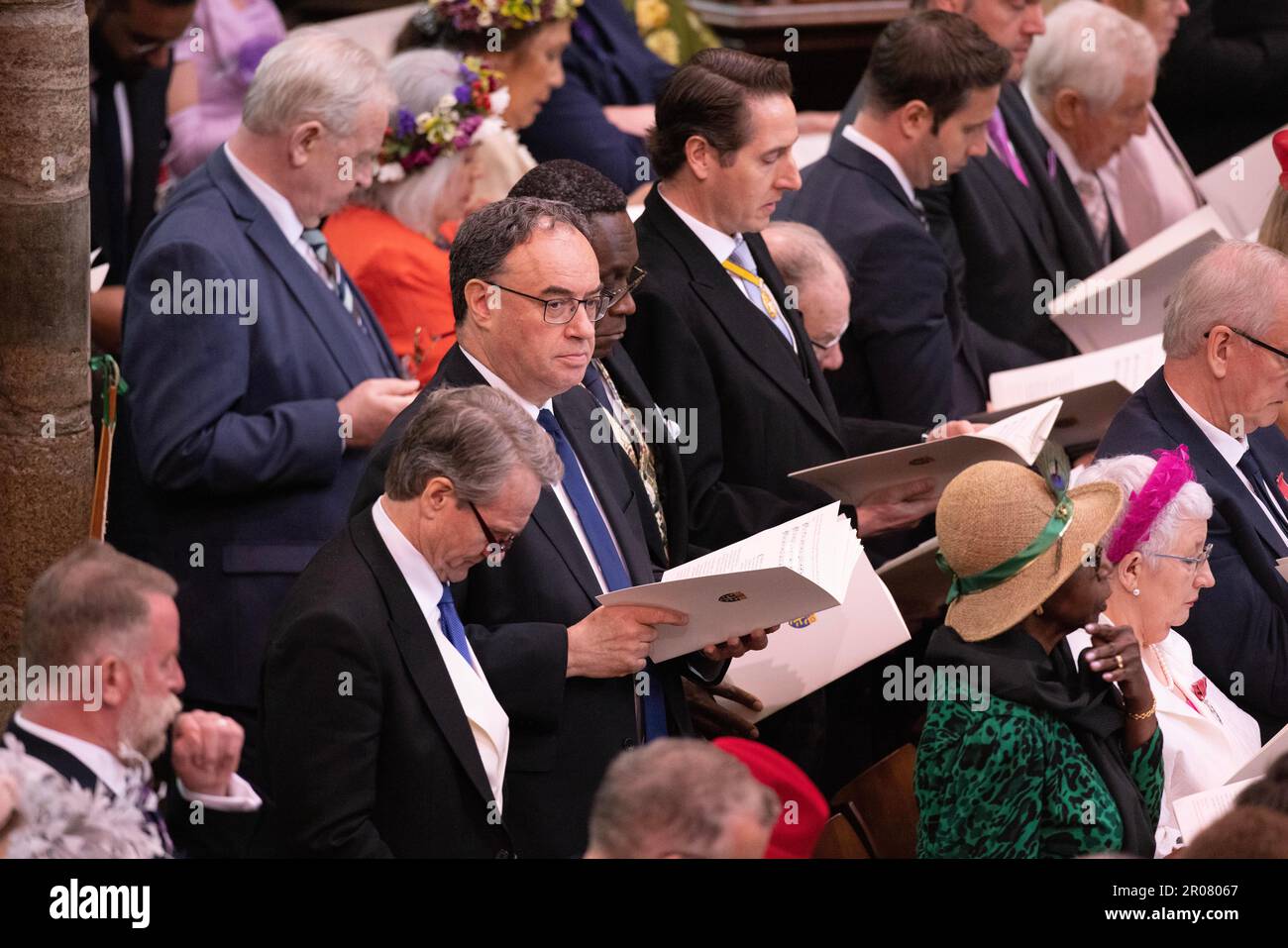
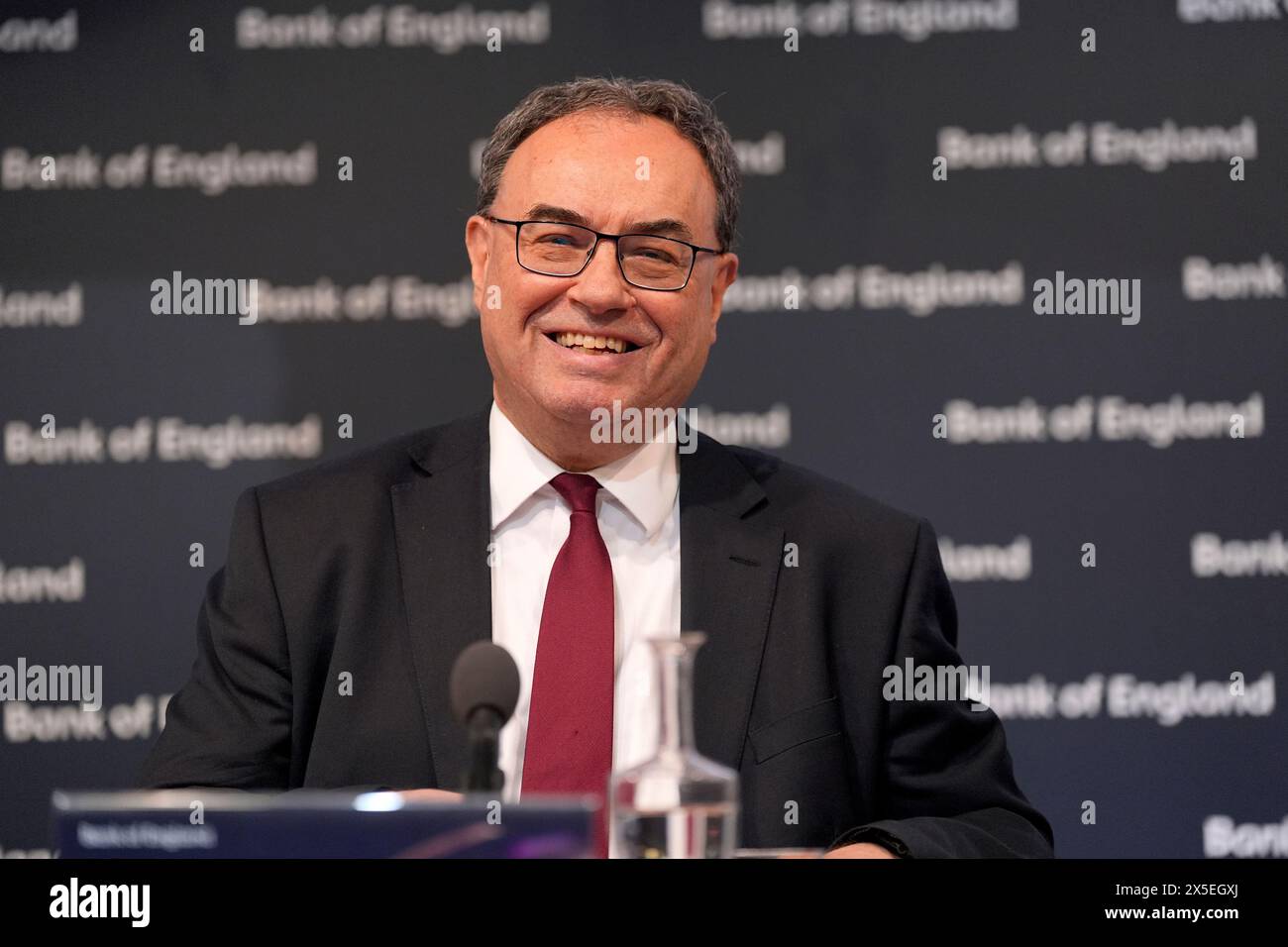
Andrew Bailey, the Governor of the Bank of England, is married to Cheryl Schonhardt-Bailey, a distinguished Professor of Political Science at the London School of Economics. The couple has two sons and maintains a high degree of privacy regarding their domestic life while navigating the demands of one of the United Kingdom’s most influential public offices.
Andrew Bailey’s tenure as the Governor of the Bank of England (BoE) has been defined by unprecedented economic shifts, from the aftermath of the global pandemic to the inflationary pressures of the mid-2020s. However, behind the public-facing role of the UK's chief central banker lies a family life rooted in academic rigor and a deliberate separation of private and professional spheres. To understand Andrew Bailey is to understand the partnership he shares with his wife, an intellectual heavyweight in her own right, and the quiet upbringing that shaped his pragmatic approach to governance.
The Partnership of Andrew Bailey and Cheryl Schonhardt-Bailey
The marriage between Andrew Bailey and Cheryl Schonhardt-Bailey is often described by those in London’s intellectual circles as a meeting of formidable minds. Unlike the families of many high-ranking officials who remain entirely in the background, Cheryl Schonhardt-Bailey is a prominent figure in British and international academia. Her career does not merely run parallel to Andrew’s; in many ways, their fields of expertise intersect, providing a unique domestic environment where the mechanics of power, politics, and economics are constantly examined.
Cheryl Schonhardt-Bailey is an American-born academic who has spent decades in the United Kingdom. She is currently a Professor in Political Science at the London School of Economics and Political Science (LSE) and a Fellow of the British Academy. Her work focuses on the intersection of economics and politics, particularly through the lens of quantitative textual analysis. While Andrew manages the practical application of monetary policy, Cheryl investigates the rhetoric and deliberation that drive political and economic decision-making.
This partnership is foundational to Andrew Bailey’s public life. Throughout his career—from his long stint at the Bank of England to his leadership of the Financial Conduct Authority (FCA)—he has often been characterized as a "safe pair of hands." This groundedness is frequently attributed to his stable home life and the intellectual sounding board provided by his wife. The couple’s shared history in academia, particularly their time associated with the University of Cambridge, established a pattern of rigorous analysis that Bailey brought into his regulatory and banking roles.
Cheryl Schonhardt-Bailey: An Academic Powerhouse
To fully grasp the "Andrew Bailey family" dynamic, one must look closely at Cheryl’s individual contributions. Her academic pedigree is extensive, having earned her PhD from the University of California, Los Angeles (UCLA). Her research has been pioneering, specifically her use of computer-aided content analysis to study parliamentary debates and committee deliberations.
One of her most cited works involves the repeal of the Corn Laws in 19th-century Britain. In her book, From the Corn Laws to Free Trade, she utilized sophisticated data to analyze how interests and ideas shifted during one of the most pivotal economic transitions in UK history. This historical focus on trade and economic liberalization mirrors the challenges Andrew Bailey has faced in the 2020s, particularly in managing the UK's post-Brexit economic landscape.
Furthermore, Cheryl has published research specifically on the Federal Open Market Committee (FOMC) in the United States and the Monetary Policy Committee (MPC) in the UK. By studying the transcripts of these meetings, she has provided insights into how central bankers deliberate and reach a consensus. This creates a fascinating dynamic: while Andrew is leading the MPC and making decisions on interest rates and quantitative easing, his wife is one of the world’s leading experts on how those very types of decisions are linguistically and politically constructed.
Key Academic Affiliations and Honors:
- Professor of Political Science: London School of Economics (LSE).
- Fellow of the British Academy (FBA): Elected in 2015, an honor reserved for the most distinguished scholars in the humanities and social sciences.
- Head of Department: She has served as the Head of the Department of Government at LSE, managing one of the most prestigious political science faculties in the world.
Andrew Bailey’s Formative Years and Roots
Andrew Bailey was born on March 30, 1959, in Leicester, England. His family background was modest compared to the aristocratic lineages often associated with historical Governors of the Bank of England. His father was a clerk, and his upbringing was firmly rooted in the values of the post-war British middle class. This background has often been cited as the source of Bailey’s understated demeanor and his preference for technical competence over flashiness.
Bailey attended Wyggeston Boys' Grammar School in Leicester, a school known for its high academic standards. From there, he moved to Queens' College, Cambridge, where he earned a BA, an MA, and eventually a PhD in History. His doctoral thesis focused on the impact of the Napoleonic Wars on the local economy of Milton Keynes (specifically the North Buckinghamshire area). This early immersion in economic history laid the groundwork for his eventual career at the Bank of England, which he joined in 1985.
The influence of his parents and his Leicester upbringing remains a subtle but persistent part of his public identity. He is often seen as a representative of the "meritocratic" Bank of England—a leader who rose through the ranks based on expertise and institutional knowledge rather than social connections.
The Private Life of the Bailey Children
Andrew and Cheryl have two sons. In an era where the children of public figures are often subject to intense social media scrutiny, the Baileys have been remarkably successful in keeping their children out of the tabloid spotlight. This privacy is a deliberate choice, reflecting a broader British tradition among high-level civil servants and technocrats to insulate their families from the political fray.
The children grew up in a household where both parents held high-pressure, high-intellect roles. While their specific career paths are not publicized, it is known that the family has historically resided in Kent, balancing the rural peace of the "Garden of England" with the intense atmosphere of the City of London. As of 2026, the sons are adults, but the family remains protective of their identities to prevent their personal lives from being weaponized in political debates regarding the Bank’s policies.
Balancing Public Duty and Private Life
Living as the Governor of the Bank of England involves more than just a 9-to-5 job; it is a life lived under constant surveillance by the markets, the press, and the public. For the Bailey family, this has meant navigating significant challenges, particularly during the cost-of-living crisis of the early 2020s.
When the Governor makes public statements—such as his 2022 suggestion that workers should not ask for large pay rises to help curb inflation—the backlash can be intense and personal. For a spouse like Cheryl, who understands the political theory behind such statements but also sees the human reaction, the pressure is multifaceted. The family has had to adapt to increased security protocols and the psychological weight of being the face of the UK’s economic struggles.
The "Bank House" and Living Arrangements
Traditionally, the Governor of the Bank of England has access to certain official residences or accommodations, but the Baileys have largely maintained their own private residence. This choice further reinforces their desire for a life that exists independently of the "Old Lady of Threadneedle Street." The ability to retreat to a family home away from the central bank is often described as essential for maintaining the clarity of thought required for the Governor's role.
Comparison of Professional Profiles within the Bailey Family
The following table highlights the parallel but distinct paths taken by Andrew and Cheryl, illustrating how their combined expertise covers both the practical and theoretical sides of governance.
| Feature | Andrew Bailey | Cheryl Schonhardt-Bailey |
|---|---|---|
| Primary Field | Central Banking & Financial Regulation | Political Science & Quantitative Analysis |
| Education | PhD in History (Cambridge) | PhD in Political Science (UCLA) |
| Current/Recent Role | Governor of the Bank of England | Professor at LSE / Fellow of British Academy |
| Key Focus Area | Monetary Policy & Financial Stability | Deliberative Democracy & Rhetoric in Policy |
| Public Profile | High; Frequent media and select committee appearances | Moderate; Academic and specialist circles |
| Notable Work | Response to the 2008 Financial Crisis (at BoE) | From the Corn Laws to Free Trade |
| Nationality | British | American (Naturalized British) |
The Role of a Central Banker’s Family in 2026
By 2026, the expectations placed on public officials and their families have evolved. There is a greater demand for transparency regarding personal finances and potential conflicts of interest. Andrew Bailey and his family have been subject to the strict disclosure rules of the Bank of England, ensuring that Cheryl’s academic work and any personal investments are fully insulated from Andrew’s policy decisions.
This level of scrutiny is a "new normal" for the Bailey family. As Andrew approaches the latter stages of his term (which is set to run until 2028), the family's role has shifted toward preparing for a post-Bank legacy. The resilience of their family unit throughout the tumultuous economic cycles of the 2020s serves as a case study in how modern public figures maintain personal stability amid national volatility.
Public Perception and Privacy Concerns
One of the most significant hurdles for the Bailey family has been the "relatability" factor. In a climate of high interest rates, the wealth and security associated with the Governor’s position (with a salary exceeding £575,000 as of recent reports) can create a disconnect with the general public.
The family has managed this by avoiding the "celebrity" circuit. You will not find the Baileys in gossip columns or high-society magazines. Instead, their public appearances are almost exclusively professional or related to their shared interest in the arts and academia. This "low-profile" strategy has been their primary defense against the polarized nature of modern British politics.
Frequently Asked Questions
Who is Andrew Bailey's wife?
Andrew Bailey is married to Cheryl Schonhardt-Bailey. She is a prominent academic, serving as a Professor of Political Science at the London School of Economics (LSE) and is a Fellow of the British Academy. Her research focuses on political economy and quantitative textual analysis of parliamentary and financial deliberations.
Does Andrew Bailey have children?
Yes, Andrew Bailey and his wife Cheryl have two sons. The family has made a concerted effort to keep their children out of the public eye, and as a result, very little personal information or imagery of the children is available in the public domain.
Where does the Bailey family live?
Historically, the family has lived in Kent, which allows for a commute into the City of London while maintaining a private residence outside the immediate urban center. While the Governor has access to professional facilities in London, they have prioritized a private family home.
Is Cheryl Schonhardt-Bailey involved in the Bank of England?
No, she has no official role at the Bank of England. However, her academic research often explores the way central banks (including the BoE and the US Federal Reserve) communicate and make decisions. This work is independent and conducted through her position at the London School of Economics.
What is the nationality of Andrew Bailey's family?
Andrew Bailey is British, born in Leicester. His wife, Cheryl Schonhardt-Bailey, is originally from the United States but has lived and worked in the United Kingdom for many years, holding British citizenship and contributing significantly to the UK's academic landscape.
Final Perspective on the Bailey Family
For those seeking to understand the man behind the UK’s monetary policy, looking at the Andrew Bailey family reveals a life built on academic rigor, intellectual partnership, and a steadfast commitment to privacy. The combination of Andrew’s practical experience in the machinery of the British state and Cheryl’s deep theoretical understanding of political economy creates a unique "power couple" that operates far from the cameras but at the very heart of British intellectual life.
As the economic landscape continues to evolve in 2026, the stability of this family unit remains a silent but vital component of the Governor’s ability to navigate the pressures of his office. For the public, the lesson of the Bailey family is one of boundaries: even in the highest offices of the land, it is possible to maintain a private world defined by family values and professional excellence rather than public spectacle.