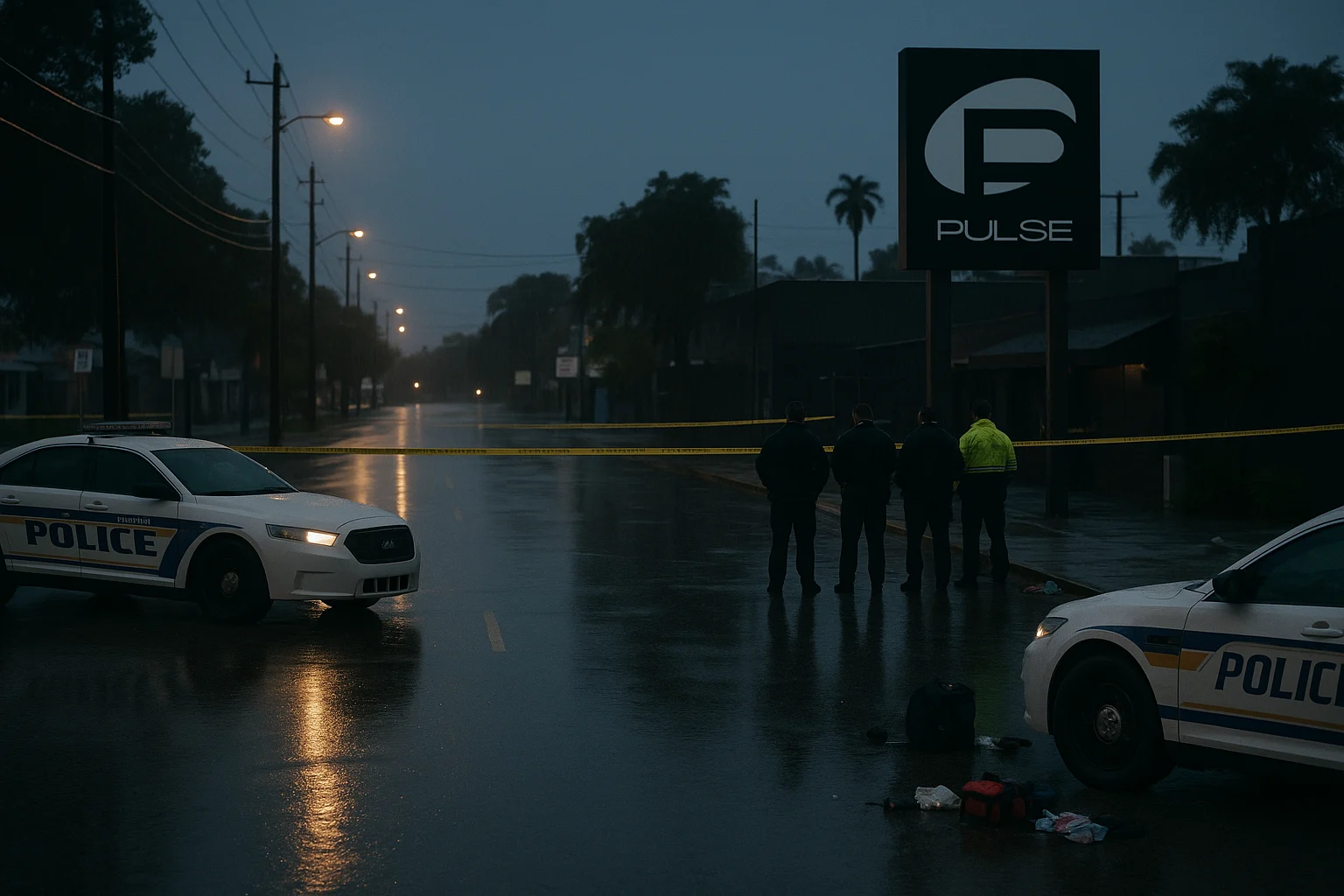
The Pulse nightclub shooting, which occurred on June 12, 2016, in Orlando, Florida, is legally and sociologically categorized as an act of terrorism and a hate crime. The attack targeted the LGBTQ+ community, specifically individuals identifying as Latinx, during a pride-themed event. Official federal investigations and subsequent judicial findings have consistently classified the event based on the motivation of the perpetrator, Omar Mateen, which was rooted in extremist ideology and bias-motivated animus.
Defining the Legal Framework of Hate Crimes
To understand the classification of the Pulse shooting, one must first look at the legal definition of a hate crime in the United States. Under federal law, specifically the Matthew Shepard and James Byrd Jr. Hate Crimes Prevention Act of 2009, a hate crime is a criminal offense motivated, in whole or in part, by an offender’s bias against a person's actual or perceived race, color, religion, national origin, gender, sexual orientation, gender identity, or disability.
Crucially, the federal government does not have a general "hate crime" statute that applies to all violent crimes. Instead, it relies on specific legislative vehicles that allow for federal prosecution when a state or local government is unable or unwilling to act, or when the crime involves specific federal interests. In the case of the Pulse nightclub, the investigation was conducted by the Federal Bureau of Investigation (FBI), which worked alongside local law enforcement to determine the primary motivations behind the violence.
Contextualizing the Attack on Pulse
The events of June 12, 2016, involved an armed assailant who entered the Pulse nightclub, a popular venue for the LGBTQ+ community in Orlando. During the early morning hours, the attacker engaged in a mass shooting that resulted in 49 deaths and 53 injuries. The location was not chosen at random; it was a sanctuary for a marginalized group.
The analysis of whether this was a hate crime hinges on the concept of "bias-motivated violence." Investigators sought to determine if the location was chosen specifically because of the sexual orientation and identity of its patrons. Evidence gathered during the investigation, including communications from the perpetrator during the standoff and subsequent forensic analysis of his digital footprint, supported the conclusion that the victims were targeted because they were members of a protected class.
The Intersection of Terrorism and Hate Crimes
The Pulse nightclub shooting occupies a complex space at the intersection of international terrorism and domestic hate crimes. This "dual-intent" motivation is rare but well-documented in criminal profiling. The perpetrator pledged allegiance to a foreign extremist organization during the commission of the act, which led to an immediate classification as an act of domestic terrorism.
However, the intersectionality of his grievances is vital. While his rhetoric often invoked broader ideological conflicts, the specific target—a gay nightclub on Latin Night—demonstrated a clear bias against the specific demographic present. Most legal scholars and government agencies classify the event as both terrorism (due to the ideological goal of intimidating a population) and a hate crime (due to the specific bias against the sexual orientation and identity of the victims).
Investigatory Evidence and Judicial Findings
Following the shooting, the Department of Justice (DOJ) and the FBI engaged in a years-long evidentiary process. This included:
- Forensic Digital Analysis: Examination of the perpetrator's search history, social media accounts, and private communications.
- Witness Testimonies: Interviews with survivors, family members, and associates to understand the perpetrator's worldview.
- Physical Evidence: Recovery of weapons and personal items that shed light on the planning phases of the attack.
- Communications During the Attack: The 911 calls made by the assailant provided direct, contemporaneous evidence of his intent and the motivations he claimed at the time of the event.
These findings formed the basis for the federal reports that characterize the shooting as a targeted act of hate. While the perpetrator died at the scene, the legal proceedings regarding his estate and potential accomplices further solidified the factual record regarding his motivations.
Comparative Analysis: Distinguishing Hate Crimes
It is helpful to compare the legal classification of the Pulse shooting with other violent events to understand why the "hate crime" label is applied with such consistency. The following table contrasts various indicators used in federal hate crime investigations.
| Indicator | Pulse Nightclub Shooting | Common Random Violence |
|---|---|---|
| Primary Motivation | Bias against sexual orientation/identity | Personal gain, dispute, or random impulse |
| Selection of Target | Intentional (Sanctuary/Community space) | Opportunistic (Location of availability) |
| Messaging | Ideological/Identity-based bias | Generally absent |
| Federal Classification | Domestic Terrorism/Hate Crime | Violent Crime |
The table highlights that the "hate crime" designation is not merely a social or media label but a forensic determination based on the intent of the perpetrator. In the case of Pulse, the intent was to harm a specific group of people due to their identity.
Impact on the LGBTQ+ Community
The analysis of the Pulse shooting as a hate crime is fundamentally linked to the impact it had on the affected community. For many, the tragedy was not a surprise but a manifestation of the vulnerability they experience in public spaces. The designation of the attack as a hate crime serves several legal and social functions:
- Victim Recognition: It acknowledges that the harm done was not just to individuals, but to the collective identity of a community.
- Legal Sentencing/Policy: It allows for specific enhancements in sentencing (had the perpetrator survived) and guides federal funding for victims’ services.
- Data Collection: It contributes to national statistics maintained by the FBI, which informs policy changes regarding the protection of marginalized groups.
The psychological impact of the shooting being officially recognized as a hate crime provided a sense of validation for the survivors and the families of the victims, confirming that the violence was indeed an act of targeted prejudice.
The Role of Federal Agencies in Investigation
The FBI’s role in investigating the Pulse shooting was critical. Because hate crimes often cross jurisdictional lines, federal involvement ensures that the investigation is shielded from local political pressures and that the full power of federal intelligence agencies is applied.
By 2026, the historical record regarding the Pulse nightclub shooting remains settled by these federal investigations. The archives of the Department of Justice clearly define the attack as a manifestation of hate-driven extremism. There is no ambiguity in the official documentation; the investigation successfully established the required elements of proof to sustain the classification of a hate crime under the relevant federal guidelines.
Frequently Asked Questions
Why is the Pulse shooting considered a hate crime if it was also called terrorism? It is not an "either-or" situation. The law allows for an act to be categorized as both. Terrorism refers to the use of violence to achieve ideological or political goals, while a hate crime refers to the targeting of victims based on their identity. The perpetrator’s actions fulfilled both criteria.
Did the government officially label it a hate crime? Yes. The Department of Justice and the FBI conducted extensive investigations that concluded the attack was motivated by bias against the LGBTQ+ community, meeting the legal threshold for a hate crime investigation and classification.
What is the significance of the "Latin Night" factor? The intersection of the victims' sexual orientation and their ethnic background is a central component of the hate crime analysis. The assailant targeted a space that represented a specific cultural and sexual minority, which exacerbated the nature of the bias involved.
Are there any lingering disputes about this classification? While fringe theories exist, the consensus among legal experts, federal investigators, and social justice researchers is firm. The evidence collected from the perpetrator's communications and his planning process provides sufficient, indisputable proof of his hateful intent.
How does this impact current anti-terrorism efforts? The analysis of the Pulse shooting led to a more integrated approach between counter-terrorism intelligence and civil rights enforcement. Agencies now prioritize the monitoring of bias-motivated groups that display signs of moving toward extremist violence.
Conclusion and Next Steps
The Pulse nightclub shooting remains one of the most significant domestic attacks in modern American history. Understanding it as a hate crime is essential for ensuring that the legal and social response remains focused on protecting the vulnerable communities that were targeted.
For those conducting research or seeking historical clarity on this event, it is recommended to consult the official archives of the Department of Justice and the FBI's annual Hate Crime Statistics program. These documents provide the most accurate, unfiltered data regarding the motivation and investigation of the tragedy. For survivors and families, the most reliable resources for ongoing support and information are the localized community centers and victims' advocacy organizations that have been active in Orlando since 2016.