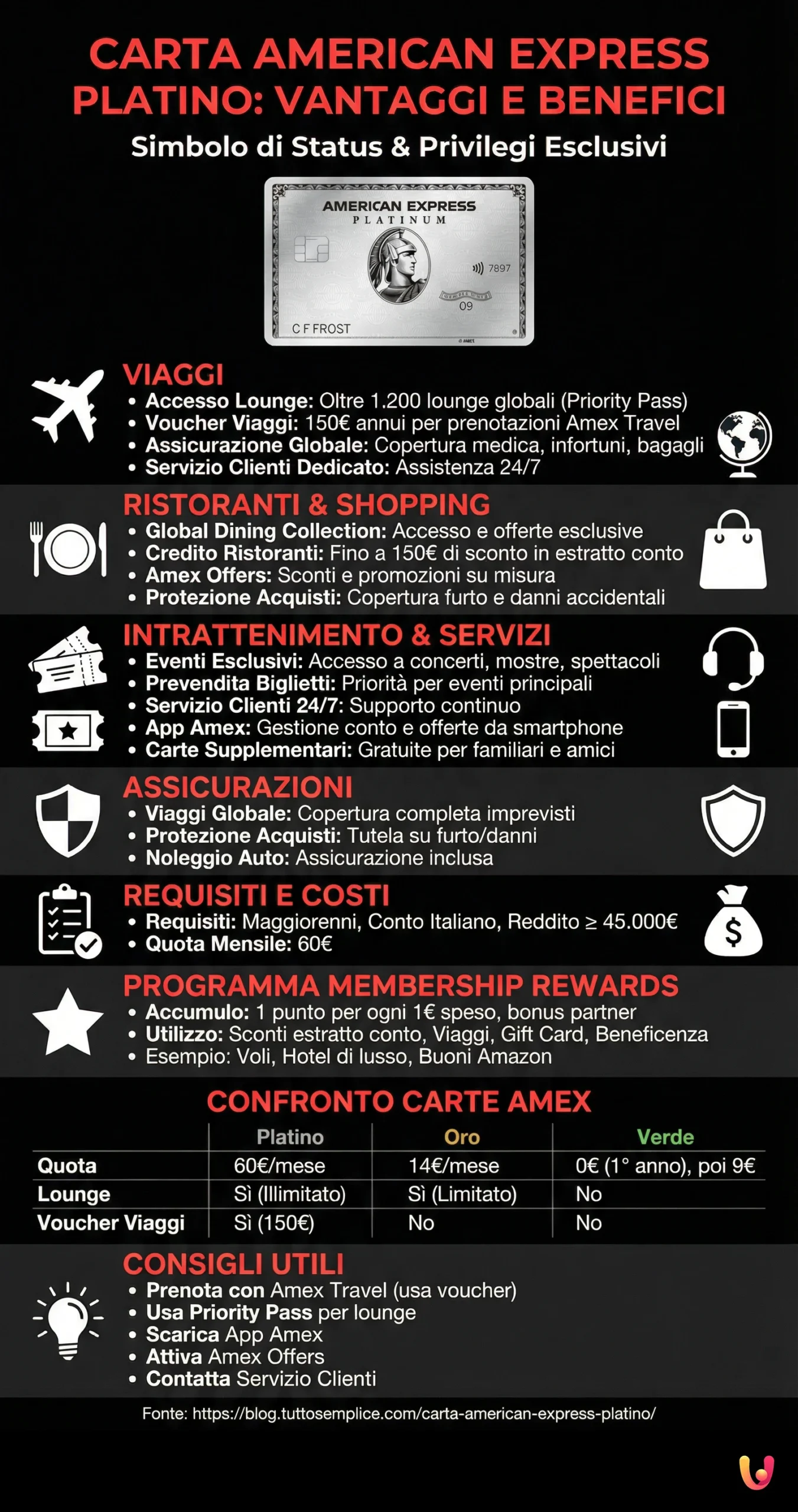
American Express functions as a global financial services corporation, operating as both a card issuer and a payment network. This guide provides essential information regarding personal and business card portfolios, the Membership Rewards ecosystem, account security protocols, and strategic methods for navigating the company’s digital management tools to maximize financial utility.
The Dual Role of American Express in 2026
To understand American Express (Amex) information effectively, one must first distinguish its unique position in the financial market. Unlike competitors such as Visa or Mastercard, which primarily act as payment networks for third-party banks, American Express frequently acts as both the network and the issuer.
When you hold an American Express card, the company is typically responsible for extending the credit, processing the transactions, and providing customer service. This vertical integration allows for a more seamless data flow between the merchant and the bank, which often results in more sophisticated fraud detection and targeted "Amex Offers" for cardholders. However, it is important to note that third-party banks (such as Wells Fargo or Barclays) also issue cards that run on the American Express network. In these cases, the third-party bank handles the lending and customer service, while Amex provides the infrastructure for the transaction.
In 2026, this distinction remains critical for consumers. Cards issued directly by American Express typically grant access to the full suite of Membership Rewards and proprietary travel benefits, whereas network-only cards may have different rewards structures determined by the specific issuing bank.
Categorizing American Express Card Products
American Express maintains a diverse portfolio tailored to specific spending habits and financial goals. The selection process should begin with an analysis of your monthly cash flow and whether you prefer "Charge Cards" or "Credit Cards."
Consumer Charge Cards vs. Credit Cards
Historically, American Express was famous for its charge cards, which required the balance to be paid in full every month. While modern iterations of these cards now offer "Pay Over Time" features, they are still categorized differently than traditional credit cards.
- The Platinum Card®: This remains the flagship premium travel card. In 2026, its value proposition is centered on "lifestyle credits" and unparalleled airport lounge access through the American Express Global Lounge Collection. It is designed for high-frequency travelers who can offset the high annual fee through digital entertainment credits, hotel credits, and airline fee statements.
- The American Express® Gold Card: Positioned as the premier card for "everyday" high-value spending, the Gold card focuses heavily on dining and US supermarkets. It bridges the gap between a standard credit card and the ultra-premium Platinum, offering a high earn rate on Membership Rewards points for food-related expenses.
- The Blue Cash Series: These are traditional credit cards with fixed credit limits. The Blue Cash Preferred® and Blue Cash Everyday® are designed for those who prefer straightforward cash back rather than travel points. They are particularly effective for families focusing on gas stations, streaming services, and grocery spending.
Business Solutions
For entrepreneurs and large corporations, American Express provides tools that go beyond simple payment processing. The Business Platinum Card® and Business Gold Card offer dynamic spending power, which adjusts based on the business's use of the card, payment history, and financial profile. In 2026, these cards are increasingly integrated with accounting software like QuickBooks and Xero, allowing for automated expense categorization and real-time cash flow monitoring.
Understanding the Membership Rewards Ecosystem
The Membership Rewards (MR) program is often cited as the most flexible "points currency" in the financial industry. Unlike cash back, which has a fixed value, MR points can fluctuate in value depending on how they are redeemed.
Earning Strategy
To maximize American Express information and utility, cardholders should employ a "multi-card strategy." By using a Gold card for groceries (4x points) and a Platinum card for flights (5x points), a consumer can accumulate points significantly faster than by using a single card for all purchases.
Redemption and Transfer Partners
The highest value for MR points is generally found by transferring them to one of American Express's 20+ airline and hotel partners.
- Airlines: Partners often include Delta SkyMiles, British Airways Executive Club, and Air Canada Aeroplan.
- Hotels: Direct transfers are available to Marriott Bonvoy, Hilton Honors, and Choice Privileges.
- The 1:1 Standard: Most transfers occur at a 1:1 ratio, though American Express frequently runs "transfer bonuses" (e.g., 20% extra miles when transferring to a specific airline), which can push the value of a single point well above 2 cents.
Redeeming points for "Pay with Points" at checkout or for gift cards generally results in a lower valuation (typically 0.5 to 0.7 cents per point) and is usually discouraged by financial experts seeking to maximize their return on spend.
Digital Account Management and Security
As of 2026, the American Express digital portal and mobile app serve as the primary hubs for account information. Users can perform almost all administrative tasks without contacting a representative.
Security Features
American Express utilizes several layers of protection to secure cardholder information:
- SafeKey®: A proprietary version of 3-D Secure technology that adds an extra verification step during online checkout to prevent unauthorized use.
- Two-Factor Authentication (2FA): Required for all logins via new devices or browsers.
- Instant Notifications: The Amex app provides real-time alerts for every transaction, allowing users to identify and dispute fraudulent charges within seconds.
The "Plan It" and "Send & Split" Tools
American Express has introduced features to compete with "Buy Now, Pay Later" (BNPL) services and peer-to-peer payment apps.
- Plan It®: Allows cardholders to select large purchases (usually over $100) and pay them off in monthly installments with a fixed fee instead of standard interest.
- Send & Split®: Integrated with Venmo and PayPal, this allows users to send money or split bills directly from the Amex app without the standard credit card processing fees usually associated with those platforms.
Key Financial Metrics and Comparison
The following table summarizes the primary features of the most popular American Express cards as they stand in 2026.
| Card Name | Primary Reward Type | Annual Fee (Estimate) | Top Earning Category | Key Benefit |
|---|---|---|---|---|
| The Platinum Card® | Membership Rewards | $695 | 5x on Flights/Hotels | Global Lounge Access |
| Amex Gold Card | Membership Rewards | $250 | 4x Dining & Groceries | $120 Dining Credit |
| Blue Cash Preferred® | Cash Back | $95 (waived 1st yr) | 6% US Supermarkets | 3% Gas & Transit |
| Business Platinum | Membership Rewards | $695 | 1.5x on Large Purchases | Dell/Adobe Credits |
| Amex Green Card | Membership Rewards | $150 | 3x Travel & Transit | CLEAR® Plus Credit |
Application and Eligibility Requirements
Applying for an American Express card involves a specific protocol. Unlike some lenders, Amex provides a "soft pull" eligibility check in many regions, allowing applicants to see if they are likely to be approved before a hard inquiry affects their credit score.
The "Once Per Lifetime" Rule
A critical piece of American Express information regarding applications is their "once per lifetime" bonus policy. Generally, you can only receive a welcome offer (sign-up bonus) for a specific card once. If you have held the Platinum card in the past, you may be ineligible for a bonus on that same card again, even if several years have passed. However, in 2026, some "targeted" offers may waive this restriction, so it is vital to read the terms and conditions of every specific offer.
Credit Score Prerequisites
While American Express offers cards across different credit tiers, the premium cards (Platinum and Gold) typically require a "Good" to "Excellent" credit score (usually 700+). The Blue Cash Everyday and other entry-level cards may be accessible to those with "Fair" credit (mid-600s), though interest rates will be higher.
Contacting American Express Customer Service
For issues that cannot be resolved through the automated portal, American Express offers several tiers of support.
- Direct Chat: Available 24/7 through the mobile app and website. This is the fastest way to handle travel bookings, dispute charges, or inquire about reward balances.
- Phone Support: The number on the back of your specific card is the most direct line to a representative trained for that product tier. Platinum and Centurion members have access to dedicated concierge lines.
- Global Assist® Hotline: When traveling more than 100 miles from home, cardholders can call for legal, medical, or cash wire assistance. While the coordination is free, the third-party costs (e.g., medical bills) are the responsibility of the cardholder.
Frequently Asked Questions
How do I check my American Express application status?
You can check the status of a pending application through the "Check Application Status" tool on the official American Express website. You will typically need your Social Security Number and your zip code to access the real-time update. If your application is "In Review," it may take 7–14 business days for a final decision.
Can I change my American Express card to a different one?
Yes, this is known as a "product change" or "upgrade/downgrade." However, you can only move within the same card family. For example, you can move from a Gold card to a Platinum card, or a Blue Cash Everyday to a Blue Cash Preferred. You cannot move from a cash-back card to a Membership Rewards card (e.g., Blue Cash to Gold).
Is American Express accepted everywhere in 2026?
Merchant acceptance for American Express has reached near-parity with Visa and Mastercard in the United States. Internationally, acceptance has improved significantly due to the OptBlue program, though it is still advisable to carry a backup Visa or Mastercard when traveling in rural parts of Europe, Asia, or South America.
What is the American Express "Financial Review"?
A Financial Review (FR) is a procedure where American Express freezes an account and requests documentation (such as tax returns or bank statements) to verify that the cardholder has the means to pay their balance. This usually happens if there is a sudden, massive increase in spending or if the cardholder's credit profile changes drastically.
How do I redeem American Express points for the most value?
The most effective way to redeem points is by transferring them to frequent flyer programs like Delta SkyMiles, Virgin Atlantic Flying Club, or Avios. By booking "sweet spot" award flights, particularly in business or first class, you can often achieve a value of 3 to 5 cents per point, far exceeding the 1-cent baseline.
Strategic Recommendation
If you are beginning your journey with American Express in 2026, the most prudent next step is to use their "Apply with Confidence" tool. This allows you to see your approval odds and your specific interest rates without a hard credit pull. For those focused on travel, the American Express Gold Card serves as the optimal entry point, offering a balance of high-earning potential on daily essentials and a manageable annual fee compared to the Platinum tier. Always ensure your "Pay Over Time" settings are monitored to avoid unnecessary interest charges, maintaining the card's utility as a wealth-building tool rather than a debt instrument.