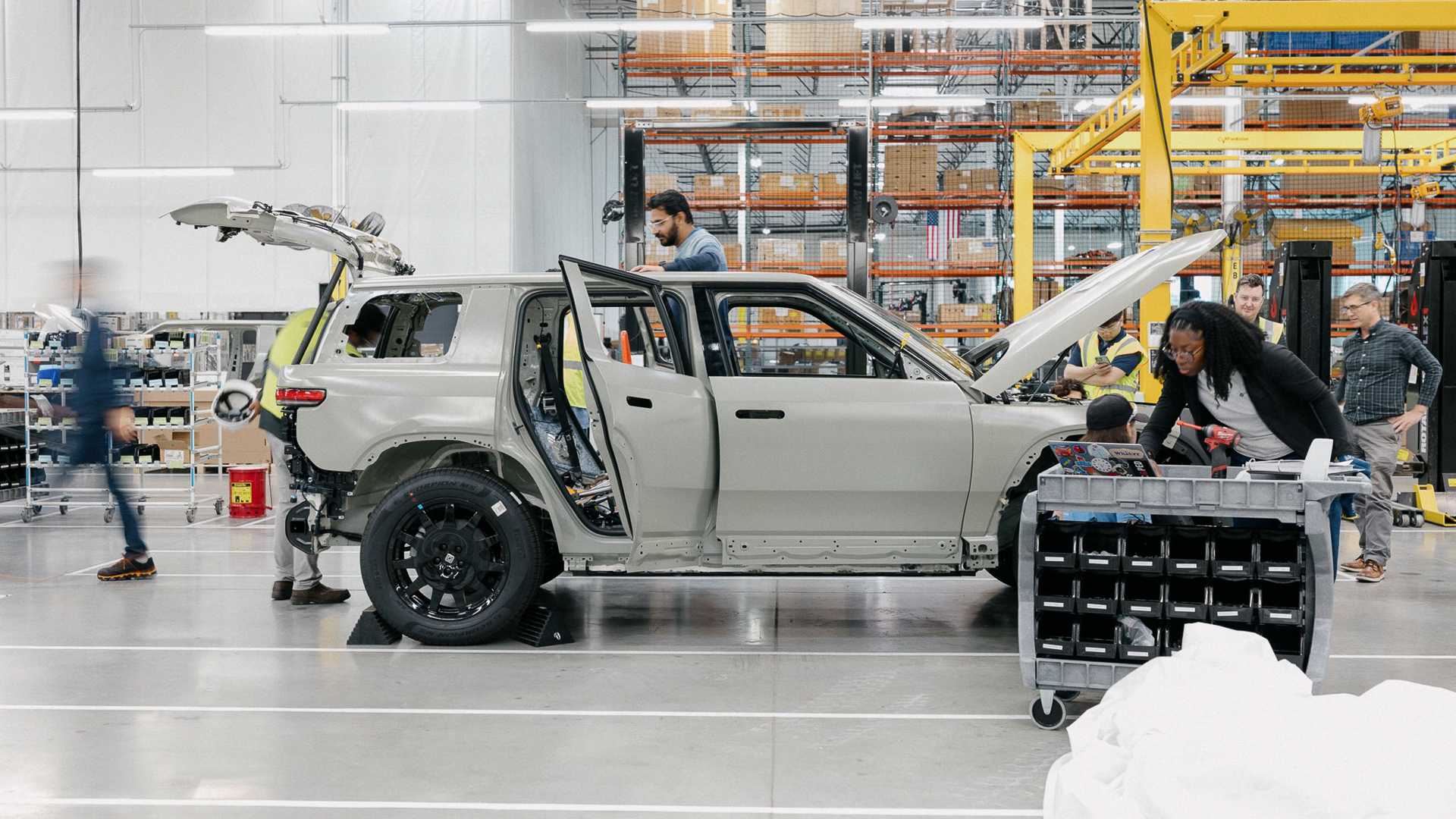
American auto makers currently represent a complex ecosystem of legacy industrial giants and specialized innovators, defining the landscape of the North American automotive sector through strategic investments in internal combustion, hybrid, and fully electric vehicle architectures. For consumers and industry observers, understanding these organizations requires a look at their production footprints, technical specializations, and the regulatory frameworks that govern their market presence in 2026.
The Landscape of Domestic Automotive Production
The term "American auto makers" primarily refers to the "Big Three"—General Motors (GM), Ford Motor Company, and Stellantis North America (formerly Chrysler). While the corporate headquarters for these entities are located in the United States, their operational reality is defined by a global supply chain and manufacturing facilities distributed across the United States, Canada, and Mexico, primarily under the terms of the United States-Mexico-Canada Agreement (USMCA).
In 2026, the definition of an American vehicle has become increasingly granular. The American Automobile Labeling Act (AALA) requires manufacturers to report the percentage of U.S. and Canadian parts content. A vehicle assembled in a U.S. plant may have a significant percentage of parts sourced from international suppliers, while conversely, some vehicles produced by international brands—such as Honda or Toyota—are assembled in the U.S. with high domestic content levels. Understanding an automaker’s output requires looking past the brand name and examining individual assembly location data for specific VIN (Vehicle Identification Number) sequences.
Analyzing the Major American Automotive Entities
General Motors (GM)
General Motors continues to utilize a multi-brand strategy, segmenting its portfolio into Chevrolet, GMC, Cadillac, and Buick. In 2026, GM has pivoted significantly toward its Ultium platform, a modular battery architecture designed to underpin a wide range of vehicle sizes and performance capabilities. GM’s strategy focuses on vertical integration, particularly in the battery supply chain, to stabilize production costs and ensure supply chain resilience for its electric vehicle (EV) lineup.
Ford Motor Company
Ford has maintained a dual-track strategy, distinguishing its commercial and fleet business, known as Ford Pro, from its consumer-facing passenger vehicle and electric vehicle divisions, Ford Model e. Ford’s historical dominance in the truck segment—centered on the F-Series—remains the financial engine for its transition toward broader electrification and autonomous software integration.
Stellantis North America
Stellantis operates a distinct portfolio in the U.S., including Jeep, Ram, Dodge, and Chrysler. The company’s 2026 operations focus on transitioning its legacy "Hemi" and other high-performance internal combustion engines toward "STLA" modular platforms. These platforms are designed to be "multi-energy," meaning the same chassis architecture can support electric, hybrid, or gasoline-powered variants depending on regional market demand and regulatory requirements.
Comparative Overview of Market Focus and Manufacturing
The following table provides a high-level comparison of the current strategic focus areas for the primary American auto makers as of 2026.
| Manufacturer | Core Segment Strength | Primary Platform Focus | Key Market Priority |
|---|---|---|---|
| General Motors | Full-size SUVs & Trucks | Ultium Battery Architecture | EV Scale & Software Services |
| Ford | Light & Heavy Duty Trucks | Model e / Ford Pro Architecture | Commercial Fleet Electrification |
| Stellantis | Off-road SUVs & Performance | STLA Multi-Energy Platforms | Performance Branding & Hybridization |
Essential Factors for Consumers: Quality and Reliability
When evaluating vehicles from American manufacturers, consumers should differentiate between brand reputation and specific vehicle performance. Reliability metrics in 2026 are highly dependent on the vehicle's powertrain and model year.
- Powertrain Maturity: Vehicles utilizing established internal combustion engines generally offer a longer history of known maintenance costs and repair procedures compared to newly launched electric or hybrid platforms.
- Manufacturing Origin: Using the VIN, specifically the first character, consumers can verify if a vehicle was assembled in the United States (1, 4, or 5).
- Parts Availability: One historical advantage of purchasing from major domestic manufacturers is the robust network of authorized service centers and the ready availability of OEM (Original Equipment Manufacturer) replacement parts compared to smaller niche or low-volume international imports.
Navigating Regulatory and Environmental Standards
American auto makers operate under stringent federal guidelines established by the National Highway Traffic Safety Administration (NHTSA) for safety and the Environmental Protection Agency (EPA) for emissions and fuel economy. As of 2026, manufacturers are navigating the Corporate Average Fuel Economy (CAFE) standards which mandate steady improvements in fleet-wide efficiency.
The regulatory environment also dictates the "Buy American" provisions relevant to federal tax incentives. Under current tax policy, the eligibility of a vehicle for consumer tax credits is often tied to the location of final assembly and the sourcing of battery components. Before making a purchase decision based on potential incentives, consumers must verify the specific vehicle’s eligibility on the federal government’s official database, as status can change based on battery supply chain audits.
Challenges and Future Outlook
The transition to a electrified future presents significant operational hurdles for American manufacturers. These include:
- Capital Expenditure: Moving from traditional engine assembly to electric motor and battery pack manufacturing requires billions in capital investment, which puts pressure on short-term corporate margins.
- Supply Chain Localization: To meet domestic sourcing requirements, auto makers are currently investing in "onshoring" critical mineral processing and battery manufacturing, a multi-year effort that involves complex geopolitical and economic logistical chains.
- Software-Defined Vehicles: The modern American automobile is increasingly a software product. Manufacturers are moving toward integrated, subscription-based service models for features such as advanced driver-assistance systems (ADAS) and over-the-air (OTA) update capabilities.
Frequently Asked Questions
How do I check if my vehicle was built in the United States?
You can verify the country of origin by checking the first character of your Vehicle Identification Number (VIN). A VIN starting with 1, 4, or 5 indicates the vehicle was assembled in the United States. You can usually find this on the driver’s side dashboard or inside the driver’s side door jamb.
Do "American auto makers" only sell cars built in America?
No. All major U.S. auto makers operate global supply chains. Many vehicles sold in the U.S. by these companies are manufactured or assembled in plants in Mexico or Canada, and they often source components from international suppliers to manage costs and production capacity.
Are all electric vehicles from U.S. manufacturers eligible for federal tax credits?
Not necessarily. Eligibility is governed by strict criteria involving where the vehicle was assembled and where the battery components were sourced and processed. These requirements are periodically updated by federal guidelines, so you should consult official government records before purchasing.
Why is the "Big Three" terminology still used?
The term "Big Three" persists because it historically refers to the three largest U.S.-based automotive corporations—General Motors, Ford, and Stellantis (formerly Chrysler)—which have long dominated the domestic market share and maintain the largest manufacturing footprints within the United States.
How does the USMCA affect my choice of vehicle?
The United States-Mexico-Canada Agreement (USMCA) facilitates the flow of automotive parts and finished vehicles between these three countries. For the consumer, this means that a "domestic" vehicle is often the result of an integrated North American manufacturing strategy, where parts cross borders multiple times before final assembly.
Recommendation for Consumers
If you are currently in the market for a vehicle from an American manufacturer, prioritize your search by the specific assembly location and the platform’s maturity level rather than brand loyalty alone. Check the specific VIN on the manufacturer’s website to confirm where that exact unit was produced. Furthermore, if you are considering a hybrid or electric model, verify the current year’s federal tax credit eligibility lists provided by government energy portals to ensure your intended purchase meets the latest requirements for domestic content and battery assembly.