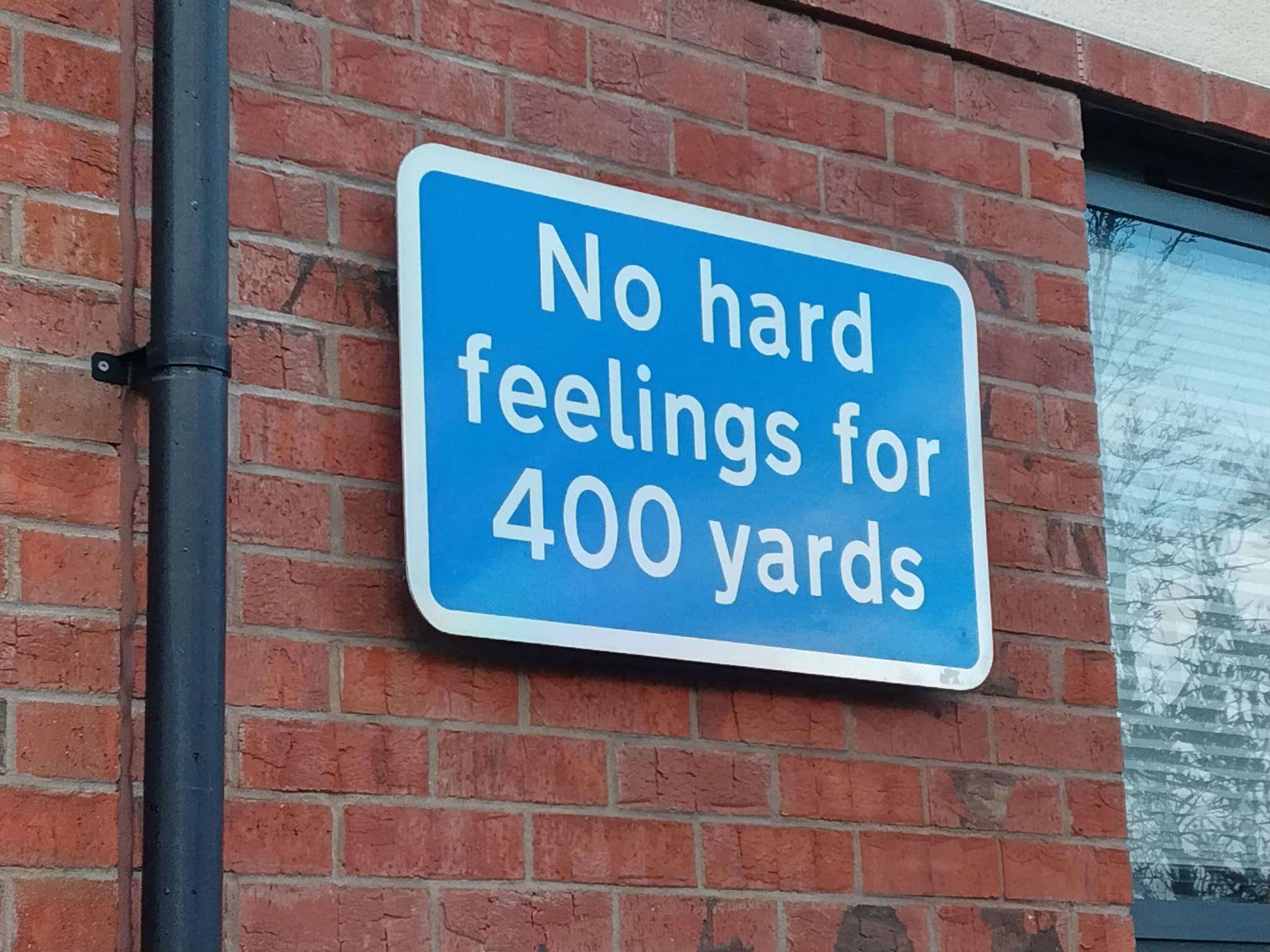
"No hard feelings" is a common idiom used to signal the absence of resentment after a conflict, rejection, or difficult decision. Depending on the context—whether formal, casual, or romantic—alternatives like "I appreciate your honesty," "it’s water under the bridge," or "we’re still on good terms" can provide more clarity and emotional resonance in 2026.
Choosing the right words to signal the end of a conflict or the acceptance of a rejection is a cornerstone of emotional intelligence. While "no hard feelings" is a versatile staple of the English language, it can sometimes feel dismissive or cliché, especially in high-stakes professional environments or deeply personal relationships. In 2026, as communication becomes increasingly digitized and nuance is often lost in text-based interactions, selecting a precise phrase that reflects your true intent is essential for maintaining healthy social and professional networks.
The Psychology of Social Closure and Resentment
To understand why we need alternatives for "no hard feelings," one must first examine the psychological function of the phrase. At its core, the expression serves as a social "reset button." It is an olive branch extended to ensure that a specific incident—be it a rejected job application, a broken-off engagement, or a minor disagreement—does not result in long-term animosity or "social debt."
However, the phrase "no hard feelings" can sometimes be perceived as a defensive mechanism. If used too quickly, it may imply that the speaker is suppressing their emotions rather than actually processing them. In professional settings, it can sound transactional. In personal settings, it might seem cold. By diversifying your vocabulary, you can convey sincerity and ensure that the other party feels heard and respected, rather than just "dismissed" from a conflict.
Effective social closure involves acknowledging the situation, validating the emotions involved, and clearly stating the status of the relationship moving forward. This creates what psychologists often call "psychological safety," allowing both parties to move on without the lingering anxiety of unspoken tension.
Professional Alternatives for Business and Career
In the workplace of 2026, professional relationships are often more fluid than they were a decade ago. With the rise of project-based consulting and hybrid collaborative models, maintaining a clean bridge even after a "no" is a vital career skill. Using more sophisticated language than "no hard feelings" can demonstrate maturity and professionalism.
When You Are Rejecting a Proposal or Candidate
If you are the one delivering the "no," your goal is to maintain the professional connection while being firm in your decision.
- "I appreciate the transparency and the effort you put into this." This phrase shifts the focus from the "feelings" to the "work" and "process," which is more appropriate in a business context.
- "I value our professional relationship and look forward to our next collaboration." This is a proactive way to signal that the current rejection does not impact future opportunities.
- "While this direction doesn't align with our current needs, I'm glad we could have this open discussion." This emphasizes the value of the communication itself.
When You Are the One Being Rejected
If you have been passed over for a promotion or a project, responding with grace is essential for your long-term reputation.
- "I respect the decision and appreciate the feedback." This shows a growth mindset and indicates that you are not taking the decision personally.
- "Thank you for the clarity; I’m happy to support the team’s direction moving forward." This phrase specifically targets the idea of "team cohesion," proving you are still a team player.
- "I'm glad we’re on the same page regarding the path forward." This implies a mutual understanding that transcends the immediate disappointment.
Casual and Informal Substitutes for Friends and Family
In personal relationships, "no hard feelings" can sometimes sound a bit too formal or even sarcastic, depending on the tone of voice. When dealing with friends or family members, the language should be warmer and more indicative of the bond you share.
For Minor Disagreements
When a friend cancels plans or you have a small tiff about where to go for dinner:
- "It’s all good, don't sweat it." This is perhaps the most common casual alternative in 2026. It is low-pressure and immediate.
- "No worries at all; we’ll make it happen next time." This looks toward the future, reinforcing the continuation of the friendship.
- "Water under the bridge." This classic idiom suggests that the issue has already passed and is no longer being considered.
For More Significant Interpersonal Issues
If you’ve had a real argument and are reconciling:
- "I’m just glad we could talk this through." This focuses on the resolution rather than the initial hurt.
- "I hold no grudges; I’m ready to move past this." This is a very clear, honest statement of intent.
- "We’re cool. I value our friendship more than this disagreement." This prioritizes the relationship over the ego, which is a powerful way to end a conflict.
Alternatives for Romantic Contexts and "The Breakup"
Rejection in dating or the end of a relationship is perhaps the most difficult time to find the right words. "No hard feelings" can feel incredibly dismissive after a period of emotional intimacy. In these scenarios, the goal is "de-escalation" and "respect."
- "I’m glad we can be honest with each other about where we stand." This validates the difficulty of the conversation and acknowledges the honesty required to have it.
- "I wish you nothing but the best." This is a clean, dignified way to close a chapter without implying lingering bitterness.
- "I appreciate the time we spent together, regardless of the outcome." This frames the experience as valuable in its own right, which can mitigate the "sting" of a rejection.
- "I’m at peace with how things have turned out." This phrase suggests internal resolution, which is often more convincing than simply saying there are no "hard feelings."
Comparing Contextual Suitability
The following table provides a quick reference for choosing the most appropriate phrase based on the setting and the desired tone of the conversation.
| Phrase | Primary Context | Tone | Best Used When... |
|---|---|---|---|
| "I respect the decision." | Professional | Formal/Neutral | You are the recipient of a "no" in a workplace. |
| "It’s all good." | Casual | Very Informal | A minor inconvenience has occurred with a friend. |
| "I appreciate the clarity." | Business/Dating | Direct | You want to emphasize that the truth is valued. |
| "Water under the bridge." | Personal/Work | Familiar | An old conflict is being brought up again. |
| "We’re still on good terms." | Professional/Social | Reassuring | You want to explicitly confirm the relationship status. |
| "No worries at all." | Any | Lighthearted | You want to minimize the gravity of a mistake. |
| "I hold no grudges." | Serious Personal | Sincere | You are moving past a significant betrayal or fight. |
The Role of Tone and Non-Verbal Cues
In 2026, where a significant portion of our "closure" conversations happen over digital platforms like Slack, WhatsApp, or through video conferencing, the way you deliver these phrases is as important as the words themselves.
In Digital Messaging
Text lacks the inflection of the human voice. When using an alternative to "no hard feelings" in a text or email, consider adding a brief "buffer" sentence. For example:
- Instead of: "I respect the decision."
- Try: "I appreciate you getting back to me so quickly. I respect the decision and wish the team success."
The extra context prevents the recipient from reading a "short" response as being "curt" or passive-aggressive.
In Face-to-Face or Video Interaction
Body language speaks volumes. If you say "I hold no grudges" while crossing your arms and looking away, the words will ring hollow. To make these alternatives effective:
- Maintain eye contact. This signals honesty and confidence in your statement.
- Keep an open posture. Avoid crossing your arms or leaning back defensively.
- Use a steady, calm tone. High-pitched or rapid speech can indicate lingering anxiety or hidden frustration.
Common Pitfalls to Avoid
While seeking alternatives, there are certain linguistic traps that can unintentionally make a situation worse.
- The "Actually" Trap: Saying "I actually don't have any hard feelings" can imply that you did have them, or that the other person expected you to. It adds unnecessary defensiveness.
- Over-explaining: If you spend ten minutes explaining why you don't have hard feelings, you are likely convincing yourself more than the other person. Brief, clear statements are generally more believable.
- Passive-Aggression: Phrases like "Whatever makes you happy" or "I guess it is what it is" are often used as substitutes but carry a heavy load of resentment. Avoid these if your goal is genuine closure.
- Premature Forgiveness: Don't use these phrases if you aren't ready. It is better to say, "I need some time to process this, but I hope we can move past it soon," than to lie and say "it’s all good" when it isn't.
Addressing "Hard Feelings" in Professional Mediation
Sometimes, a simple phrase isn't enough. In corporate environments in 2026, conflict resolution often involves third-party mediation or HR-led discussions. In these structured environments, the language of "no hard feelings" is replaced by "Interests-Based Negotiation" terms.
In these settings, you might hear or use:
- "We have reached a mutual understanding of our differing perspectives."
- "The resolution addresses the primary concerns of both parties."
- "We are focused on the operational goals rather than interpersonal friction."
These phrases remove the "feeling" element entirely, focusing on the functionality of the workspace, which is often more effective in resolving deep-seated office politics.
Frequently Asked Questions
Is "no hard feelings" considered unprofessional in 2026?
It is not inherently unprofessional, but it is often seen as "low-effort" communication. In high-level business negotiations or sensitive HR matters, using more precise language like "I respect the decision" or "I appreciate the transparency" is preferred because it focuses on the outcome rather than the emotional state.
How do I respond when someone tells me "no hard feelings"?
The best response is to acknowledge and validate. You might say, "I'm glad to hear that," or "I appreciate you saying that; I feel the same way." This closes the loop and confirms that both parties are in agreement about the status of the relationship.
What is the most polite way to say "no hard feelings" in an email?
"I appreciate the update and respect the decision" is widely considered the most polite and professional version for email. It acknowledges the information received and confirms that you are moving forward without resentment.
Can these phrases be used in a romantic breakup?
Yes, but they require a higher degree of sincerity. In romantic contexts, phrases like "I wish you the best" or "I'm glad we could be honest" are much more effective than the more clinical or casual alternatives used in business or among acquaintances.
What should I say if I actually do have hard feelings?
Honesty is usually the best policy, provided it is delivered constructively. You might say, "I'm still processing my thoughts on this, so I'm not quite at the point where I can say 'it's all good' yet, but I hope to get there." This is more authentic and prevents future "explosions" of repressed emotion.
Recommendation for Moving Forward
To master the art of the social reset, start by identifying the stakes of your current situation. For low-stakes interactions—like a friend missing a call—stick to casual phrases like "no worries" or "it’s all good." For high-stakes professional or personal moments, opt for "transparency-based" language that acknowledges the difficulty of the situation while affirming your respect for the other person.
The goal of replacing "no hard feelings" is not just to sound more articulate, but to ensure that the bridge between you and the other person remains intact. In an increasingly interconnected world, your ability to walk away from a "no" with your dignity and your relationships preserved is one of the most valuable assets you can possess. Practice these alternatives in low-pressure settings first, and you will find they become natural tools in your communication toolkit.