Alpha-lipoic acid (ALA) is a potent antioxidant that improves insulin sensitivity, reduces nerve pain in diabetic neuropathy, and supports mitochondrial energy production. By neutralizing free radicals in both water- and fat-based tissues, it assists in weight management and skin health while potentially slowing cognitive decline through its neuroprotective properties.
The Dual Nature of Alpha-Lipoic Acid: A Universal Antioxidant
Alpha-lipoic acid, often referred to as the "universal antioxidant," occupies a unique niche in human biochemistry. Unlike most antioxidants, which are either water-soluble (such as Vitamin C) or fat-soluble (such as Vitamin E), ALA is amphipathic. This means it can function in nearly every part of the human cell, including the watery cytoplasm and the fatty cell membrane. In the context of 2026 nutritional science, this dual solubility remains the cornerstone of its therapeutic appeal, allowing it to provide comprehensive systemic protection against oxidative stress.
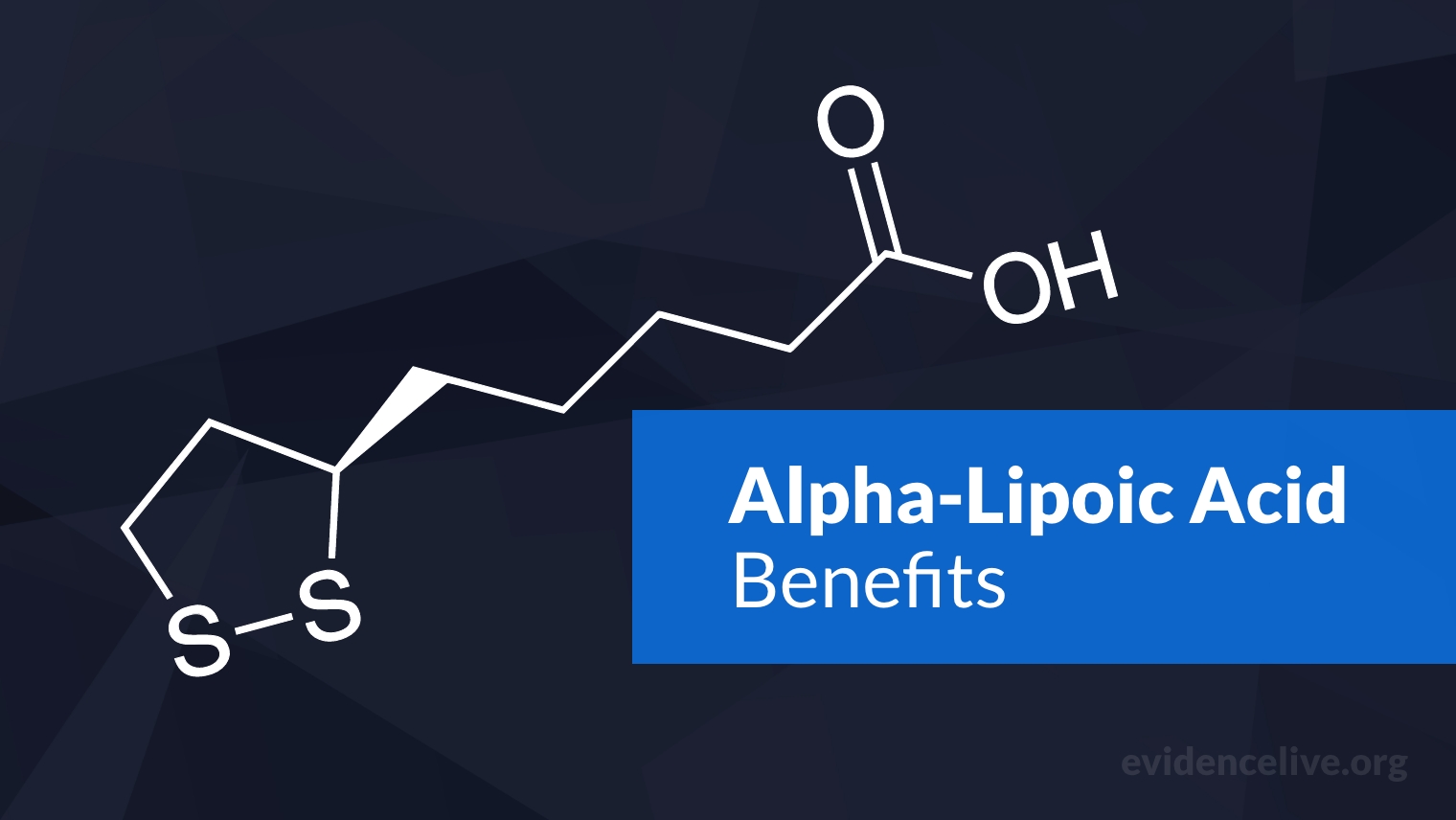
Naturally occurring in small amounts in foods like spinach, broccoli, and red meat, ALA is also synthesized endogenously within the mitochondria. However, the concentration produced by the body is generally sufficient only for its role as a metabolic cofactor, not for the potent antioxidant effects observed with higher-dose supplementation. When taken as a supplement, ALA enters the bloodstream and is rapidly converted into its reduced form, dihydrolipoic acid (DHLA). Together, ALA and DHLA form a powerful "redox couple" that can neutralize a wide array of reactive oxygen species (ROS).
Beyond direct neutralization, alpha-lipoic acid is renowned for its ability to "recycle" other essential antioxidants. When Vitamins C and E neutralize free radicals, they become oxidized and temporarily inactive. ALA can donate electrons to these spent antioxidants, returning them to their active forms. This synergistic relationship extends to glutathione, the body’s master antioxidant, as ALA supplementation has been shown to increase intracellular glutathione levels significantly.
Mechanisms of Action: How ALA Operates at a Cellular Level
To understand the effects of alpha-lipoic acid, one must examine its role within the mitochondria—the "powerhouses" of the cell. ALA serves as a vital cofactor for several multi-enzyme complexes involved in energy metabolism, most notably the pyruvate dehydrogenase complex. This complex is responsible for converting pyruvate into acetyl-CoA, a critical step in the Krebs cycle that ultimately generates Adenosine Triphosphate (ATP), the primary energy currency of the body.
By optimizing these enzymatic pathways, ALA supports efficient glucose metabolism and cellular respiration. This is particularly relevant for tissues with high metabolic demands, such as the brain and heart. Furthermore, ALA acts on the nuclear factor kappa B (NF-kB) pathway. NF-kB is a protein complex that controls the transcription of DNA and is heavily involved in the body's inflammatory response. By inhibiting the activation of NF-kB, ALA exerts profound anti-inflammatory effects, which contributes to its efficacy in managing chronic conditions characterized by systemic inflammation.
Another critical mechanism is the activation of AMP-activated protein kinase (AMPK). AMPK acts as a metabolic master switch that senses cellular energy levels. When activated, it stimulates glucose uptake and fatty acid oxidation while inhibiting cholesterol synthesis. This pathway is a primary target for various metabolic drugs and is a major reason why ALA is investigated for its role in obesity and type 2 diabetes management.
Impact on Glycemic Control and Insulin Sensitivity
One of the most extensively researched alpha-lipoic acid effects is its influence on blood sugar regulation. In 2026, ALA continues to be a subject of interest for those managing metabolic syndrome and type 2 diabetes. Clinical studies have consistently demonstrated that ALA can enhance insulin-mediated glucose disposal. It achieves this by promoting the translocation of glucose transporter type 4 (GLUT4) to the cell membranes, particularly in muscle and fat cells.
When GLUT4 is successfully moved to the cell surface, it allows glucose to enter the cell more efficiently, thereby lowering circulating blood sugar levels without requiring a proportional increase in insulin secretion. For individuals with insulin resistance, this can reduce the burden on the pancreas and help stabilize glycemic fluctuations throughout the day.
Furthermore, ALA helps prevent the formation of Advanced Glycation End-products (AGEs). AGEs are harmful compounds that form when proteins or lipids become glycated as a result of exposure to high sugar levels. These compounds are a major driver of diabetic complications, including vascular damage and kidney dysfunction. By reducing oxidative stress and lowering blood sugar, ALA serves as a dual-action agent against the long-term structural damage associated with chronic hyperglycemia.
Therapeutic Effects on Peripheral Neuropathy
For patients suffering from diabetic peripheral neuropathy, alpha-lipoic acid is often considered a primary non-pharmaceutical intervention. Neuropathy occurs when high blood sugar levels damage the delicate nerve fibers, typically in the extremities, leading to symptoms like burning pain, tingling, numbness, and "pins and needles" sensations.
The "SYDNEY" and "ALADIN" clinical trials provided foundational evidence that intravenous and high-dose oral ALA (600 mg to 1,800 mg per day) can significantly reduce these neuropathic symptoms. The mechanism is believed to involve improved endoneurial blood flow and increased nerve conduction velocity. By neutralizing the oxidative stress that contributes to nerve ischemia (lack of oxygen), ALA helps preserve the integrity of the myelin sheath—the protective coating of the nerves.
While ALA does not necessarily "cure" the underlying nerve damage, it provides substantial symptomatic relief for many users. In 2026, medical guidelines often suggest a trial period of 3 to 5 weeks at a 600 mg daily dose to assess individual responsiveness. Because it addresses the biochemical root of the pain rather than merely masking it like some analgesics, it remains a preferred adjunctive therapy in integrative neurology.
The Role of ALA in Weight Management and Obesity
The relationship between alpha-lipoic acid and weight loss has been a topic of significant scientific inquiry. While ALA is not a substitute for dietary discipline and exercise, it appears to offer a modest metabolic advantage. Meta-analyses of randomized controlled trials suggest that ALA supplementation can lead to a statistically significant, albeit small, reduction in body weight and Body Mass Index (BMI).
The primary mechanism for weight loss is the aforementioned activation of AMPK and the simultaneous inhibition of AMPK in the hypothalamus. In the brain, lower levels of AMPK activity are associated with decreased hunger and reduced food intake. Effectively, ALA may help "recalibrate" the body's hunger signals while increasing the rate at which the body burns calories for energy.
Additionally, by improving insulin sensitivity, ALA helps prevent the "insulin spikes" that often lead to fat storage. When insulin levels are kept stable, the body is more likely to utilize stored adipose tissue for fuel. It is important to note that the weight loss effects of ALA are most pronounced in individuals with pre-existing metabolic dysfunction, where the antioxidant can correct underlying enzymatic "bottlenecks."
Cognitive Health and Neuroprotection
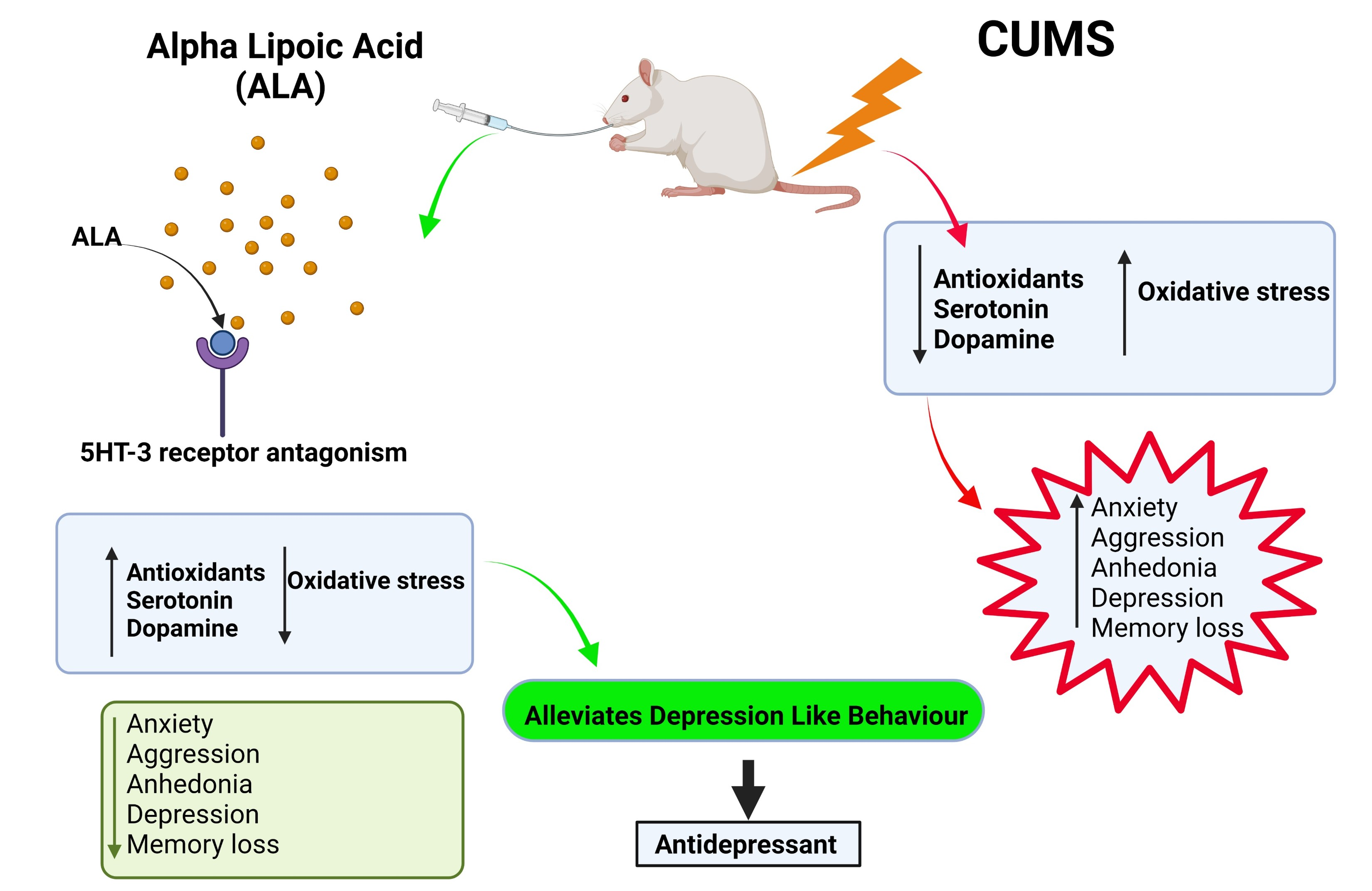
The brain is highly susceptible to oxidative damage due to its high oxygen consumption and high lipid content. Alpha-lipoic acid's ability to cross the blood-brain barrier makes it a potent candidate for neuroprotection. Research indicates that ALA may help slow the progression of cognitive decline in conditions like Alzheimer's disease and other forms of dementia.
By reducing oxidative stress in the brain, ALA helps protect neurons from the toxic effects of beta-amyloid plaques. It also supports the production of acetylcholine, a neurotransmitter essential for memory and learning, which often declines in aging populations. Some studies have even explored ALA's potential in the recovery process following a stroke, suggesting that its anti-inflammatory properties may limit the "secondary damage" that occurs in the hours following an ischemic event.
While more large-scale longitudinal data are needed as of 2026 to confirm its role as a standard treatment for neurodegeneration, the current body of evidence supports its use as a preventive strategy for maintaining long-term brain health and cognitive resilience.
Dermatological Applications: Reducing the Signs of Aging
The effects of alpha-lipoic acid extend to the skin, where it is used both topically and orally. As a topical ingredient, ALA is often included in anti-aging creams at concentrations of 1% to 5%. Its primary benefit in dermatology is its ability to combat photoaging—the damage caused by ultraviolet (UV) radiation from the sun.
UV exposure generates free radicals that break down collagen and elastin, the proteins responsible for skin firmness and elasticity. ALA neutralizes these radicals and inhibits the activity of collagenase, an enzyme that degrades collagen. This helps reduce the appearance of fine lines, wrinkles, and skin roughness.
Furthermore, ALA’s anti-inflammatory properties can help soothe skin conditions characterized by redness and swelling. Because it is both water- and fat-soluble, it can penetrate the lipid layers of the skin effectively, reaching the deeper dermal layers where collagen synthesis occurs. Many users report an improvement in skin texture and "glow" within weeks of consistent use, likely due to enhanced cellular energy production in the skin's fibroblasts.
Understanding Bioavailability: R-ALA vs. S-ALA
When selecting an ALA supplement, it is crucial to understand the difference between the two isomers: R-lipoic acid (R-ALA) and S-lipoic acid (S-ALA). Naturally occurring lipoic acid exists only in the "R" form. However, many commercial supplements are a "racemic" mixture, containing 50% R-ALA and 50% S-ALA, because the synthetic S-form is cheaper to produce.
Research suggests that the R-form is significantly more bioavailable and biologically active than the S-form. The body's enzymes recognize and utilize R-ALA much more efficiently, meaning lower doses of R-ALA may be more effective than higher doses of the racemic mixture. Furthermore, some studies indicate that S-ALA might even inhibit certain beneficial effects of the R-form. For consumers in 2026, looking for "Stabilized R-Alpha Lipoic Acid" is often recommended to ensure maximum absorption and efficacy, as pure R-ALA is notoriously unstable and can degrade quickly when exposed to heat.
Supplementation Guidelines, Dosage, and Safety
While alpha-lipoic acid is generally considered safe for most healthy adults, adherence to proper dosage and awareness of potential interactions is essential. Standard oral doses typically range from 300 mg to 600 mg per day for general antioxidant support. For therapeutic purposes, such as managing neuropathy or metabolic syndrome, doses up to 1,800 mg have been used under medical supervision.
| Goal | Typical Daily Dosage | Expected Outcomes |
|---|---|---|
| General Antioxidant Support | 200–300 mg | Enhanced cellular protection, improved energy. |
| Blood Sugar Management | 600–1,200 mg | Improved insulin sensitivity, lower A1c levels. |
| Diabetic Neuropathy | 600–1,800 mg | Reduction in burning, tingling, and nerve pain. |
| Weight Management Support | 600–1,200 mg | Modest reduction in BMI and appetite suppression. |
| Topical Skin Care | 1%–5% (Cream) | Improved skin texture, reduction in fine lines. |
Side Effects and Precautions
Common side effects are rare but can include skin rash, nausea, or digestive upset. Because ALA is so effective at lowering blood sugar, individuals on diabetes medication (such as insulin or metformin) must monitor their glucose levels closely to avoid hypoglycemia.
A specific concern involves Vitamin B1 (thiamine). High doses of ALA can potentially interfere with thiamine absorption. This is particularly relevant for individuals with chronic alcohol use or those with known thiamine deficiencies. It is often recommended to take a B-complex vitamin alongside high-dose ALA to maintain nutritional balance. As always, consulting with a healthcare provider before starting a high-dose regimen is the safest course of action, especially for pregnant or nursing women.
Frequently Asked Questions
Should alpha-lipoic acid be taken with food?
For maximum absorption, it is generally recommended to take alpha-lipoic acid on an empty stomach, about 30 to 60 minutes before a meal. Food can significantly decrease the bioavailability of the supplement. However, if the supplement causes gastrointestinal distress, taking it with a small amount of food is a viable alternative, though the dosage may need to be adjusted.
How long does it take to see the effects of ALA?
The timeframe for visible or felt effects varies by goal. For blood sugar stabilization, changes may be noted within 1 to 2 weeks. For diabetic neuropathy, clinical trials suggest that it typically takes 3 to 5 weeks of consistent supplementation to achieve significant pain reduction. Skin health improvements from topical application usually appear after 4 to 8 weeks of daily use.
Can I get enough alpha-lipoic acid from my diet?
While ALA is found in foods like spinach, broccoli, and organ meats, the amounts are microscopic. To reach a therapeutic dose of 600 mg, you would need to consume hundreds of pounds of these foods daily. Therefore, for those seeking the specific health effects discussed here, supplementation is the only practical delivery method.
Does alpha-lipoic acid interact with thyroid medication?
There is some evidence that ALA can lower levels of thyroid hormones (T3 and T4) by inhibiting the conversion of T4 to T3. Individuals taking thyroid replacement therapy, such as levothyroxine, should have their thyroid levels monitored by a physician when starting or stopping ALA supplementation to ensure their medication remains at the correct dosage.
Is ALA safe for long-term use?
Long-term studies (lasting up to two years) have shown that daily supplementation of up to 600–1,200 mg is generally well-tolerated in humans. However, as with any supplement, periodic "washout" periods or regular check-ups with a healthcare provider are recommended to ensure the body’s nutrient balance remains optimal.
Practical Recommendations for 2026
For those looking to leverage the effects of alpha-lipoic acid, the best approach is to start with a stabilized R-ALA formulation at a dose of 300 mg per day. Monitor your body's response, specifically looking for improvements in energy levels or a reduction in nerve-related discomfort. If you are using ALA for metabolic health, track your blood glucose levels and work closely with your doctor to adjust any existing medications. By treating ALA as a high-potency metabolic tool rather than just a simple vitamin, you can maximize its unique "universal" protective benefits.
For more information on the clinical applications of alpha-lipoic acid, refer to the National Institutes of Health (NIH) Office of Dietary Supplements or explore specific neuropathy research via the Mayo Clinic. Further technical details on the R-ALA isomer can be found through the Linus Pauling Institute at Oregon State University.