While standard Allstate term life insurance policies do not inherently build cash value, policyholders can achieve similar financial outcomes through two specific avenues: purchasing a Return of Premium (ROP) rider or utilizing the conversion feature to transition into a permanent life insurance policy. These options allow individuals to combine the affordability of term coverage with the wealth-building or premium-recovery benefits typically associated with whole or universal life insurance.
Life insurance is a foundational element of financial planning, but the terminology can often lead to confusion for consumers. When individuals search for "Allstate term life insurance with cash value," they are usually looking for a way to ensure that their premium payments aren't "wasted" if they outlive their policy term. In the 2026 insurance market, Allstate continues to address this demand by offering flexible riders and conversion privileges that bridge the gap between temporary protection and long-term asset accumulation.
The Structural Reality of Term Life Insurance
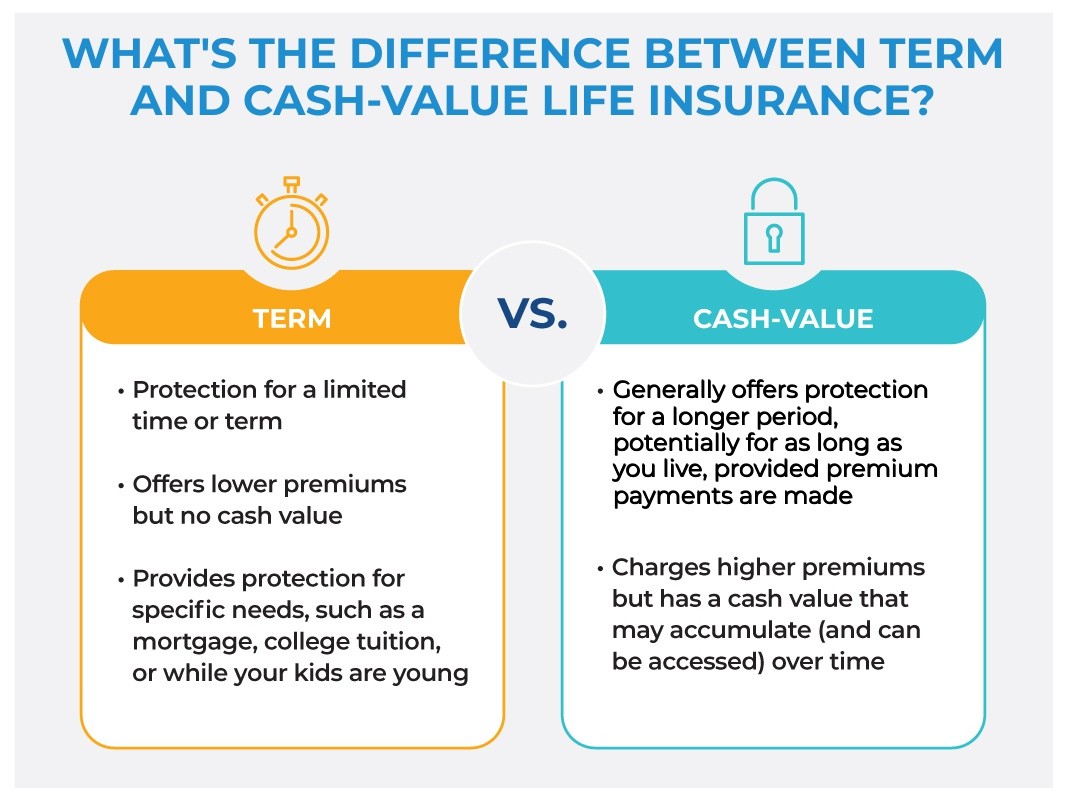
To understand how cash value interacts with term insurance at Allstate, one must first understand the basic mechanics of term coverage. Term life insurance is designed to provide maximum coverage for a specific period—typically 10, 15, 20, or 30 years. It is "pure" life insurance; the premiums pay strictly for the death benefit and the administrative costs of the insurance company.
Unlike permanent policies (such as Whole Life or Universal Life), a standard term policy does not have a savings component. There is no "account balance" that grows over time. If the policyholder dies within the term, the beneficiaries receive the death benefit. If the policyholder outlives the term, the coverage simply ends, and no money is returned.
However, many Allstate clients seek the "cash value" experience within the term framework. This is primarily handled through specialized product structures or supplemental riders that alter the standard "use it or lose it" nature of term insurance.
Allstate Return of Premium (ROP) Term Insurance
The most direct answer to the quest for "term life with cash value" is the Return of Premium (ROP) feature. While not technically "cash value" in the sense of an investment account that grows with interest, it functions as a forced savings vehicle.
How ROP Works
With an Allstate ROP term policy, if you outlive the duration of the level-premium period (e.g., 20 or 30 years), the insurance company refunds 100% of the premiums you paid during that time. This refund is generally income-tax-free because it is considered a return of your "basis" or the money you already paid into the contract.
The Cost-Benefit Tradeoff
It is important to note that ROP policies are significantly more expensive than standard term policies. In 2026, an ROP policy might cost 30% to 100% more than a basic term policy for the same death benefit. The "extra" premium you pay is essentially what the insurance company uses to fund the eventual refund.
Why Choose ROP?
- Risk Mitigation: It provides a safety net for those who worry about paying into a policy for 30 years and getting nothing back.
- Forced Savings: For individuals who struggle to save money elsewhere, the ROP feature ensures a lump sum payment at the end of the term.
- Tax Advantages: Under current IRS guidelines in 2026, the return of your own premiums is not treated as taxable income, unlike interest earned in a high-yield savings account.
The Conversion Privilege: Path to Permanent Cash Value
For most Allstate policyholders, the most viable way to obtain true cash value from a term policy is through the conversion privilege. Most Allstate "TrueFit" term policies include a provision that allows the owner to convert the term coverage into a permanent life insurance policy without undergoing a new medical exam.
The Mechanics of Conversion
When you convert an Allstate term policy to a Permanent (Whole or Universal) policy, you are essentially "trading in" your temporary coverage for a policy that lasts your entire life and builds cash value.
- No Medical Underwriting: This is the most critical benefit. Even if you have developed health issues since originally taking out the term policy, Allstate must honor the conversion at the same health class you were originally assigned.
- Cash Value Accumulation: Once converted, a portion of your new, higher premium goes into a cash value account. This account grows tax-deferred and can be accessed via policy loans or withdrawals in the future.
- Deadline Constraints: Allstate typically requires conversion to happen before a certain age (often 65 or 70) or before the term period ends, whichever comes first.
Why Convert Instead of Buying New?
If you decide in 2026 that you want a policy with cash value, converting your existing Allstate term policy is often better than applying for a new Whole Life policy. If your health has declined, a new policy might be unaffordable or unavailable. Conversion protects your "insurability."
Allstate Product Comparison: Term vs. Cash Value Alternatives
To help decide which path is right for your financial goals in 2026, consider how Allstate’s various products compare in terms of cost, duration, and value accumulation.
| Feature | Allstate Basic Term | Allstate Term with ROP | Allstate Whole Life | Allstate Universal Life |
|---|---|---|---|---|
| Duration | Fixed (10-30 years) | Fixed (20-30 years) | Lifetime | Lifetime (Flexible) |
| Premium Cost | Lowest | Moderate to High | Highest | Flexible/Moderate |
| Cash Value? | No | No (Refund only) | Yes (Guaranteed) | Yes (Market/Interest linked) |
| Death Benefit | Fixed | Fixed | Fixed | Flexible |
| Best For... | Budget protection | Risk-averse savers | Legacy planning | Wealth accumulation |
| 2026 Market Status | Widely available | Available via Rider | Signature Product | Signature Product |
Accessing Cash Value: Policy Loans and Withdrawals
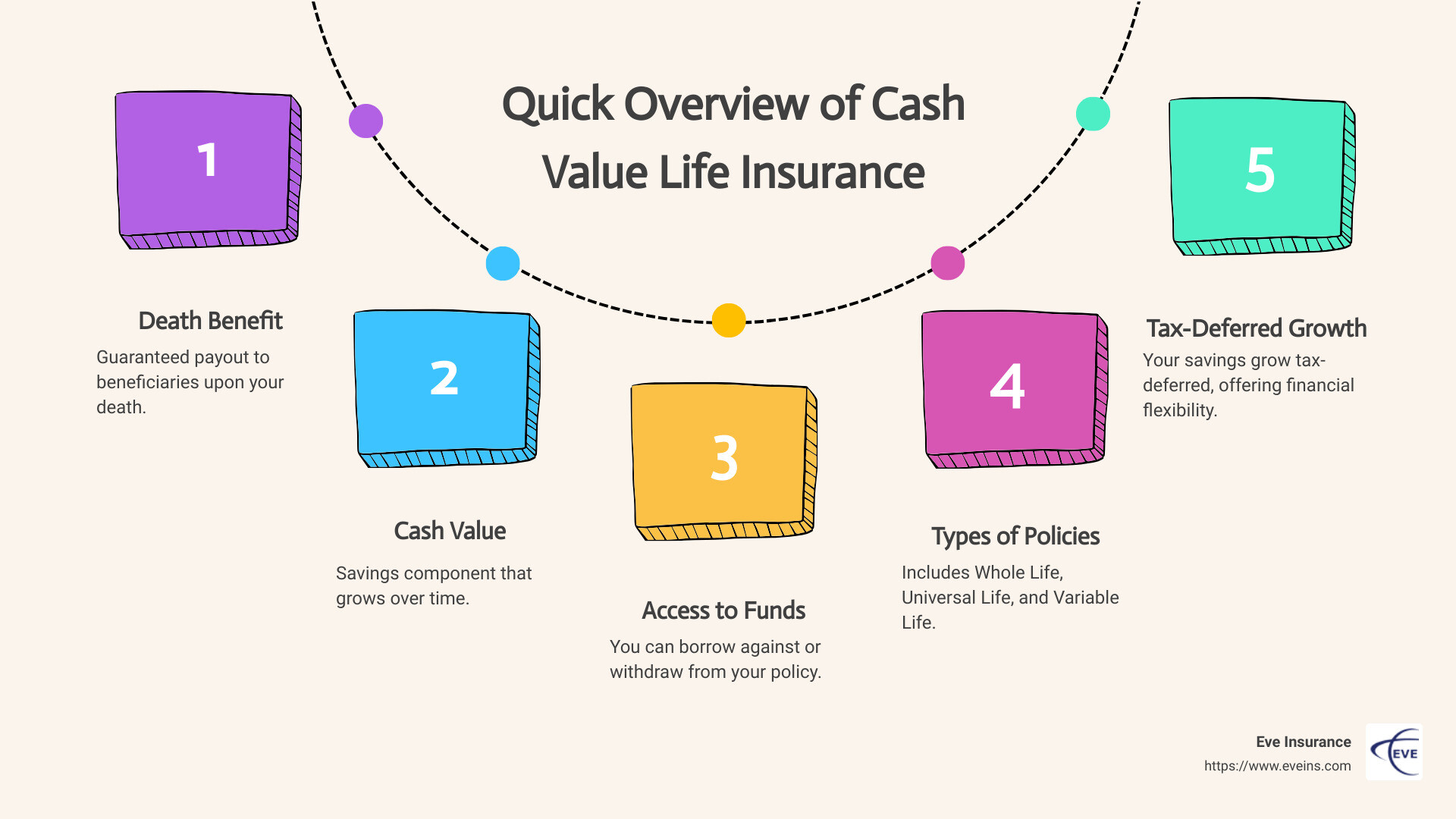
If you have converted your Allstate term policy into a permanent one, or if you opted for a permanent policy from the start, you gain access to the cash value component. This is a significant financial tool that separates permanent insurance from basic term insurance.
Policy Loans
You can borrow against the cash value of your Allstate policy. These loans are not reported to credit bureaus and do not require a credit check because you are essentially borrowing your own money, using the death benefit as collateral. In 2026, loan interest rates are set by the policy contract. If the loan isn't repaid, the balance is simply deducted from the death benefit when you pass away.
Partial Withdrawals
Unlike a loan, a withdrawal (or partial surrender) permanently reduces the cash value and the death benefit. However, it can provide immediate liquidity for major life events, such as a child’s college tuition or a down payment on a home.
Surrender Value
If you decide you no longer need the insurance coverage, you can "surrender" the policy. Allstate will pay you the accumulated cash value, minus any applicable surrender charges. This is the ultimate "cash out" option that standard term insurance lacks.
The Role of Riders in Customizing Allstate Policies
Beyond Return of Premium, Allstate offers several riders that can add "value" to a term policy, even if they don't create a literal cash account. In the 2026 insurance landscape, customization is key to policy performance.
- Accelerated Death Benefit Rider: Often included at no or low cost, this allows you to access a portion of your death benefit while you are still alive if you are diagnosed with a terminal illness. While not "cash value" in the traditional sense, it provides liquidity when it is needed most.
- Waiver of Premium Rider: If you become totally disabled, Allstate will pay your premiums for you. This ensures the policy remains in force without draining your other assets.
- Children’s Term Rider: Provides a small amount of coverage for all children in the household, which can be converted to their own cash-value-building permanent policies later in life.
Financial Strength and Reliability of Allstate in 2026
When choosing a policy that involves long-term cash accumulation or a promised refund 30 years in the future, the financial stability of the carrier is paramount. As of 2026, Allstate remains a highly-rated insurer.
Financial rating agencies such as A.M. Best, Standard & Poor’s, and Moody’s consistently provide Allstate with high marks for its ability to meet its ongoing insurance obligations. For example, maintaining an "A+" or better rating from A.M. Best indicates a superior ability to pay out claims and refunds. Prospective policyholders should verify these ratings via the A.M. Best website to ensure the company's long-term solvency matches their policy length.
Furthermore, the National Association of Insurance Commissioners (NAIC) provides resources for consumers to check the complaint index of insurance companies. Allstate typically maintains a stable profile, reflecting its scale and established customer service infrastructure. More information can be found at the NAIC Consumer Insurance Search Tool.
Common Misconceptions About Allstate Term Cash Value
There is significant misinformation regarding how term insurance works. Clearing these up is essential for making an informed purchase in 2026.
- "Term insurance is a waste of money." This is only true if you view insurance as an investment rather than protection. Term insurance is like auto insurance; you pay for the protection, and you hope you never have to "use" it.
- "I can add cash value to any term policy later." You cannot retroactively add a cash value component to a basic term policy. You must either have the ROP rider from the start or use the conversion privilege to switch to a different type of policy.
- "The cash value belongs to my beneficiaries in addition to the death benefit." In most Allstate permanent policies (unless specifically structured otherwise), the insurance company keeps the cash value when you die, and the beneficiaries receive only the face amount (death benefit). The cash value is a "living benefit" for the policyholder.
How to Determine if You Need Cash Value Features
Before committing to the higher premiums of an Allstate ROP or Permanent policy, ask yourself the following questions:
- What is my primary goal? If it is purely to protect your family during mortgage-paying years, basic term is likely the most efficient use of your capital.
- What is my budget? If a permanent policy with cash value is so expensive that you might let it lapse in five years, you are better off with a term policy you can comfortably afford.
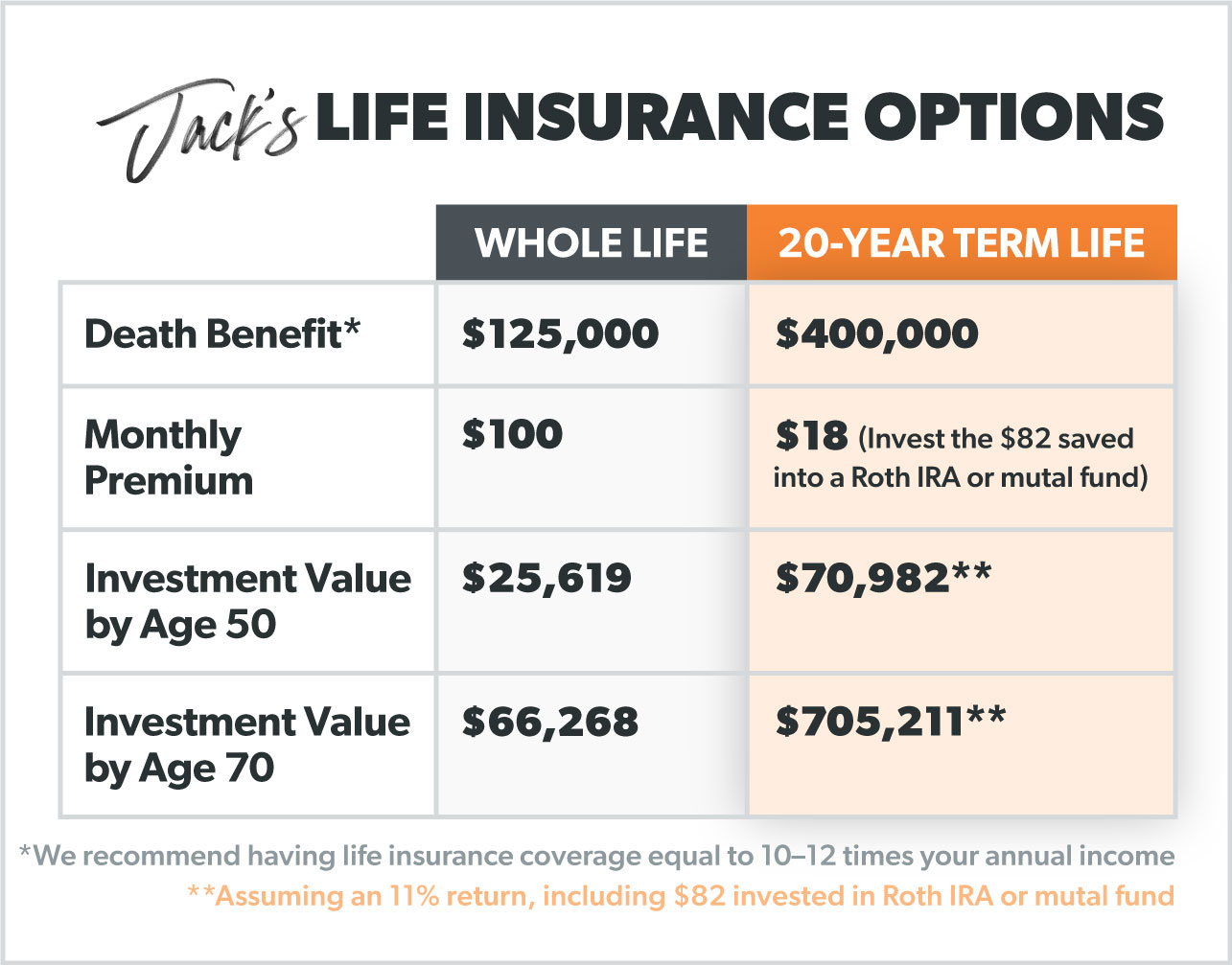
- Do I have other investments? Many financial advisors suggest "buying term and investing the difference." This means taking the money you would have spent on a high-premium cash value policy and putting it into a 401(k) or IRA instead.
- Do I need a legacy? If you want to leave money to heirs regardless of when you die, a conversion to a permanent policy is the only way to guarantee a payout.
Frequently Asked Questions
Can I withdraw money from my Allstate term life policy?
No, you cannot withdraw money from a standard Allstate term life policy because it does not accumulate cash value. However, if you have a Return of Premium (ROP) term policy, you will receive a refund of your premiums at the end of the term. If you need withdrawal capabilities, you must convert the term policy into a permanent policy such as Whole Life or Universal Life.
Is the Allstate Return of Premium rider worth the extra cost?
Whether the ROP rider is "worth it" depends on your alternative investment opportunities. While you get your premiums back, you lose the opportunity cost of that money. If you had invested the difference in the stock market, you might have more than the refund amount after 20 or 30 years. However, for those who value guaranteed returns and "forced" savings, the ROP rider provides peace of mind.
What happens to my cash value if I stop paying Allstate premiums?
In a permanent policy (converted from term), if you stop paying premiums, you can use the accumulated cash value to pay the premiums (Automatic Premium Loan), or you can surrender the policy for its "Net Cash Value." If the cash value runs out and you do not resume payments, the policy will lapse.
Can I convert only a portion of my Allstate term policy?
Yes, Allstate typically allows "partial conversions." For example, if you have a $500,000 term policy, you could convert $100,000 of it into a permanent Whole Life policy with cash value and keep the remaining $400,000 as term coverage. This is a common strategy for people whose needs change as they age.
How long does it take for cash value to build up in a converted policy?
Cash value accumulation is slow in the early years of a policy because a significant portion of the initial premiums goes toward commissions and administrative setup costs. Typically, it takes 5 to 10 years before the cash value becomes a substantial sum. This is why permanent insurance is considered a long-term financial commitment.
Next Steps for Prospective Policyholders
If you are considering Allstate term life insurance but want the benefits of cash value, your first step should be to request a "TrueFit Term" quote with an ROP rider and compare it to a standard term quote.
Additionally, ask an Allstate agent for a "Conversion Illustration." This document will show you exactly what a permanent policy would look like if you decided to switch in 5 or 10 years, including projected cash value growth. By understanding these options in 2026, you can build a life insurance strategy that provides both the immediate protection your family needs and the long-term financial flexibility you desire.