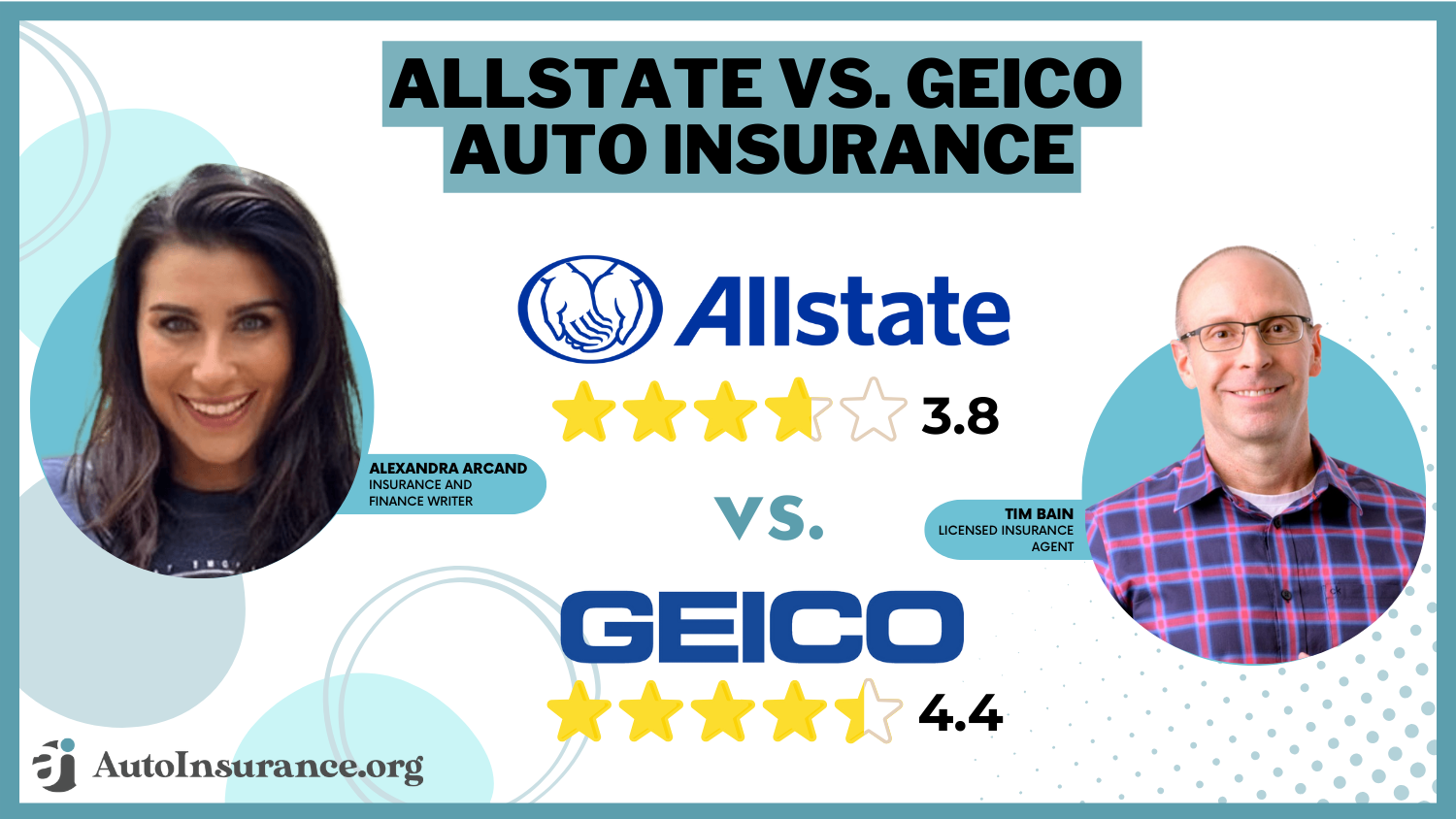
Allstate provides comprehensive commercial auto insurance tailored to the needs of small business owners, contractors, and fleet managers. Their coverage protects business-owned vehicles, including cars, vans, and trucks, from liability claims and physical damage. It also offers specialized protections like Hired and Non-Owned Auto (HNOA) coverage for employees using personal vehicles for business purposes.
The Necessity of Commercial Auto Insurance with Allstate
For many business owners in 2026, the line between personal and professional vehicle use can often feel blurred. However, from a legal and contractual standpoint, the distinction is absolute. Standard personal auto insurance policies almost universally contain "business use" exclusions. If an accident occurs while a vehicle is being used for commercial activities—such as delivering goods, transporting clients for a fee, or hauling heavy equipment to a job site—a personal insurance carrier will likely deny the claim.
Allstate’s commercial auto insurance is designed to bridge this gap. As businesses evolve with more complex logistics and on-demand delivery models, having a policy that specifically recognizes the higher risk profile of commercial operations is essential. This coverage does more than just pay for fender benders; it protects the business entity itself from lawsuits that could otherwise lead to bankruptcy or the seizure of corporate assets.
When you secure a commercial policy through Allstate, you are shifting the financial risk of operating a vehicle onto the insurer. In 2026, where litigation costs and vehicle repair expenses (driven by advanced sensors and AI-integrated components) have reached record highs, the "financial safety net" provided by a commercial policy is a prerequisite for any sustainable operation.
Core Coverages Included in Allstate Commercial Policies
Allstate structures its commercial auto insurance to be modular, allowing business owners to select the specific protections they need based on their industry and fleet size. The core components typically include:
Bodily Injury and Property Damage Liability
Liability coverage is the foundation of any commercial policy. If you or an employee are found at fault in an accident, Bodily Injury Liability covers the medical expenses, lost wages, and legal fees of the other party. Property Damage Liability pays for the repair or replacement of the other driver’s vehicle or any public/private property damaged in the collision. Given the high settlements in 2026, many businesses opt for higher limits than the state minimum to ensure total protection of their business equity.
Collision and Comprehensive Coverage
These coverages protect the business's own investment in its vehicles. Collision coverage pays for repairs to your business vehicle regardless of who is at fault in an accident. Comprehensive coverage protects against non-collision events, such as theft, vandalism, fire, or damage from natural disasters. For businesses operating in areas prone to extreme weather or high crime rates, comprehensive coverage is often a non-negotiable requirement from lenders if the vehicle is financed.
Uninsured and Underinsured Motorist Coverage
Despite legal requirements, many drivers on the road in 2026 remain underinsured or completely uninsured. If a business vehicle is struck by a driver who lacks sufficient coverage to pay for the damages, this portion of the Allstate policy steps in to cover the shortfall. This prevents a business from having to pay out-of-pocket for an accident that was not their fault.
Medical Payments and Personal Injury Protection (PIP)
These coverages focus on the occupants of the business vehicle. Medical Payments (MedPay) covers the medical bills for the driver and passengers after an accident. PIP is broader and can include coverage for lost wages and essential services the injured person can no longer perform. In "no-fault" states, PIP is a critical component of the Allstate commercial package.
Specialized Protections and Endorsements
Allstate offers several endorsements (add-ons) that allow for a highly customized insurance profile. These are particularly useful for niche industries or businesses with unique operational risks.
- Hired and Non-Owned Auto (HNOA) Coverage: This is perhaps the most important add-on for businesses where employees use their personal cars for work-related tasks, such as running errands or visiting clients. HNOA protects the business if an employee causes an accident in their own car while on the clock.
- Inland Marine Insurance: While the auto policy covers the vehicle, it often does not cover the high-value tools, equipment, or cargo inside. Allstate’s Inland Marine endorsement ensures that a plumber's tools or a caterer's equipment are protected while in transit.
- Rental Reimbursement: If a business vehicle is in the shop for covered repairs, Allstate can provide funds for a rental, ensuring that the business does not lose revenue due to downtime.
- Gap Insurance: Because vehicles depreciate rapidly, the actual cash value (ACV) paid out after a total loss might be less than what is owed on a loan. Gap insurance covers this difference.
Eligible Vehicle Types and Business Categories
Allstate covers a wide spectrum of vehicles, ranging from standard passenger cars used for sales calls to heavy-duty trucks used in construction.
| Vehicle Category | Typical Use Cases | Key Considerations |
|---|---|---|
| Passenger Vehicles | Real estate agents, sales reps, consultants. | Often eligible for "Business Use" extensions on personal policies, but full commercial is safer. |
| Delivery Vans/Step Vans | Last-mile delivery, florists, couriers. | High frequency of stops increases collision risk; requires robust liability limits. |
| Service Trucks | Plumbers, electricians, HVAC technicians. | Needs Inland Marine add-ons for specialized tools and equipment. |
| Food Trucks | Mobile catering and street vending. | Requires specific coverage for built-in kitchen equipment and general liability integration. |
| Heavy Trucks | Dump trucks, box trucks (under certain weight limits). | Subject to stricter FMCSA regulations and higher premium costs. |
It is important to note that Allstate typically focuses on small to mid-sized commercial fleets. Very large-scale trucking operations (Class 8 long-haul semis) may require specialized "Motor Carrier" insurance that falls outside the standard Allstate commercial auto scope, often handled by their brokerage partners or specialized commercial divisions.
Factors That Influence Allstate Premiums in 2026
The cost of a commercial auto policy is not a fixed number; it is a calculation of risk based on several dynamic variables. In 2026, Allstate utilizes advanced data analytics to determine these rates.
- Driving Records: The Motor Vehicle Records (MVRs) of all employees listed on the policy are the primary drivers of cost. A single driver with a DUI or multiple speeding tickets can significantly increase the entire fleet's premium.
- Vehicle Weight and Type: Heavier vehicles cause more damage in an accident, making them more expensive to insure. Additionally, vehicles with high-tech components are more costly to repair, which is reflected in the comprehensive and collision premiums.
- Geography and Radius of Operation: A business operating in a densely populated urban center like New York or Los Angeles will face higher rates than one in a rural area. Furthermore, the distance a vehicle travels—its "radius"—matters. Long-distance hauling carries more risk than local neighborhood deliveries.
- Coverage Limits and Deductibles: Choosing a $1,000,000 liability limit instead of a $100,000 limit will increase premiums but provide significantly better protection. Conversely, opting for a higher deductible can lower the monthly or annual premium.
- Telematics Integration: Allstate’s "Milewise" and "Arity" platforms allow businesses to share real-time driving data with the insurer. In 2026, businesses that demonstrate safe driving habits (low speeds, gradual braking, daytime driving) can earn substantial discounts through these transparency programs.
Managing Your Policy: The Allstate Business Digital Advantage
In 2026, Allstate has streamlined the management of commercial policies through its digital ecosystem. Business owners no longer need to wait for paper documents to arrive by mail to prove they are insured.
- Instant Certificates of Insurance (COI): Many contracts require proof of insurance before a business can even enter a job site. The Allstate mobile app and online portal allow for the instant generation and sharing of COIs.
- Employee List Management: Adding or removing drivers is a critical task. Allstate’s portal allows for rapid updates to ensure that new hires are covered immediately and that the business isn't paying for former employees.
- Claims Processing: The claims process has been accelerated using AI-assisted damage assessment. By uploading photos of a collision through the app, business owners can often receive a repair estimate and initial payment in a fraction of the time compared to traditional methods.
Comparison of Coverage Types
| Feature | Personal Auto Policy | Commercial Auto Policy | Hired/Non-Owned (HNOA) |
|---|---|---|---|
| Primary Insured | Individual/Family | Business Entity | Business Entity |
| Usage Allowed | Commuting, Errands | Business Deliveries, Sales | Employees using personal cars |
| Liability Limits | Generally lower ($25k - $500k) | Generally higher ($500k - $5M) | Secondary to personal policy |
| Tools/Cargo Coverage | Usually excluded | Available via endorsement | Not covered |
| Driver Flexibility | Defined household members | Any authorized employee | Any employee using own vehicle |
Frequently Asked Questions
Does Allstate commercial auto insurance cover gig work like Uber or DoorDash?
While Allstate offers "Ride for Hire" endorsements on personal policies for part-time gig workers, full-time delivery or transport operations usually require a dedicated commercial policy. If you are operating a fleet of vehicles for delivery, a standard personal policy with an endorsement may not provide sufficient liability protection.
Are my employees automatically covered when they drive my business van?
Employees are covered if they are listed on the policy and have been vetted by Allstate’s underwriting process. It is vital to notify your agent of any new drivers. If an unlisted employee with a poor driving record causes an accident, the claim could be scrutinized or denied.
How much does Allstate commercial auto insurance cost in 2026?
Costs vary wildly based on the factors mentioned above. A single passenger vehicle for a low-risk consulting business might cost $1,200 to $2,000 per year, while a cargo van for a delivery service could range from $3,000 to $6,000 per year per vehicle. The best way to determine cost is through a formal quote that considers your specific MVRs.
Does Allstate offer discounts for safety features?
Yes. In 2026, vehicles equipped with Advanced Driver Assistance Systems (ADAS)—such as automatic emergency braking, lane-keeping assist, and 360-degree cameras—often qualify for safety discounts. Additionally, installing GPS tracking and dash cams can further reduce premiums with certain Allstate programs.
What happens if I use my business truck for personal errands on the weekend?
Allstate commercial policies generally allow for "permissive use" or "personal use" of the business vehicle by the primary driver or owner. However, you should confirm that your specific policy does not have a "radius" or "time-of-use" restriction that would limit coverage during non-business hours.
Final Recommendation for Business Owners
If your business relies on vehicles to generate revenue, a personal auto policy is a significant liability. For 2026, the recommendation is to conduct a "usage audit" of your vehicles. If any vehicle is used primarily for business, or if employees are driving on your behalf, you should transition to an Allstate commercial auto policy.
To get started, gather the Vehicle Identification Numbers (VINs) for all vehicles and the driver’s license numbers for all employees. Contacting a local Allstate agent is often more effective than using a generic online quote tool, as an agent can identify industry-specific risks—such as the need for Inland Marine or specialized liability limits—that automated systems might overlook. Protecting your business from the catastrophic costs of a single road accident is an essential investment in your company’s long-term viability.