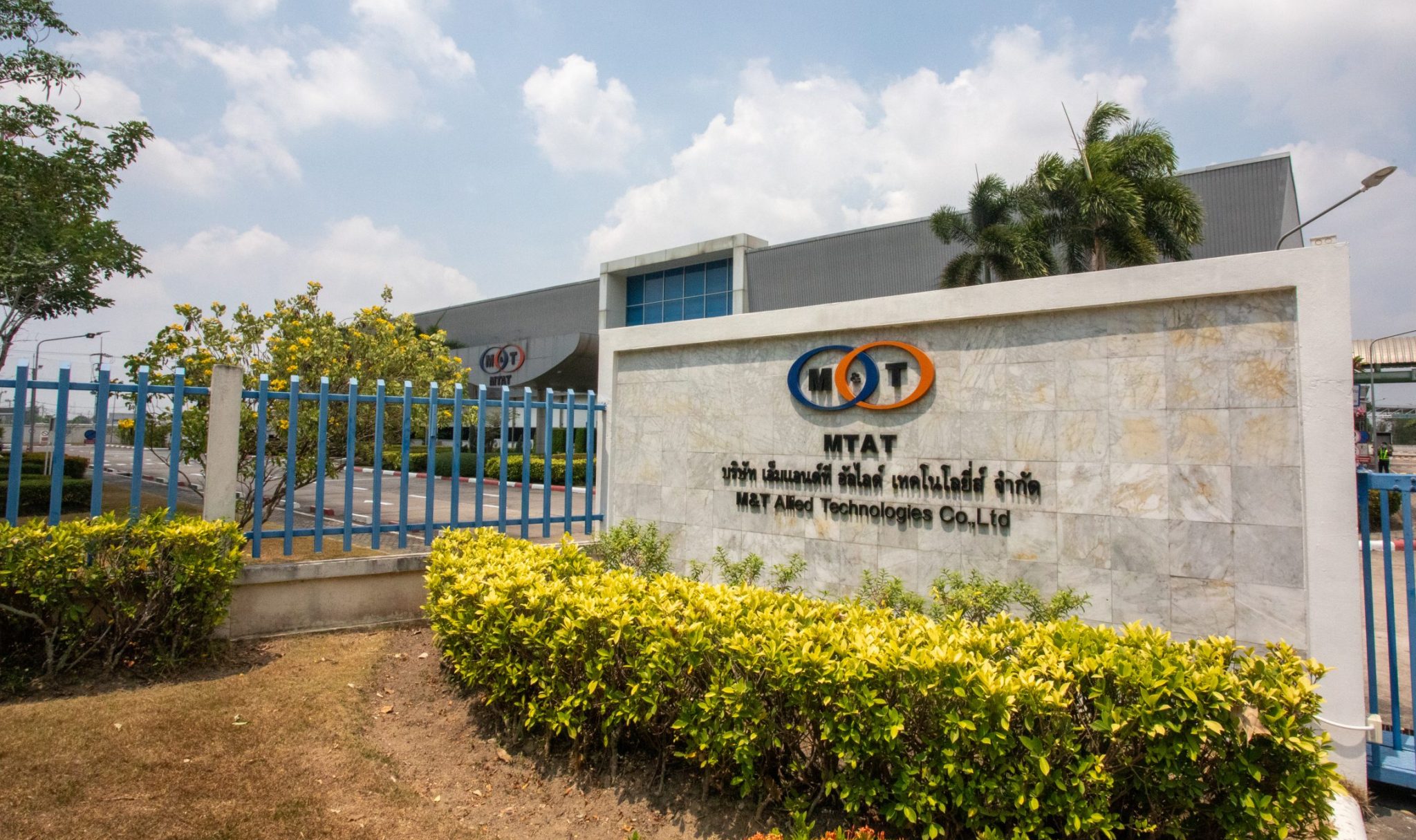
Allied Technologies International (ATI) is a premier global manufacturer and supply chain integrator specializing in high-precision components for the aerospace, defense, and commercial industrial sectors. By combining advanced manufacturing capabilities with rigorous quality management systems like AS9100, ATI provides mission-critical solutions for complex engineering challenges, ensuring operational readiness and safety in high-stakes environments.
The Role of Allied Technologies International in the 2026 Industrial Landscape
In the complex ecosystem of global manufacturing, Allied Technologies International serves as a vital nexus between advanced engineering concepts and physical, flight-ready hardware. As of 2026, the demand for precision-engineered components has reached an all-time high, driven by the resurgence of commercial air travel, the expansion of private space exploration, and the modernization of global defense infrastructure.
ATI does not merely act as a parts supplier; it functions as a strategic partner for Original Equipment Manufacturers (OEMs) and Tier 1 aerospace suppliers. The company’s value proposition centers on its ability to manage the entire lifecycle of a component—from raw material procurement and complex machining to final assembly, testing, and just-in-time delivery. This integrated approach mitigates the risks associated with fragmented supply chains, providing customers with a single point of accountability for quality and schedule adherence.
Core Competencies and Advanced Manufacturing Capabilities
The reputation of Allied Technologies International is built upon a foundation of technical excellence. The company utilizes a broad array of manufacturing technologies designed to handle exotic materials and meet incredibly tight tolerances that are standard in the aerospace industry.
Precision CNC Machining
At the heart of ATI’s operations is high-precision Computer Numerical Control (CNC) machining. In 2026, this involves the use of multi-axis (5-axis and beyond) machining centers capable of producing complex geometries in a single setup. This reduces the margin for error that occurs when moving parts between different machines.
- Materials Handled: ATI specializes in working with aerospace-grade alloys, including Titanium, Inconel, Stainless Steel, and high-strength Aluminum.
- Tolerances: The facility is capable of maintaining tolerances within microns, ensuring that every component fits perfectly within larger assemblies where there is no room for error.
Sheet Metal Fabrication and Forming
Beyond subtractive manufacturing, ATI offers extensive sheet metal services. This includes precision laser cutting, CNC punching, and specialized forming processes. These capabilities are essential for producing structural components, brackets, and enclosures that require high strength-to-weight ratios.
Electromechanical Assembly and Kitting
ATI provides high-level assembly (HLA) services, moving beyond individual parts to deliver complete sub-assemblies. This includes the integration of mechanical parts with electronic components, sensors, and wiring harnesses. Their kitting services allow OEMs to receive all necessary components for a specific build in a single, organized package, significantly reducing their internal inventory costs and assembly time.
Quality Assurance: The AS9100 and ISO Framework
In the aerospace and defense sectors, quality is not a goal—it is a prerequisite. Allied Technologies International operates under a robust Quality Management System (QMS) that is fully certified to international standards.
- AS9100 Rev D: This is the gold standard for aerospace quality. It incorporates the entirety of ISO 9001 while adding dozens of specific requirements for the aviation, space, and defense industries. ATI’s adherence to this standard ensures rigorous risk management, configuration management, and traceability of all materials.
- ISO 9001:2015: This certification underscores the company’s commitment to consistent quality and continuous improvement across all business processes, from customer service to shipping.
- ITAR Compliance: As a supplier to the defense industry, ATI is registered with the Directorate of Defense Trade Controls (DDTC) and maintains strict compliance with the International Traffic in Arms Regulations (ITAR). This ensures that sensitive technical data and hardware are handled according to U.S. national security protocols.
Non-Destructive Testing (NDT)
To verify the integrity of critical components without damaging them, ATI employs various NDT methods. These may include Fluorescent Penetrant Inspection (FPI), Magnetic Particle Inspection (MPI), and X-ray analysis. These tests are vital for identifying microscopic cracks or inclusions that could lead to catastrophic failure under the extreme stresses of flight.
Strategic Supply Chain Integration and Logistics
One of the most significant challenges facing aerospace companies in 2026 is supply chain volatility. Allied Technologies International addresses this through sophisticated supply chain management (SCM) strategies that go beyond simple manufacturing.
Vendor Managed Inventory (VMI)
ATI offers VMI programs where they take responsibility for maintaining the customer’s inventory levels at the customer’s site. By using real-time data and predictive analytics, ATI ensures that parts are always available when needed, preventing costly "Aircraft on Ground" (AOG) situations or production line stoppages.
Global Sourcing and Material Management
The company maintains a vetted network of material suppliers and special process houses (e.g., heat treating, plating, and coating). By managing these sub-tier suppliers, ATI simplifies the procurement process for its clients. Every external process is monitored to ensure it meets the same high standards as ATI’s internal operations.
| Feature | Description | Benefit to Customer |
|---|---|---|
| Integrated SCM | Management of all sub-tier vendors and raw materials. | Reduced administrative overhead and risk. |
| Just-in-Time (JIT) | Delivery of parts exactly when they are needed for production. | Lowered inventory carrying costs. |
| Digital Thread | End-to-end digital tracking of part data and history. | Full traceability and simplified auditing. |
| Risk Mitigation | Proactive identification of supply chain bottlenecks. | Enhanced schedule stability. |
Industries and Applications Served
Allied Technologies International’s footprint spans several high-tech sectors, each with its own unique set of demands and regulatory environments.
Commercial Aviation
In the commercial sector, ATI provides components for engines, landing gear, and cabin interiors. With the 2026 focus on fuel efficiency, ATI’s ability to machine lightweight, high-strength composites and alloys is critical for the next generation of narrow-body and wide-body aircraft.
Defense and Military
ATI supports various military platforms, including fighter jets, transport aircraft, and unmanned aerial vehicles (UAVs). The company’s ITAR registration and experience with military specifications (Mil-Spec) make it a trusted partner for the Department of Defense and its primary contractors.
Space and Satellite Technology
The burgeoning "New Space" economy relies on components that can survive the vacuum of space and extreme thermal cycling. ATI manufactures structural components for satellites and launch vehicles, where weight optimization is the primary engineering driver.
Technical Innovations and the 2026 Outlook
As we move through 2026, Allied Technologies International continues to adopt "Industry 4.0" technologies to maintain its competitive edge.
- Predictive Maintenance: By using IoT sensors on their CNC machines, ATI can predict when a tool is likely to fail or when a machine requires calibration. This minimizes unplanned downtime and ensures consistent part quality.
- Digital Twins: ATI utilizes digital representations of parts and processes to simulate manufacturing before the first piece of metal is cut. This reduces waste and accelerates the transition from prototype to full-scale production.
- Sustainability Initiatives: In alignment with global aerospace trends, ATI has implemented greener manufacturing processes. This includes high-efficiency coolant recycling systems, energy-efficient facility lighting, and a focus on reducing scrap through optimized nesting and machining paths.
Working with Allied Technologies International: Procurement and Partnerships
For organizations looking to partner with ATI, the process begins with a comprehensive technical review. Unlike standard machine shops, ATI’s engineering team often collaborates with clients during the Design for Manufacturing (DfM) phase. This collaboration can lead to significant cost savings by identifying ways to simplify the manufacturing process without compromising the part’s performance or safety.
The RFP and Onboarding Process
When submitting a Request for Proposal (RFP), clients typically provide:
- Technical Drawings: CAD models and 2D blueprints with specific GD&T (Geometric Dimensioning and Tolerancing).
- Material Specifications: Requirements for specific alloys or treatments.
- Quality Requirements: Any additional testing or certification needs beyond AS9100.
- Delivery Schedules: Projected volumes and required delivery dates.
ATI’s project management team then develops a tailored manufacturing plan, including a detailed "Bill of Materials" (BOM) and a timeline for first-article inspection (FAI).
Frequently Asked Questions
What makes Allied Technologies International different from a standard machine shop?
The primary difference lies in the level of certification and the scope of services. While a standard shop may offer CNC machining, ATI provides a fully integrated supply chain solution, including material sourcing, special processes, and assembly, all within the rigorous quality framework of AS9100 Rev D. They are built specifically to serve the high-compliance aerospace and defense sectors.
Does Allied Technologies International handle small-batch prototypes?
Yes, ATI supports the entire product lifecycle. They have dedicated resources for rapid prototyping and small-batch production, allowing engineers to test designs before moving to high-volume manufacturing. Their DfM (Design for Manufacturing) feedback during this stage is highly valued by engineering teams.
Where is Allied Technologies International located?
ATI operates through various strategic locations, often positioned near major aerospace hubs in the United States. These locations are selected to facilitate easy logistics and communication with major OEMs. It is recommended to contact their corporate headquarters for the specific facility best suited to your regional or technical needs.
How does ATI ensure the security of sensitive defense data?
ATI is ITAR compliant and maintains strict cybersecurity protocols in line with NIST standards (specifically SP 800-171). This includes secure data storage, restricted access to technical drawings, and rigorous background checks for personnel handling sensitive project data.
Can ATI manage "Legacy" aircraft parts?
Yes, ATI is often called upon to manufacture components for older aircraft where the original manufacturer may no longer support the part. By using reverse engineering and advanced metrology, they can recreate parts to original specifications, helping to keep older fleets operational and safe.
Professional Recommendation for Procurement Teams
When evaluating Allied Technologies International as a potential supplier in 2026, procurement teams should focus on the company's "Total Cost of Ownership" (TCO) rather than just the per-unit price. While high-precision manufacturing and AS9100 compliance come with associated costs, the reduction in quality-related rejections, the reliability of the supply chain, and the expert engineering support provided by ATI often result in significant long-term savings.
For critical aerospace or defense projects, it is recommended to initiate a site audit or a pilot project to witness their quality management systems in action. Engaging their engineering team early in the design cycle will provide the maximum benefit in terms of cost optimization and manufacturing efficiency.