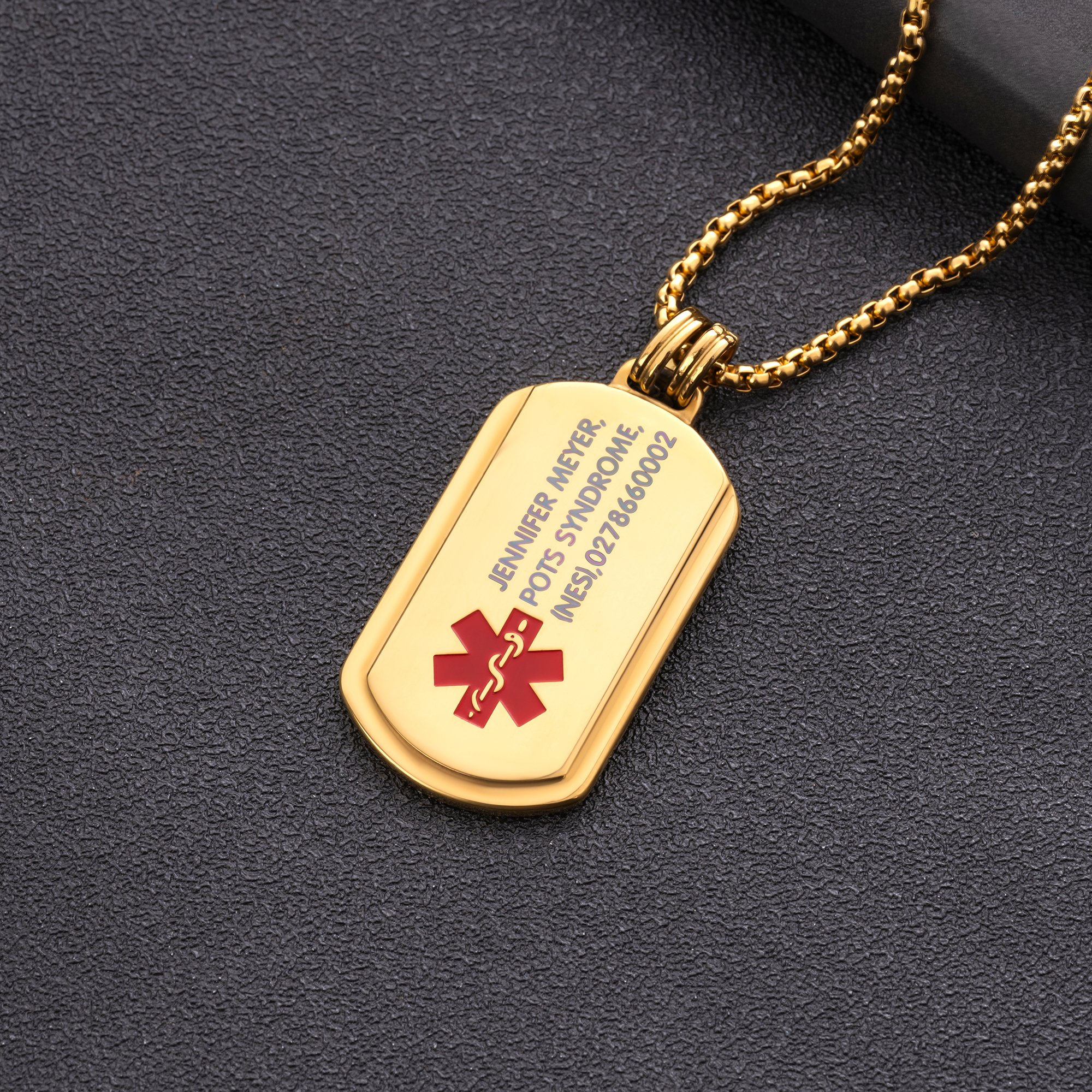
While stainless steel is often marketed as hypoallergenic, many individuals experience localized skin irritation or systemic reactions when coming into contact with it. This is typically not an allergy to the steel itself, but a hypersensitivity to nickel or chromium—trace elements used to provide the alloy with its signature corrosion resistance and durability.
Understanding the "Stainless Steel Allergy" Phenomenon
To navigate life with a stainless steel allergy, one must first understand that "stainless steel" is not a single material, but a broad category of iron-based alloys. For an alloy to be classified as stainless steel, it must contain at least 10.5% chromium. However, to make the metal more ductile and resistant to harsh environments, manufacturers frequently add nickel.
The most common culprit in "stainless steel allergies" is Nickel (Ni). Nickel is a silver-white metal that is the leading cause of allergic contact dermatitis (ACD) worldwide. When stainless steel comes into prolonged contact with the skin, especially in the presence of moisture or sweat, nickel ions can leach out of the metal and penetrate the skin barrier. In sensitized individuals, the immune system identifies these ions as foreign invaders, triggering an inflammatory response.
As of 2026, dermatological statistics indicate that nickel sensitivity affects approximately 12% to 15% of the global population, with higher prevalence among women due to historical exposure through ear piercing and jewelry. While chromium and cobalt are also potential allergens found in some steel formulations, nickel remains the primary concern for the majority of patients.
The Chemistry of Metal Release: Why Some Steel Reacts and Others Don't
The likelihood of an allergic reaction depends less on the total percentage of nickel in the steel and more on the rate of nickel release. If the nickel is tightly bound within the crystal lattice of the alloy, it may not leach out in quantities sufficient to trigger a reaction.
Austenitic vs. Ferritic Steels
Most household stainless steel belongs to the 300 series (Austenitic). This includes the ubiquitous 304 and 316 grades. These contain significant amounts of nickel (usually 8% to 14%). While 316L is often called "surgical steel," it still contains 10% to 14% nickel. It is considered "safer" because it is highly resistant to corrosion, meaning it releases fewer ions, but it is not nickel-free.
Conversely, the 400 series (Ferritic or Martensitic) is often nickel-free or contains only trace amounts (less than 0.5%). These steels are magnetic and are commonly used for flatware (knives) and automotive parts. For someone with a severe allergy, switching to 400-series products is a primary management strategy.
Common Symptoms and Clinical Presentation
Allergic contact dermatitis from stainless steel typically manifests as a localized skin eruption. However, the timing and severity can vary based on the duration of exposure and the individual's sensitivity threshold.
- Localized Eczema: Redness, itching, and swelling at the site of contact (e.g., the wrist under a watch or the earlobe).
- Vesicular Reactions: Small, fluid-filled blisters that may ooze or crust over in more severe cases.
- Chronic Lichenification: If the contact is low-level but constant, the skin may become thickened, leathery, and hyperpigmented.
- Systemic Nickel Allergy Syndrome (SNAS): In rare cases, individuals may react to nickel ingested through food cooked in stainless steel or naturally occurring in certain vegetables, leading to generalized hives, digestive issues, or respiratory symptoms.
Diagnosis is typically confirmed through a patch test conducted by an allergist or dermatologist. During this procedure, small amounts of various metal salts (like nickel sulfate) are applied to the skin under adhesive patches for 48 to 72 hours to observe for a delayed hypersensitivity reaction.
Hidden Sources of Stainless Steel Exposure in Daily Life
Managing a stainless steel allergy requires a high degree of "metal literacy." The alloy is so pervasive that many people are unaware of where they are encountering it.
Personal Jewelry and Wearables
This is the most frequent source of sensitization. Items to monitor include:
- Watch bands and casings: Even high-end watches often use 316L steel.
- Earring posts: "Hypoallergenic" labels are not legally regulated and can still contain nickel.
- Belt buckles and jean rivets: The classic "navel rash" is often caused by the nickel-containing button on blue jeans.
- Eyeglass frames: Many metallic frames use Monel or stainless steel alloys.
Kitchen and Culinary Tools
Stainless steel is the industry standard for cookware because it is non-reactive to most foods. However, for those with SNAS or extreme sensitivity, the kitchen is a major source of exposure.
- Cookware: "18/10" stainless steel indicates 18% chromium and 10% nickel. Boiling acidic foods (like tomato sauce) for long periods can leach significant amounts of nickel into the meal.
- Cutlery: Most forks and spoons are 18/10 or 18/8. Knives are usually 18/0 (ferritic) to maintain a sharp edge, making them generally safer for nickel-allergic individuals.
- Travel Mugs and Thermoses: The interior lining of most insulated flasks is 304-grade stainless steel.
Electronics and Technology
As devices become thinner and more metallic, contact dermatitis from electronics is on the rise.
- Smartphones: The frames of many flagship devices are made of high-strength stainless steel.
- Laptops: Palm rests on metallic laptops can cause rashes on the underside of the wrists.
- Wearable Fitness Trackers: The charging pins or the buckle on the strap are common irritants.
Medical and Dental Implications
For individuals with a documented stainless steel or nickel allergy, medical procedures require extra scrutiny. Many surgical implants, such as orthopedic screws, plates, and artificial joints, are made of stainless steel alloys.
While these implants are designed to be highly bio-stable, some patients develop peri-implantitis or chronic inflammation if they are sensitive to the metal. Similarly, in dentistry, stainless steel is used for orthodontic braces, crowns, and partial denture frameworks.
Pre-operative Disclosure: It is critical to inform your surgeon or dentist of a metal allergy. In 2026, alternative materials like Titanium, Zirconia, or Polyetheretherketone (PEEK) are standard alternatives for most implants and dental applications, providing excellent biocompatibility without the risk of nickel leaching.
Comparing Stainless Steel Grades and Allergy Risks
The following table outlines common grades of stainless steel and their relative risk for individuals with nickel or chromium sensitivities.
| Steel Grade | Type | Nickel Content (Approx.) | Common Applications | Allergy Risk Level |
|---|---|---|---|---|
| 304 (18/8) | Austenitic | 8% - 10.5% | Sinks, cookware, pipes | High |
| 316L | Austenitic | 10% - 14% | Jewelry, surgical tools | Moderate (Low release) |
| 430 (18/0) | Ferritic | < 0.75% | Flatware, appliance trim | Very Low |
| 440C | Martensitic | < 0.6% | High-end knives, bearings | Very Low |
| 201 | Austenitic | 3.5% - 5.5% | Low-cost kitchenware | High (Manganese used) |
Note: Risk level refers to the likelihood of triggering a reaction in a sensitized individual based on nickel content and common usage patterns.
Practical Management: How to Protect Yourself
Eliminating all stainless steel from one's life is nearly impossible, but reducing exposure to "releasable" nickel is a manageable goal.
The Dimethylglyoxime (DMG) Test
One of the most effective tools for an allergic individual is a nickel spot test kit. This kit contains dimethylglyoxime and ammonium hydroxide. When a drop of the solution is placed on a cotton swab and rubbed against a metal object, it will turn bright pink if the object is releasing nickel at a rate higher than 0.5 micrograms per square centimeter per week—the threshold generally recognized to trigger a reaction. This allows you to test jewelry, keys, and kitchen items at home.
Barriers and Coatings
If you cannot replace a nickel-containing item, you can create a physical barrier:
- Clear Nail Polish: Applying a layer of high-quality clear enamel to the inside of a watch or a belt buckle can temporarily block nickel ions. This must be reapplied frequently as it wears down.
- Plastic Covers: Small plastic sleeves can be placed over the "arms" of eyeglasses.
- Clothing Modifications: Sewing a patch of fabric over the back of a jean rivet or wearing an undershirt tucked in can prevent skin contact.
Safe Material Alternatives
When shopping for new items, look for materials that are naturally nickel-free:
- Jewelry: Platinum, 18K+ Yellow Gold (avoid white gold as it often contains nickel), Titanium, Niobium, and Sterling Silver (though verify it is not "rhodium plated" over nickel).
- Kitchenware: Cast iron, enameled cast iron (Le Creuset style), glass (Pyrex), or 100% ceramic cookware. For flatware, specifically look for "18/0" markings.
- Technology: Use silicone or leather cases for phones and laptops to prevent direct skin-to-metal contact.
Frequently Asked Questions
Can I develop a stainless steel allergy later in life?
Yes. Allergies to metals like nickel are typically acquired, not innate. You can be exposed to stainless steel for decades without an issue, but a specific event—such as a new piercing, a period of heavy sweating under a watch, or skin trauma—can sensitize your immune system. Once sensitized, the allergy is usually lifelong.
Is "surgical steel" safe for people with nickel allergies?
Not necessarily. "Surgical steel" usually refers to 316L stainless steel. While it is designed for high corrosion resistance (which reduces nickel leaching), it still contains roughly 10% nickel. Most people with mild sensitivities tolerate it well, but those with high sensitivity may still react, especially in fresh piercings where the metal is in contact with internal tissue.
Does 18/10 stainless steel mean it's high quality?
In terms of durability and shine, yes. The "10" represents 10% nickel, which makes the steel very resistant to rusting and staining. However, for someone with a metal allergy, 18/10 is actually more "dangerous" than the cheaper 18/0 (which has virtually no nickel but is more prone to surface rust).
Can diet affect a stainless steel allergy?
For most people, no. However, individuals with Systemic Nickel Allergy Syndrome (SNAS) may find that eating foods high in nickel (such as oats, chocolate, nuts, and legumes) or foods cooked in stainless steel pans exacerbates their skin symptoms. If you have chronic eczema that doesn't clear up despite avoiding metal contact, consult an allergist about a low-nickel diet.
Are there nickel-free stainless steels?
Yes. Ferritic stainless steels, such as the 400 series, are designed without nickel as a primary alloying element. These are increasingly used in consumer electronics and kitchenware to accommodate the growing number of nickel-sensitive consumers.
Final Recommendations for Daily Living
If you suspect an allergy to stainless steel, the first step is to seek a formal patch test from a healthcare professional to identify whether nickel, chromium, or another element is the true trigger. Once confirmed, adopt a "test and replace" strategy. Use a DMG spot test kit to identify the high-release items in your immediate environment—prioritizing items that have prolonged contact with your skin or are used for cooking acidic foods.
By transitioning to 18/0 flatware, titanium jewelry, and using protective barriers on electronics, you can effectively eliminate the inflammatory triggers of metal sensitivity without significantly altering your lifestyle. Always remember to advocate for yourself in medical and dental settings by requesting nickel-free alternatives for any long-term implants or appliances.
Medical Disclaimer: This article is for informational purposes only and does not constitute medical advice, diagnosis, or treatment. Always seek the advice of a physician or other qualified health provider with any questions regarding a medical condition.