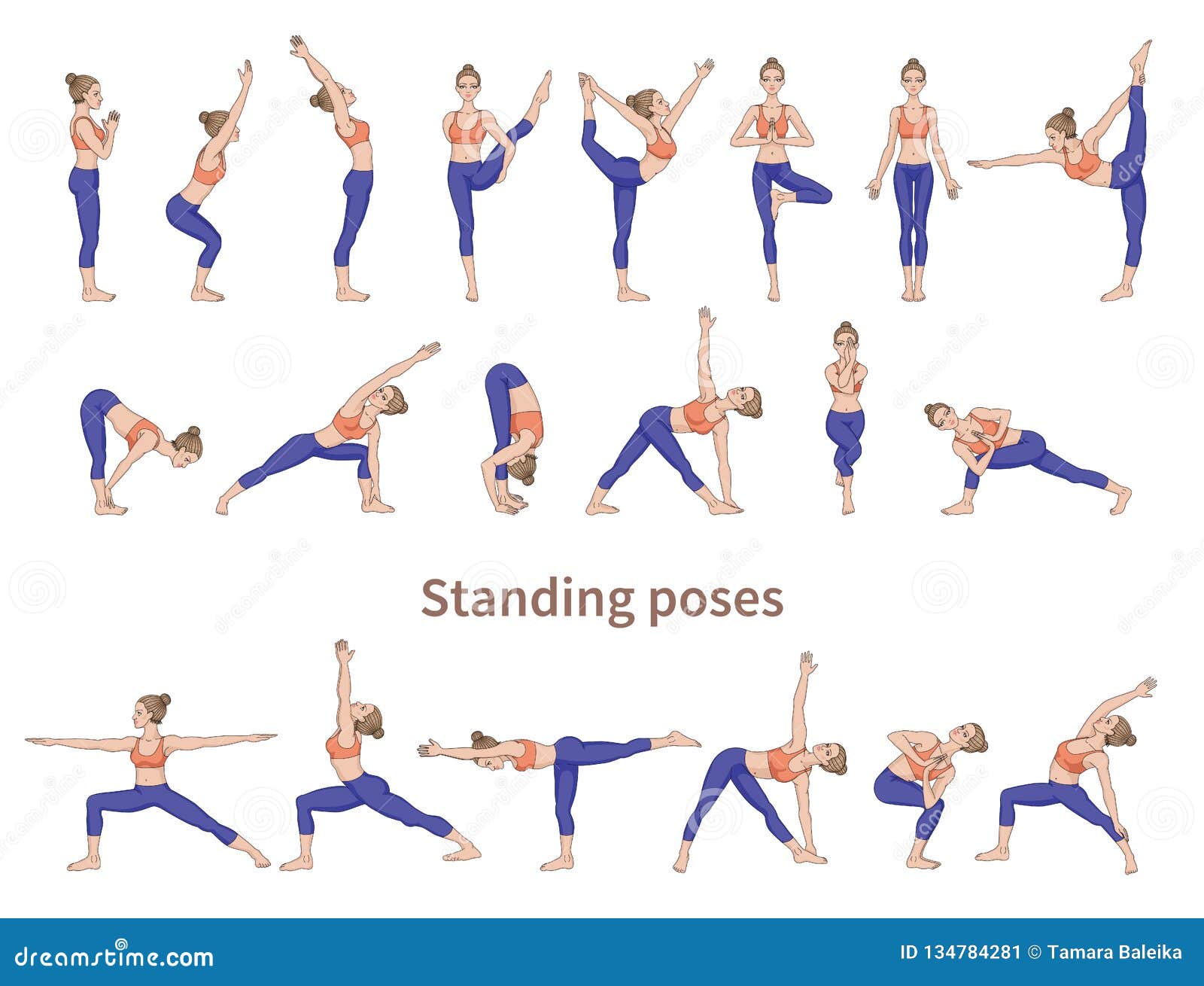
Yoga is a systematic practice of physical postures, breathing techniques, and meditation designed to unite the mind, body, and spirit. Understanding all yoga poses with their names explained for practice requires examining their Sanskrit terminology, structural alignment, biomechanical functions, and appropriate modifications. This guide breaks down essential yoga postures across major categories, offering a clear framework for safe and effective everyday execution.
Introduction to Yoga Postures and Terminology
The physical practice of yoga consists of asanas—a Sanskrit word translating loosely to "seat" or "posture." Historically, these forms were developed to prepare the physical body for prolonged periods of seated meditation by cultivating strength, flexibility, and nervous system regulation. In contemporary practice, asanas are categorized by their physical shapes and biomechanical effects on the skeletal and muscular systems.
Mastering yoga for daily practice involves more than mimicking a shape; it requires understanding the anatomical foundation, correct alignment cues, and the underlying purpose of each movement. Postures are generally taught using their traditional Sanskrit names alongside their common English translations. Learning both terms deepens your connection to the historical roots of the practice while helping you navigate classes, instructional manuals, and instructional videos safely.
Before beginning any physical yoga routine, it is essential to establish a baseline of physical readiness. Beginners should consult a qualified healthcare provider or physical therapist, especially if managing chronic pain, joint instability, recent surgeries, or cardiovascular conditions. Yoga is highly adaptable, but safety relies entirely on honoring your body’s current limitations, using props such as blocks and straps, and avoiding painful ranges of motion.
Foundational Standing Poses (Tadasana and Variations)
Standing poses form the bedrock of physical yoga practice. They build lower-body endurance, enhance proprioception, teach pelvic stability, and establish correct postural alignment that translates into everyday movement.
Tadasana (Mountain Pose)
- Sanskrit Meaning: Tada translates to mountain; asana means pose or seat.
- How to Practice: Stand with your feet together or hip-width apart. Lift and spread your toes, then place them gently back down on the mat to create a broad base. Engage your quadriceps, draw your kneecaps upward without locking the joints, tuck your tailbone slightly to neutralize the lumbar curve, and broaden your collarbones. Extend your arms alongside your torso with palms facing forward.
- Biomechanical Focus: Axial extension of the spine, neutral pelvis, and equal weight distribution across the feet.
- Common Mistakes: Hyperextending the knees, collapsing into the lower back, or flaring the ribcage outward.
Virabhadrasana I (Warrior I Pose)
- Sanskrit Meaning: Named after Virabhadra, a fierce warrior incarnation of the Hindu god Shiva.
- How to Practice: Step your left foot back roughly three to four feet. Turn your back heel down at a 45-degree angle, aligning your front heel with your back arch. Bend your front right knee until it is stacked directly over your right ankle. Square your hips toward the front of the mat as much as your pelvic mobility allows, and sweep your arms overhead with palms facing one another.
- Biomechanical Focus: External rotation of the back hip, internal rotation of the back thigh, and thoracic extension.
- Common Mistakes: Letting the front knee drift inward past the big toe, or straining the lower back by dumping weight forward.
Seated and Forward-Folding Poses
Seated postures and forward folds target the posterior chain—specifically the calves, hamstrings, gluteal muscles, and the entire erector spinae group. These shapes encourage introspection, down-regulate the nervous system, and improve spinal mobility.
Paschimottanasana (Seated Forward Bend)
- Sanskrit Meaning: Paschima means west or the back of the body; ut means intense; tan means to stretch or pull.
- How to Practice: Sit on the floor with your legs extended straight out in front of you. Flex your ankles so your toes point upward. Inhale as you reach your arms overhead to lengthen your spine. Exhale and hinge from your hip joints—not your waist—reaching forward to grasp your shins, ankles, or the outer edges of your feet. Keep your chest open rather than rounding your upper back toward your knees.
- Biomechanical Focus: Posterior chain elongation, pelvic anteversion, and hip flexion.
- Common Mistakes: Rounding the thoracic spine immediately to touch the head to the knees, which shifts the stretch away from the hamstrings and strains the intervertebral discs.
Baddha Konasana (Bound Angle Pose or Butterfly Pose)
- Sanskrit Meaning: Baddha means bound or restrained; kona means angle.
- How to Practice: Sit tall and bring the soles of your feet together, allowing your knees to drop out wide to the sides. Draw your heels toward your pelvis at a comfortable distance. Hold onto your ankles or feet, lengthen your spine, and gently fold forward from the hips if your flexibility permits.
- Biomechanical Focus: External rotation and abduction of the hip joints, and adductor muscle lengthening.
- Common Mistakes: Pulling the feet aggressively close to the groin while forcing the knees downward, which can stress the medial collateral ligaments of the knees.
Balancing Poses and Core Integration
Balancing postures challenge the vestibular system, recruit deep stabilizer muscles in the ankles and core, and require intense mental concentration.
Vrikshasana (Tree Pose)
- Sanskrit Meaning: Vriksha means tree.
- How to Practice: Begin in Mountain Pose (Tadasana). Shift your weight onto your right foot. Bend your left knee and use your hand to place the sole of your left foot against the inner right thigh or calf—avoiding the delicate bone of the knee joint. Bring your hands together at your heart center (Anjali Mudra) or extend them upward like branches. Fix your gaze on a non-moving point (drishti) on the floor or wall ahead of you.
- Biomechanical Focus: Single-leg stabilization, pelvic leveling, and core engagement.
- Common Mistakes: Leaning the hip out to the side (hip-hiking) instead of keeping both sides of the pelvis level and stable.
| Posture Name (Sanskrit & English) | Primary Category | Main Muscle Groups Involved | Common Safety Consideration |
|---|---|---|---|
| Tadasana (Mountain Pose) | Standing / Foundation | Quadriceps, core, spinal extensors | Avoid locking knees; maintain neutral pelvis. |
| Virabhadrasana I (Warrior I) | Standing / Strength | Hamstrings, glutes, shoulders | Keep front knee stacked over ankle. |
| Paschimottanasana (Seated Forward Bend) | Forward Fold | Hamstrings, calves, back extensors | Hinge from hips, not lower back. |
| Vrikshasana (Tree Pose) | Balance | Ankles, gluteus medius, core | Place foot above or below knee joint, never directly on it. |
| Bhujangasana (Cobra Pose) | Backbend | Erector spinae, glutes, chest | Engage glutes lightly to protect lower back. |
Backbends and Spinal Extension
Backbends counteract the forward-slumping postures common in modern desk-bound lifestyles. They strengthen the posterior chain, open the chest cavity, and stimulate the sympathetic nervous system.
Bhujangasana (Cobra Pose)
- Sanskrit Meaning: Bhujanga means serpent or snake.
- How to Practice: Lie face down on your stomach with your legs extended straight behind you, tops of the feet flat on the mat. Place your palms flat on the floor directly under your shoulders, hugging your elbows close to your ribcage. Inhale and press gently into your hands while using your back muscles to lift your chest off the floor. Keep your lower belly drawing inward toward your spine.
- Biomechanical Focus: Spinal extension, thoracic mobility, and shoulder girdle retraction.
- Common Mistakes: Relying solely on arm strength to push the upper body up, or compressing the lower lumbar spine by failing to engage the glutes and core.
Frequently Asked Questions About Yoga Practice
How often should I practice yoga poses to see physical improvements?
Practicing three to four times per week for 30 to 60 minutes yields noticeable improvements in flexibility, balance, and muscular endurance within four to six weeks. Consistency matters more than long, infrequent sessions. Beginners can start with short, daily 15-minute routines to build safe movement habits.
Is it normal to feel stiff when practicing yoga?
Yes, stiffness is entirely normal and is often the primary reason individuals begin practicing. Flexibility develops gradually over months and years of consistent practice. Never force a shape or push through sharp pain, as this indicates overstretching or tendon strain. Use blocks and straps to bridge the gap between your current range of motion and the full expression of a pose.
Can yoga replace cardiovascular exercise or strength training?
While vigorous styles of yoga (such as Vinyasa or Ashtanga) elevate heart rate and build functional muscle strength, static or restorative styles focus primarily on mobility, relaxation, and nervous system recovery. For optimal health, combine yoga with cardiovascular activities like walking or swimming, and progressive resistance training.
What should I look for when choosing a yoga mat for practice?
A standard yoga mat should provide adequate traction to prevent slipping during standing and balancing poses. Thickness typically ranges from 1/16 inch (travel mats) to 1/4 inch (extra cushioning for sensitive joints). Look for materials that offer high durability, firm grip when moist with sweat, and sustainable manufacturing certifications if environmental impact is a priority.
Recommended Next Steps for Your Practice
To advance your practice safely, establish a consistent weekly routine that balances strengthening standing poses with restorative forward folds and gentle backbends. Invest in a few supportive props—such as two high-density foam blocks and a sturdy cotton strap—to assist your alignment when flexibility is limited. Consider working with a certified yoga instructor in a foundational class to receive personalized tactile adjustments and ensure your biomechanical alignment supports long-term joint health.