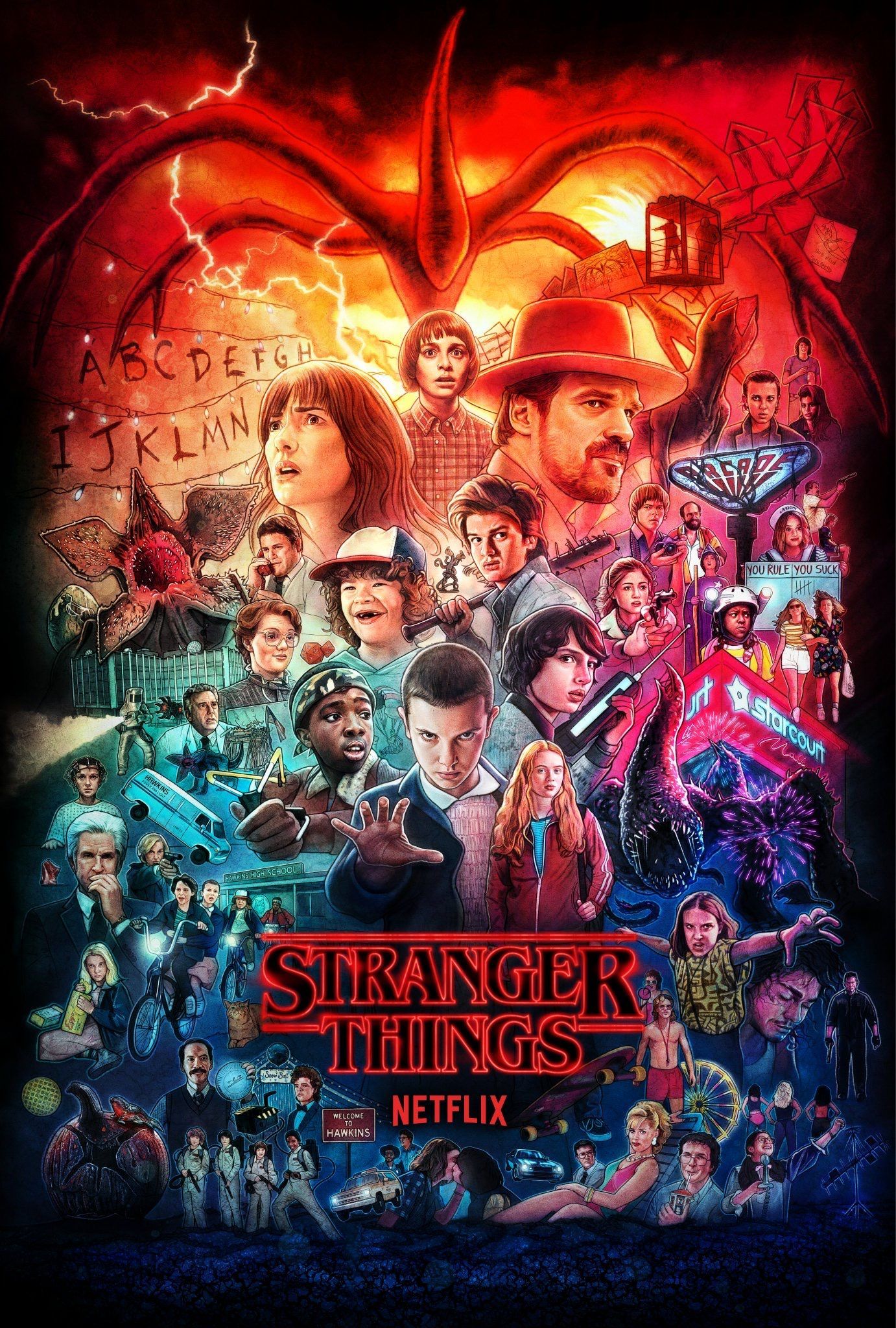
The world of Stranger Things is defined by a dense, interconnected web of residents in the fictional town of Hawkins, Indiana, and those drawn into the orbit of the Upside Down. From the core group of children who kicked off the mystery in 1983 to the expanded ensemble of adults, teenagers, and external threats that defined the series through 2026, the character list represents one of the most expansive modern sci-fi narratives.
The Core Party: Hawkins Middle School Originals
At the heart of the series are the four friends who form the "Party." Their dynamics drive the emotional narrative and the investigative engine of the show.
- Mike Wheeler: The moral center and often the strategist for the group. Mike’s unwavering commitment to his friends and his deep bond with Eleven serve as the narrative anchor throughout all seasons.
- Will Byers: The catalyst. His disappearance in the pilot episode initiates the series, and his ongoing connection to the Mind Flayer and the Upside Down keeps him at the center of the conflict.
- Dustin Henderson: The intellectual and technical backbone. Dustin’s ability to decode signals, manage logistics, and bridge gaps between the various factions makes him the group’s indispensable problem solver.
- Lucas Sinclair: The realist. Lucas often provides the necessary skepticism and tactical focus, particularly through his proficiency with his wrist rocket and his grounded approach to supernatural threats.
The Expanded Allies: Teenagers and Young Adults
As the series progressed, the original group expanded to include older teens who frequently act as the bridge between the children's world and the dangerous reality of government conspiracies and interdimensional threats.
- Eleven (Jane Hopper): Possessing psychokinetic and telepathic abilities, Eleven is the most significant entity in the series. Her journey from a test subject in Hawkins Lab to a daughter figure within the Hopper household is the primary arc of the entire franchise.
- Nancy Wheeler: A resourceful investigator with a penchant for journalism, Nancy is responsible for uncovering many of the truths regarding Hawkins Lab and the entities within the Upside Down.
- Jonathan Byers: Will’s older brother, who utilizes his photography and stealth skills to provide the group with crucial evidence. His relationship with Nancy and his dedication to his family remain constant themes.
- Steve Harrington: Initially presented as a typical high school antagonist, Steve undergoes one of the most substantial character developments in television history, evolving into the protective, self-sacrificing "babysitter" of the group.
- Robin Buckley: Introduced in the later seasons, Robin’s analytical skills and polyglot abilities become vital to navigating the dangers of the Starcourt Mall and beyond.
- Max Mayfield: A tough, skateboard-loving transplant, Max brings a necessary dynamic to the group, particularly through her complex relationship with her stepbrother, Billy, and her eventual role as a target of Vecna.
Essential Adults and Parental Figures
The survival of the younger characters is frequently credited to the adults who risk their lives to protect the town.
- Joyce Byers: The indomitable force of maternal instinct. Joyce is the first to believe in the supernatural when others call it madness, and her persistence is the primary reason the truth behind the Upside Down is eventually revealed.
- Jim Hopper: As the Chief of Police, Hopper transitions from a weary, cynical investigator to a fierce guardian. His development from grieving father to adoptive father of Eleven defines his personal growth.
- Murray Bauman: An investigative journalist and conspiracy theorist, Murray provides the necessary expertise to navigate Soviet infiltration and government cover-ups.
Character Comparison Table
| Character Group | Primary Role | Key Skill/Attribute | Notable Evolution |
|---|---|---|---|
| The Party | Protagonists | Problem Solving | Tactical maturity |
| Teen Alliance | Field Support | Intelligence/Defense | Shift from peer to protector |
| Parental Figures | Safeguards | Resource/Protection | Emotional growth |
| Antagonists | Threats | Manipulation/Power | Increasing intensity |
The Antagonists and External Threats
The threats in Stranger Things are both human and supernatural, with the line between them frequently blurring.
- Dr. Martin Brenner: The architect of the experiments at Hawkins Lab, Brenner represents the cold, clinical pursuit of power that fuels the show’s central conflict.
- Billy Hargrove: A complex antagonist whose antagonistic behavior masked personal trauma. His arc involves a tragic confrontation with supernatural forces.
- Vecna (Henry Creel / One): The overarching supernatural threat whose origins are tied directly to the history of Hawkins Lab and the initial creation of the Upside Down.
Why Character Depth Matters
The complexity of Stranger Things characters is not merely for flavor; it is a mechanism for world-building. Because the show relies on the "fish-out-of-water" trope combined with high-stakes sci-fi, character development is intrinsically linked to plot progression. When a character changes their perspective—as Steve Harrington does—it physically alters the way the group handles danger.
For instance, the transition from the first season's small-scale search for Will to the global threats of later seasons required the characters to evolve from neighborhood kids to battle-hardened survivors. This evolution is the primary reason for the show’s longevity.
Identifying Key Arcs for Rewatching
If you are approaching the series for a complete rewatch or analysis, focus on these pivotal character developments:
- Eleven’s Language Development: Watch how her vocabulary and social cues expand, mirroring her integration into society.
- Hopper’s Trauma: His backstory, involving his daughter Sara, acts as the lens through which we view his eventual acceptance of Eleven.
- Nancy and Jonathan’s Investigative Methodology: Notice how their approach shifts from amateur curiosity to professional-grade investigative rigor.
Frequently Asked Questions
Who is the most powerful character in Stranger Things? Eleven is widely considered the most powerful character due to her telekinetic and telepathic abilities, which allow her to combat both human and supernatural entities directly. However, characters like Vecna/One match her in raw power, creating the primary conflict of the later seasons.
Does the show introduce new main characters every season? Yes. To maintain narrative momentum and expand the scope of the world, new characters like Max, Bob Newby, and Robin were introduced. Each serves a specific purpose in the narrative structure, usually providing new information or filling a tactical gap in the party.
What happened to the original characters as they grew up? As the series progressed into the later years, the original characters faced the shift from middle school to high school and beyond. This maturity led to fractured groups, complex romantic arcs, and higher stakes regarding their futures outside of Hawkins.
Are the parents of the children aware of the supernatural events? For the most part, the parents are kept in the dark or are entirely oblivious for much of the series. Joyce Byers is the notable exception, as she is a central driver of the plot. The "parental blindness" is a narrative trope used to maintain the "kids-on-a-secret-mission" tension.
How does the setting affect character development? Hawkins is a character in its own right. The town's isolation, its reliance on the Laboratory for its economy, and its small-town politics force the characters to depend solely on each other, accelerating their emotional intimacy and shared trauma.
Next Steps for Enthusiasts
For those interested in the full scope of the series, the best approach is to document the "era" of each character. Map out which characters were present during the events of the Starcourt Mall incident versus those who were active during the early search for Will. Understanding the chronology of their involvement reveals how the world of Hawkins expanded from a local tragedy to a cosmic crisis.