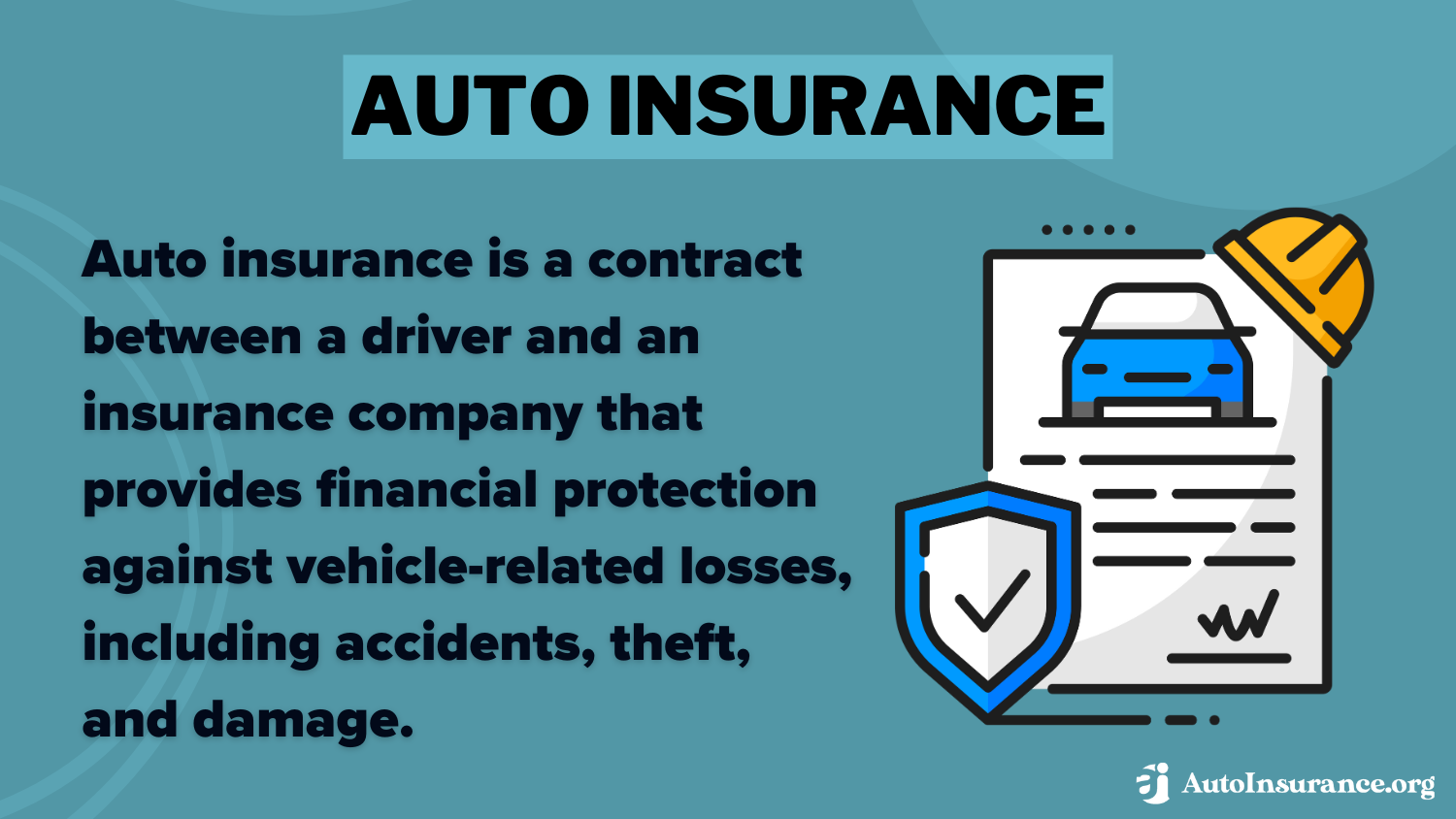
An auto insurance algorithm is a complex mathematical model used by insurers to assess driver risk, calculate policy premiums, and automate claims processing. By analyzing variables ranging from driving history to vehicle telematics, these systems determine the exact financial cost of covering an individual policyholder.
Understanding the Evolution of Auto Insurance Algorithms
The architecture of modern auto insurance pricing has shifted radically from broad actuarial categories to hyper-personalized, data-driven systems. Historically, insurers relied on blunt demographic instruments—such as age, gender, ZIP code, and marital status—to segment populations and distribute risk. While these traditional variables remain foundational, contemporary algorithms ingest thousands of data points in real time to refine risk profiles.
This transformation is driven by advances in data processing power, machine learning, and the proliferation of connected vehicle technologies. Insurance companies no longer treat a population segment as a monolith. Instead, advanced algorithms analyze granular behavioral patterns to establish pricing that reflects an individual's actual behind-the-wheel habits. Consequently, understanding how these algorithms function is vital for consumers seeking to manage their premium costs and for industry observers studying the intersection of big data and financial risk.
Core Components and Data Inputs in Modern Insurance Algorithms
To construct a risk score, an underwriting algorithm processes a wide array of structured and unstructured data. These inputs are typically grouped into risk tiers that reflect both historical stability and dynamic behavioral metrics.
Driver Demographics and History
Traditional rating factors continue to anchor most automated pricing engines. These include the policyholder's age, driving experience, historical motor vehicle records (MVR), and claims history. Algorithms scan state databases for moving violations, at-fault accidents, and DUIs over a rolling historical window, typically three to five years. Credit-based insurance scores also play a significant role in many jurisdictions, where statistical correlations between financial stability and claim frequency are factored into the overall score.
Vehicle Characteristics and Safety Ratings
The physical asset being insured dictates a substantial portion of the mathematical risk equation. Algorithms evaluate the make, model, year, and replacement cost of the vehicle. Furthermore, automated systems incorporate safety ratings from organizations like the Insurance Institute for Highway Safety (IIHS) and the National Highway Traffic Safety Administration (NHTSA). Advanced driver-assistance systems (ADAS)—such as automatic emergency braking, lane-keep assist, and blind-spot monitoring—are increasingly weighed to determine whether a vehicle qualifies for specific technological discounts.
Usage-Based Insurance (UBI) and Telematics
The most disruptive element in modern auto insurance algorithms is telematics. Through smartphone applications or plugged-in OBD-II dongles, insurers capture continuous telemetry data. Key metrics monitored by UBI algorithms include:
- Speeding: Duration and frequency of travel exceeding posted speed limits or safe thresholds.
- Hard Braking: Deceleration rates that indicate sudden stops or tailgating behavior.
- Rapid Acceleration: Aggressive throttle usage that increases mechanical wear and collision probability.
- Time of Day: Exposure tracking based on whether driving occurs during high-risk windows, such as late-night hours.
- Mileage: Total distance traveled, which directly correlates with exposure hours on the road.
Machine Learning and Predictive Modeling Techniques
Beneath the user-facing interfaces of insurance portals lie sophisticated machine learning pipelines designed to predict future claim probability and severity. Actuaries and data scientists deploy specific modeling methodologies to handle vast datasets.
Generalized Linear Models (GLMs)
For decades, Generalized Linear Models have been the industry standard for insurance pricing. GLMs allow actuaries to model target variables, such as claim frequency or claim severity, while accommodating non-normal error distributions. These models provide transparency and regulatory compliance, as the coefficients assigned to each risk factor can be explicitly reviewed and justified to state insurance commissioners.
Gradient Boosting and Ensemble Methods
As predictive requirements grow more complex, insurers increasingly adopt ensemble machine learning techniques, such as gradient-boosted decision trees (e.g., XGBoost or LightGBM). These algorithms excel at capturing non-linear relationships and interaction effects between variables—for instance, how a specific combination of vehicle age, driver age, and geographic density exponentially alters risk. While powerful, these complex models require rigorous validation to ensure they do not introduce unfair bias or violate regulatory constraints.
| Algorithm Type | Primary Function | Advantages | Limitations |
|---|---|---|---|
| Generalized Linear Models (GLMs) | Base rate determination and factor relativities | Highly transparent, easily audited by regulators | Struggles with complex non-linear interactions |
| Gradient Boosting Machines | Predicting high-severity claims and fraud detection | High predictive accuracy, handles complex interactions | "Black box" nature complicates regulatory compliance |
| Clustering Algorithms (K-Means) | Customer segmentation and risk-tier grouping | Uncovers hidden behavioral groupings in data | Sensitive to outliers and initialization parameters |
| Neural Networks | Telematics data stream analysis and image processing | Processes unstructured data like dashcam video | Requires massive training data and computational power |
Regulatory Oversight and Algorithmic Fairness
Because auto insurance is heavily regulated at the state level in the United States and by national authorities internationally, pricing algorithms cannot operate in a legal vacuum. Regulators enforce strict guidelines to ensure that algorithms do not perpetuate unlawful discrimination or rely on prohibited proxy variables.
The Prohibition of Discriminatory Variables
Insurers are legally barred from using protected characteristics—such as race, religion, sexual orientation, or national origin—in their pricing algorithms. However, a major challenge in algorithmic insurance is the emergence of proxy variables. For example, ZIP codes or credit scores can sometimes correlate heavily with demographic traits, prompting heightened regulatory scrutiny. Several jurisdictions have banned or restricted the use of credit scores entirely, forcing insurers to retrain their algorithms to rely more heavily on direct driving behavior rather than financial proxies.
Explainable AI (XAI) and Regulatory Audits
Insurance departments require companies to justify their rate filings. If an algorithm rejects an application or assigns an anomalously high premium, the insurer must often provide an adverse action notice detailing the primary factors responsible. Consequently, data science teams must balance the predictive power of complex black-box neural networks against the necessity of Explainable AI (XAI) frameworks that output clear, auditable reasoning.
How Consumers Can Optimize Their Profile for Insurance Algorithms
Navigating a market governed by automated risk scoring requires understanding how to present a favorable profile to underwriting algorithms. Because algorithms prioritize verifiable data, consumers can take deliberate steps to lower their calculated risk.
- Audit Driving Habits via Telematics: Enroll in usage-based insurance programs only if driving habits align with low-risk patterns—such as low annual mileage, avoidance of night driving, and smooth braking practices.
- Maintain Clean Motor Vehicle Records: Avoiding speeding tickets and minor accidents remains the most direct way to prevent algorithmic penalty tiers from triggering premium spikes.
- Optimize Deductibles and Coverage Limits: Understand that algorithms calculate overall policy cost by balancing liability limits against deductible levels; adjusting these parameters can align pricing with personal financial risk tolerance.
- Improve Credit Standing: In states where credit-based insurance scores are permissible, maintaining a healthy credit utilization ratio directly impacts the foundational tier of the pricing algorithm.
- Shop Across Multiple Carriers: Different insurers utilize proprietary algorithms weighted differently; what one algorithm penalizes heavily, another may view as standard risk.
Frequently Asked Questions
How do auto insurance algorithms use telematics data to set rates?
Telematics algorithms continuously monitor physical driving metrics—such as speed, braking severity, and phone handling—via a smartphone app or vehicle device. This data is aggregated into a daily or trip-based score that directly adjusts the policyholder's renewal premium or grants immediate participation discounts.
Can an insurance algorithm deny coverage automatically?
Yes. If an applicant's risk score exceeds the insurer's underwriting guidelines—due to severe infractions, numerous recent at-risk claims, or ineligible vehicle types—the automated system can issue an immediate declination or referral to a high-risk state pool.
Are credit scores still used in auto insurance algorithms?
Credit scores are utilized in many U.S. states to calculate insurance scores, as statistical models show a correlation between credit history and claim frequency. However, several states, including California, Massachusetts, Hawaii, and Michigan, have banned or severely restricted the practice.
Do insurance algorithms check my driving history in real time?
While continuous background monitoring is becoming more common through specialized data brokers, full motor vehicle record re-checks typically occur at policy renewal periods rather than continuously in real time, unlike telematics tracking.
How can I challenge an unfair rate generated by an insurance algorithm?
If you suspect an algorithm has miscalculated your risk due to an error on your motor vehicle record or credit report, you can request a formal dispute through the consumer reporting agency that supplied the data. Additionally, you can file a complaint with your state's department of insurance if you believe rating factors violate local regulations.
Conclusion and Next Actions
Auto insurance algorithms represent a sophisticated fusion of actuarial science, big data, and machine learning designed to quantify and price human risk. While these systems enable personalized pricing and operational efficiency, they also require careful regulatory oversight to protect consumers from unfair bias. To navigate this landscape effectively, review your policy's telematics requirements, maintain a clean driving record, and periodically compare quotes across carriers to ensure your risk profile aligns with the most favorable algorithmic models available.