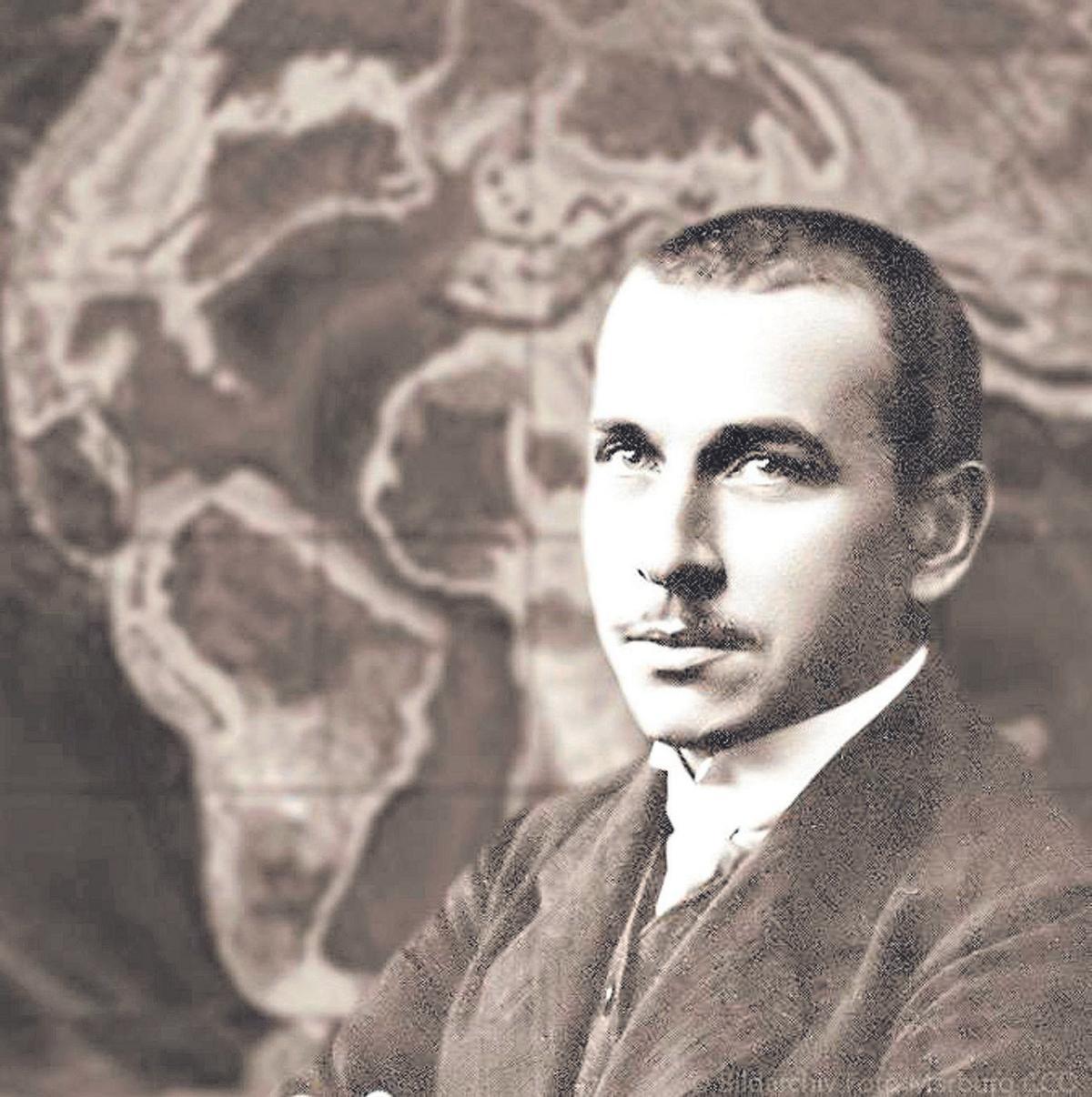
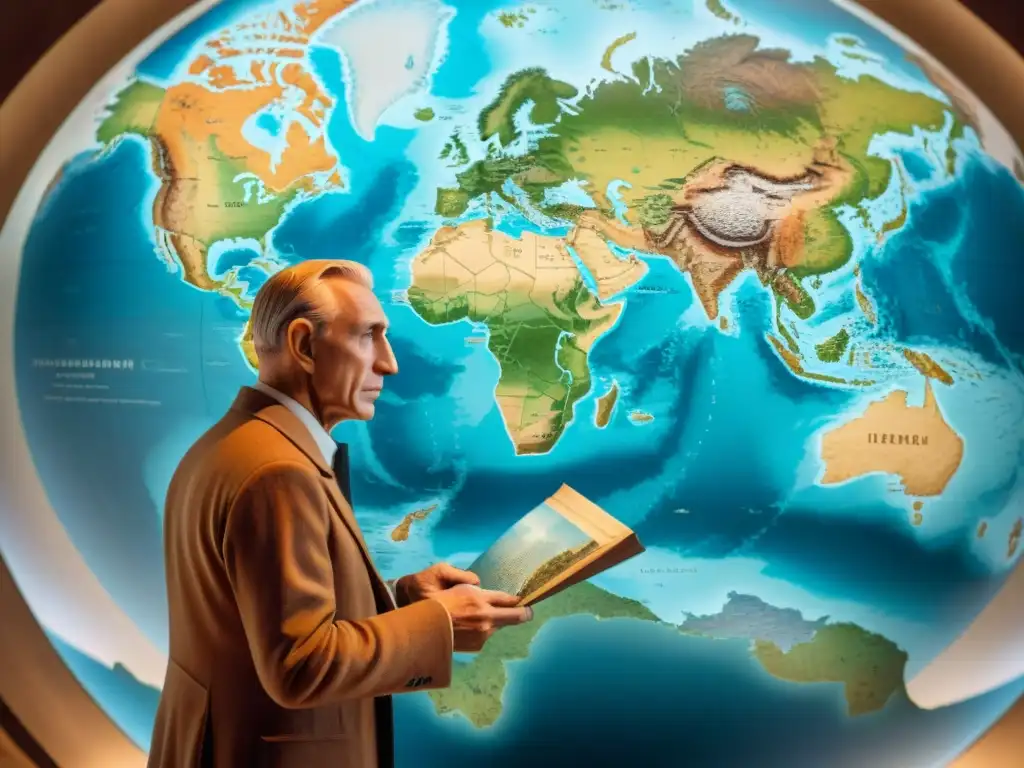
Alfred Wegener, the German polar researcher, geophysicist, and meteorologist best known for originating the theory of continental drift, did not possess a "net worth" in the modern financial sense, as his life and career (1880–1930) focused on academic inquiry, exploration, and scientific theory rather than personal wealth accumulation. His legacy is measured in intellectual capital and the foundational shift he sparked in the geosciences.
The Financial Context of Early 20th-Century Academic Life
To understand why a "net worth" for Alfred Wegener cannot be quantified by modern standards, one must examine the socio-economic conditions of German academia in the early 20th century. During his active years, from roughly 1905 until his death in 1930, financial compensation for scientists was dictated by fixed state salaries, university stipends, and institutional grants for research expeditions.
Wegener’s career path was marked by academic appointments at institutions like the University of Marburg and the University of Graz. These positions provided a stable, middle-class income that supported his research and family life, but they were not vehicles for personal asset accumulation or investment-based wealth. In the Weimar Republic era, professional stability was often eroded by hyperinflation, which impacted the purchasing power of academic salaries. Consequently, the concept of a private net worth, encompassing diverse portfolios or business ventures, is fundamentally inapplicable to his life.
Academic Compensation and Institutional Funding
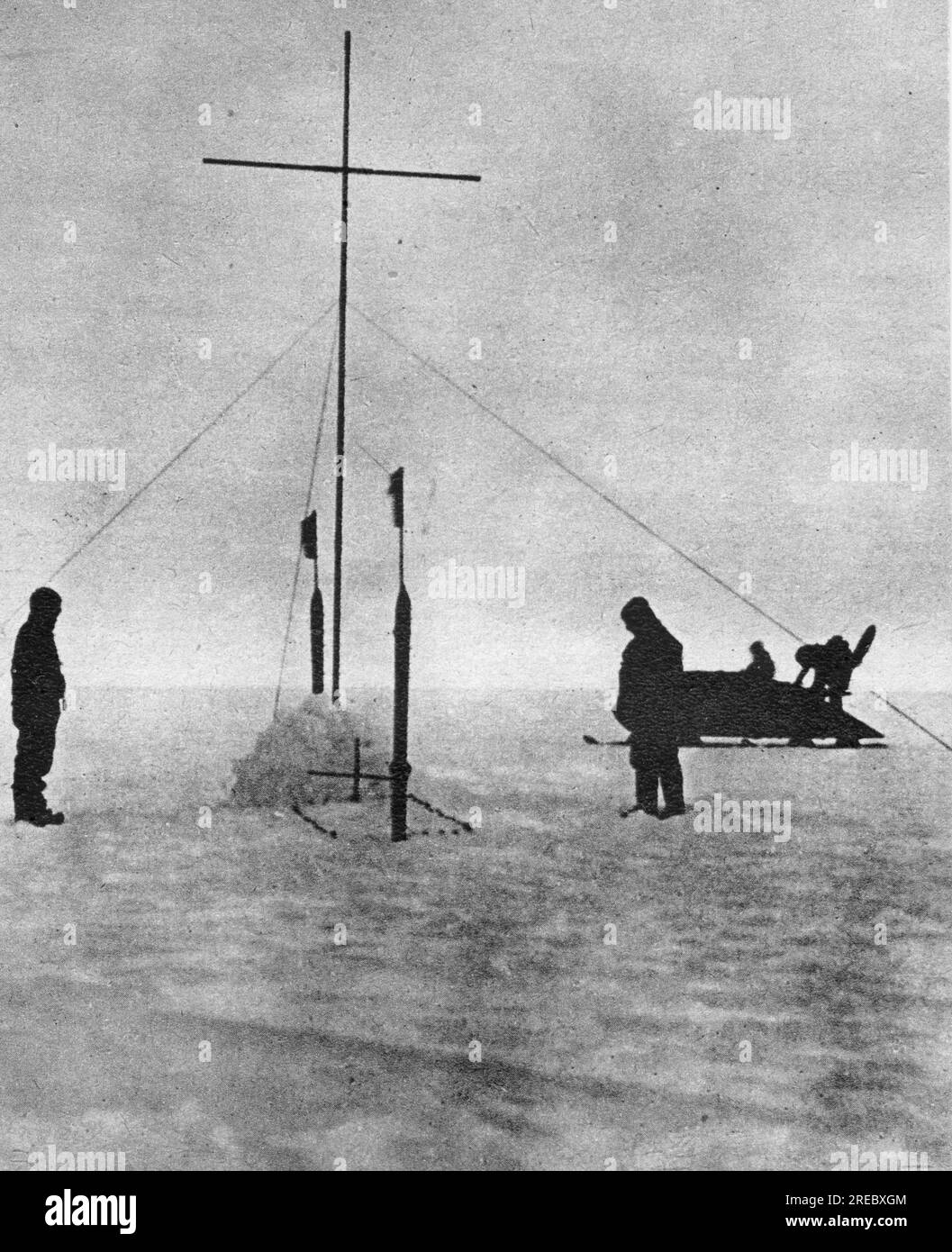
Wegener’s primary financial support came through official channels designed to sustain scientific exploration. His expeditions to Greenland—most notably the ambitious 1930 expedition during which he perished—were funded by government grants, scientific societies, and private donations organized by institutional committees.
The logistical costs of these expeditions were substantial, involving specialized equipment, staff, transport, and wintering supplies. However, these funds were held in escrow for the project itself. Wegener managed these budgets as a lead investigator rather than a business owner. His personal financial status remained tied to his salary as a professor and meteorologist. Unlike modern celebrity scientists who might leverage their intellectual property for commercial gain, Wegener’s "profit" was the successful collection of meteorological data and the development of the Die Entstehung der Kontinente (The Origin of Continents and Oceans).
The Economic Reality of Continental Drift
While the theory of continental drift eventually became the cornerstone of modern plate tectonics, it was met with significant resistance and skepticism during Wegener’s lifetime. In the 1920s and early 1930s, the scientific community largely rejected his ideas because he lacked a clear mechanism for how continents moved.
From a financial perspective, this lack of scientific consensus meant that Wegener did not enjoy the economic benefits that today’s renowned scientists might gain from patents, consulting, or media presence. His work was published in academic journals and monographs, which, while prestigious, did not provide the royalties or secondary market value associated with modern commercial publishing. His wealth was his reputation, and in his own time, that reputation was often polarized, which did not translate into financial leverage.
Comparative Analysis of Scientific Valuation
It is helpful to contrast the career model of a scientist like Wegener with other figures of the early 20th century to understand why financial records are absent.
| Figure Category | Typical Income Source | Financial Focus |
|---|---|---|
| Academic Scientist | University salary, state grants | Professional tenure, research capacity |
| Industrial Inventor | Patents, licensing, commercial sales | Personal equity, business growth |
| Professional Explorer | Patrons, expedition funding | Operational budget management |
As shown in the table, Wegener sat firmly in the "Academic Scientist" and "Professional Explorer" categories. His financial life was restricted to the fulfillment of project requirements and the maintenance of a household, with no surplus for the asset diversification that defines modern "net worth" reporting.
Factors Influencing the Absence of Wealth Documentation
Historians and biographers, such as those who have chronicled his time in Marburg or his final days in Greenland, note that Wegener’s personal assets were primarily limited to his scientific papers, correspondence, and personal belongings. Several factors explain why there is no record of a personal estate or financial portfolio:
- Academic Salary Structure: Civil service positions in pre-war Germany provided a modest standard of living intended to keep the professor focused on research, not commerce.
- Economic Instability: The post-World War I era in Germany saw significant currency devaluation, which decimated the savings of many middle-class professionals, leaving little room for long-term wealth building.
- Focus on Fieldwork: Wegener spent years of his life in the field. The nature of his work required physical detachment from financial centers and investment opportunities.
- Cultural Norms: There was a strong cultural divide between the pursuit of scientific truth and the accumulation of private capital. For a researcher of Wegener’s stature, being seen as a "wealth-seeker" would have been antithetical to the scholarly ideal.
Legacy Over Assets: The True Value
Evaluating Alfred Wegener’s "worth" requires shifting the lens from monetary value to scientific impact. By 2026, the scientific community recognizes him as the father of one of the most important paradigms in geology. If we were to measure his "value" by the standard of intellectual contribution, it would be incalculable.
His work paved the way for the discovery of mid-ocean ridges, sea-floor spreading, and the complex mechanics of plate tectonics. Without his rigorous (though incomplete) initial theory, the timeline for the advancement of geological science would have been significantly delayed. In this context, his "worth" is viewed through the lens of historical historiography rather than tax records or probate documentation.
Frequently Asked Questions
Did Alfred Wegener inherit any significant wealth? No, there is no evidence that Wegener came from a background of inherited wealth. He was the son of a theologian and educator, and he progressed through the German academic system based on his own achievements and intellectual rigor.
Did his books on continental drift make him wealthy? His seminal work, Die Entstehung der Kontinente und Ozeane, went through several editions. However, these were academic texts published for a scholarly audience. They were not commercially lucrative in the way modern popular science books might be, and they did not serve as a primary source of income for him.
Are there any records of his personal estate? Because Wegener died in 1930 during an expedition in the Greenland ice sheet, his affairs were managed by his family and colleagues at the time. Records focus on his scientific legacy, the preservation of his meteorological observations, and the continuation of his research, rather than private commercial assets.
Why is there interest in the net worth of historical figures like Wegener? Public interest in the wealth of historical figures often stems from a curiosity about the relationship between personal success and professional contribution. In cases like Wegener’s, it serves to humanize the scientist, though it ultimately underscores that his life was defined by intellectual pursuit rather than financial gain.
How is his legacy protected today? His legacy is maintained through the Alfred Wegener Institute (AWI) for Polar and Marine Research, which continues his commitment to polar science. The institution represents the institutionalization of his life’s work, which is the only form of "wealth" associated with his name.
Recommendation for Further Research
If you are interested in the life and career of Alfred Wegener, the most reliable resources are the archives held by the Alfred Wegener Institute (AWI) in Bremerhaven, Germany. These archives contain correspondence, logs, and documentation of his professional activities. For biographical details, consult the works of historians of science who specialize in the development of Earth sciences, as they provide the most accurate context regarding the professional and economic conditions of his era. Relying on primary sources—such as his own field diaries and institutional records—will offer a far more nuanced understanding of his life than any attempt to quantify his personal wealth.