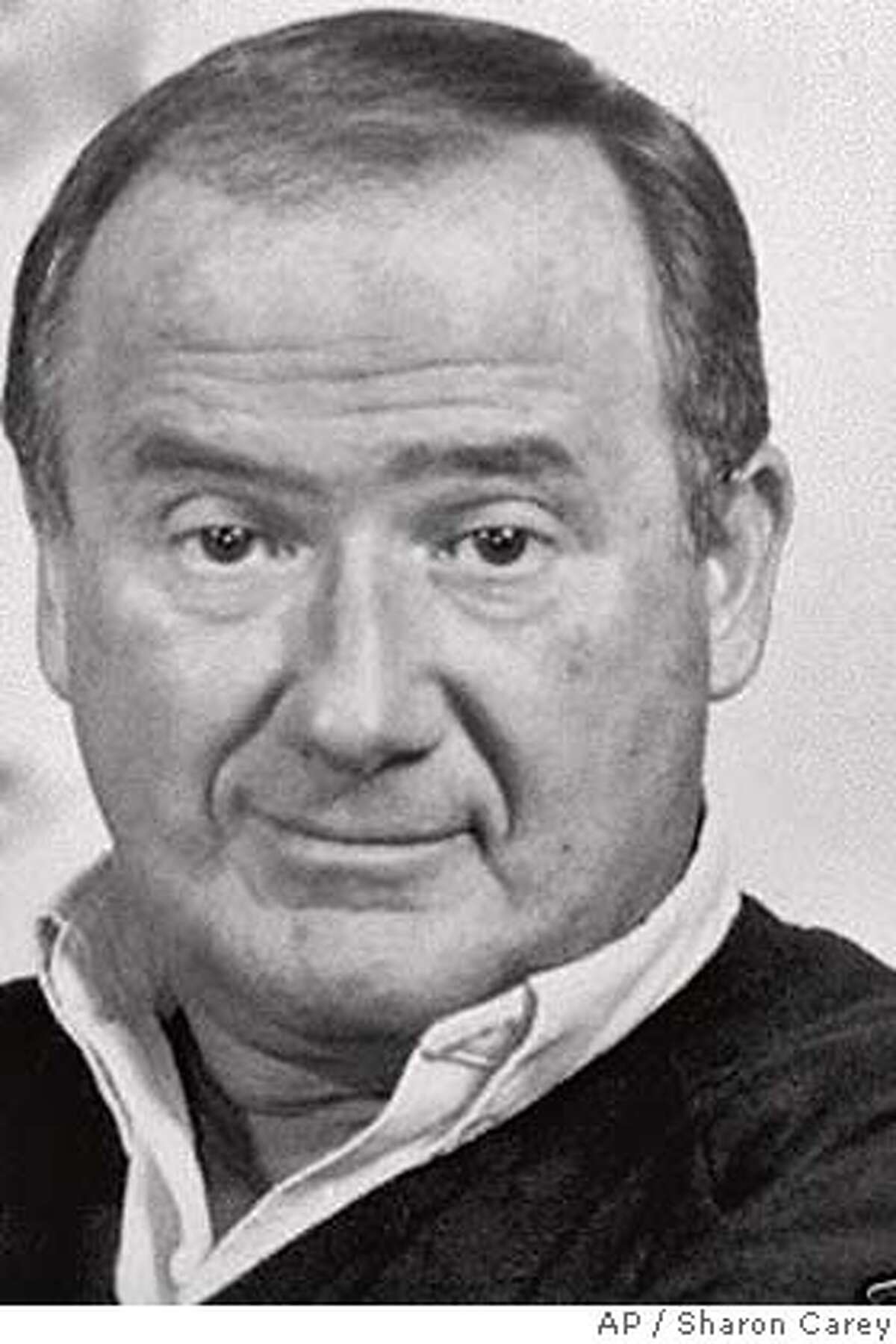
Alfred Roy Carey, a figure whose life record is often sought in genealogical and historical databases, passed away in 2002. Identifying specific details regarding an individual with this name requires careful cross-referencing of vital records, as the name shares common nomenclature found in various civil registries across the United Kingdom, Australia, and North America. This article provides a structured approach to verifying historical records, understanding the administrative context of death registrations, and navigating the complexities of ancestral research.
Contextualizing the 2002 Timeline in Vital Records
When researching an individual who died in 2002, it is essential to recognize that this period marked a transition in how civil registration data was managed. By 2002, most jurisdictions in the developed world had largely digitized their death indexes, though original paper-based certificates remained the primary legal evidence. For anyone attempting to confirm the passing of an individual like Alfred Roy Carey, the 2002 date serves as a critical anchor for querying government-held databases.
In the United Kingdom, for instance, death registrations were typically centralized through the General Register Office (GRO). A death occurring in 2002 would be indexed in the quarterly or annual datasets, which are now widely accessible through digital genealogy platforms. If you are searching for this individual, you must first distinguish between potential records by utilizing secondary identifiers such as the date of birth, the region of death, or the registered age at the time of passing.
Strategies for Genealogical Verification
Verifying a death record from 2002 involves a multi-step process designed to eliminate errors caused by name duplication. Because "Alfred Roy Carey" is a name that may appear in multiple historical records, relying on the year alone is rarely sufficient. Researchers should follow these verification steps to ensure accuracy:
1. Consult National Death Indexes
Most countries maintain national indexes that provide the full name, the location of the event, the age at death, and a registration reference number. These indexes are the foundation of any investigation.
2. Procure the Death Certificate
A death index entry is merely a finding aid. To confirm the identity, legal next-of-kin or authorized genealogical researchers must order a certified copy of the death certificate. This document contains primary evidence, including the cause of death, the informant's name, and the exact residence of the deceased at the time of death.
3. Cross-Reference with Probate Records
If the individual left a will or had an estate to settle, probate records from 2002 provide a wealth of information. Probate indexes often list the date of the grant and the last known address, which can effectively distinguish between individuals of the same name who died in the same year.
Comparative Data Table: Verification Sources
The following table outlines the types of records most useful for confirming the details of an individual who passed away in 2002 and the specific utility of each document.
| Record Type | Primary Information Provided | Utility for Verification |
|---|---|---|
| Death Index | Registration District, Year, Age | Broad search and narrowing of parameters. |
| Death Certificate | Cause of death, informant, occupation | Legal proof of identity and life circumstances. |
| Probate/Will | Assets, executors, address | Links the deceased to specific assets and family members. |
| Obituary/Notice | Family names, funeral location | Provides qualitative data and social context. |
| Social Security/Pension Records | Employment history, benefit status | Helpful in identifying military or government service. |
Addressing Ambiguity in Common Names
A primary challenge in historical research is the presence of individuals with identical names living in the same era. When searching for "Alfred Roy Carey," one might find entries in different regions. To resolve this:
- Geographic Clustering: Focus on where the subject was known to live. If your subject was a resident of a specific county, ignore records originating from distant regions unless there is evidence of relocation.
- Birth Date Reconciliation: If the death record includes the date of birth, compare this against any known family history. A discrepancy of even a few years can indicate an entirely different individual.
- Informant Identity: The death certificate will list who provided the information to the registrar. In many cases, this is a spouse or a child. Matching the informant’s name to known family members is one of the most effective ways to confirm you have identified the correct person.
The Role of Obituaries and Local News
While government records provide the "what, when, and where," local newspapers from 2002 provide the "who." Obituaries published shortly after a death often contain information that does not appear in official civil registrations, such as the names of surviving children, professional memberships, or details about the individual’s service in community organizations.
Searching through archived local news from 2002 requires access to newspaper repositories. These archives often contain digitized versions of print editions, allowing you to search by keyword. If you are searching for an Alfred Roy Carey who lived in a specific town, searching for the surname alongside the year 2002 in local library archives is a recommended next action.
Ethical Considerations in Genealogical Research
When conducting research into the deceased, it is important to observe ethical guidelines. While public records are generally accessible, private family histories should be handled with respect. If you are gathering information for personal documentation, ensure that you are verifying your sources rather than relying on public tree data, which is often populated by hobbyists and can contain significant errors.
Always prioritize primary sources—official documents issued by the state—over secondary sources like public family trees found on commercial websites. If you find a discrepancy in a public tree, treat it as a lead rather than a fact, and attempt to find a corresponding official record to validate the claim.
Frequently Asked Questions
How can I confirm the exact date of death for an individual?
The exact date is formally recorded on the death certificate. You can obtain this by contacting the relevant vital statistics office or the General Register Office in the jurisdiction where the death occurred, providing the registration reference found in the death index.
What if I cannot find a death record for 2002?
If you have verified the location, check the surrounding years (2001 or 2003). Sometimes deaths are registered late, or the registration date may differ slightly from the actual date of death depending on the reporting requirements of that specific jurisdiction.
Are death records for 2002 public information?
In most jurisdictions, death records become part of the public domain after a certain period. By 2026, most records from 2002 are fully accessible to the public, although there may be nominal fees associated with ordering certified copies for legal use.
Can I find burial information for someone who died in 2002?
Yes, many cemetery records have been digitized. You can check the websites of local councils, the specific cemetery, or national burial databases to find the plot location and monument details for an individual who passed away in 2002.
Is a funeral program useful for identification?
A funeral program is a valuable primary source for family researchers. While it is not a legal government document, it often lists the names of pallbearers, officiants, and family members, which can provide necessary context to confirm that you have the correct Alfred Roy Carey.
Recommended Next Actions
To successfully finalize your research on an individual like Alfred Roy Carey, your immediate next steps should be:
- Identify the Region: Determine the likely state, province, or county of residence during the year 2002.
- Access the Relevant Index: Utilize the appropriate governmental search portal or a reputable historical database to locate the registration reference number.
- Order the Certificate: Apply for a copy of the death certificate through the relevant authority to secure the only document that carries legal weight for identity verification.
- Collate Local Evidence: Complement your official records with local newspaper obituaries or memorial notices to build a complete picture of the individual’s life and legacy.
By systematically applying these methods, you can resolve questions regarding specific individuals from the year 2002 with a high degree of confidence and factual accuracy.