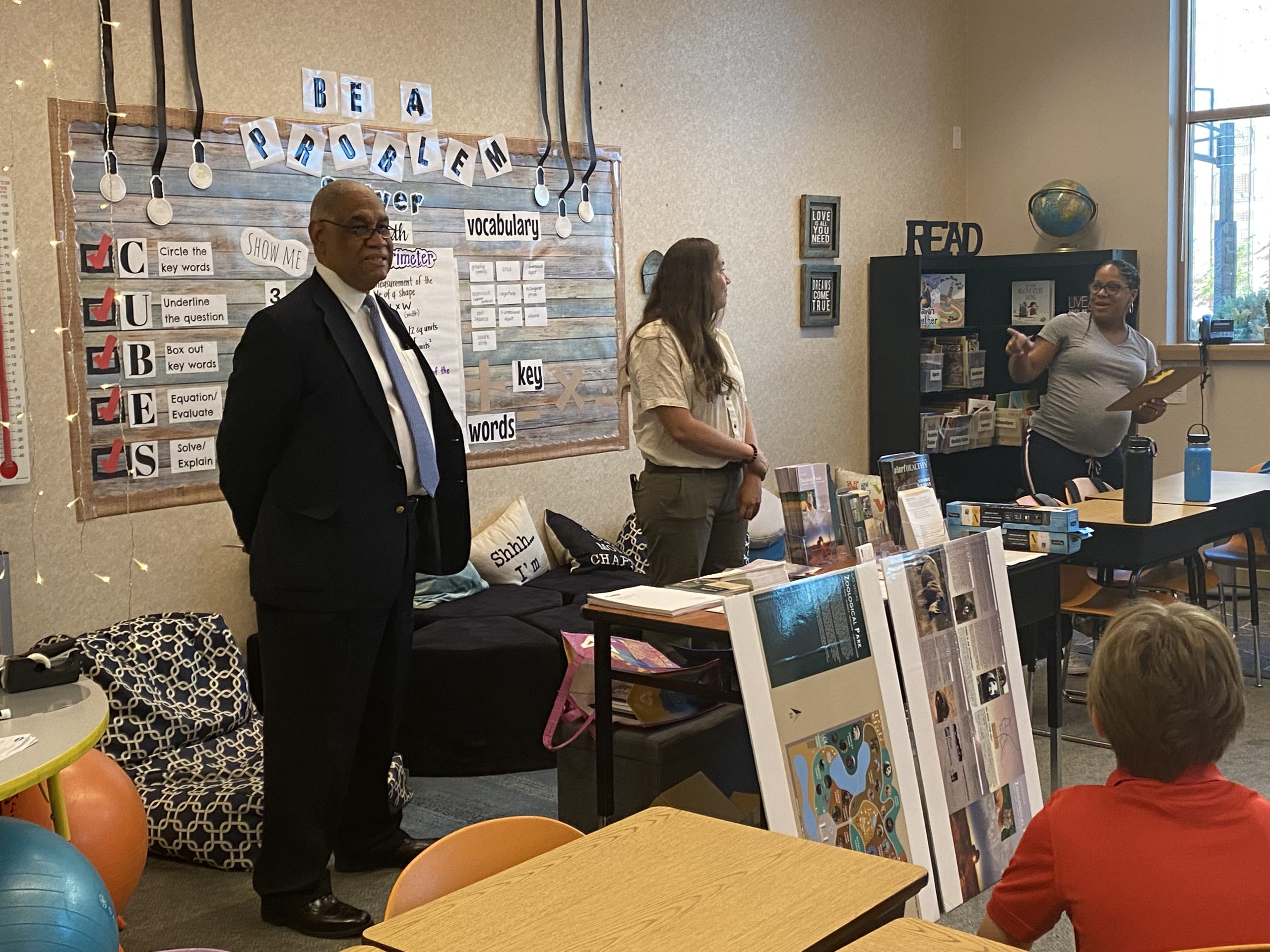
The Alexander Dawson School at Rainbow Mountain is a premier independent, non-sectarian day school in Las Vegas, Nevada, serving students from preschool through eighth grade. It provides a rigorous academic environment focused on challenge-based learning, social-emotional intelligence, and state-of-the-art innovation to prepare students for the nation’s top high schools and beyond.
An Overview of the Dawson Difference
As we move through the 2026 academic year, the Alexander Dawson School at Rainbow Mountain continues to hold its position as a leading institution in the Southwest. Located on a sprawling 33-acre campus in the Summerlin area of Las Vegas, the school is defined by its commitment to "The Dawson Way." This philosophy integrates academic excellence with a robust emphasis on character development and global citizenship.
Dawson is accredited by the Northwest Association of Independent Schools (NWAIS) and is a member of the National Association of Independent Schools (NAIS). These affiliations ensure that the school adheres to the highest standards of educational practice, governance, and financial stability. For parents seeking a school that moves beyond rote memorization, Dawson offers a curriculum rooted in inquiry and real-world application.
The school's unique location at the base of the Red Rock Canyon National Conservation Area provides more than just a scenic backdrop; it serves as a living laboratory for environmental science and outdoor education. This connection to the local landscape is a cornerstone of the school’s identity, fostering a sense of stewardship and curiosity in students from an early age.
Academic Philosophy: Challenge-Based Learning
At the heart of the Dawson experience is Challenge-Based Learning (CBL). This multidisciplinary approach encourages students to identify big ideas, ask essential questions, and find solutions to real-world problems. In 2026, this framework is more relevant than ever, as students navigate a rapidly changing technological and social landscape.
Integrating Social-Emotional Learning (SEL)
Dawson was an early adopter of the RULER approach, a systemic social-emotional learning program developed at the Yale Center for Emotional Intelligence. RULER stands for Recognizing, Understanding, Labeling, Expressing, and Regulating emotions.
By integrating SEL into the daily curriculum, the school ensures that students are not only intellectually capable but also emotionally resilient. In the Lower and Middle Schools, teachers use "The Mood Meter" and "The Charter" to help students navigate interpersonal conflicts and self-regulate. This focus on "EQ" (Emotional Quotient) is cited by the administration as a primary factor in the long-term success and well-being of Dawson graduates.
The D-Lab and Innovation
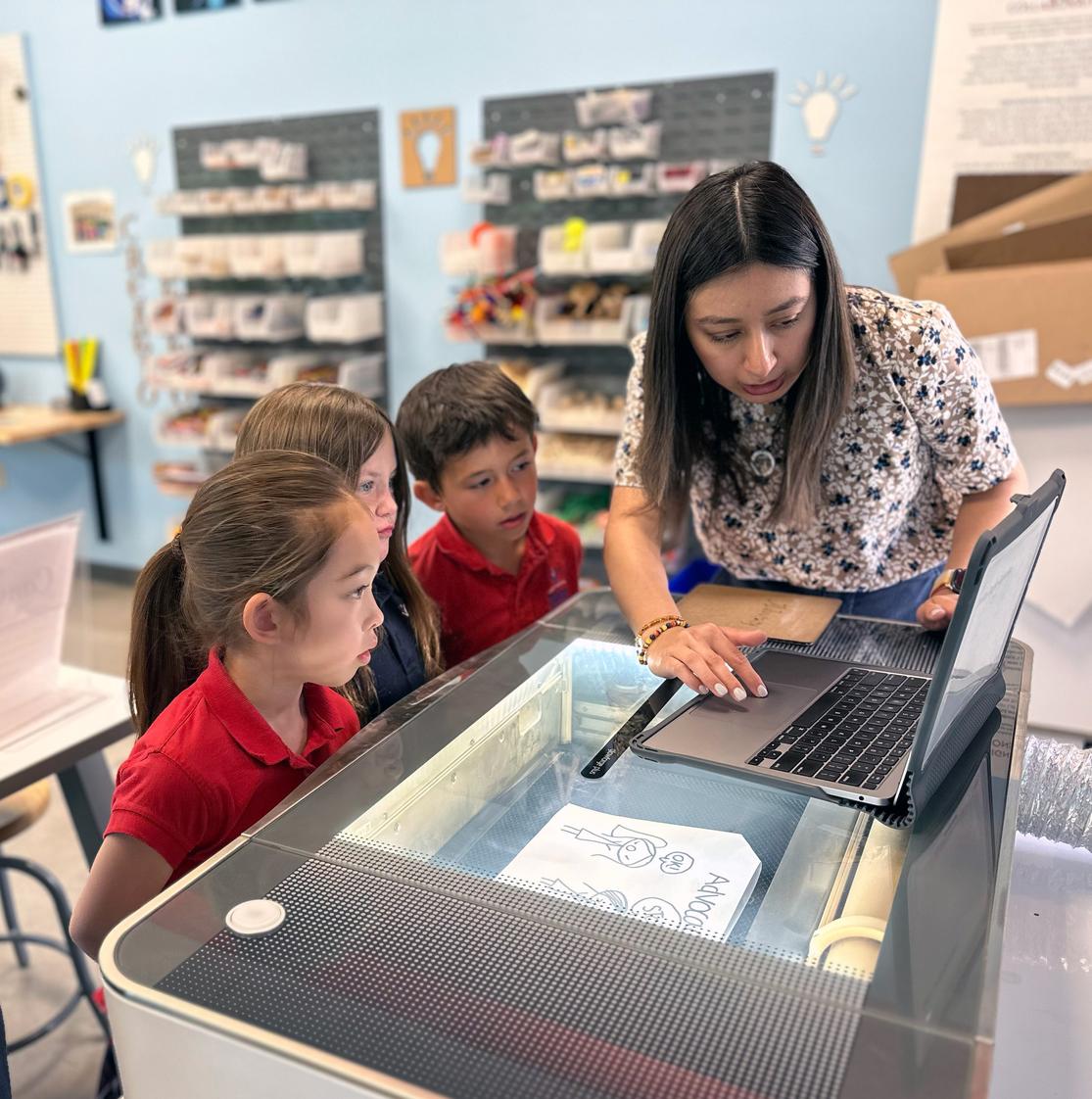
The school's "D-Lab" (Dawson Lab) is a dedicated space for design thinking and maker-centered learning. Students from kindergarten through eighth grade utilize the D-Lab to engage in coding, robotics, 3D printing, and woodworking. Rather than treating technology as a separate subject, Dawson integrates these tools into traditional disciplines. For example, a sixth-grade history project might involve using CAD software to recreate ancient architectural structures, which are then printed or built using sustainable materials.
Educational Stages: From ECC to Middle School
The Alexander Dawson School is structured into three distinct divisions, each tailored to the developmental needs of the students while maintaining a cohesive educational trajectory.
Early Childhood Center (ECC)
Serving students ages three and four, the ECC focuses on "purposeful play" and the development of foundational social skills. The Reggio Emilia-inspired approach values the child as a strong, capable, and resilient learner. In the ECC, the environment is considered the "third teacher," and the classrooms are designed to provoke curiosity and exploration.
Lower School (Grades K-4)
The Lower School emphasizes core competencies in literacy, mathematics, and social studies through an integrated curriculum. Literacy instruction utilizes a balanced approach, incorporating phonics, fluency, and deep comprehension. In mathematics, students move from concrete manipulatives to abstract problem-solving, ensuring a thorough grasp of mathematical logic.
Science in the Lower School is hands-on and inquiry-based. Students spend significant time in the school’s outdoor learning spaces, observing local flora and fauna and participating in garden-to-table programs. This early exposure to the scientific method builds a foundation for the more complex laboratory work performed in later years.
Middle School (Grades 5-8)
Middle School at Dawson is a transformative period where students transition from being guided learners to independent thinkers. The curriculum becomes increasingly departmentalized, with specialists leading instruction in English, Math, Science, World Languages (Spanish and Mandarin), and Social Studies.
A key feature of the Middle School is the Advisory Program. Each student is assigned an advisor who serves as their primary advocate and mentor. Advisors meet with students daily to discuss academic progress, social dynamics, and leadership development. This small-group setting ensures that no student "slips through the cracks" during the critical adolescent years.
Campus Facilities and Learning Environments
The 33-acre campus is a significant asset that distinguishes the Alexander Dawson School from other private institutions in Southern Nevada. The facilities are designed to mirror those found on college campuses, providing students with professional-grade resources.
- The Library and Media Center: More than just a collection of books, this hub serves as a research center where students learn media literacy and digital citizenship.
- Athletic Complex: Features a full-sized gymnasium, multiple playing fields, and courts. The school emphasizes physical education as a core component of development, not just an elective.
- Performing Arts Center: A state-of-the-art theater hosts school plays, concerts, and assemblies, allowing students to explore technical theater, dance, and music.
- Dining Hall: The school provides a comprehensive lunch program that focuses on nutrition and sustainability, often sourcing ingredients from local vendors or the school's own garden.
2026 Admissions Process and Requirements
Admission to the Alexander Dawson School is competitive and based on a holistic review of the applicant. The school seeks students who are curious, collaborative, and demonstrate a readiness for a challenging academic environment.
Application Steps
- Inquiry and Tour: Prospective families are encouraged to attend an Open House or schedule a private tour. This allows parents to see the "Dawson Way" in action and understand the classroom dynamics.
- Formal Application: Submitted via the school’s online portal. The application includes parent statements, student interests, and a non-refundable application fee.
- Transcripts and Recommendations: For students entering Grade 1 and above, official transcripts from the previous two years are required, along with teacher recommendations.
- Student Assessment/Visit: Applicants participate in an age-appropriate assessment. For Middle School students, this often includes a "Shadow Day," where they attend classes and interact with current students and faculty.
- Parent Interview: A conversation with the admissions team to ensure the family's educational goals align with the school's mission.
Key Deadlines for the 2026-2027 Academic Year
While Dawson operates on a rolling admissions basis if space is available, the priority cycle is as follows:
| Milestone | Date |
|---|---|
| Priority Application Deadline | Mid-January 2026 |
| Financial Aid Application Deadline | Late January 2026 |
| Admission Decision Notifications | Early March 2026 |
| Enrollment Contracts Due | Mid-March 2026 |
Tuition, Fees, and Financial Accessibility
As an independent school, Dawson relies on tuition and philanthropic support from the Alexander Dawson Foundation rather than state or federal funding. For the 2026 academic year, tuition is tiered by grade level.
Estimated 2026 Tuition Schedule
Tuition typically covers lunch, most field trips, and technology fees.
| Grade Level | Estimated Annual Tuition |
|---|---|
| Early Childhood Center (3s & 4s) | $18,500 - $22,000 |
| Lower School (K - Grade 4) | $26,000 - $28,500 |
| Middle School (Grades 5 - 8) | $29,000 - $31,500 |
Financial Aid and Scholarships
The Alexander Dawson School is committed to socioeconomic diversity and offers a robust need-based financial aid program. Approximately 20-25% of the student body receives some form of tuition assistance. Financial aid applications are processed through a third-party verification service to ensure equity and confidentiality. It is important to note that financial aid is awarded annually, and families must reapply each year to demonstrate continued need.
Student Life, Athletics, and the Arts
Education at Dawson extends far beyond the four walls of the classroom. The school offers a diverse range of extracurricular activities that allow students to explore their passions.
Athletics
Starting in the Middle School, students can participate in competitive interscholastic sports. Dawson is a member of the Red Rock Athletic Conference. Available sports often include:
- Fall: Cross Country, Girls Volleyball, Flag Football.
- Winter: Basketball, Cheerleading.
- Spring: Soccer, Track and Field, Tennis.
The Arts
The Fine and Performing Arts program is integrated into the weekly schedule for all students. Lower School students rotate through music, art, and drama. Middle School students can choose "Elective Intensives," allowing them to focus on specific areas such as Digital Photography, Advanced Band, or Set Design.
Leadership and Service
Middle School students are required to participate in community service projects. Whether it is partnering with local food banks or organizing environmental clean-ups in Red Rock Canyon, these experiences are designed to cultivate empathy and a sense of responsibility toward the Las Vegas community.
Why Choose Dawson? A Comparison of Value
When choosing between the Alexander Dawson School and other private or charter options in Las Vegas, parents must weigh the specific benefits of an independent school education. Unlike charter schools, which must adhere to state-mandated testing and curricula, Dawson has the autonomy to design its own programs. This allows for a more flexible, student-centered approach that can pivot to include emerging technologies and global events.
Compared to other local private schools, Dawson’s primary differentiator is its "Preschool through Grade 8" model. By intentionally excluding a high school division, the school can dedicate 100% of its resources—including leadership opportunities, athletic funding, and specialized facilities—to the critical formative years of childhood and early adolescence. This "big fish in a small pond" effect allows Middle Schoolers to take on significant leadership roles (such as Student Council or Peer Mentoring) that are often reserved for upperclassmen in K-12 schools.
Frequently Asked Questions
What is the average class size at Alexander Dawson?
The school maintains a low student-to-teacher ratio, generally averaging 15 to 18 students per class. In the Early Childhood Center and Lower School, many classrooms also benefit from the presence of a teaching assistant or associate teacher, allowing for personalized instruction and small-group learning.
How does Dawson prepare students for high school?
The Middle School curriculum is specifically designed to prepare students for the rigors of Honors and Advanced Placement (AP) tracks in high school. Dawson’s Secondary School Placement office works individually with eighth-grade families to navigate the application process for prestigious local high schools (such as The Meadows School or Bishop Gorman) as well as national boarding schools.
Is the school religiously affiliated?
No. The Alexander Dawson School is a non-sectarian institution. While the school celebrates diversity and encourages students to share their personal cultural and religious traditions, the curriculum is entirely secular and focused on academic and character development.
What transportation options are available?
The school offers several bus routes serving the greater Las Vegas and Henderson areas. These routes are designed to provide a safe and convenient option for families living outside the immediate Summerlin vicinity. In 2026, the school has also expanded its carpool coordination software to assist families in organizing local shared rides.
Does the school offer before and after-care?
Yes. The "Dawson Beyond the Bell" program provides supervised activities before the school day begins and until 6:00 PM. This program includes homework help, enrichment clubs (such as chess or coding), and supervised play, providing a structured environment for students of working parents.
Final Recommendation for Prospective Families
For families in the Las Vegas valley seeking an educational environment that balances academic rigor with emotional intelligence, the Alexander Dawson School at Rainbow Mountain remains a top-tier choice in 2026. The school is best suited for students who are active participants in their own learning and families who value a collaborative, community-focused approach to education.
Before applying, it is highly recommended to attend a campus tour during a school day. Observing the interaction between students and faculty in the D-Lab or during a Middle School advisory session provides the clearest picture of whether the Dawson environment matches your child's learning style and your family's values.