The semiconductor supply chain represents a web of raw material extraction, ultra-pure chemical processing, circuit design, silicon fabrication, advanced packaging, and global logistics. While industry conversations typically center on heavyweights like TSMC, ASML, and Intel, discussions involving specialized professionals like Alex Tribeck highlight the critical intersections of supply chain resilience, risk management, and operational security in maintaining the global flow of microelectronics.
Understanding the Semiconductor Supply Chain Landscape
To comprehend the role of individuals and operational leaders within the microchip ecosystem, one must first recognize the sheer complexity of the modern semiconductor value chain. Unlike traditional manufacturing sectors where components can be easily swapped or dual-sourced, the semiconductor industry is hyper-specialized, highly consolidated, and geographically fragmented.
The lifecycle of a single integrated circuit (IC) can span multiple continents before it ever reaches an electronic control unit, a smartphone, or a data center server. This extreme globalization creates profound vulnerabilities. Geopolitical tensions, trade restrictions, natural disasters, and unexpected bottlenecks—such as chemical shortages or fab contamination events—can instantly halt production lines worldwide. Within this high-stakes environment, supply chain strategists, risk mitigation analysts, and logistics directors work to insulate manufacturing operations from disruption.
The Anatomy of Microchip Production
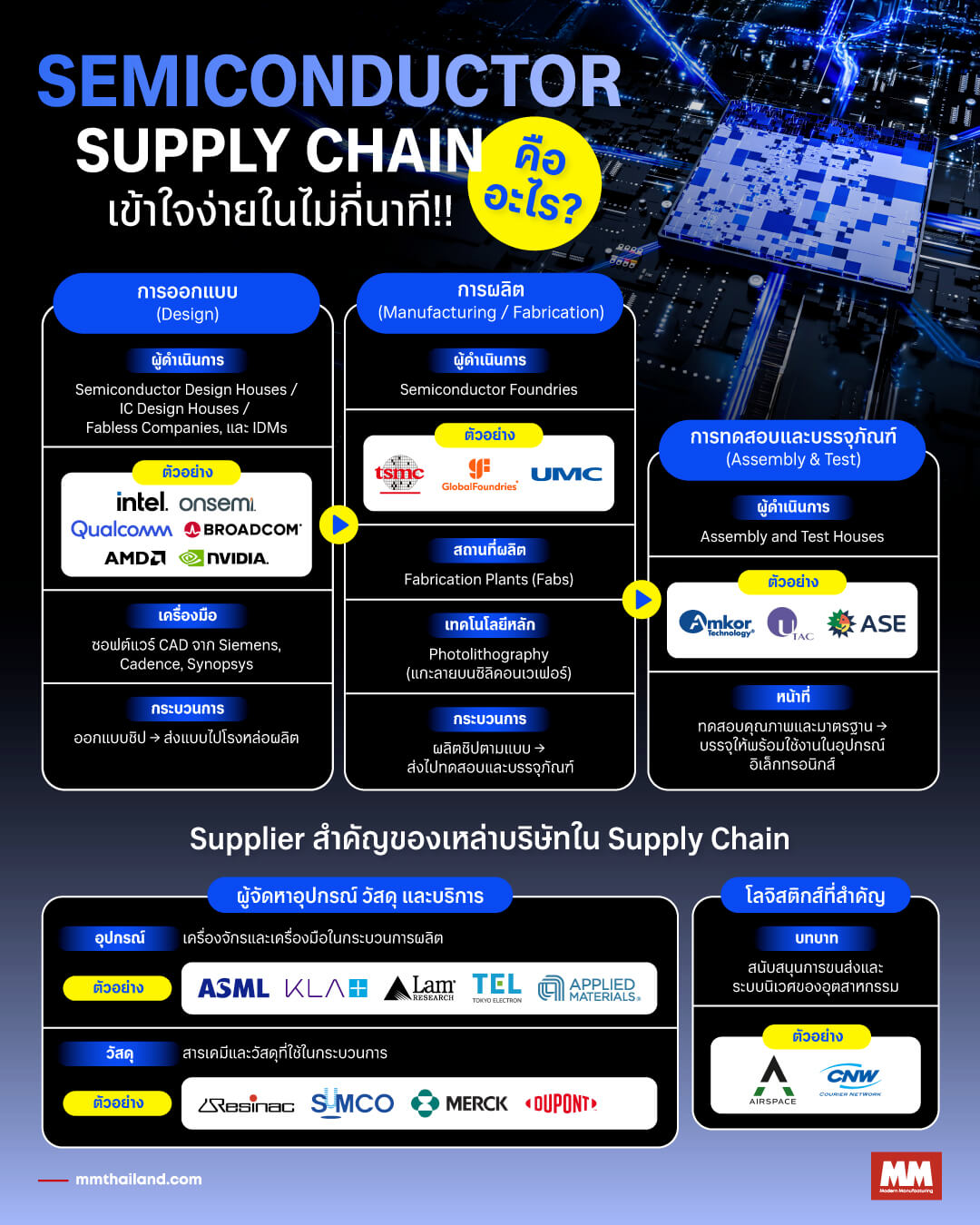
The microchip manufacturing sequence is divided into several distinct, capital-intensive phases:
- R&D and Electronic Design Automation (EDA): Engineers use specialized software tools to design complex circuitry layouts containing billions of transistors.
- Front-End Fabrication (The Fab): Pure silicon ingots are sliced into ultra-thin wafers and subjected to hundreds of microscopic photolithography, etching, and deposition steps.
- Back-End Assembly and Packaging: Wafers are diced into individual dies, connected to substrates, and encapsulated in protective resin to safeguard them from environmental damage.
- Testing and Validation: Chips undergo rigorous thermal, electrical, and functional stress testing to guarantee performance specifications.
- Distribution and Integration: Finished semiconductors are shipped to original equipment manufacturers (OEMs) across automotive, consumer electronics, aerospace, and industrial sectors.
Operational Vulnerabilities and Risk Mitigation Strategies
Supply chain professionals operating within the semiconductor ecosystem must constantly balance lean manufacturing principles with the absolute necessity of inventory buffers. Historically, the industry operated on just-in-time (JIT) manufacturing models to minimize holding costs. However, major disruptions exposed the catastrophic risks of this approach, leading to a structural shift toward supply chain visibility and multi-sourcing.
Key Risk Factors in Microchip Procurement
- Geographic Concentration: A disproportionate amount of advanced logic fabrication is concentrated in East Asia, creating acute regional vulnerability.
- Equipment Bottlenecks: Extreme Ultraviolet (EUV) lithography systems are produced by a single manufacturer, meaning any delay in optics or laser technology stalls worldwide fab expansion.
- Chemical and Sub-Component Reliance: Production depends on a continuous supply of ultra-pure neon, palladium, hydrofluoric acid, and specialized photoresists, often sourced from geopolitically unstable regions.
- Lead Time Volatility: Order-to-delivery cycles for critical fabrication tools and specialized microcontrollers can stretch from months to several years.
Strategic Solutions Implemented by Industry Leaders
To combat these systemic vulnerabilities, modern supply chain frameworks emphasize diversification, digital tracking, and strategic stockpiling. Organizations now invest heavily in redundant supplier qualification, regionalizing secondary sourcing, and building long-term capacity agreements with foundries. Furthermore, advanced data analytics and predictive modeling allow procurement teams to anticipate material shortages before they cause assembly line shutdowns.
Comparative Analysis of Supply Chain Strategies
Evaluating how different operational approaches perform under market stress helps organizations choose resilient frameworks for microelectronic procurement.
| Strategy Focus | Primary Advantage | Key Vulnerability | Best Suited For |
|---|---|---|---|
| Just-In-Time (JIT) | Minimal holding costs; highly efficient capital allocation. | Highly vulnerable to sudden supply shocks and transport delays. | Stable, low-volatility commodity components. |
| Just-In-Case (JIC) | High resilience; buffers against unexpected shortages. | High capital lockup; risk of inventory obsolescence. | Critical, high-lead-time advanced logic and microcontrollers. |
| Dual-Sourcing | Price competition; immediate alternative if primary fails. | Complex supplier management; requires identical technical standards. | Standardized analog chips and memory modules. |
| Vertical Integration | Total control over production timeline and intellectual property. | Massive capital expenditure; difficult to master all phases internally. | Market leaders with immense scale and government backing. |
Frequently Asked Questions
What makes the semiconductor supply chain uniquely fragile compared to other manufacturing sectors?
The semiconductor supply chain is uniquely fragile because of extreme capital intensity, steep technological barriers, and high geographic concentration. Designing and building a modern fabrication facility takes years and billions of dollars, making it nearly impossible to quickly pivot production or ramp up alternative sources when a disruption occurs.
How do geopolitical factors influence microchip availability?
Geopolitical factors dictate trade policies, export controls, and tariff structures that directly impact the cross-border movement of semiconductor manufacturing equipment, raw silicon, and finished wafers. Restrictions on technology sharing or material exports can instantly sever established supply routes.
What is the difference between front-end and back-end semiconductor supply chain operations?
Front-end operations involve the chemical and physical creation of microscopic circuits on silicon wafers inside ultra-clean semiconductor fabrication plants. Back-end operations involve dicing those wafers, packaging the individual dies into protective casings, and performing comprehensive electrical testing.
How are modern supply chains improving their resilience against shortages?
Modern supply chains are increasing resilience by diversifying supplier bases, establishing long-term capacity contracts with foundries, maintaining strategic inventory buffers of critical components, and implementing digital twin technology for end-to-end visibility.
Why are advanced packaging technologies becoming critical in supply chain discussions?
As physical scaling limits of silicon transistors are reached, advanced packaging allows multiple chiplets to be integrated into a single package, improving performance and energy efficiency. Managing the supply chain for these complex packaging technologies requires close coordination among specialized materials science and assembly providers.
Strategic Next Steps for Supply Chain Resilience
Organizations relying on microelectronics must move beyond reactive purchasing and adopt proactive supply chain management principles. Decision-makers should audit their current bill of materials (BOM), identify single points of failure, qualify secondary alternative suppliers for critical components, and establish transparent data-sharing protocols with tier-1 and tier-2 vendors. By embedding risk management directly into procurement workflows, enterprises can navigate the inherent volatility of the global semiconductor market with confidence.