Skipping alcohol before a colonoscopy is essential because it causes significant dehydration, interferes with sedative medications, and can compromise the clarity of the bowel prep. Consuming alcohol within 24 to 48 hours of the procedure increases the risk of complications, such as respiratory depression or nausea, and may necessitate a repeat exam if the colon is not adequately cleared.
A colonoscopy is the gold standard for colorectal cancer screening and the detection of precancerous polyps. However, the success of this procedure relies heavily on patient preparation. While most patients focus on the restrictive diet and the laxative regimen, the consumption of alcohol is a critical variable that can jeopardize both the safety of the patient and the accuracy of the results. As of 2026, clinical guidelines from major gastroenterological associations remain firm: alcohol has no place in the preoperative window.
The Physiological Conflict: Alcohol and Dehydration
The most immediate concern with consuming alcohol before a colonoscopy is its effect on your body’s hydration levels. A colonoscopy requires a "bowel prep," which involves taking potent osmotic laxatives to clear all waste from the large intestine. These laxatives work by drawing massive amounts of water into the bowel, which inevitably leads to significant fluid loss and a shift in electrolytes.
Alcohol is a known diuretic. It inhibits the production of vasopressin, an antidiuretic hormone (ADH) that helps the kidneys manage the amount of fluid in your body. When you consume alcohol, your kidneys excrete more water than they should, leading to dehydration. When you combine the diuretic effects of alcohol with the fluid loss from the colonoscopy prep, you create a "double-hit" scenario on your system.
Risks of Severe Dehydration
Severe dehydration during the prep phase can lead to several complications:
- Hypotension (Low Blood Pressure): Excessive fluid loss reduces blood volume, which can cause your blood pressure to drop dangerously low during the procedure or while you are under sedation.
- Electrolyte Imbalance: The loss of potassium, sodium, and magnesium can trigger cardiac arrhythmias or muscle cramping.
- Difficulty with IV Access: Dehydrated veins are harder to "stick." This can lead to multiple painful attempts to start the intravenous line needed for sedation.
- Dizziness and Fainting: The morning of the procedure, you will likely be fasting. Combined with dehydration, this significantly increases the risk of orthostatic hypotension (fainting when standing up).
Interaction with Sedation and Anesthesia
Most colonoscopies in 2026 are performed under "monitored anesthesia care" (usually using propofol) or conscious sedation (a combination of midazolam and fentanyl). Alcohol is a central nervous system (CNS) depressant. If there is residual alcohol in your bloodstream or if your liver is preoccupied with metabolizing alcohol, the way your body responds to medical sedatives becomes unpredictable.
Unpredictable Sedation Levels
Anesthesiologists and CRNAs (Certified Registered Nurse Anesthetists) calculate sedation dosages based on your weight, age, and medical history. Alcohol consumption alters this equation. If you have consumed alcohol recently, you may require more sedative to reach a comfortable state, or conversely, the alcohol may potentiate the sedative, leading to a much deeper level of anesthesia than intended.
Deep, uncontrolled sedation increases the risk of respiratory depression, where your breathing becomes too shallow or stops entirely. Furthermore, chronic or recent alcohol use can lead to "sedation resistance," where the patient remains agitated or partially awake despite receiving standard doses of medication, making it difficult for the gastroenterologist to perform a thorough exam.
Recovery Complications
The presence of alcohol in the system also prolongs the recovery period. It takes longer for the sedatives to wear off, increasing the likelihood of post-procedural nausea, vomiting, and prolonged cognitive impairment. Since you are already required to have a driver take you home, adding the lingering effects of alcohol makes the post-op period unnecessarily hazardous.
Impact on Bowel Preparation and Visual Clarity
The primary goal of a colonoscopy is to provide the doctor with a crystal-clear view of the colonic mucosa. Even small amounts of residual stool or murky fluid can hide flat polyps or early-stage lesions. Alcohol consumption can interfere with this clarity in several ways.
Nausea and Prep Adherence
The bowel prep solution is notoriously difficult for many patients to finish due to its volume and taste. Alcohol is a gastric irritant. If you consume alcohol the day before your prep, you are much more likely to experience nausea, vomiting, or acid reflux once you start drinking the laxative. If you vomit the prep solution, you will not achieve the "clear" state required for the exam. This often results in a "poor prep" rating, meaning the doctor may miss polyps or may have to cancel the procedure entirely, requiring you to repeat the entire process a few weeks later.
Residual Dyes and Pigments
While some clear spirits (like vodka or gin) are physically clear, many other alcoholic beverages contain dyes or natural pigments. Red wine, dark beers, and even some "clear" mixed drinks containing artificial colors (like orange or red mixers) can stain the walls of the colon.
In the eyes of a gastroenterologist using a high-definition scope, these stains can look like blood or inflammation, leading to unnecessary biopsies or confusion during the diagnostic process. Furthermore, the sugar content in cocktails and beers can ferment in the gut, causing bloating and gas that makes the procedure more uncomfortable for the patient and more difficult for the physician to navigate the curves of the colon.
Bleeding Risks and Polyp Removal
A routine screening colonoscopy often turns into a therapeutic procedure if the doctor finds a polyp. When a polyp is found, it is removed (a polypectomy) using a wire loop or "snare," often with the application of an electric current (cautery).
Alcohol has mild anticoagulant (blood-thinning) properties. It interferes with platelet aggregation, which is the first step your body takes to stop bleeding. If you have alcohol in your system during a polypectomy, you are at a higher risk for immediate bleeding at the site of the removal. More concerning is the risk of "delayed post-polypectomy bleeding," which can occur up to two weeks after the procedure. Maintaining a system free of irritants and thinners like alcohol ensures the safest possible environment for these minor surgical interventions.
Understanding the Timeline: When to Stop and When to Resume
It is a common misconception that alcohol is only a problem if consumed the night before. To ensure total safety, most medical facilities in 2026 recommend a strict timeline for cessation.
The 48-Hour Rule
While some clinics say 24 hours is sufficient, many leading institutions, such as the Mayo Clinic and the American Society for Gastrointestinal Endoscopy (ASGE), suggest avoiding alcohol for 48 hours prior to the procedure. This ensures that the liver has fully processed the alcohol, hydration levels have stabilized, and the CNS is not suppressed.
Resuming Alcohol Post-Procedure
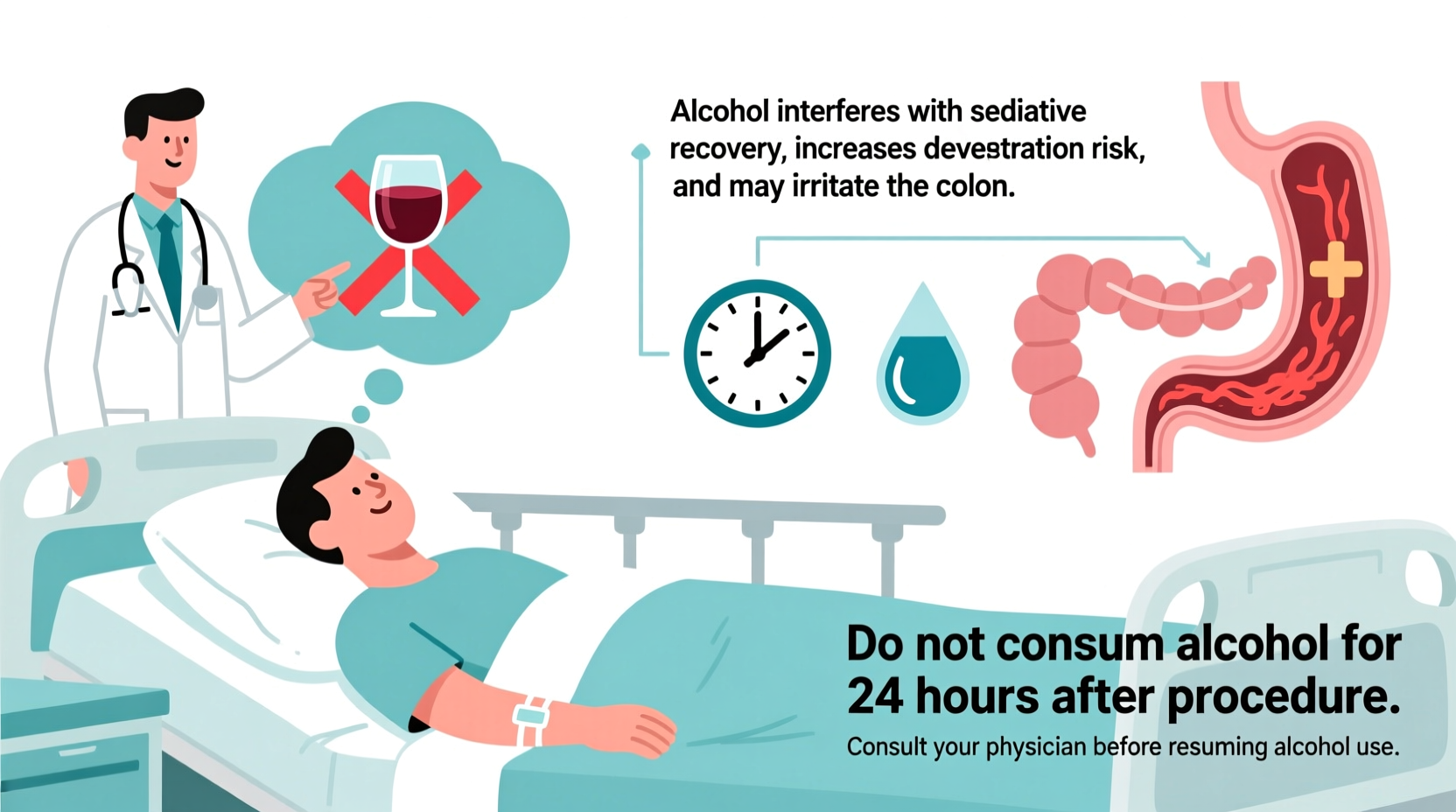
You should not consume alcohol for at least 24 hours after your colonoscopy. There are three primary reasons for this:
- Sedation Clearing: The sedatives used during the procedure stay in your system for hours. Mixing these with alcohol can cause extreme drowsiness or respiratory issues.
- Healing: If polyps were removed, your internal tissues need time to begin the healing process without the irritation or blood-thinning effects of alcohol.
- Hydration: Your first priority after a colonoscopy should be rehydrating with water and electrolyte-rich fluids, not dehydrating further with alcohol.
Comparing Risks: Alcohol vs. Proper Preparation
The following table outlines the specific risks associated with consuming various types of alcohol during the preparation window.
| Beverage Type | Primary Risk Factor | Impact on Colonoscopy |
|---|---|---|
| Red Wine | Dark pigments/tannins | Can mimic blood/stool; stains colon walls. |
| Beer | Carbonation & Sugar | Causes bloating; sugar can interfere with prep efficacy. |
| Mixed Drinks | High Sugar & Artificial Dyes | Nausea risk; dyes (red/purple) mask mucosal details. |
| Spirits (Vodka/Gin) | High Alcohol Concentration | Severe dehydration; high risk of sedation interaction. |
| Wine Coolers | Artificial Colors | Red/Purple dyes are strictly forbidden in clear liquid diets. |
Common Misconceptions About Alcohol and Colonoscopies
Patients often try to find "loopholes" in the prep instructions, believing that certain types of alcohol might be acceptable.
"It’s a Clear Liquid"
The most common mistake is assuming that because vodka or white wine are "clear liquids," they are allowed on the day before the procedure when you are on a restricted diet. While they are physically transparent, the term "clear liquid diet" in a medical context refers to liquids that provide hydration and minimal calories without residue—alcohol does the opposite by causing dehydration and metabolic stress.
"Just One Glass to Calm the Nerves"
Many patients feel anxious about the procedure and believe a single glass of wine will help them sleep or relax before the "big day." However, even a single drink can irritate the stomach lining and interact with the sedatives given the next morning. If you are experiencing high levels of anxiety, it is better to discuss this with your gastroenterologist, who can provide medically supervised anti-anxiety options or reassurance.
Practical Steps: What to Do If You Accidentally Drank
If you find yourself in a situation where you consumed alcohol within the 24-48 hour window before your appointment, do not panic, but do not hide it either.
- Check the Amount: If it was a small sip, the impact may be negligible. If it was several drinks, the risk increases.
- Increase Water Intake: Immediately begin drinking extra water or an electrolyte solution (like Gatorade or Pedialyte, avoiding red/purple colors) to counteract the dehydrating effects.
- Notify the Facility: Call the endoscopy center or your doctor’s office. Be honest about what you drank and when.
- The Medical Decision: The anesthesiologist will make the final call. In many cases, if it was more than 12 hours prior and you are well-hydrated, they may proceed. If it was more recent, they may reschedule for your safety.
Frequently Asked Questions
Can I have a glass of white wine the night before my colonoscopy?
No, you should avoid all alcohol, including white wine, the night before your colonoscopy. Even though it lacks the dark pigments of red wine, the alcohol content will dehydrate you and can interact with the anesthesia used during the procedure. It may also increase the likelihood of nausea during your bowel prep.
Why is red wine specifically mentioned as a risk?
Red wine contains dark pigments and tannins that can leave a residue on the colon walls. During the exam, these stains can be mistaken for blood or may hide small polyps. Most colonoscopy instructions explicitly forbid any liquids with red, purple, or orange dyes, and red wine falls firmly into this category.
How long does alcohol stay in my system before the procedure?
While the immediate effects of "feeling" drunk wear off in a few hours, the metabolic byproducts and the dehydrating effects on your cells can last much longer. Furthermore, alcohol affects your liver enzymes and central nervous system for up to 48 hours, which is why doctors prefer you to be alcohol-free for at least two days.
What if I drink alcohol and don't tell the doctor?
This is dangerous. If the anesthesiologist does not know there is alcohol in your system, they cannot accurately judge the amount of sedation you need. This could lead to you being under-sedated (feeling pain) or over-sedated (respiratory distress). Always be transparent with your medical team to ensure your safety.
Can I drink alcohol immediately after the colonoscopy is over?
You must wait at least 24 hours after the procedure before consuming alcohol. The sedatives used during the colonoscopy take time to fully leave your system, and alcohol can dangerously amplify their effects. Additionally, your body needs to rehydrate and heal, especially if any polyps were removed.
Recommendation for a Successful Procedure
To ensure the highest quality results and the safest experience, commit to a "dry" window starting 48 hours before your appointment. Focus your efforts on consuming high-quality clear liquids such as apple juice, white grape juice, clear broths, and plenty of water. By skipping alcohol, you allow your body to remain hydrated, your liver to remain focused on processing the necessary sedatives, and your gastroenterologist to have the best possible view of your colon. This small sacrifice significantly reduces the chance of needing a repeat procedure and ensures that your screening is as effective as possible in preventing colorectal cancer.