To obtain the best Alberta auto insurance comparison quotes for multiple vehicles, you should utilize a licensed insurance broker or online comparison tool to access multiple carriers simultaneously. Multi-vehicle policies in Alberta typically offer a discount of 10% to 25% off the total premium compared to insuring vehicles separately, provided all cars are registered at the same address and listed under one primary policyholder.
The Landscape of Alberta’s Auto Insurance Market in 2026
The Alberta insurance market operates under a private delivery system, meaning private companies compete for your business, but the government strictly regulates the rates and policy terms. By 2026, the province has fully integrated the Direct Compensation for Property Damage (DCPD) model and continues to utilize the Grid rating system to ensure basic coverage remains accessible. When seeking quotes for multiple vehicles, understanding this framework is essential because it dictates how premiums are calculated for each driver and vehicle pairing on your policy.
The Automobile Insurance Rate Board (AIRB) oversees the rate-setting process. In 2026, insurers are required to justify any rate increases based on actuarial data, including the rising cost of vehicle repairs and medical treatments. For households with two, three, or more vehicles, this regulatory environment means that while base rates might fluctuate, the competitive pressure to offer "multi-car discounts" remains high. Insurers view multi-vehicle households as more stable and less likely to switch providers, leading them to offer significant incentives to keep all your "units" under one roof.
Mechanics of the Multi-Vehicle Discount
A multi-vehicle discount is not a flat reduction across the entire bill but is typically applied to specific portions of the premium for each vehicle. Usually, the discount applies to the third-party liability and collision/comprehensive portions of the policy. In Alberta, most insurers require that the vehicles be owned by the same person or by individuals living in the same household who are related by blood, marriage, or common-law status.
The primary reason insurance companies offer these discounts is operational efficiency. Processing one policy, sending one set of renewal documents, and managing one billing account is significantly cheaper than managing three separate ones. Furthermore, insurers use data models that suggest households with multiple vehicles often distribute their total mileage across those vehicles, which can theoretically lower the risk of a high-speed collision for any single unit compared to a single-vehicle household that relies on one car for everything.
Eligibility Criteria for 2026 Policies
To qualify for a multi-vehicle quote in Alberta, you must generally meet the following requirements:
- Residential Unity: All vehicles must be primarily garaged at the same physical address.
- Ownership: The vehicles must be registered in the name of the primary applicant or a designated household member.
- Policy Synchronization: All vehicles must be listed on the same policy document with the same effective and expiry dates.
- Usage Classification: While both can be for personal use, you must clearly define which vehicle is used for commuting and which is for pleasure to ensure the discount is calculated accurately.
Understanding Coverage Components in Alberta
When comparing quotes for multiple vehicles, it is a mistake to look only at the bottom-line price. In Alberta, a standard policy (SPF No. 1) consists of mandatory and optional sections. Your multi-vehicle quote will break down the costs for each car individually because the risk profile of a 2024 electric SUV is vastly different from a 2018 compact sedan.
Mandatory Coverages
- Section A: Third-Party Liability: This covers you if you are at fault in an accident that causes injury, death, or property damage to a third party. Most Alberta drivers opt for $2 million in coverage, though the legal minimum is $200,000. On a multi-vehicle policy, you can often set different liability limits for different vehicles, though most brokers recommend keeping them uniform for simplicity and protection.
- Section B: Accident Benefits: This provides no-fault coverage for medical expenses, funeral costs, and income replacement if you are injured in a collision. This is standardized across the province.
- DCPD (Direct Compensation for Property Damage): This allows you to claim property damage directly from your own insurer when you are not at fault. This has simplified the claims process in Alberta significantly.
Optional Coverages (Section C)
This is where multi-vehicle quotes often vary the most. You might choose Collision coverage for your new vehicle but opt for Liability Only on an older vehicle with low resale value.
- Collision: Covers damage to your vehicle resulting from an impact with another vehicle or object.
- Comprehensive: Covers non-collision events like hail (a major factor in Alberta), theft, vandalism, or fire.
- Specified Perils: A narrower version of comprehensive that only covers specific events named in the policy.
The Role of the Alberta Grid Rating System
The "Grid" is a unique feature of the Alberta insurance market designed to cap the premiums for mandatory coverages. Every driver in Alberta is placed on the Grid based on their years of licensed driving and their history of at-fault accidents.
When you get a quote for multiple vehicles, the insurer must compare their internal rating to the Grid rating for each driver and charge the lower of the two. For a household with a high-risk driver (such as a teenager) and several vehicles, the Grid acts as a safety net. However, the multi-vehicle discount is applied to the insurer’s own rates. If your insurer’s rates are already lower than the Grid maximum, the multi-vehicle discount will make them even more competitive.
How to Effectively Compare Multi-Vehicle Quotes
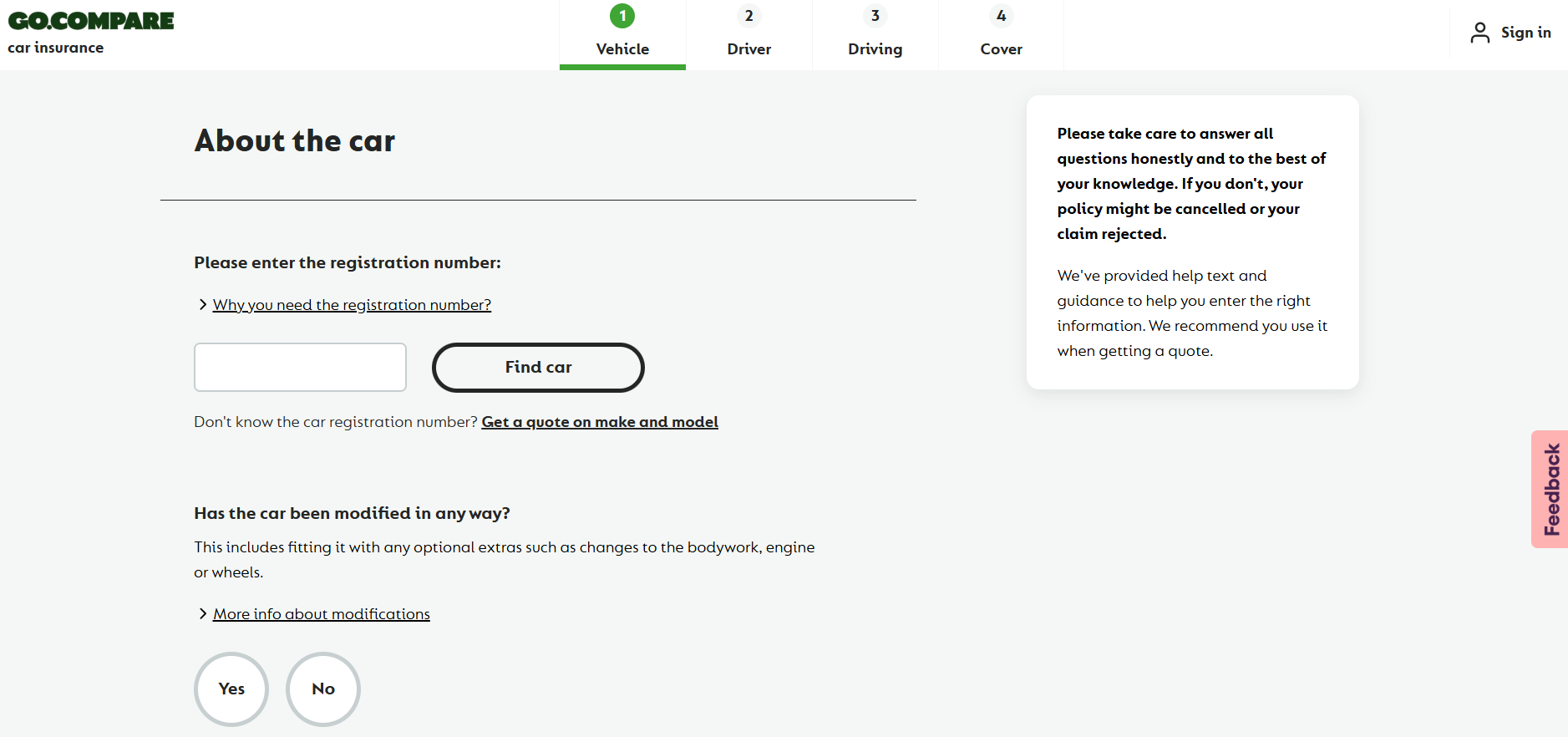
In 2026, the most efficient way to compare is to gather all necessary data before starting the process. Because you are quoting multiple vehicles, the amount of data required is doubled or tripled, and any errors can lead to an inaccurate quote.
Information Checklist
- Vehicle Identification Numbers (VINs): This provides the insurer with the exact make, model, trim, and safety features.
- Driver’s License Numbers: Needed for all household members to pull MVR (Motor Vehicle Record) and Autoplus (claims history) reports.
- Odometer Readings: Many Alberta insurers now offer lower rates for low-mileage vehicles on multi-car policies.
- Current Policy Expiry Dates: To ensure a seamless transition without gaps in coverage.
Comparing "Apples to Apples"
When you receive three or four different quotes, ensure the deductibles are identical. A quote for two vehicles might look cheaper simply because it has a $1,000 deductible, whereas another quote uses a $500 deductible. In the volatile Alberta climate—where hail storms can cause thousands of dollars in damage—the difference between a $500 and $1,000 deductible is a significant financial risk.
Comparative Cost Analysis for Alberta Households (2026 Estimates)
The following table illustrates the potential savings when moving from individual policies to a consolidated multi-vehicle policy in a typical Alberta scenario (e.g., a household in Red Deer or Lethbridge).
| Scenario | Vehicle A (2024 SUV) | Vehicle B (2021 Sedan) | Total Annual Premium | Savings |
|---|---|---|---|---|
| Separate Policies | $1,850 | $1,400 | $3,250 | $0 |
| Combined (No Discount) | $1,850 | $1,400 | $3,250 | $0 |
| Combined (15% Multi-Car Discount) | $1,572 | $1,190 | $2,762 | $488 |
| Combined + Home Bundle (Add. 10%) | $1,415 | $1,071 | $2,486 | $764 |
Note: These figures are illustrative for 2026 and vary based on driver abstract, location, and specific insurance provider underwriting guidelines.
Specific Endorsements for Multi-Vehicle Families
In Alberta, you can customize your policy using Standard Endorsement Forms (SEF). When insuring multiple vehicles, certain endorsements become more valuable:
- SEF 44 (Family Protection): This is arguably the most important endorsement in Alberta. It protects you and your family if you are involved in an accident with an underinsured or uninsured driver. When you have multiple vehicles and family members, ensuring this is consistent across all units is vital.
- SEF 13D (Limited Waiver of Depreciation): If you have a brand-new vehicle among your fleet, this ensures that in the event of a total loss, you receive the full purchase price rather than the depreciated value.
- SEF 20 (Loss of Use): Provides a rental car if one of your vehicles is in the shop after a claim. Families with multiple cars might think they don't need this because they have a "spare" car, but if both primary drivers work different schedules, losing one vehicle can still cause a crisis.
- SEF 27 (Legal Liability for Damage to Non-Owned Automobiles): This extends your physical damage coverage to rental cars. On a multi-vehicle policy, this often only needs to be added to one of the vehicles to cover the primary drivers, saving money.
The Impact of Location: Calgary vs. Edmonton vs. Rural Alberta
Where you garage your vehicles significantly impacts your multi-vehicle quote. In 2026, data shows that Calgary often has higher premiums due to the higher frequency of severe hail events compared to Edmonton. Conversely, Edmonton may see higher rates related to theft or winter-related collisions.
When comparing quotes for multiple vehicles, be aware that if one vehicle is used primarily for a long commute into a major city while the other stays in a rural area, the rates will reflect these different risk zones. Some insurers are more lenient with "territorial ratings" when you bring them multiple vehicles, essentially averaging the risk across the household.
Common Pitfalls When Seeking Comparison Quotes
- Omitting Occasional Drivers: If you have a child away at university who occasionally drives the cars when they return home to Alberta, they must be disclosed. Failing to do so can result in a denied claim.
- Inconsistent Deductibles: Choosing a high deductible for one car and a low one for another can lead to confusion during the claims process.
- Ignoring the "Usage" Factor: If you have a third vehicle that is only driven 2,000 km a year, make sure it is rated as "Pleasure Only." Many people accidentally leave all vehicles at "Commute" status, missing out on substantial savings.
- Forgetting to Update the Broker on Life Changes: If a driver on your multi-vehicle policy moves out of the house, they generally need their own policy. Keeping them on yours could be considered rate evasion if they are living in a higher-risk area.
Managing Claims on a Multi-Vehicle Policy
One of the logistical advantages of a multi-vehicle policy in Alberta's DCPD system is the streamlined claims process. If two of your own vehicles are involved in a collision with each other (e.g., backing into each other in the driveway), having them on the same policy simplifies the "at-fault" determination and deductible application. Some Alberta insurers even offer a "single deductible" rule where if one event (like a garage fire or a major hail storm) damages multiple vehicles on the policy, you only pay the deductible once. This is a massive benefit that you should specifically ask about when comparing quotes.
Frequently Asked Questions
Can I have different coverage levels for each car on a multi-vehicle policy?
Yes. Alberta law allows you to tailor the coverage for each vehicle. For instance, you might carry full collision and comprehensive on a 2026 Tesla while carrying only liability and DCPD on a 2012 Ford F-150. The multi-vehicle discount will still apply to the eligible portions of both.
Does the multi-vehicle discount apply if one car is for business use?
Generally, no. If one vehicle is registered under a corporation or used for commercial purposes (like a delivery van), it usually requires a commercial auto policy. Multi-vehicle discounts are typically reserved for personal-use vehicles on an SPF No. 1 form. However, some brokers can "link" a commercial and personal policy for a smaller discount.
Will one driver's bad record ruin the discount for everyone?
A driver with multiple speeding tickets or an at-fault accident will pay a higher premium for the vehicle they are assigned to. However, their bad record does not usually "cancel" the multi-vehicle discount itself. The discount is an administrative and loyalty incentive, while the driver's record is a risk-rating factor. They exist independently on the quote.
What happens to the quote if I add a third vehicle mid-term?
If you add a vehicle to an existing policy, the insurer will calculate the pro-rated premium for the remainder of the term and apply the multi-vehicle discount to all vehicles from that date forward. This often results in a small credit or a lower-than-expected increase because the discount kicks in for the existing vehicles as well.
Is it better to use a broker or a direct writer for multi-car quotes?
In 2026, brokers often have an edge for multi-vehicle families because they can shop across 10 to 15 different insurance companies like Intact, Aviva, or Wawanesa. Direct writers (like TD Insurance or Allstate) only offer their own products. Since every insurer has a different "appetite" for multi-car risks, having a broker scan the market is generally the more effective way to find the lowest aggregate price.
Final Action for Alberta Drivers
To secure the most accurate and affordable multi-vehicle insurance in Alberta, start by collecting the insurance history and VINs for all vehicles in your household. Reach out to a licensed insurance broker to perform a market scan. Specifically, ask for a comparison that includes a "bundle" with your home or tenant insurance, as the combination of multi-vehicle and multi-policy discounts often yields the maximum possible savings in the 2026 Alberta market. Always verify that your final quote includes the SEF 44 Family Protection endorsement for each vehicle to ensure comprehensive safety for your household.