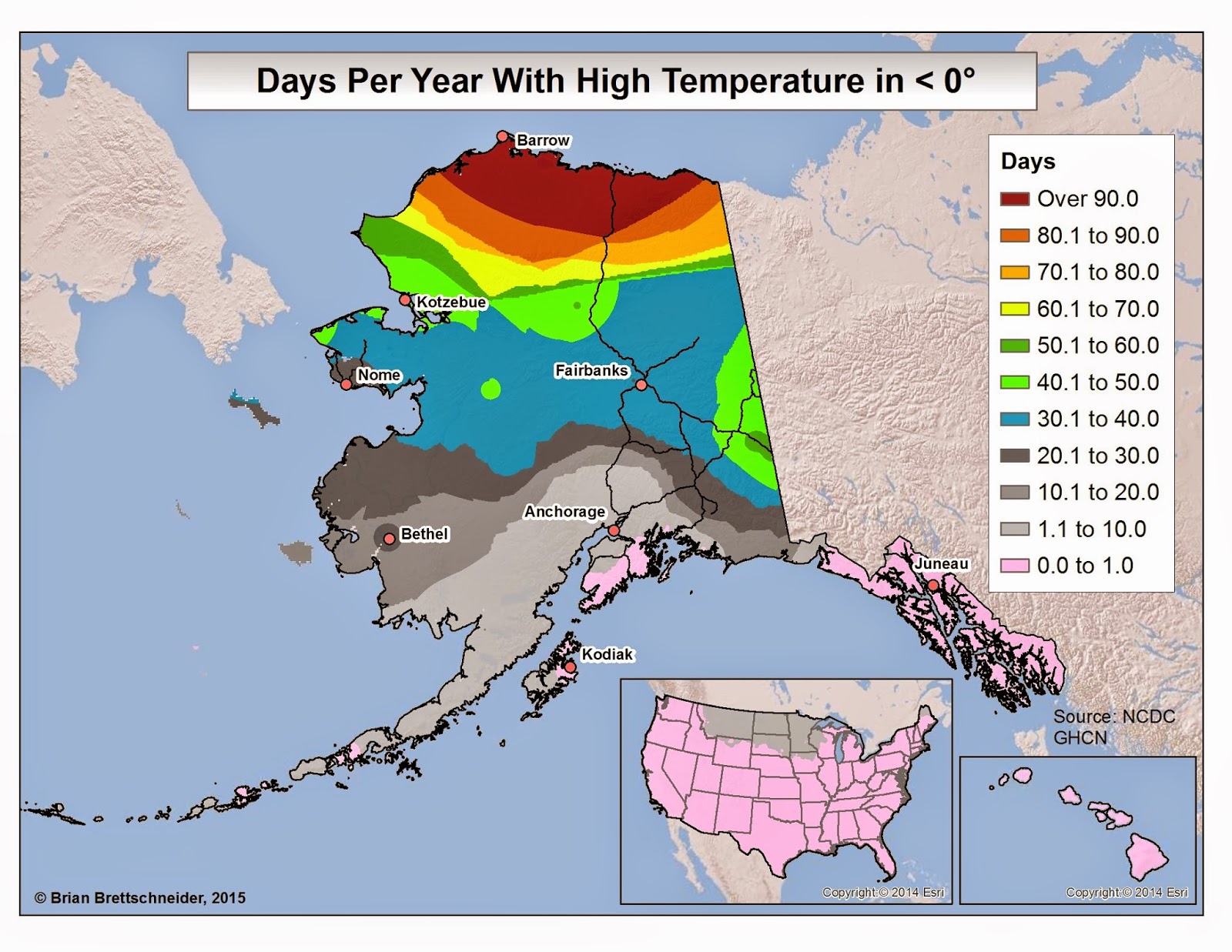
In December, Alaska experiences its most profound winter conditions, with average temperatures ranging from 30°F (-1°C) in the temperate Southeast to -15°F (-26°C) in the frozen Interior. These figures vary significantly by region due to the state’s massive size, with the Arctic Slope facing sub-zero extremes and perpetual darkness.
Understanding Alaska’s climate in December requires moving beyond a single average. As the state approaches the winter solstice, the combination of dwindling daylight, heavy snowfall, and extreme cold fronts creates a unique environment that demands rigorous preparation. Whether you are planning a trip to view the Northern Lights in Fairbanks or visiting the coastal city of Anchorage, the thermal landscape of December is defined by dramatic regional disparities.
The Regional Diversity of Alaskan Winter Weather
Alaska is roughly one-fifth the size of the contiguous United States, spanning several distinct climatic zones. In December, these zones react differently to the lack of solar radiation and the influence of surrounding oceans.
The Interior: Extreme Cold and Ice Fog
The Interior region, which includes Fairbanks and Denali National Park, is characterized by a continental climate. In December, this area is shielded from the moderating influence of the ocean by the Alaska Range to the south and the Brooks Range to the north. Consequently, the Interior becomes a literal icebox.
Average high temperatures in Fairbanks hover around 5°F (-15°C), while average lows drop to -13°F (-25°C). However, these averages can be deceptive. It is common for high-pressure systems to settle over the Yukon Valley, leading to temperature inversions where cold air is trapped near the ground. During these periods, temperatures can plummet to -40°F or even -50°F and remain there for days.
A unique phenomenon in the Interior during December is ice fog. When temperatures drop below -22°F (-30°C), water vapor from vehicle exhausts or heating systems crystallizes instantly in the air, creating a thick, glittering mist that can reduce visibility to near zero.
Southcentral: Moderate Cold and Heavy Snow
The Southcentral region, encompassing Anchorage, the Matanuska-Susitna Valley, and the Kenai Peninsula, experiences a transitional climate. In December, the proximity to the Cook Inlet and the Gulf of Alaska provides a slight warming effect compared to the Interior.
Anchorage typically sees average highs of 23°F (-5°C) and lows of 11°F (-12°C). While this is cold, it is often more manageable for travelers. The primary challenge in Southcentral during December is snowfall. This region can receive significant accumulation as moisture-rich air from the Gulf of Alaska meets the cold air masses from the north. The Chugach Mountains often act as a barrier, causing "upslope" snow events that can dump several feet of powder in a single storm.
Southeast: The Maritime Exception
The Panhandle, including Juneau, Ketchikan, and Sitka, is the warmest part of Alaska in December. This region has a mid-latitude maritime climate, which means it is often wet rather than frozen.
Average temperatures in Juneau range from a high of 33°F (1°C) to a low of 24°F (-4°C). Because temperatures frequently hover near the freezing point, December weather in the Southeast is a volatile mix of rain, sleet, and heavy, wet snow (often referred to locally as "heart attack snow" due to its weight). Wind is also a major factor here; the "Taku winds" can blast through mountain passes at hurricane speeds, significantly lowering the "felt" temperature.
The Far North and Arctic Slope: Perpetual Darkness
In the Arctic Circle, including communities like Utqiaġvik (formerly Barrow), December is the month of the "Polar Night." The sun does not rise above the horizon for the entire month.
Temperatures here are consistently brutal, with average highs of -7°F (-22°C) and lows of -20°F (-29°C). When the relentless Arctic winds are factored in, wind chill values can easily reach -50°F or lower. Exposure to skin in these conditions can lead to frostbite in less than ten minutes.
Comparative Temperature and Daylight Data for December 2026
The following table provides a snapshot of what to expect across major Alaskan hubs during the December 2026 winter season. These figures are based on long-term climate normals adjusted for recent decadal trends.
| Location | Avg. High (°F/°C) | Avg. Low (°F/°C) | Record Low (°F) | Avg. Daylight (Solstice) |
|---|---|---|---|---|
| Fairbanks | 5° / -15° | -13° / -25° | -62° | 3h 41m |
| Anchorage | 23° / -5° | 11° / -12° | -34° | 5h 28m |
| Juneau | 33° / 1° | 24° / -4° | -21° | 6h 22m |
| Utqiaġvik | -7° / -22° | -20° / -29° | -52° | 0h 00m |
| Nome | 13° / -11° | 0° / -18° | -42° | 3h 54m |
| Kodiak | 36° / 2° | 28° / -2° | -2° | 6h 25m |
The Role of the Winter Solstice
The winter solstice, occurring around December 21st, is the defining astronomical event of the month. In 2026, as in every year, this marks the shortest day of the year. For Alaskans, the solstice is not just a calendar date; it is the pivot point of the winter season.
The lack of sunlight is the primary driver of December temperatures. Without solar radiation to warm the earth’s surface, the heat absorbed during the brief summer continues to radiate into space. This leads to a "lag" in cooling, where the coldest temperatures of winter often occur in late December or January, rather than directly on the solstice.
In Fairbanks, the sun stays very low on the horizon, casting long, golden shadows even at noon. In the Arctic, the absence of the sun means the ground continues to lose heat rapidly. For visitors, the psychological impact of 20 hours of darkness can be as significant as the physical cold, often requiring "happy lights" (SAD lamps) to maintain circadian rhythms.
Precipitation and Snow Conditions
December is one of the snowiest months across most of Alaska. However, the type of snow varies by temperature.
- Dry Snow (Interior/Arctic): Because the air is so cold, it cannot hold much moisture. The snow that falls is often light, airy, and crystalline. It does not pack well for snowballs but is excellent for "fluff" skiing. It also blows easily, creating drifts that can bury roads.
- Wet Snow (Southcentral/Southeast): Temperatures near freezing result in high moisture content. This snow is heavy and sticky. In Anchorage, December often brings "cycles" where it snows heavily, then warms up and rains, creating a layer of "glare ice" on the roads that makes driving exceptionally hazardous.
- Hoar Frost: In the Interior, you will often see thick layers of frost on trees and power lines. This occurs when water vapor in the air transitions directly to ice crystals on cold surfaces. It creates a "winter wonderland" aesthetic but can cause power outages if the weight becomes too great for lines to bear.
Practical Advice for December Temperatures
Navigating Alaska in December requires a specialized approach to gear and safety. The phrase "there is no such thing as bad weather, only bad clothing" is a mantra for Alaskans.
The Three-Layer System
To survive and enjoy December temperatures, you must utilize a technical layering system:
- Base Layer: Moisture-wicking synthetics or merino wool. Avoid cotton at all costs, as it retains moisture and will pull heat away from your body if you sweat.
- Insulating Layer: This is your "furnace." Puffer jackets (down or high-quality synthetic), heavy fleece, or wool sweaters work best. In the Interior, a heavy parka rated for -40°F is standard.
- Shell Layer: A windproof and waterproof outer layer. In the Interior, windproofing is more important than waterproofing. In the Southeast, a high-quality raincoat or GORE-TEX shell is mandatory.
Extremity Protection
In December, the body prioritizes core temperature, often leaving fingers and toes vulnerable.
- Footwear: Insulated boots like Sorels or Baffins, rated for at least -40°F, are necessary for the Interior. For Anchorage, a standard insulated hiking boot with good traction (or ice cleats like Yaktrax) is sufficient.
- Head and Hands: A wind-blocking hat that covers the ears is essential. Mittens are significantly warmer than gloves because they allow your fingers to share body heat.
Vehicle Maintenance
If you are driving in Alaska during December 2026, your vehicle needs to be winterized. This includes using a block heater, which is an electric heating element that keeps the engine oil warm so the car can start in sub-zero temperatures. Most Alaskan parking lots have electrical outlets for this purpose. You should also ensure your tires are either winter-rated (Blizzaks are a favorite) or studded.
Activities Impacted by Temperature
The extreme cold of December does not stop life in Alaska; it merely changes how activities are conducted.
- Northern Lights Viewing: December is prime time for the Aurora Borealis due to the long nights. However, the best viewing happens on clear, high-pressure nights, which are also the coldest. To see the lights in Fairbanks, you must be prepared to stand outside in -20°F temperatures.
- Dog Sledding: Sled dogs, particularly Huskies and Malamutes, thrive in the cold. However, even they have limits. If temperatures drop below -30°F, many tour operators will cancel trips to protect both the dogs' lungs and the guests' safety.
- Skiing and Snowboarding: Resorts like Alyeska in Girdwood (near Anchorage) are in full swing by December. Because of the low sun angle, the slopes are often illuminated by powerful stadium lights, creating a unique "night skiing" atmosphere even in the middle of the afternoon.
Frequently Asked Questions
Is December the coldest month in Alaska?
While December is very cold, it is often not the coldest. Due to seasonal lag, January and February frequently record lower temperatures. However, December feels darker and more "raw" because it contains the winter solstice and the transition into deep winter.
Can I drive from Anchorage to Fairbanks in December?
Yes, the George Parks Highway is maintained year-round. However, temperatures can drop 30 or 40 degrees as you move north. You should carry an emergency kit including a -30°F sleeping bag, extra food, and a satellite communication device, as cell service is spotty and a breakdown in these temperatures can be life-threatening.
Does it ever rain in Alaska in December?
In the Southeast (Juneau) and occasionally in the Southcentral (Anchorage) regions, rain is possible if a "Pineapple Express" (a warm, moist air current from the Pacific) moves in. In the Interior and the Arctic, rain is virtually unheard of in December; any moisture falls as dry snow or ice crystals.
How do people stay warm in -40°F?
Staying warm at -40°F involves minimizing exposed skin, staying dry, and staying active. Alaskans also use chemical hand warmers and ensure their homes are heavily insulated. It is also important to breathe through a scarf or "buff" to pre-warm the air before it hits your lungs.
Are businesses open in Alaska during December?
Most businesses in major hubs like Anchorage and Fairbanks remain open. However, many tourism-specific businesses in smaller towns or near National Parks may close for the winter season or operate on limited "winter hours." Always check availability for 2026 bookings in advance.
Final Recommendations for 2026 Travelers
If you are planning to experience Alaska in December 2026, prioritize flexibility. The weather is the ultimate arbiter of schedules. High winds can ground flights, and extreme cold can stall vehicles.
Next Actions:
- Invest in high-quality gear: If you are visiting the Interior, do not skimp on your parka or boots. Renting "Arctic gear" packages in Fairbanks is a viable and recommended option.
- Monitor the Aurora Forecast: Use tools from the University of Alaska Fairbanks Geophysical Institute to track solar activity.
- Respect the darkness: Plan outdoor activities for the "civil twilight" hours (usually 10:00 AM to 3:00 PM) to make the most of the limited light.