Traveling between Seattle-Tacoma International Airport (SEA) and Spokane International Airport (GEG) is a staple route for business commuters and tourists alike. Alaska Airlines operates this short-haul corridor with high frequency, offering various fare classes and logistical considerations designed to meet the needs of travelers crossing the Cascade Range. Choosing the right option requires understanding the nuances of fare structures, baggage policies, and the operational realities of flying between these two Washington hubs.
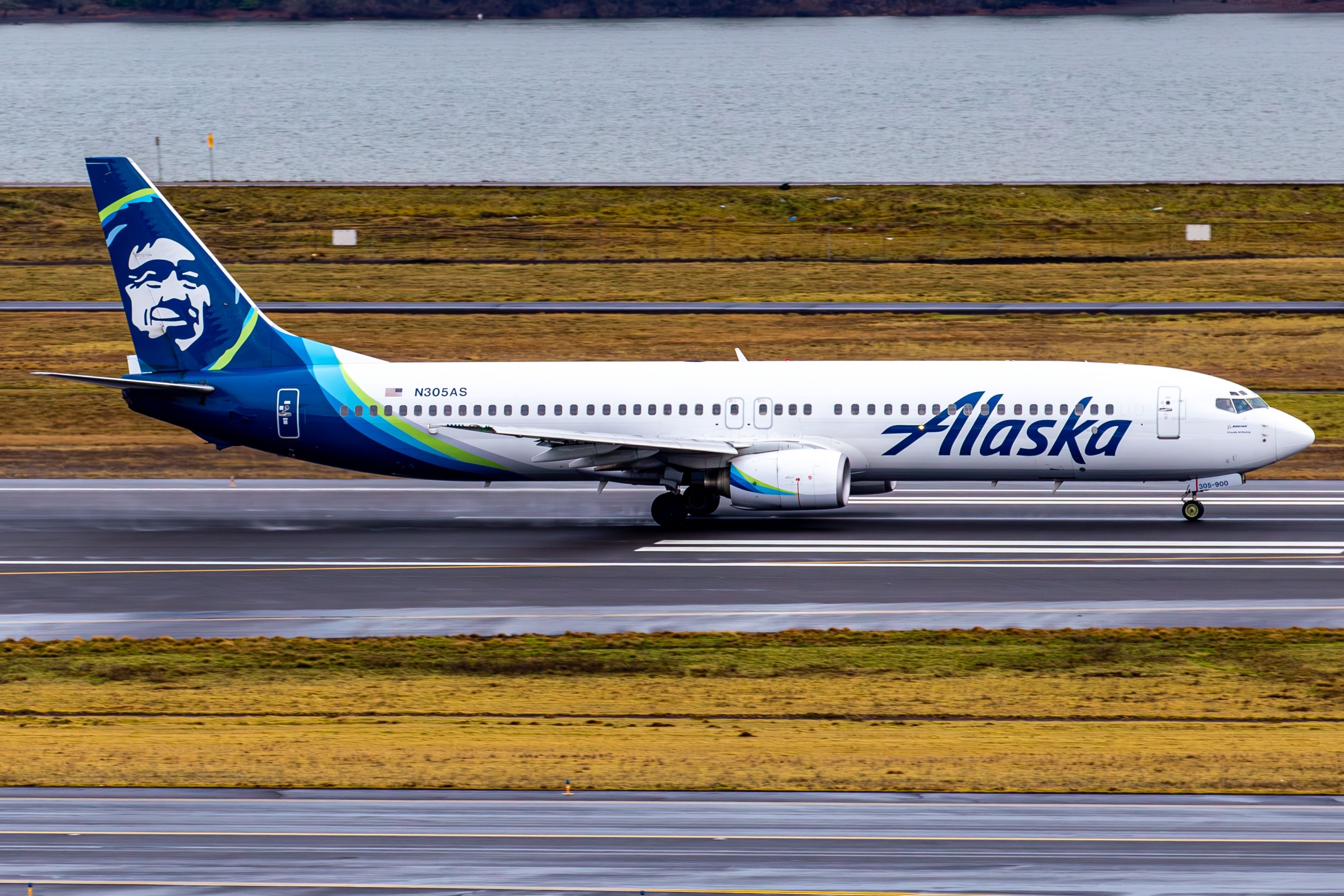
The Seattle to Spokane route is primarily characterized by its brevity, with flight times typically ranging from 50 to 65 minutes in the air. Because this is a high-demand regional connection, Alaska Airlines utilizes a mix of Embraer 175 regional jets and Boeing 737 aircraft. Passengers can choose from Saver, Main, and First Class cabins, each offering distinct levels of flexibility, comfort, and service. Understanding these choices allows you to align your ticket purchase with your specific travel priorities, whether you are seeking the lowest possible price or need the ability to change your itinerary on short notice.
Understanding Fare Classes and Cabin Options
Alaska Airlines organizes its seat inventory into three primary categories, each with specific limitations and benefits. Understanding the differences between these is the most significant step in selecting the flight option that matches your needs.
Saver Fares
Saver is the most restrictive fare class offered by Alaska Airlines. It is designed for budget-conscious travelers who have firm, unchangeable plans. When you book a Saver fare, you are essentially purchasing a ticket with no flexibility; changes are not permitted, and cancellations for a refund or credit are generally not allowed. Furthermore, Saver passengers are assigned seats at the back of the aircraft, which can mean sitting in middle seats. While you still receive the standard onboard service, the lack of seat selection and inability to make modifications to your itinerary make this a "buy-and-go" option that carries the highest risk if your plans are subject to shift.
Main Cabin
Main is the standard booking option, providing the best balance of value and flexibility. Unlike Saver fares, Main tickets allow for flight changes without a fee, and passengers can select their own seats at the time of booking. This is particularly advantageous for those who prefer an aisle or window seat or those traveling with companions who wish to sit together. Within the Main Cabin, there are occasionally "Main Cabin Select" options that provide extra legroom (found in the rows labeled Premium Class), offering significantly more personal space than the standard economy seats.
First Class
For those prioritizing comfort, First Class on the SEA-GEG route provides a dedicated cabin experience. While the flight duration is short, the benefits include priority check-in, two free checked bags, priority boarding, and increased space. On the regional Embraer 175 jets, the seating configuration is typically 1-2, meaning there are no middle seats in the First Class cabin. This ensures that every passenger is either next to a window or an aisle. While the price premium for such a short flight is higher than other tiers, it is often favored by business travelers or those seeking a more seamless experience through the busy Seattle-Tacoma International Airport.
Comparative Overview of Service Tiers
| Feature | Saver | Main | First Class |
|---|---|---|---|
| Seat Selection | Randomly assigned | Included | Included |
| Change/Cancel | Not permitted | Allowed (no fee) | Allowed (no fee) |
| Checked Bags | Paid | Paid | 2 Free |
| Boarding Group | Last | Standard | Priority |
| Legroom | Standard | Standard/Premium | Extended |
Navigating the Seattle-Tacoma (SEA) Experience
Seattle-Tacoma International Airport is a massive, complex facility. As the primary hub for Alaska Airlines, SEA can be intimidating for the unprepared traveler. When flying to Spokane, your departure gate could be in the N Concourse, the C Concourse, or even the remote gates, depending on the aircraft type and current operational constraints.
Arriving at the airport requires careful timing. Even though Spokane is a domestic flight within Washington, the security checkpoint lines at SEA can be lengthy, especially during early morning "bank" hours when business travelers are departing. It is highly recommended to arrive at the airport at least 90 minutes before your scheduled departure. If you do not have TSA PreCheck, you should consider adding an additional 30 minutes to account for fluctuating wait times at the main checkpoints.
Baggage Logistics
Alaska Airlines operates a rigid, digital-first approach to baggage. It is highly recommended to use the Alaska Airlines mobile app to check your bags before arriving at the airport. This allows you to pay for any checked items and receive your boarding pass digitally, which significantly streamlines the process at the airport kiosk. If you have a First Class ticket, ensure that your benefits are properly reflected in the app to avoid being charged for bags that should be included in your fare.
Operational Realities: The Seattle-Spokane Corridor
The flight path from Seattle to Spokane is relatively short, crossing the Cascade mountain range. This geographical reality often plays a role in the "operational health" of your flight.
Weather Disruptions
During the winter months, weather patterns across the Cascades can be volatile. Heavy fog in the Puget Sound or snow in the Inland Northwest can occasionally lead to ground stops or delays. Because this route relies on high-frequency scheduling, a delay in one flight often cascades into others. When booking, if you have a tight connection or an important meeting in Spokane, aiming for a mid-morning flight is often safer than the first flight of the day, as it allows ground crews and air traffic control to resolve potential early-morning weather holds.
Aircraft Type Variability
Alaska Airlines rotates its fleet between the Embraer 175 (operated by its regional partner, Horizon Air) and the Boeing 737. The experience on the Embraer 175 is often preferred for this specific route. The aircraft is smaller, quieter, and offers a more intimate cabin atmosphere. Furthermore, boarding and deplaning on a smaller regional jet at GEG is generally faster than on a mainline 737, which can shave off valuable minutes for time-sensitive travelers. You can identify the aircraft type during the booking process on the Alaska Airlines website; it is listed under the flight details link for each specific segment.
Tips for Frequent Commuters
For those who travel between Seattle and Spokane regularly, joining the Mileage Plan program is a mandatory step. Alaska Airlines offers significant perks for frequent flyers, including potential upgrades to Premium Class or even First Class if you hold elite status.
Additionally, consider using the "Alaska Airlines Visa Signature card" if you intend to travel this route multiple times per year. The annual companion fare and the free checked bag benefit for up to six other guests on your reservation can quickly offset the annual fee, especially if you are traveling with family or business colleagues.
Avoiding Common Mistakes
- Underestimating Security: Do not assume that because the flight is "short," the airport process will be quick. Treat your departure from SEA with the same diligence as a transcontinental flight.
- Ignoring App Notifications: Alaska Airlines is excellent at push notifications. Ensure you have the app installed and notifications enabled to receive real-time updates regarding gate changes or flight delays.
- Mismanaging Carry-On Size: The overhead bins on the Embraer 175 are smaller than those on the Boeing 737. If you are assigned to a flight operated by a regional jet, be prepared to "gate check" your carry-on bag if the flight is full. This bag will be returned to you on the jet bridge at Spokane, but it is an extra step that can be avoided by carrying a smaller personal item that fits under the seat.
Frequently Asked Questions
Is it cheaper to fly or drive from Seattle to Spokane?
While driving takes approximately 4.5 to 5.5 hours depending on Snoqualmie Pass traffic, flying is significantly faster. Whether it is "cheaper" depends on your valuation of time. For a solo traveler, gas and wear-and-tear on a vehicle often make driving more economical, but if you value productivity or are traveling for business, the cost of the flight is usually offset by the time saved.
Does Alaska Airlines offer inflight entertainment on this route?
Yes. Even on the short hop to Spokane, Alaska Airlines provides free inflight entertainment via their streaming platform. You must bring your own device (phone, tablet, or laptop). Make sure your device is charged before boarding, as power outlets are not guaranteed on every regional jet configuration.
Can I change my Saver fare if I have an emergency?
Generally, no. Saver fares are non-changeable and non-refundable. If you have an emergency, the only recourse is to contact Alaska Airlines customer service to see if they can offer an exception based on specific, verifiable circumstances, though this is never guaranteed.
What is the best way to get from Spokane Airport (GEG) to downtown Spokane?
Spokane International Airport is roughly 15 minutes from the downtown core. The most efficient options are ride-sharing services like Uber or Lyft, or local taxi services. Public transportation (STA buses) is available but may take significantly longer.
Are there snacks provided on this flight?
On the Seattle-Spokane flight, Alaska Airlines typically provides a complimentary snack (such as pretzels or Biscoff cookies) and beverage service in the Main Cabin. In First Class, you may be offered light refreshments depending on the time of day, though full meal service is rarely provided on such a short flight.
Does my status apply to flights operated by Horizon Air?
Yes. If you have elite status with Alaska Airlines, your benefits—including priority boarding and baggage allowances—carry over to flights operated by Horizon Air (the regional carrier that services the SEA-GEG route).
Recommendation for Travelers
For the average traveler, the optimal strategy for the Seattle to Spokane route is to book a Main Cabin fare at least 14 days in advance. This ensures a reasonable price point while granting you the flexibility to adjust your itinerary if work or personal schedules shift. If you are flying for business, utilizing the Alaska Airlines mobile app to secure your boarding pass and manage baggage before arriving at SEA will mitigate the stress of the airport experience. Always prioritize booking flights labeled with the Embraer 175 if you prefer a quieter cabin and a faster boarding experience. By following these operational guidelines, you can ensure that your transit across Washington remains a predictable and efficient experience.