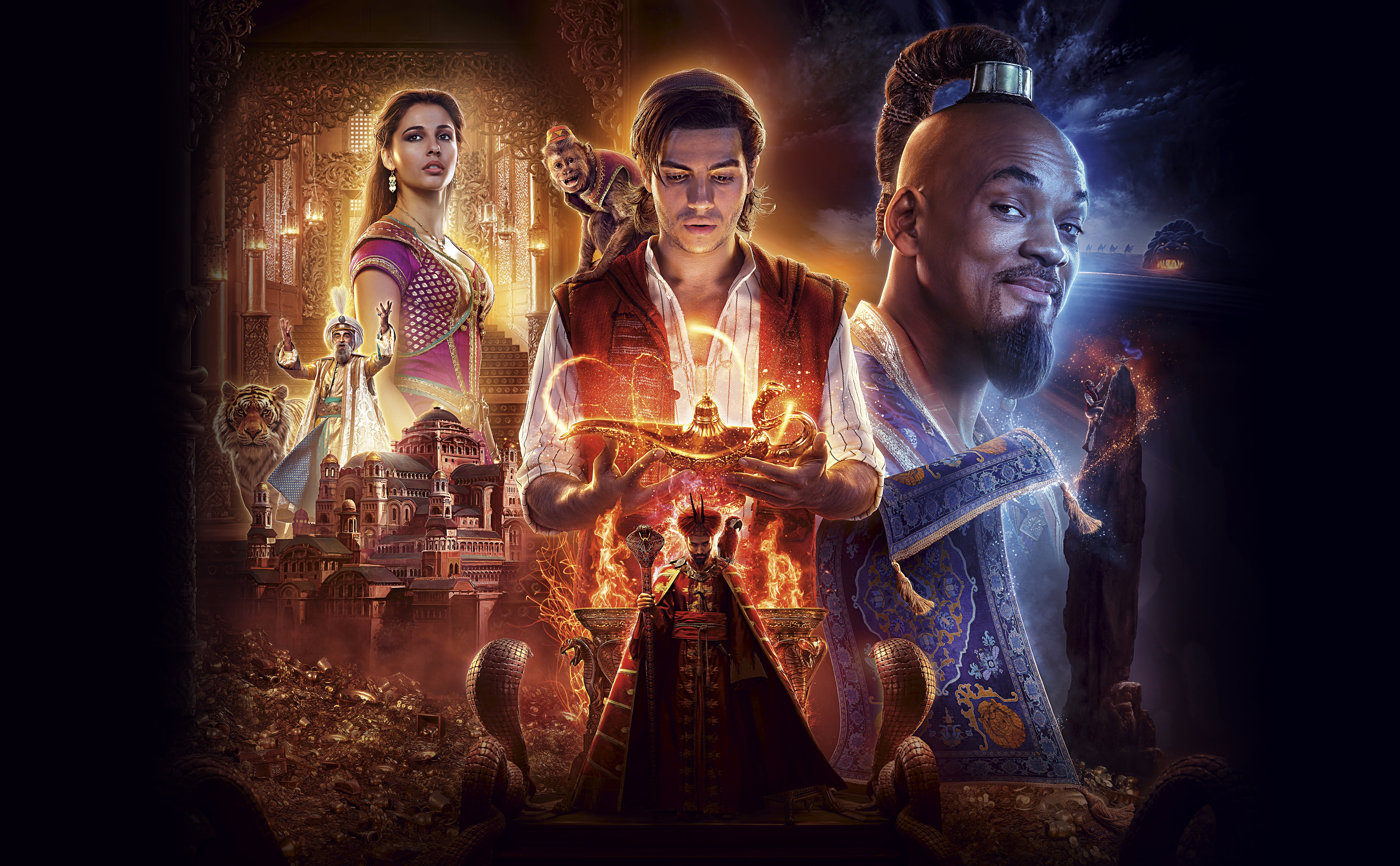
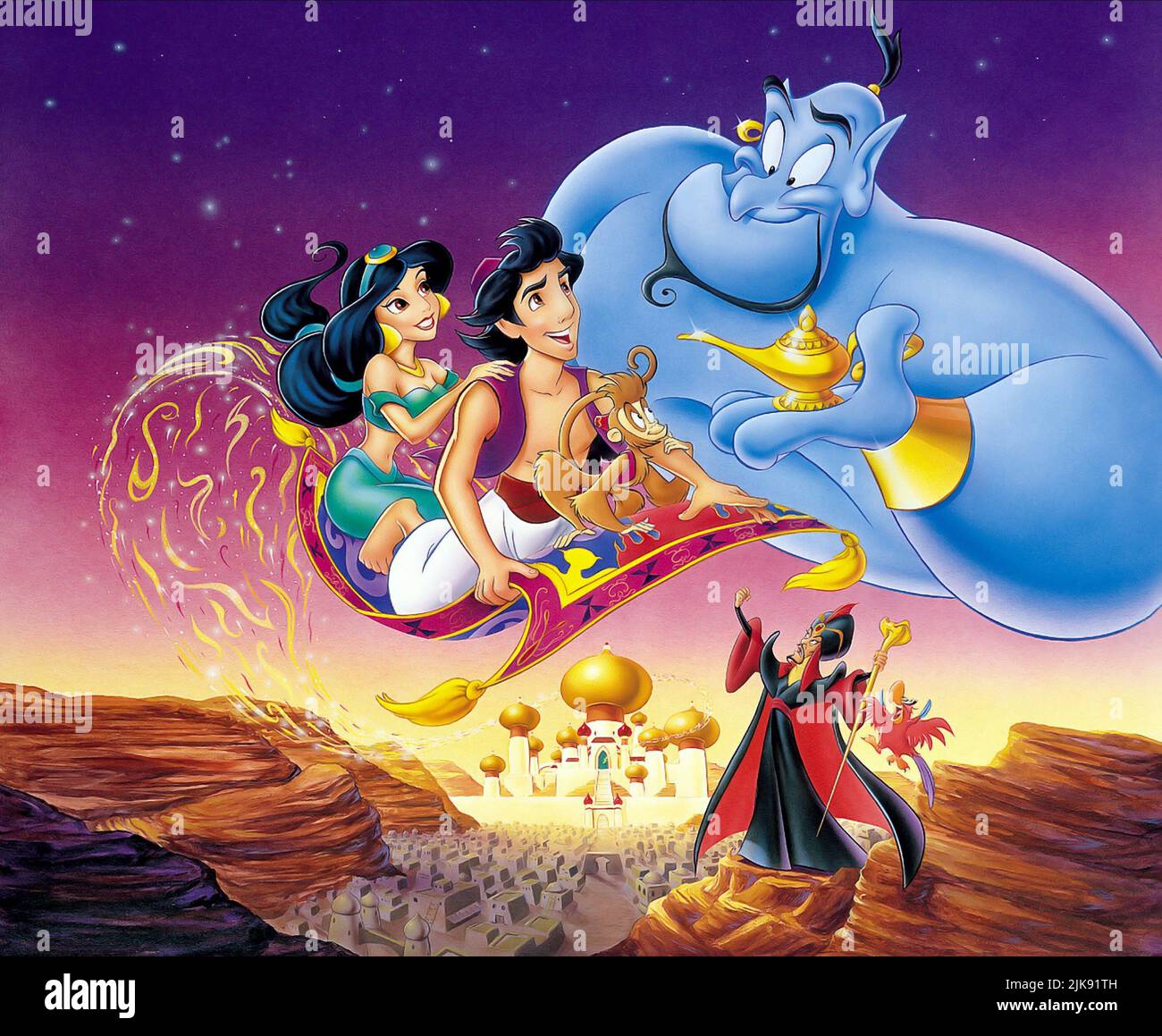
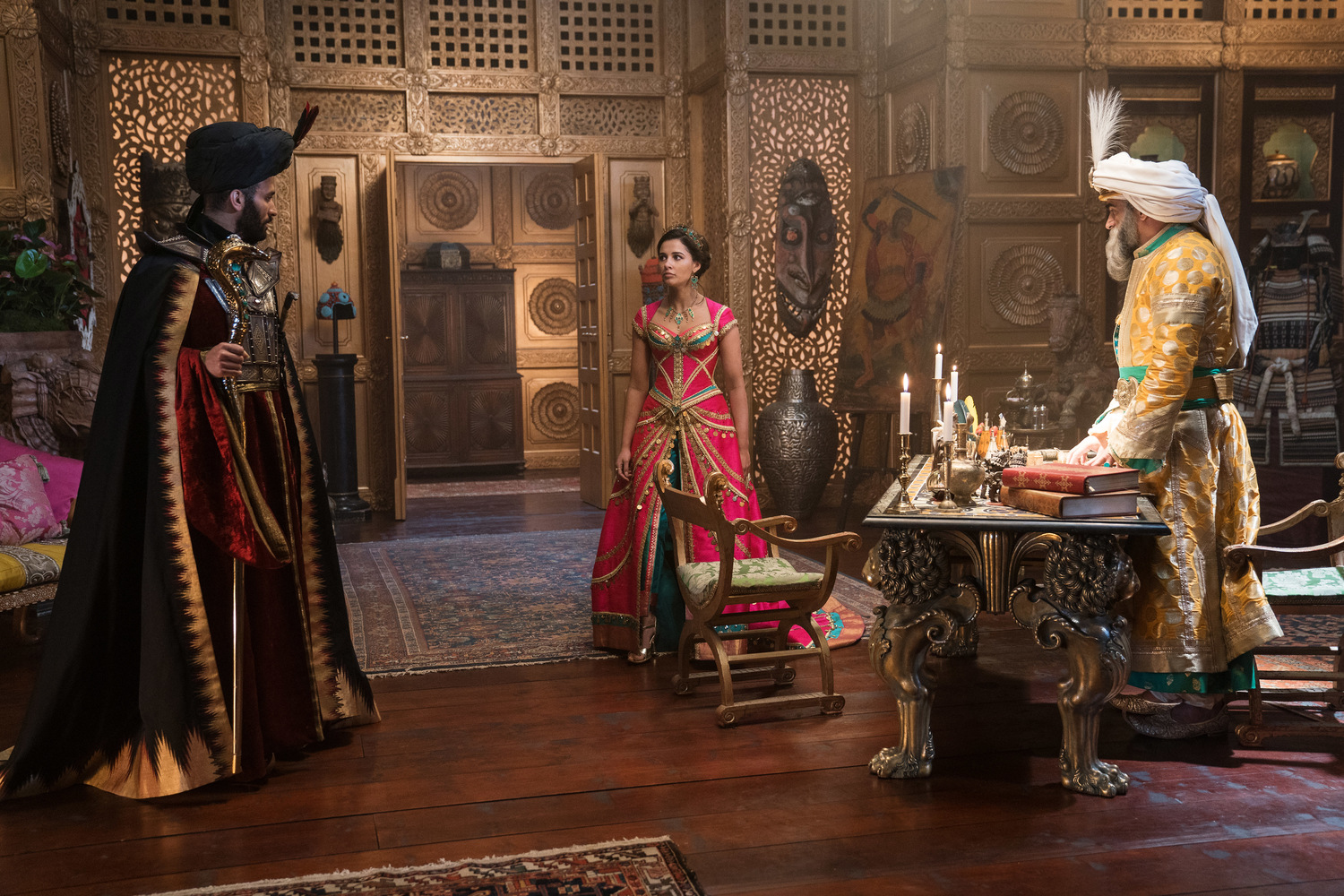
The 2019 live-action film Aladdin, directed by Guy Ritchie, reimagines Disney’s 1992 animated classic by introducing a nuanced, psychological reinterpretation of its primary antagonist, Jafar. Played by actor Marwan Kenzari, this version of the Royal Vizier shifts away from the gaunt, purely theatrical archetype of the original cartoon toward a younger, more ambitious strategist whose motivations mirror those of Aladdin himself, exploring themes of class mobility, trauma, and the corrupting nature of absolute power.
Introduction to the 2019 Reimagining of Jafar
When Walt Disney Studios announced plans to adapt their beloved 1992 animated masterpiece Aladdin into a live-action musical fantasy, fan anticipation and skepticism focused heavily on how the iconic villains and heroes would be translated to flesh and blood. Released in May 2019, Guy Ritchie’s adaptation grossed over one billion dollars worldwide, driven in large part by its bold choices in character development. Among these, the reimagining of Jafar stands as one of the most significant departures from the animated source material.
In the 1992 animated film, Jafar is presented as a tall, angular, middle-aged sorcerer characterized by a dry wit, a sinister cobra staff, and an insatiable lust for absolute authority over Agrabah. The 2019 film consciously subverts this visual and psychological shorthand. Marwan Kenzari portrays a Jafar who is younger, fiercely driven, and deeply shaped by his own impoverished past on the streets of foreign lands. This version of the character does not merely want to rule; he wants to erase his history of insignificance through militaristic conquest and absolute dominance. Understanding this character requires examining the cinematic context, the performance choices, the thematic parallels with the protagonist, and the critical reception that followed the film's theatrical release.
Character Conception and Casting Choices
The development of Jafar for the 2019 live-action film began with a mandate from the filmmakers to ground the magical realism of Agrabah in a believable geopolitical and social reality. Screenwriters John August and Guy Ritchie sought to give every major character a clear psychological motivation that went beyond simple cartoon villainy. For Jafar, this meant transforming him from a stereotypical mustache-twirling villain into a dark mirror of Aladdin.
Casting Marwan Kenzari was a pivotal step in this direction. Unlike Jonathan Freeman, who voiced the animated Jafar with operatic villainy and sophisticated menace, Kenzari brought a raw, intense physicality and a brooding emotionality to the role. The production design team, led by Gemma Jackson, paired this casting with a costume and makeup shift. Kenzari's Jafar wears tailored red and black military-style coats that evoke historical conquerors rather than traditional sorcerer robes. His beard is neatly trimmed, his hair is cropped, and his demeanor is outwardly composed, masking an internal volcanic rage born from years of perceived inadequacy and low social standing.
Comparative Analysis of Animated vs. Live-Action Jafar
To fully appreciate the narrative function of Jafar in the 2019 film, it is helpful to systematically compare his attributes against the 1992 animated original across key production and character dimensions.
| Feature Dimension | 1992 Animated Film (Voiced by Jonathan Freeman) | 2019 Live-Action Film (Portrayed by Marwan Kenzari) |
|---|---|---|
| Visual Archetype | Gaunt, tall, angular features; dramatic facial hair; traditional sorcerer robes. | Younger, physically fit; military-inspired coats; modern grooming and posture. |
| Primary Motivation | Pure lust for power and the desire to usurp Sultan Mahmud. | Overcoming a past of poverty, proving worth, and seeking geopolitical dominance over neighboring realms. |
| Relationship with Iago | Iago is a talkative, anthropomorphic sidekick who provides comedic relief and snark. | Iago is a more realistically rendered CGI parrot who acts primarily as a silent scout and observer. |
| Magical Progression | Relies on snake staff initially, gains cosmic power via the genie, transforms into a giant cobra. | Relies on political maneuvering, psychological manipulation, and eventually the lamp's cosmic power. |
| Thematic Mirror | Contrasts with Aladdin’s lighthearted charm through pure theatrical darkness. | Serves as a dark parallel to Aladdin, representing what Aladdin could become if consumed by ambition. |
Narrative Arc and Psychological Motivations
The plot of the 2019 Aladdin follows the broad strokes of the original narrative: a street thief named Aladdin falls in love with Princess Jasmine, crosses paths with the royal vizier Jafar, enters the Cave of Wonders, discovers a magical genie, and must ultimately outsmart the sorcerer to save Agrabah. However, Jafar’s journey within this structure is infused with explicit commentary on class systems and historical trauma.
Early in the film, Jafar reveals to Aladdin that he, too, was once a "rat of the streets" in a foreign land before clawing his way up through the military ranks of Agrabah. This shared background forms the core psychological tension of the story. While Aladdin learns to accept his intrinsic worth and values honesty, Jafar has internalized his poverty as a personal failure and a mandate to dominate others so that he can never be subjugated again. This motivation reframes his obsession with the Cave of Wonders and the Genie's lamp not merely as a quest for magic, but as the ultimate equalizer in a rigid feudal society where birthright dictates destiny.
Furthermore, Jafar's political ambitions extend beyond Agrabah itself. He explicitly threatens war against neighboring kingdoms, utilizing the Sultan's naive pacifism as a vulnerability. This geopolitical dimension transforms Jafar from a domestic usurper into an imperialist threat, elevating the stakes for Princess Jasmine, who spends a significant portion of the film fighting for her right to rule Agrabah based on competence rather than gender traditions.
The Role of Iago and Magical Transformation
In the 1992 animated classic, the dynamic between Jafar and his feathered companion Iago provided much of the film's dark humor. Comedian Gilbert Gottfried voiced Iago as an exasperated, loud-mouthed conspirator who frequently vented his frustrations with Jafar's slow-moving plans.
In the 2019 adaptation, this dynamic underwent a radical transformation to match the film's more grounded, realistic tone. Voiced by Alan Tudyk, Iago is physically modeled after a real scarlet macaw, functioning primarily as an animalistic spy rather than a conversational partner with human-level comedic timing. While Iago still speaks—providing intelligence on Aladdin's movements and alerting Jafar to key developments—the witty banter is largely absent. This change reinforces Jafar's isolated nature; he is a man who trusts no one, utilizing animals and magic as tools rather than forming genuine partnerships.
When Jafar finally acquires the magic lamp and forces the Genie to grant his wishes, his transformation retains the iconic magical beats while adapting to live-action visual effects. His rise to power—becoming the most powerful sorcerer in the world—is marked by grand magical displays within the palace throne room. However, the film omits his traditional transformation into a giant red cobra, opting instead for psychological disorientation and environmental manipulation, keeping the character grounded within Kenzari's physical performance for as long as possible before the ultimate cosmic confinement.
Critical Reception and Audience Impact
Upon its release, Marwan Kenzari’s portrayal of Jafar sparked vibrant discussions among critics, pop culture analysts, and long-time fans of Disney’s animated catalog. The reception was notably polarized, highlighting the challenges of translating animated villains into live-action cinema.
Praise for Nuance and Modernity
Many reviewers praised the film for attempting to humanize the villain, giving him a clear backstory that avoided one-dimensional evil. Critics noted that making Jafar a dark reflection of Aladdin added emotional weight to the final confrontation, grounding the magical battle in a clash of ideologies about identity, poverty, and power. The film's emphasis on Princess Jasmine's political agency also elevated Jafar's role; by threatening to subjugate her and rule Agrabah through forced marriage and military might, Jafar became a tangible symbol of patriarchal and autocratic oppression.
Critiques Regarding Menace and Presence
Conversely, a vocal segment of fans and film critics argued that this humanization stripped Jafar of his theatrical camp and iconic menace. In the animated film, Jonathan Freeman’s booming voice, arched eyebrows, and unapologetic delight in wickedness made Jafar a classic, memorable Disney villain. Some viewers felt that Kenzari’s brooding, restrained performance lacked the operatic scale and charismatic villainy that fans expected. Furthermore, because the film prioritized a more realistic aesthetic, the absence of Jafar's signature deadpan humor and expressive animated reactions left some audience members feeling that the character was overly subdued.
Frequently Asked Questions
Who played Jafar in the 2019 live-action Aladdin film?
Marwan Kenzari, a Dutch-Tunisian actor, portrayed Jafar in the 2019 live-action adaptation of Aladdin. He is known for his roles in films such as The Old Guard and Murder on the Orient Express.
How does the 2019 live-action Jafar differ from the 1992 animated version?
The 2019 Jafar is younger, more emotionally restrained, and possesses a background as a former street rat who climbed military ranks. Unlike the gaunt, comical sorcerer of the 1992 cartoon who enjoyed theatrical villainy, the live-action Jafar serves as a dark psychological mirror to Aladdin, driven by a fear of past poverty and a desire for imperial conquest.
Does Jafar turn into a snake in the 2019 movie?
No, the 2019 live-action film omits Jafar's iconic transformation into a giant cobra. While he uses the Genie's magic to seize power and banish Aladdin, his physical form remains human throughout the film, aligning with the adaptation's more grounded aesthetic choices.
Who voices Iago the parrot in the 2019 Aladdin movie?
Alan Tudyk voices Iago in the 2019 adaptation. Unlike the chatty, comedic human-voiced sidekick of the 1992 animated film, this version of Iago behaves more like a realistic bird while retaining limited speech to serve as Jafar's scout.
Why did the filmmakers change Jafar’s backstory in the live-action adaptation?
The filmmakers altered Jafar's backstory to create a thematic parallel with Aladdin. By showing that both men originated in poverty but chose different paths—Aladdin choosing integrity and selflessness, while Jafar chose ruthlessness and domination—the narrative gained deeper emotional resonance.
Conclusion and Final Perspective
The portrayal of Jafar in the 2019 live-action Aladdin represents a fascinating case study in cinematic adaptation. By trading operatic cartoon villainy for a grounded, psychologically complex study of ambition and trauma, Guy Ritchie's film offered a fresh interpretation of a classic antagonist. While this shift generated debate among purists who missed the theatrical camp of the 1992 original, it successfully provided a thematic foil for Aladdin's own journey from the streets to self-acceptance. For viewers revisiting the film or exploring its production history, Jafar remains a compelling example of how modern blockbuster adaptations reinterpret classic animated archetypes for contemporary audiences.