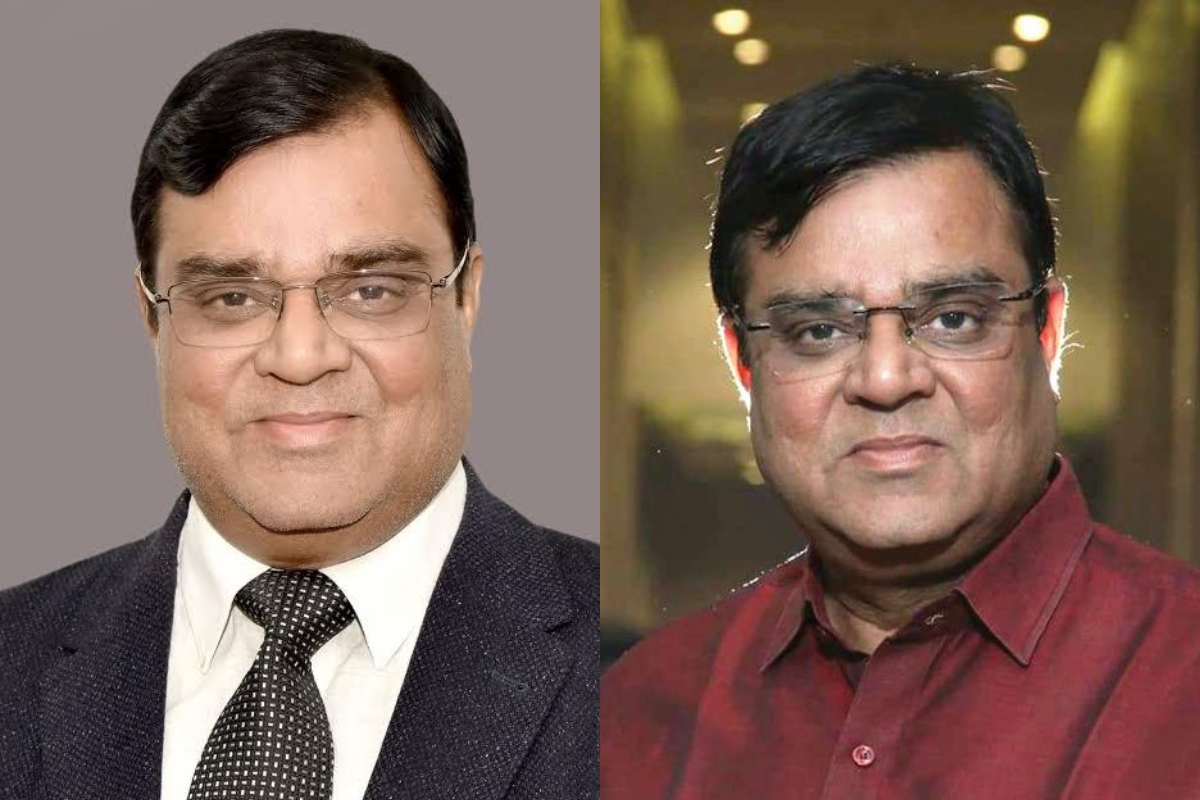
As of 2026, Ajei Gopal’s net worth is estimated to be between $250 million and $350 million. This valuation is primarily driven by his long tenure as the President and CEO of Ansys, Inc., and includes significant equity holdings, performance-based stock vestings, and historical compensation from previous executive roles at IBM, CA Technologies, and Symantec.
Ajei Gopal has long been recognized as one of the most effective leaders in the engineering simulation software industry. Since taking the helm of Ansys in early 2017, he has overseen a period of massive expansion, culminating in the landmark acquisition of Ansys by Synopsys. To understand his net worth, one must look beyond a simple salary figure and examine the complex structure of executive equity, the performance of the NASDAQ-listed Ansys (ANSS) stock, and the financial implications of one of the largest software mergers in recent history.
The Professional Foundation: Career Trajectory and Wealth Accumulation
Ajei Gopal’s path to a multi-hundred-million-dollar net worth began long before his arrival at Ansys. His career is a blueprint for high-level executive success in the technology sector. After earning his PhD in Computer Science from Cornell University, Gopal spent several years at IBM in various research and management roles. His time at IBM provided not only a technical foundation but also the initial entry into high-level corporate compensation structures.
Following IBM, Gopal served as the CEO of a startup and later held senior vice president roles at CA Technologies and Symantec. These positions are typically characterized by "total reward" packages that include base salaries in the mid-six figures, combined with millions in restricted stock units (RSUs). By the time he joined Silver Lake Partners as an operating partner in 2013, Gopal was already a wealthy individual with a deep understanding of how private equity and corporate governance drive value.
However, the most significant leap in his personal wealth occurred when he returned to Ansys—where he had previously served as a board member—to take over as CEO. Under his leadership, Ansys moved from a niche engineering tool provider to a cornerstone of the global "digital twin" and simulation economy.
The Ansys Compensation Structure: Salary vs. Equity
To explain Ajei Gopal's net worth, we must dissect how a CEO of a S&P 500 company is actually paid. For leaders like Gopal, the base salary is often the smallest component of their annual earnings.
Base Salary and Cash Incentives
For the past several years, Gopal’s base salary has hovered around the $1 million mark. While substantial, this cash component is supplemented by an Annual Incentive Plan (AIP). The AIP is a performance-based cash bonus tied to company-wide goals such as non-GAAP revenue growth and operating margins. In high-performance years, these bonuses can double his cash take-home pay.
Long-Term Equity Incentives (LTIs)
The overwhelming majority of Gopal's wealth is tied to Long-Term Incentives, primarily in the form of:
- Performance Stock Units (PSUs): These are shares that only vest if Ansys hits specific three-year financial targets, such as Total Shareholder Return (TSR) relative to the software index.
- Restricted Stock Units (RSUs): These are time-based grants that vest over a period of three to four years, ensuring executive retention.
According to Ansys Proxy Statements, Gopal has frequently received annual equity grants valued between $15 million and $20 million. Because he has held these shares during periods of significant stock price appreciation, the realized value upon vesting has often been much higher than the grant-date value.
The Impact of the Synopsys Acquisition
The single most consequential event for Ajei Gopal’s net worth in recent years was the acquisition of Ansys by Synopsys, announced in early 2024 and finalized in 2025. The deal, valued at approximately $35 billion, was structured as a mix of cash and Synopsys stock.
Stock Conversion and Liquidity
Under the terms of the merger, Ansys shareholders received $197.00 in cash and 0.3450 shares of Synopsys common stock for each Ansys share. For an executive like Gopal, who held hundreds of thousands of shares (both directly and through unvested grants), this triggered a massive liquidity event.
"Change in Control" Provisions
Standard executive contracts include "Change in Control" (CIC) agreements. These are designed to protect executives during a merger. For Gopal, the merger likely triggered the "double-trigger" acceleration of unvested equity. This means that if his role was eliminated or significantly altered following the Synopsys acquisition, his remaining unvested stock units would vest immediately. This "golden parachute," while controversial among some activist investors, is a standard component of SEC-regulated compensation and significantly bolstered his net worth during the transition period into 2026.
Calculating the Estimated Net Worth
Determining the exact net worth of a private individual involves some estimation, but for public company CEOs, the data is highly transparent due to SEC Form 4 filings. These filings track every time an executive buys or sells shares.
As of the last major filings before the full integration with Synopsys, Gopal held a direct interest in over 150,000 shares of Ansys. At a valuation of roughly $330-$350 per share (the approximate deal value), his direct holdings alone were worth over $50 million. When adding in years of previous stock sales, diversified investments, and the premium paid during the acquisition, the $250 million to $350 million range becomes the most statistically likely estimate.
Historical Compensation Overview (2021–2025)
| Year | Base Salary | Stock Awards | All Other Comp | Total Reported |
|---|---|---|---|---|
| 2021 | $950,000 | $15,200,000 | $285,000 | $16,435,000 |
| 2022 | $1,000,000 | $17,500,000 | $310,000 | $18,810,000 |
| 2023 | $1,100,000 | $19,200,000 | $340,000 | $20,640,000 |
| 2024 | $1,150,000 | $22,000,000* | $450,000 | $23,600,000 |
| 2025 | $1,200,000 | Variable (Merger) | N/A | Variable |
*Note: 2024 figures include special grants related to the merger transition period.
The Role of Simulation Software in Wealth Creation
To understand why Gopal was compensated so highly, one must understand the value he created for Ansys. During his tenure, simulation software moved from a "nice-to-have" for mechanical engineers to a "must-have" for the entire tech ecosystem.
- Electric Vehicles (EVs): Ansys tools are used to simulate battery thermal management and electromagnetic interference, shaving years off development cycles for companies like Tesla and Rivian.
- 5G and Semiconductors: As chips became smaller and more complex, the physics of heat and electricity became harder to manage. Ansys’s acquisition of companies like Helico under Gopal’s leadership made them indispensable to the semiconductor industry.
- Sustainability: Companies use Ansys to reduce material waste and optimize energy efficiency, aligning with global ESG (Environmental, Social, and Governance) trends.
This strategic pivot allowed Ansys to maintain high margins and a "sticky" customer base, which in turn drove the stock price higher, directly benefiting Gopal’s equity-heavy compensation package.
Investment Philosophy and Diversification
While the bulk of Gopal's wealth is rooted in Ansys and now Synopsys equity, high-net-worth individuals at this level typically diversify their portfolios. This often includes:
- Real Estate: High-value properties in tech hubs like Pittsburgh (Ansys HQ) and Silicon Valley.
- Private Equity: Given his background with Silver Lake, it is highly probable that Gopal maintains interests in private equity funds or venture capital as a Limited Partner (LP).
- Philanthropy: Many tech executives establish family foundations or Donor-Advised Funds (DAFs) for tax optimization and charitable giving, which can influence the "liquid" portion of their net worth.
Common Misconceptions About CEO Net Worth
When discussing "Ajei Gopal’s net worth explained," it is important to clarify a few points that the general public often misunderstands:
- Net Worth vs. Cash in Bank: A $300 million net worth does not mean Gopal has $300 million in a checking account. Most of this is "paper wealth" tied up in stock that is subject to market volatility.
- Taxation: When Gopal sells shares or when RSUs vest, he is subject to significant taxation. In the United States, the top federal income tax rate combined with capital gains taxes and state taxes (depending on residency) can claim nearly 40-50% of the total value of these awards.
- SEC Restrictions: He cannot sell his shares at will. He must follow "Rule 10b5-1" trading plans, which schedule sales months in advance to avoid any appearance of insider trading.
Frequently Asked Questions
Is Ajei Gopal still the CEO of Ansys in 2026?
Following the completion of the Synopsys acquisition in 2025, the corporate structure changed. While Gopal was instrumental in the transition, many CEOs move into advisory roles or board positions within the parent company (Synopsys) following such a large merger. His current role reflects a leadership position within the integrated simulation division of Synopsys.
How did the Synopsys deal change his net worth?
The deal provided a "cash-out" opportunity for a portion of his holdings (at $197 per share) while converting the remainder into Synopsys stock. Because Synopsys is a leader in Electronic Design Automation (EDA), the long-term value of his converted shares remains tied to the continued growth of the semiconductor industry.
What is Ajei Gopal’s educational background?
Ajei Gopal holds a Bachelor of Technology degree from the Indian Institute of Technology (IIT), Bombay, and a PhD in Computer Science from Cornell University. This technical pedigree is a key reason why he was able to lead a highly specialized engineering software company like Ansys effectively.
How does Ajei Gopal’s net worth compare to other tech CEOs?
While $300 million is an extraordinary amount of wealth, it is relatively modest compared to founders like Mark Zuckerberg or Elon Musk. However, among "professional" (non-founder) CEOs in the software industry, Gopal’s net worth sits in the top tier, reflecting the high value placed on specialized technical leadership.
Where can I find official records of his stock holdings?
All stock transactions for Ajei Gopal are publicly available through the SEC’s EDGAR database. You can search for "Ansys, Inc." or "Synopsys, Inc." to see Form 4 filings associated with his name.
Final Thoughts and Next Steps
Ajei Gopal’s financial success is a direct reflection of the "Simulation Revolution" he helped lead. By transforming Ansys into a multi-physics powerhouse and navigating a complex $35 billion exit, he solidified his place among the most successful tech executives of his generation.
For those looking to track his financial moves further, the best course of action is to monitor Synopsys (SNPS) investor relations and SEC filings. As the integration of Ansys continues through 2026, these documents will reveal the final vesting schedules and any new equity grants awarded in his capacity within the new corporate structure.
Financial Disclosure: This article is for informational purposes only and does not constitute financial, legal, or investment advice. Net worth estimates are based on publicly available data, SEC filings, and market valuations which are subject to change. Readers should consult with a certified financial planner or investment advisor before making financial decisions based on the wealth profiles of corporate executives.