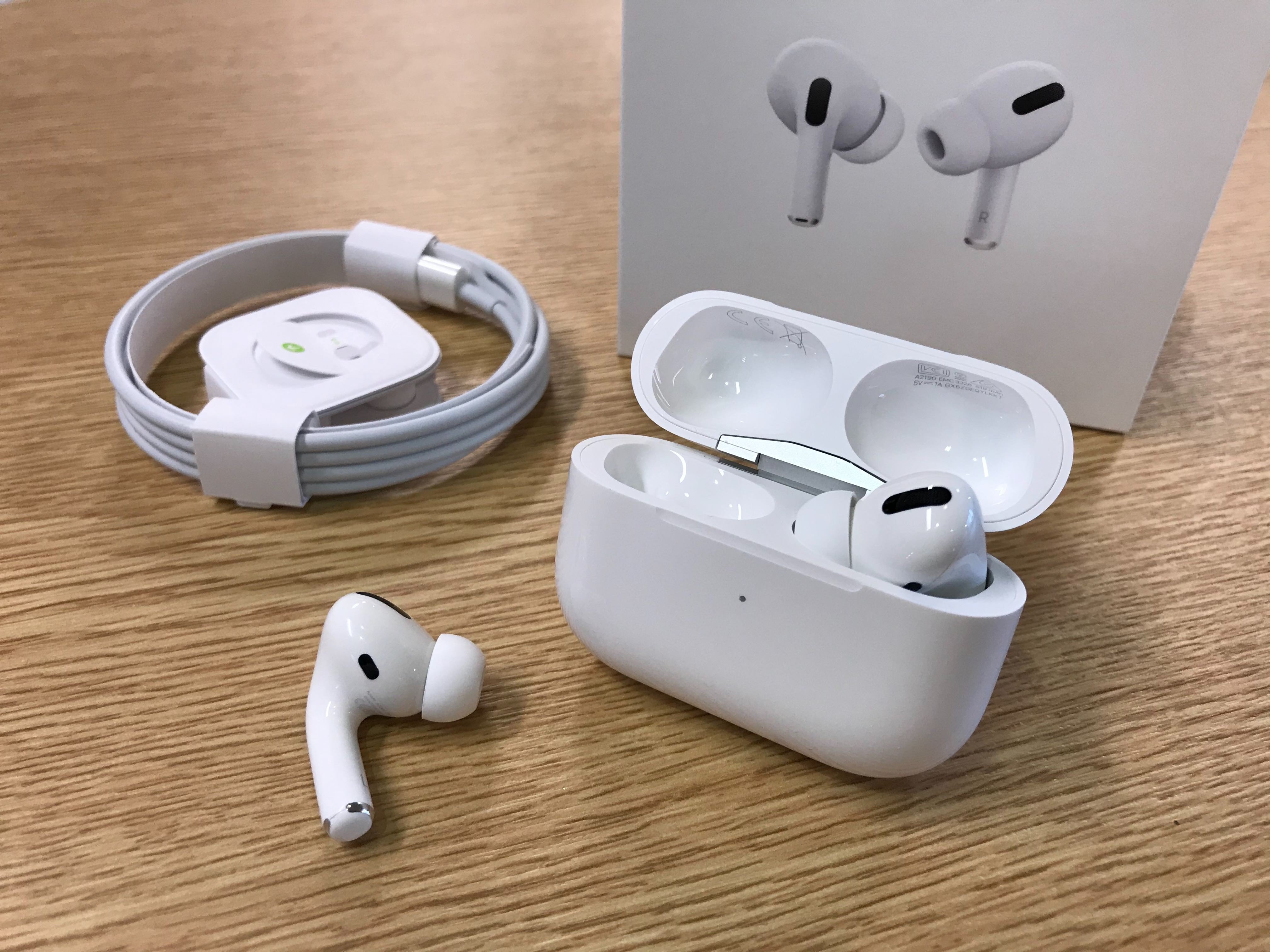
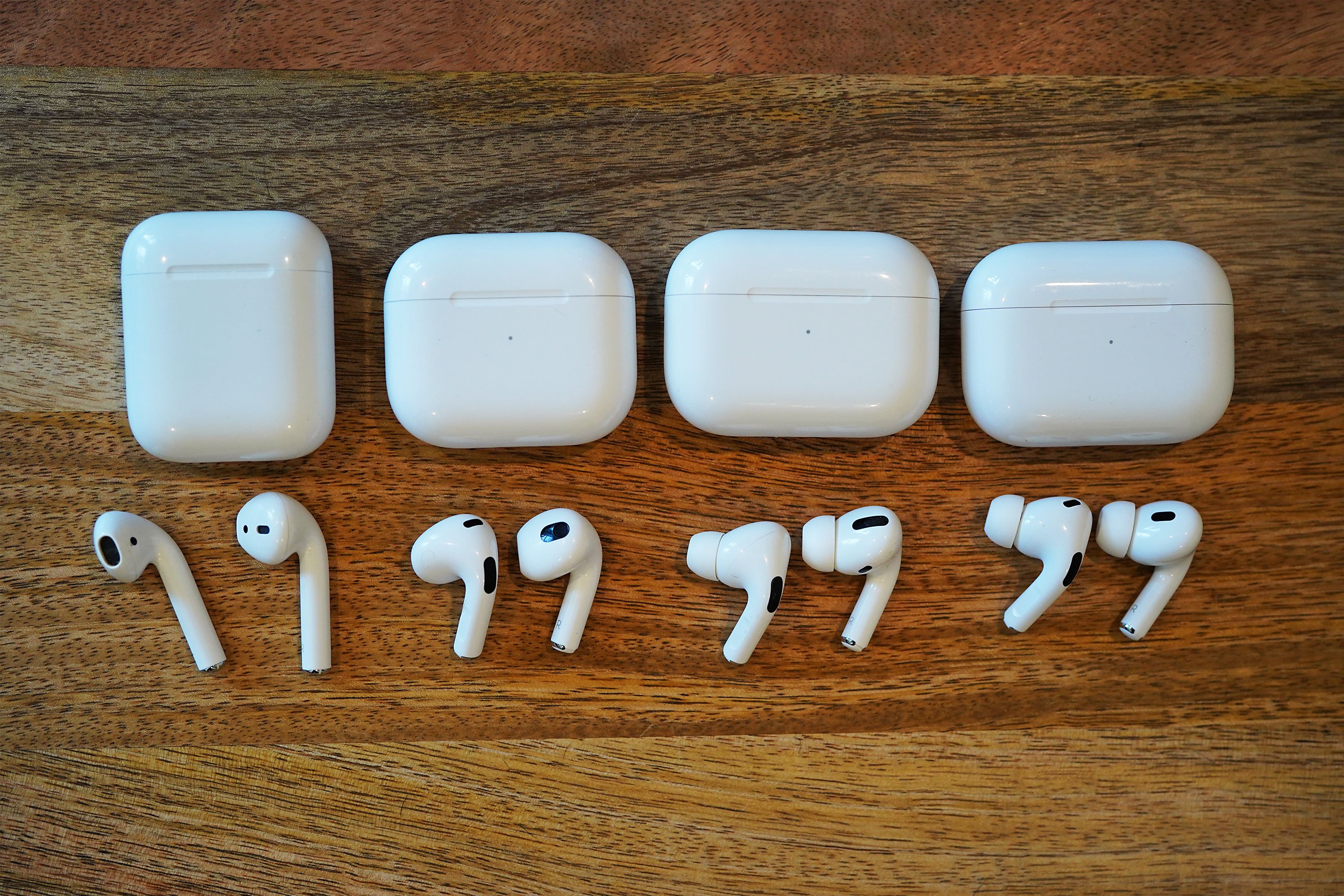
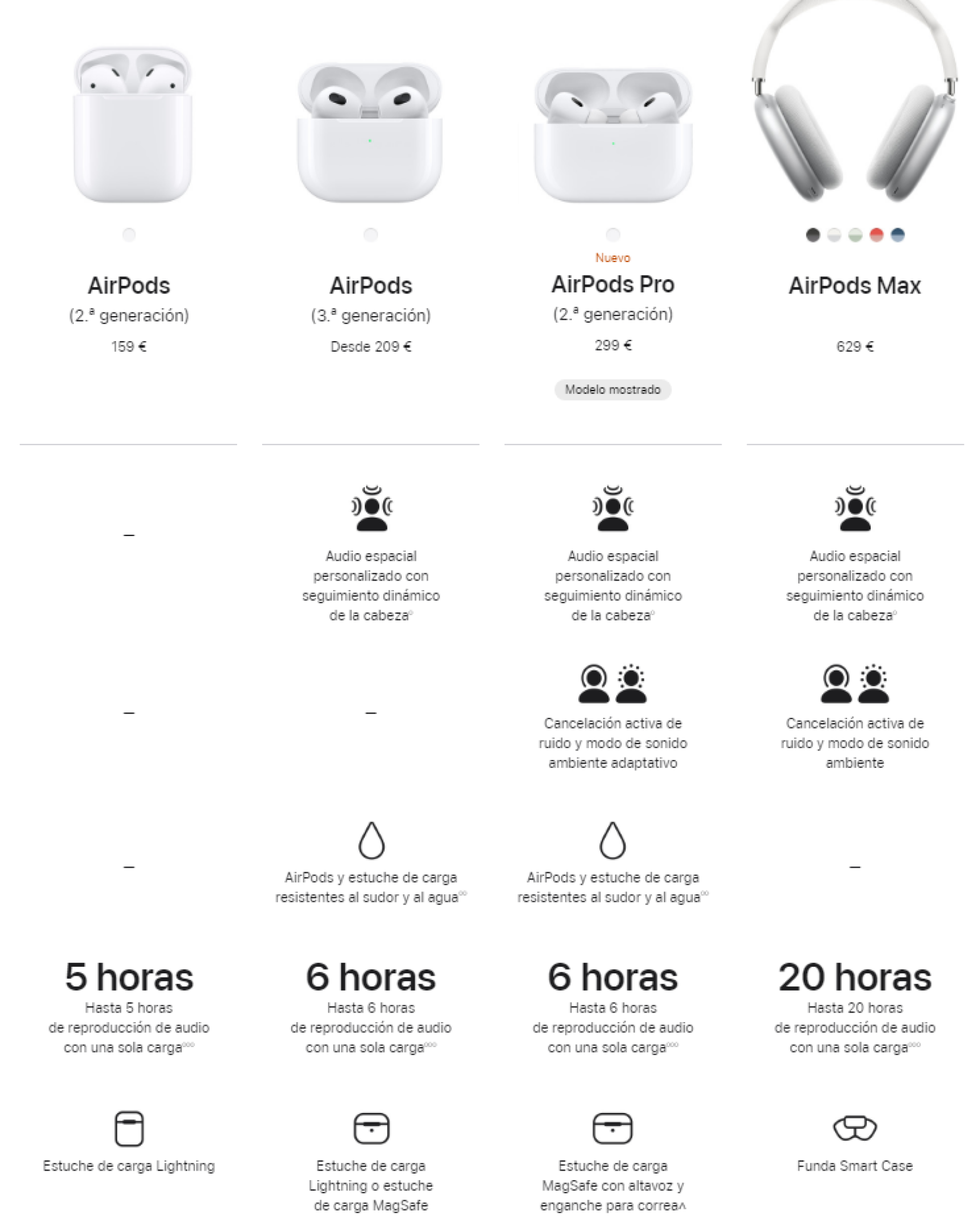
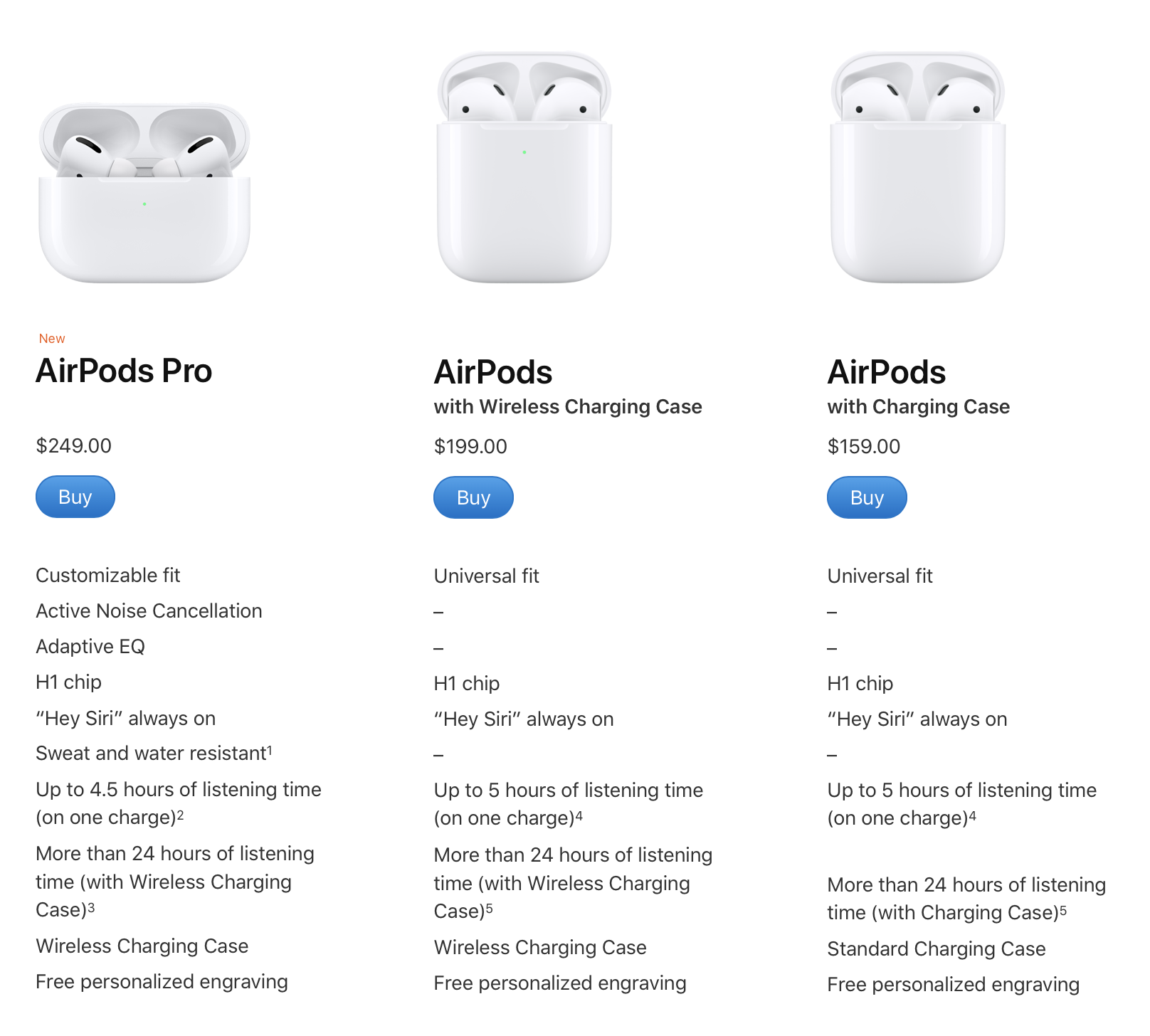
Choosing between the AirPods Pro 2 and the AirPods 3rd Generation depends primarily on your need for Active Noise Cancellation and your preference for ear tip fit. The AirPods Pro 2 offers industry-leading noise isolation and advanced H2-powered features, while the AirPods 3rd Gen provides a comfortable "open" design without silicone tips.
Understanding the Fundamental Differences in Design and Ergonomics
The most immediate distinction between the AirPods Pro 2 and the AirPods 3rd Gen lies in their physical architecture. The AirPods Pro 2 utilizes an in-ear design, which relies on silicone ear tips to create a physical seal within the ear canal. This seal is the foundation for its acoustic performance, particularly in terms of bass response and noise isolation. To accommodate a wider range of users, Apple includes four sizes of silicone tips (XS, S, M, and L) with the Pro 2, ensuring that even those with smaller ear canals can find a secure fit.
Conversely, the AirPods 3rd Generation features an "open-ear" or "contoured" design. It sits just outside the ear canal, similar to the original AirPods but with a more ergonomic, bulbous shape intended to funnel sound more effectively. This design is preferred by users who find silicone tips uncomfortable or who experience a "plugged-up" sensation (the occlusion effect) when using in-ear monitors. Because there is no seal, the 3rd Gen allows more ambient noise to enter naturally, which is a benefit for those who want to remain aware of their surroundings without using electronic transparency modes.
From a weight and size perspective, both models are incredibly portable. The stems on both are significantly shorter than the first two generations of AirPods, giving them a modern, streamlined look. However, the Pro 2 case is slightly wider and heavier due to the additional battery capacity and the specialized hardware required for its advanced tracking features.
The Power of the H2 Chip vs. the H1 Chip
The internal processing power represents the most significant technical divide between these two models. The AirPods Pro 2 is powered by the H2 chip, which Apple designed specifically to handle high-bandwidth audio and complex computational tasks in real-time. This chip allows for twice the noise cancellation capability compared to the original AirPods Pro and facilitates "Adaptive Audio," a feature that dynamically blends Transparency mode and Active Noise Cancellation (ANC) based on the wearer's environment.
The AirPods 3rd Generation utilizes the older H1 chip. While the H1 is still a highly capable processor—offering fast device switching, "Hey Siri" support, and low-latency connections—it lacks the computational overhead required for advanced noise management. In 2026, the H2 chip remains the gold standard for Apple’s wireless audio, providing a more future-proof experience as iOS updates continue to introduce more sophisticated audio processing features.
The H2 chip also enables a more efficient power management system and improved Bluetooth 5.3 connectivity, which offers better stability and potential for future LE Audio support. The H1 chip in the 3rd Gen utilizes Bluetooth 5.0, which is perfectly functional for standard streaming but lacks the efficiency and bandwidth found in the Pro 2's hardware.
Active Noise Cancellation and Transparency Modes
Active Noise Cancellation (ANC) is the headline feature of the AirPods Pro 2. Using outward-facing and inward-facing microphones, the H2 chip analyzes environmental noise at a rate of 48,000 times per second to create anti-noise that cancels out sounds like airplane engines, HVAC systems, and city traffic. In 2026, the Pro 2 remains one of the most effective tools for focus and travel, offering a "silent" bubble that the AirPods 3rd Gen simply cannot replicate.
The AirPods 3rd Gen does not have ANC. Because it lacks a physical seal, implementing ANC would be largely ineffective, as external sound would simply leak around the earbud. This makes the 3rd Gen less ideal for commuters or office workers who need to drown out distractions.
Furthermore, the Pro 2 features Transparency Mode and Adaptive Audio. Transparency mode uses the microphones to let outside sound in, making it feel as if you aren't wearing headphones at all. The Pro 2 takes this further with "Loud Noise Reduction," which filters out sudden, jarring sounds (like a siren or a construction drill) while still letting you hear a conversation. The AirPods 3rd Gen provides a "natural" transparency simply because it doesn't seal the ear, but it cannot electronically amplify or filter external sounds.
Audio Quality and Spatial Audio Performance
While both models support Apple’s Spatial Audio with Dynamic Head Tracking, the listening experience differs due to the hardware. Spatial Audio creates a three-dimensional soundstage, making music and movies feel as though the sound is coming from all around you. Both models can also utilize "Personalized Spatial Audio," which uses the TrueDepth camera on an iPhone to map your ear shape and customize the sound profile.
However, the AirPods Pro 2 produces a richer, more detailed sound profile. The combination of the H2 chip and a custom-built low-distortion driver results in deeper bass and clearer high frequencies. The physical seal created by the silicone tips is crucial here; it prevents the "leakage" of low-end frequencies, ensuring that the bass is punchy and resonant.
The AirPods 3rd Gen utilizes a custom driver and amplifier that deliver impressive sound for an open-ear design, but it cannot compete with the Pro 2's low-end extension. In quiet environments, the 3rd Gen sounds airy and wide, which some listeners prefer for acoustic or vocal-heavy tracks. However, in noisy environments, the lack of isolation causes the audio to lose its "fullness," as the user often has to increase the volume to compete with ambient noise, which can lead to distortion or ear fatigue.
Battery Life and Charging Capabilities
Battery performance is a critical factor for daily users. As of 2026, both models offer excellent longevity, but there are nuances in how they reach their totals.
- AirPods Pro 2: Offers up to 6 hours of listening time on a single charge with ANC enabled. With the charging case, the total listening time extends to 30 hours.
- AirPods 3rd Gen: Offers up to 6 hours of listening time on a single charge. With the charging case, the total listening time is also 30 hours.
While the raw numbers look similar, the Pro 2 is arguably more impressive because it achieves the 6-hour mark while simultaneously running the power-intensive ANC and H2 processing. The Pro 2 also has an advantage in charging versatility. Its MagSafe Charging Case (updated to USB-C in late 2023) can be charged via a USB-C cable, MagSafe chargers, Qi-certified charging mats, and even an Apple Watch charger. The AirPods 3rd Gen case supports Lightning or MagSafe (depending on the specific version purchased), but it generally lacks the ability to charge via the Apple Watch puck.
Comparison of Key Specifications
| Feature | AirPods Pro 2 (USB-C/2026 Status) | AirPods 3rd Generation |
|---|---|---|
| Processor | Apple H2 Chip | Apple H1 Chip |
| Noise Cancellation | Active Noise Cancellation & Adaptive Audio | None |
| Transparency Mode | Advanced (with Loud Noise Reduction) | Natural (due to open design) |
| Ear Tip Design | In-ear (4 sizes of silicone tips) | Open-ear (contoured) |
| Audio Features | Personalized Spatial Audio, Adaptive EQ | Personalized Spatial Audio, Adaptive EQ |
| Microphones | Dual beamforming, Inward-facing | Dual beamforming, Inward-facing |
| Controls | Touch (Volume swipe) & Force Sensor | Force Sensor Only |
| Water Resistance | IP54 (Dust, Sweat, and Water) | IPX4 (Sweat and Water) |
| Case Features | Speaker, U1/U2 Chip, Lanyard Loop | Standard MagSafe / Lightning |
| Charging Port | USB-C | Lightning or USB-C (model dependent) |
The "Find My" Ecosystem and Case Innovations
Apple has invested significantly in making the AirPods Pro 2 harder to lose. The Pro 2 case includes a U1 or U2 chip (depending on the specific production run) for "Precision Finding." This allows users with an iPhone to see exactly how many feet away the case is and receive directional arrows pointing toward it. The Pro 2 case also features a built-in speaker that can emit a loud chime, making it much easier to locate when buried under couch cushions or lost in a bag.
The AirPods 3rd Gen case supports basic "Find My" tracking, which shows the last known location on a map, but it lacks the Precision Finding and the built-in speaker. For users who frequently misplace their belongings, the enhanced tracking capabilities of the Pro 2 represent a significant quality-of-life improvement.
Additionally, the Pro 2 case includes a physical lanyard loop integrated into the chassis. While a small detail, it highlights the Pro 2's positioning as a premium travel companion that is intended to be easily accessible and securely attached to personal items.
On-Device Controls: The Volume Swipe
Control schemes differ slightly but meaningfully. Both models use a "Force Sensor" located in the stem. A single squeeze plays or pauses music, a double squeeze skips forward, and a triple squeeze skips back. On the Pro 2, a long press toggles between ANC and Transparency modes.
The unique advantage of the AirPods Pro 2 is the Touch Control for volume. By lightly swiping up or down on the stem's indentation, users can adjust the volume without reaching for their iPhone or Apple Watch. The AirPods 3rd Gen lacks this touch-sensitive layer; to change the volume, users must use Siri or their playback device. In daily use, the ability to swipe for volume is one of the Pro 2’s most appreciated features, offering a level of independence from the phone that the 3rd Gen lacks.
Durability and Environmental Resistance
Both the AirPods Pro 2 and the AirPods 3rd Gen are built to withstand active lifestyles. Both the earbuds and their respective charging cases are rated for sweat and water resistance. However, the Pro 2 carries an IP54 rating, which specifically includes dust resistance alongside water resistance. The AirPods 3rd Gen typically carries an IPX4 rating, focusing primarily on liquid splashes.
For users who take their earbuds to the beach, on dusty hiking trails, or into intense gym environments, the added dust resistance of the Pro 2 provides an extra layer of peace of mind. Both models are robust enough for rainy commutes, but neither is designed for swimming or total submersion.
Frequently Asked Questions
Do the AirPods 3rd Gen stay in your ears better than the Pro 2?
Fit is entirely subjective. The AirPods 3rd Gen relies on the shape of your outer ear (the concha) for stability. If your ear matches the Apple "average," they stay in very well. However, because the AirPods Pro 2 use silicone tips that expand slightly against the ear canal, they generally provide a more secure fit for vigorous activities like running or jumping. If you find that one size of tip doesn't work, you have three other options with the Pro 2, whereas the 3rd Gen has no adjustable fit components.
Is the sound quality significantly better on the Pro 2?
Yes, for most listeners. The Pro 2's H2 chip and sealed design allow for a higher dynamic range and more precise bass. While the 3rd Gen sounds excellent for "open" earbuds, it cannot match the depth and immersion provided by the Pro 2’s noise-isolated environment. The difference is most noticeable in loud areas where the Pro 2 can block out the world, allowing the music’s details to shine through.
Can I use the AirPods Pro 2 tips on the 3rd Gen?
No. The AirPods 3rd Gen is not designed to take ear tips. The speaker grille is shaped differently and lacks the mounting points required to secure silicone tips. Attempting to force tips onto the 3rd Gen would likely block the acoustic vents and degrade sound quality significantly.
Does the AirPods Pro 2 work better with non-Apple devices?
Both models function as standard Bluetooth headphones when paired with Android or Windows devices. However, you will lose almost all the "magic" features, including automatic device switching, "Hey Siri," and Precision Finding. On Android, the Pro 2's ANC and Transparency modes still work via the stem controls, but you cannot customize them or update the firmware without an iOS device.
Which model is better for phone calls?
The AirPods Pro 2 generally performs better for phone calls in noisy environments. While both have excellent beamforming microphones, the H2 chip in the Pro 2 is more effective at isolating your voice and suppressing background chatter or wind noise. In a quiet room, the call quality is nearly identical, but the Pro 2's ability to "clean" the audio makes it superior for professional use on the go.
Final Recommendation: Which Should You Choose in 2026?
As we look at the landscape in 2026, the AirPods Pro 2 remains the superior choice for the vast majority of users. The combination of Active Noise Cancellation, the volume swipe gesture, and the enhanced Find My capabilities in the case justifies the higher price point. It is a versatile tool that excels in travel, work-from-home setups, and fitness.
The AirPods 3rd Generation should be your choice only if you have a specific aversion to in-ear silicone tips or if you are on a stricter budget and primarily use your earbuds in quiet environments. It offers the core Apple ecosystem benefits—fast pairing and Spatial Audio—at a lower cost, but it lacks the transformative "quiet" that defines the Pro experience.
For more information on firmware updates or to check compatibility with your specific device, you can visit the Official Apple Support page or view technical specifications on the Apple Newsroom.