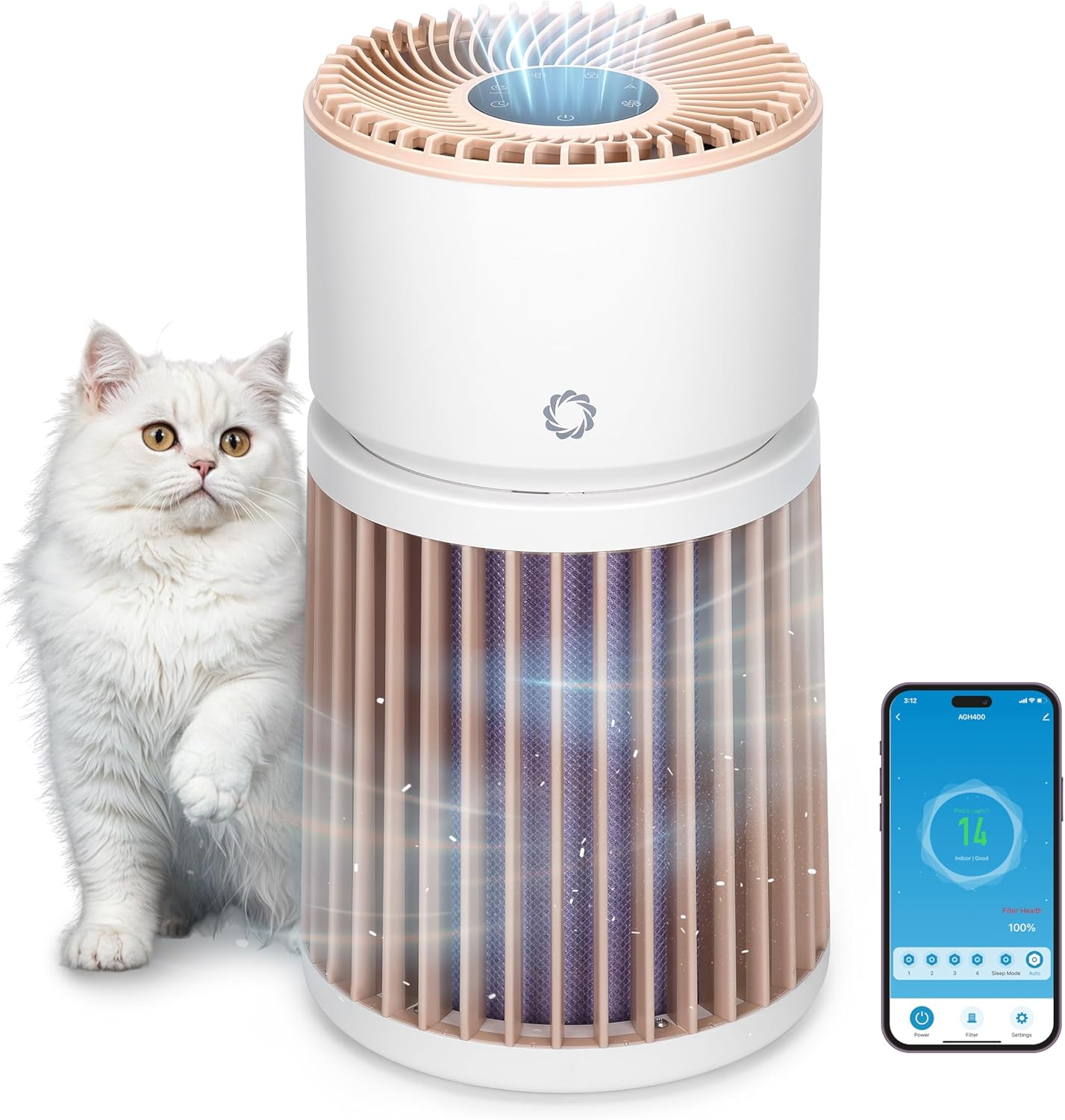
Air purifiers for pets help capture floating pet hair, dander, heavy odors, and allergens using multi-stage filtration systems featuring True HEPA filters and activated carbon. Selecting the right unit requires evaluating pet-specific factors such as shedding volume, dander production, room square footage, noise levels, and replacement filter maintenance costs to maintain a healthy indoor environment.
Understanding Pet Air Pollution: Dander, Hair, and Odors
Living with dogs, cats, birds, and other animals brings joy, but it also introduces unique indoor air quality challenges. While many homeowners focus on outdoor pollution, indoor air can trap pet-related contaminants that circulate continuously through HVAC systems. Recognizing the specific types of pollutants pets generate is the first step toward choosing an effective air treatment strategy.
Pet Dander and Microscopic Allergens
Pet dander consists of microscopic flecks of skin shed by animals with fur, hair, or feathers. Because these particles are extremely small and lightweight, they remain airborne for hours after a pet moves, jumps, or grooms. Dander easily bypasses low-grade furnace filters and settles deep into carpets, upholstery, and human airways, frequently triggering allergic rhinitis, asthma symptoms, and chronic sinus irritation.
Fur, Hair, and Floating Debris
Visible pet hair and fur present a different mechanical challenge. While heavy hairs quickly drop to the floor, shedding animals constantly release lighter undercoat fibers that drift on minor air currents. Left unchecked, this hair accumulates on furniture and clogs standard air purifier pre-filters, reducing overall airflow efficiency if the unit is not cleaned or maintained regularly.
VOCs, Litter Box Emissions, and Pet Odors
Beyond physical particulates, pets introduce volatile organic compounds (VOCs) and distinct odors originating from skin oils, saliva, urine, and feces. Litter boxes, indoor relief pads, and damp pet fur create stubborn household smells that standard particulate filters cannot capture. Neutralizing these odors requires chemical adsorption via specialized media like activated carbon or treated zeolite.
Core Technologies: What to Look for in a Pet Air Purifier
Not all air cleaners are engineered to handle the heavy demands of a multi-pet household. Manufacturers use a variety of filtration technologies, but certain standards provide the proven performance required to capture biological allergens and pet odors effectively.
True HEPA Filtration vs. HEPA-Type Filters
The cornerstone of any effective pet air purifier is a True HEPA filter, which is certified to capture 99.97% of airborne particles down to 0.3 microns in size. This includes pet dander, dust mite debris, mold spores, and pollen.
Consumers must watch out for marketing terms like "HEPA-type" or "HEPA-like," which indicate uncertified filters that do not meet rigorous government or industrial standards and often allow microscopic dander to pass right through the media.
Activated Carbon and Odor Adsorption
While HEPA filters excel at trapping solid particles, they are entirely ineffective against gases and chemical odors. Activated carbon filters use a highly porous form of carbon treated to trap gas-phase molecules.
For pet owners, a thick, heavy carbon bed is essential for neutralizing litter box smells, pet body odors, and airborne VOCs. Thin carbon mesh screens pasted onto filters offer minimal deodorizing capacity and wear out within weeks.
Washable Pre-Filters for Hair and Large Debris
Because shedding animals generate large quantities of visible hair, air purifiers equipped with dedicated pre-filters save consumers significant maintenance costs. A washable mesh pre-filter captures fur and large dust bunnies before they reach the expensive HEPA layer. Pet owners can simply vacuum or rinse these pre-filters every few weeks to maintain optimal airflow.
Technologies to Avoid: Ionizers and Ozone Generators
Pet owners should exercise extreme caution when considering air purifiers that utilize ionizers, electrostatic precipitators, or active ozone generators.
Ozone is a lung irritant that can exacerbate asthma and cause severe respiratory distress in both humans and animals, particularly birds and cats with sensitive respiratory tracts. Safe air purifiers rely strictly on mechanical filtration (fans and physical filters) rather than chemical generation.
Key Performance Metrics for Pet-Heavy Homes
Evaluating an air purifier requires looking beyond flashy marketing claims and examining standardized performance ratings. Understanding these metrics ensures that the chosen unit matches the physical dimensions of the living space and the severity of the pet load.
CADR (Clean Air Delivery Rate)
Established by the Association of Home Appliance Manufacturers (AHAM), the Clean Air Delivery Rate measures the volume of filtered air delivered by an air purifier, expressed in cubic feet per minute (CFM). Higher CADR numbers indicate faster cleaning speeds.
When shopping for a pet-friendly model, look for separate CADR ratings for smoke, dust, and pollen, ensuring the unit can process the total volume of the room at least four to five times per hour.
Room Size and ACH (Air Changes per Hour)
Manufacturers always specify a maximum square footage rating, but pet owners should account for heavier pollutant loads by choosing a unit rated for a larger space than the actual room dimensions.
Air Changes per Hour (ACH) determines how frequently all the air in a given room passes through the filtration system. For homes with multiple shedding pets, an ACH rating of 4 to 6 provides optimal relief by clearing suspended dander quickly.
Noise Levels and Placement Considerations
Air purifiers must run continuously to maintain clean air, which makes acoustic performance critical. High fan speeds generate a significant white noise hum that can disturb sleep or interfere with home offices.
Pet owners should inspect decibel (dB) ratings across all fan speeds. Furthermore, unit placement matters: air purifiers should be positioned in rooms where pets spend the most time, keeping intakes unblocked by furniture, pet crates, or drapes.
Comparing Pet Air Purifier Types and Features
| Feature / Consideration | Basic Desktop Purifiers | Standard Room HEPA Units | Heavy-Duty Multi-Stage Systems |
|---|---|---|---|
| Primary Target | Small spaces, desktop use | Standard bedrooms, home offices | Large living areas, multi-pet homes |
| Filter Composition | Thin HEPA-type + basic mesh | True HEPA + thin carbon wrap | True HEPA + thick carbon bed + pre-filter |
| CADR Rating | Low (< 100 CFM) | Moderate (150–350 CFM) | High (400+ CFM) |
| Noise at Max Speed | Moderate to Loud | Low to Moderate | Variable (Quiet sleep mode, powerful high mode) |
| Filter Replacement Cost | Low ($20–$40 annually) | Moderate ($50–$90 annually) | High ($120–$250 annually) |
Ongoing Maintenance and Operational Realities
Purchasing an air purifier is only the initial step. Long-term performance depends heavily on consistent upkeep, timely filter replacements, and realistic expectations regarding what an air purifier can and cannot accomplish in a home with animals.
The True Cost of Filter Replacements
Filter maintenance represents the primary ongoing expense of owning an air purifier. In households with heavy-shedding dogs or cats, filters load up with dander and hair much faster than standard residential use implies.
True HEPA and thick carbon replacement filters generally need replacement every 6 to 12 months, while washable pre-filters require monthly cleaning. Failing to replace filters on schedule forces the motor to work harder, reducing airflow and increasing electricity consumption while letting dander bypass the saturated media.
What Air Purifiers Can and Cannot Do
An air purifier captures airborne dander, floating hair, and circulating odors, but it cannot clean surfaces. Pet hair embedded deeply in carpeting, dander resting on hardwood floors, and dirt tracked in from outdoors require traditional cleaning methods.
Air purifiers should be used alongside regular vacuuming with a HEPA-filtered vacuum, frequent washing of pet bedding, and routine grooming to achieve truly allergen-free indoor air.
Frequently Asked Questions
Can an air purifier completely eliminate pet allergies?
While an air purifier cannot cure pet allergies, it significantly reduces the concentration of airborne dander and allergens circulating in living spaces. By capturing these microscopic particles before they settle or enter human airways, quality units dramatically reduce allergic symptoms when combined with regular vacuuming, washing, and keeping pets out of designated sleeping areas.
How often should I clean or replace the filter in a pet air purifier?
Washable mesh pre-filters designed to catch pet hair should be vacuumed or rinsed every 2 to 4 weeks. True HEPA filters and activated carbon filters typically require replacement every 6 to 12 months. Multi-pet households or homes with long-haired breeds often need more frequent replacements due to rapid filter saturation.
Do ozone-generating air purifiers harm pets?
Yes. Ozone is a toxic lung irritant that can cause coughing, chest pain, and severe damage to the respiratory systems of dogs, cats, and especially birds. Consumers must avoid any air cleaning device that intentionally generates ozone, hydroxyl radicals, or uncertified negative ions, sticking strictly to mechanical filtration systems.
Where is the best place to put an air purifier in a pet-friendly home?
Place the air purifier in the room where your pets spend the most time, such as the living room or bedroom, and keep it close to areas where pet beds or litter boxes are located. Ensure the unit has at least one to two feet of clearance around all air intakes and exhausts to maximize airflow efficiency.
Will an air purifier pick up heavy pet hair off the floor?
Air purifiers are designed to capture suspended airborne particles rather than heavy debris resting on floors. While lightweight floating fur will be drawn into the intake, heavy hair, dirt, and dander settled on carpets and upholstery require a vacuum cleaner equipped with a True HEPA filter.
Summary Recommendation
To maintain clean air in a home with pets, invest in a dedicated air purifier featuring a certified True HEPA filter, a thick activated carbon bed for odor control, and a washable pre-filter for fur capture. Select a unit with a CADR rating suited for a space larger than your room dimensions, run it continuously on a medium or low setting, and establish a consistent schedule for cleaning pre-filters and replacing core media annually.