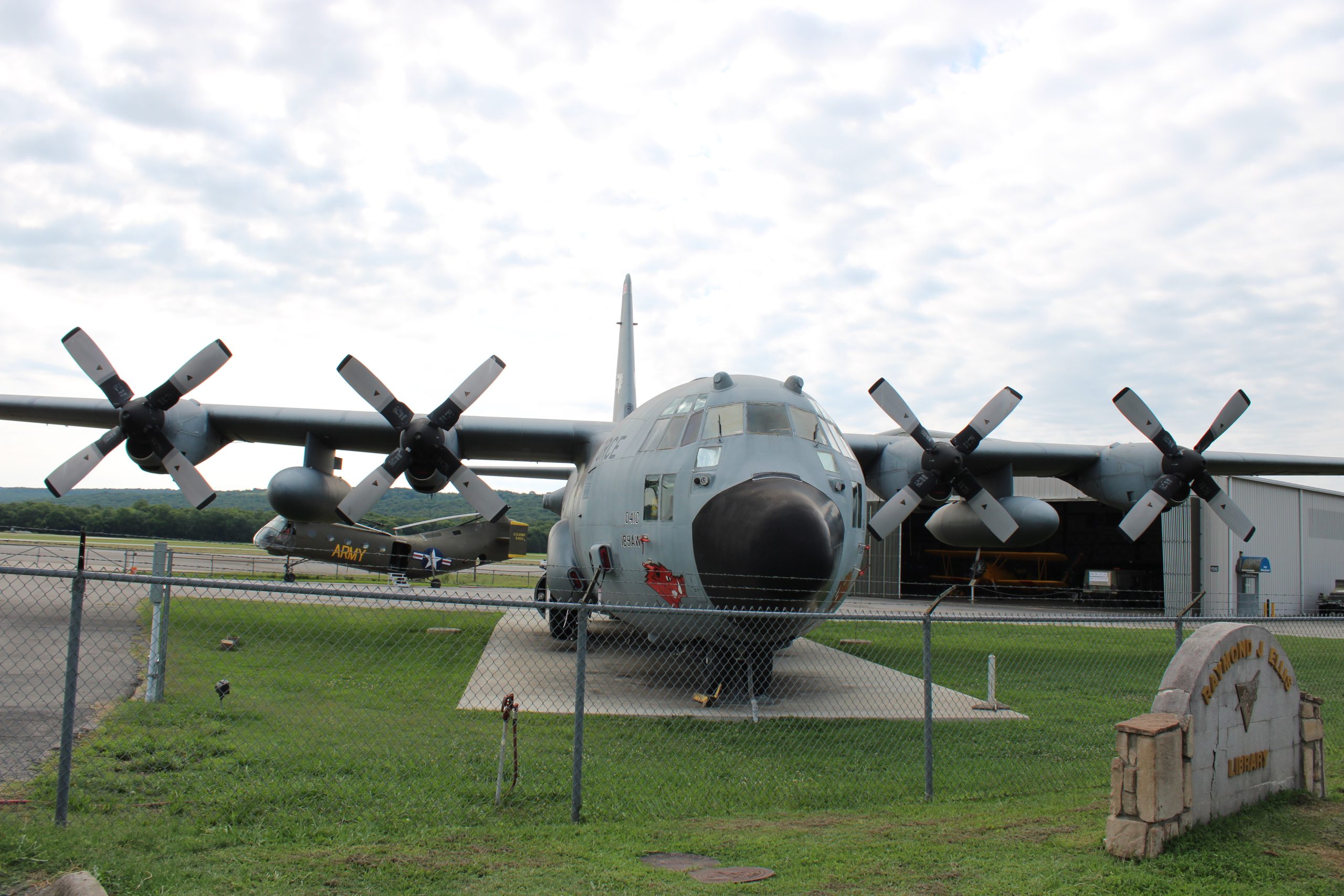
The Air and Military Museum of the Ozarks, located in Springfield, Missouri, is a premier historical destination dedicated to the preservation of military aviation and land vehicle history. As of 2026, it remains a vital hub for veterans and historians, featuring over 5,000 artifacts, restored aircraft such as the AH-1 Cobra and UH-1 Huey, and immersive educational exhibits that detail the Ozarks' contributions to American military conflicts.
The Mission and Legacy of the Air and Military Museum of the Ozarks
The Air and Military Museum of the Ozarks (AMMO) is more than just a collection of hardware; it is a "living museum" primarily operated by volunteers, many of whom are veterans themselves. The mission of the organization is to preserve the history of the United States military and to honor those who served by educating the public through hands-on exhibits and personal storytelling. Since its inception, the museum has focused on the "why" and "how" of military technology, showing the evolution of combat support and the daily lives of service members.
In the 2026 landscape of historical preservation, the museum serves as a critical link between the digital generation and the tangible reality of 20th-century warfare. The facility houses a vast array of equipment spanning from the World Wars through the modern era. Unlike larger, federally funded institutions, this museum offers a more intimate setting where visitors can often get within inches of the machinery that defined eras of flight and ground combat. The restoration projects undertaken here are labor-intensive, often taking years of meticulous work to return a piece of equipment to its original aesthetic or functional condition.
The Ozarks region has a long-standing tradition of military service, and the museum reflects this local heritage. Exhibits frequently highlight the stories of local residents who served in various branches, providing a localized context that makes the global history of the U.S. Military feel personal and immediate. For residents and tourists alike, the museum provides a deep dive into the engineering marvels and the human sacrifices associated with the defense of the nation.
Primary Aviation Exhibits: Icons of the Skies
The centerpiece of the museum’s collection is undoubtedly its aviation wing. The facility houses several meticulously maintained aircraft that represent pivotal moments in aerospace engineering and tactical deployment. Aviation enthusiasts frequent the museum to study the airframes and engine designs that allowed the United States to maintain air superiority during the Cold War and the Vietnam conflict.
The Bell UH-1 Iroquois "Huey"
Perhaps the most recognizable silhouette in the museum is the Bell UH-1 Iroquois, commonly known as the "Huey." This aircraft was the workhorse of the Vietnam War, serving as a troop transport, medevac, and gunship. The museum’s Huey is a prime example of rotary-wing evolution. Visitors can examine the Lycoming T53 turboshaft engine and the expansive cabin area that once carried platoons into dense jungle clearings. Understanding the Huey is essential for understanding the transition to airmobile tactics, which redefined how ground wars were fought in the mid-20th century.
The AH-1 Cobra Attack Helicopter
Adjacent to the Huey is the AH-1 Cobra, the world’s first purpose-built attack helicopter. While the Huey was a versatile utility craft, the Cobra was designed for a singular purpose: close air support and tank hunting. Its slender profile—only 36 inches wide at its maximum—made it a difficult target for ground fire. The museum’s exhibit allows guests to see the tandem seating arrangement, where the pilot sat behind the gunner, and the nose-mounted turret that provided devastating firepower. This aircraft represents a shift toward specialized aerial weaponry that continues to influence modern attack helicopter design.
Fixed-Wing Trainers and Fighters
Beyond helicopters, the museum features several fixed-wing aircraft that highlight different stages of a pilot’s career. The T-33 Shooting Star, a subsonic jet trainer, illustrates the transition from propeller-driven planes to the jet age. For many pilots in the 1950s and 60s, the T-33 was their first experience with the complexities of jet propulsion and high-altitude flight. Additionally, the museum often features elements of the A-7 Corsair II, a carrier-capable subsonic light attack aircraft. These exhibits detail the rugged construction required for carrier operations and the sophisticated (for their time) avionics used for precision bombing.
Ground Combat and Support Vehicles
While aviation is a major draw, the Air and Military Museum of the Ozarks also maintains an impressive fleet of ground vehicles. These machines illustrate the logistical and tactical challenges of land warfare, from the muddy fields of Europe to the rugged terrain of Southeast Asia.
The Jeep: The Versatile Soldier
No military collection is complete without the Willys MB or Ford GPW "Jeep." The museum showcases the evolution of this iconic 4x4 vehicle. Visitors can learn about the Jeep's role as a reconnaissance vehicle, a command car, and even a makeshift ambulance. The technical simplicity of the Jeep—its four-cylinder engine and rugged chassis—allowed it to be repaired in the field with basic tools, a necessity for the fast-moving fronts of World War II.
Heavy Support and Armored Transport
The collection includes larger transport vehicles and specialized equipment like the M274 Mule, a motorized platform designed to carry equipment and weapons over terrain that larger vehicles could not navigate. These "mechanical mules" were vital in Vietnam for hauling ammunition and wounded soldiers through thick brush. The museum also houses various iterations of the "Deuce and a Half" (2.5-ton trucks) and M37 3/4-ton trucks, which formed the backbone of military logistics for decades.
The engineering of these vehicles is a point of focus for the museum’s educators. They explain the move from gasoline to multi-fuel engines and the development of specialized suspension systems that allowed these heavy machines to operate in extreme environments. Seeing these vehicles in person provides a scale and perspective that photographs cannot convey.
The Gallery of Memories: Small Arms and Uniforms
The "Gallery of Memories" section of the museum shifts the focus from heavy machinery to the personal equipment of the individual soldier. This area houses an extensive collection of uniforms, small arms, medals, and personal correspondence. This transition in the museum's layout ensures that visitors understand the human element behind the machines.
- Uniform Evolution: Exhibits display the change from the heavy wool uniforms of World War I to the specialized, moisture-wicking camouflage patterns of the modern era. Each display explains how the environment of the conflict—whether the trenches of France or the deserts of the Middle East—dictated the design of the gear.
- Small Arms and Weaponry: A secure collection of firearms shows the progression of infantry weapons, including the M1 Garand, the M16 rifle, and various sidearms. Technical descriptions often accompany these, explaining the firing mechanisms and the tactical reasons for their adoption.
- Personal Artifacts: Some of the most moving exhibits are those containing letters home, "trench art" created by bored or anxious soldiers, and field rations (K-rations and C-rations). These items provide a glimpse into the psychological and physical realities of life on the front lines.
Planning Your Visit: 2026 Guidelines and Information
For those planning a trip to Springfield, Missouri, in 2026, the Air and Military Museum of the Ozarks offers a robust visitor experience. Because the museum is volunteer-run, it is always recommended to verify operating hours shortly before your arrival, as they can be subject to change based on volunteer availability and special events.
Visitor Logistics and Costs
| Feature | Details and Estimates (2026) |
|---|---|
| Location | 2305 East Kearney Street, Springfield, MO 65803 |
| Standard Hours | Wednesday – Saturday, 12:00 PM – 4:00 PM |
| Adult Admission | $10.00 - $12.00 |
| Child/Student Admission | $5.00 - $7.00 |
| Veterans & Active Duty | Often discounted or free (Verification required) |
| Accessibility | Wheelchair accessible main floor; some vehicle interiors limited |
| Photography | Allowed for personal use; no flash in certain galleries |
Group Tours and Educational Programs
The museum is a popular destination for school field trips, JROTC units, and veteran reunions. Group tours can be arranged in advance, often providing access to more detailed narratives from the veteran guides. These tours focus on STEM (Science, Technology, Engineering, and Math) concepts by explaining the physics of flight and the mechanical engineering of internal combustion engines used in military applications.
Restoration and Community Support
The continued operation of the museum depends heavily on donations and community involvement. The "Restoration Shop" is a core component of the facility where visitors can sometimes see volunteers working on new acquisitions. Restoration involves sourcing period-accurate parts, which can be an international scavenger hunt for rare components of 50-year-old aircraft.
Supporting the museum can take several forms:
- Financial Donations: Used for facility maintenance, climate control for sensitive artifacts, and acquisition of new pieces.
- Artifact Donations: Many of the museum’s most unique items come from local families who donate a relative’s medals, uniforms, or journals to ensure they are preserved and honored.
- Volunteering: The museum is always in need of docents, restoration assistants, and administrative help. Veterans find this particularly rewarding as a way to stay connected to their history and give back to the community.
Frequently Asked Questions
Is the museum suitable for young children?
Yes, the museum is very family-friendly. While the subject matter involves military history and conflict, the focus is on technology, history, and heroism. The "Imagination Flight" simulators and the ability to see large aircraft up close are usually very engaging for children. Parents should be aware that some exhibits contain historical imagery from combat zones, though these are presented with educational sensitivity.
How long does a typical visit take?
Most visitors spend between 90 minutes and 3 hours exploring the exhibits. Those with a deep interest in technical specifications or who spend time talking with the veteran docents may find they need more time. The museum is densely packed with information, so a slower pace is often rewarded with more profound insights.
Are the aircraft in the museum still flyable?
Most of the aircraft in the collection are "static displays," meaning they have been decommissioned and are no longer in flying condition. This is common for museum pieces to ensure long-term preservation and safety. However, they are maintained to look as though they could be flight-ready, with original instruments and exterior markings carefully preserved.
Can I sit inside the aircraft?
Generally, for the preservation of the cockpits and sensitive instrumentation, visitors are not allowed to sit inside the aircraft. However, there are often specific "open cockpit" days or dedicated training airframes where guests can experience the interior of a cockpit under supervision. Always check with the staff upon arrival for current access policies.
Does the museum have a gift shop?
Yes, there is a small gift shop that sells military-themed memorabilia, books on local history, and model kits. Proceeds from the gift shop go directly back into the museum’s operating fund to help with restoration projects.
Final Recommendation for Visitors
If you are traveling through the Ozarks or reside in the Springfield area, a visit to the Air and Military Museum of the Ozarks is a highly recommended educational experience. To make the most of your visit, aim to arrive early in the afternoon and take the time to speak with the docents. The "hidden" value of this museum lies in the firsthand accounts and technical knowledge possessed by the staff, which provides a layer of context that plaques and signs cannot replicate. After your visit, consider supporting their mission by sharing your experience on social media or making a small donation to their current restoration project, ensuring that these pieces of history remain available for future generations in the years beyond 2026.