The Air Force Aid Society (AFAS) is the official charity of the United States Air Force and U.S. Space Force, providing emergency financial assistance, educational grants, and community enhancement programs to service members and their families. As of 2026, it remains a critical resource for maintaining mission readiness by alleviating the personal financial stressors that can impact military performance.
Understanding the Mission of the Air Force Aid Society
The Air Force Aid Society was established in 1942, born from the vision of General Henry H. "Hap" Arnold and his wife, Eleanor. The primary mission has always been to help the Air Force take care of its own. In the modern era, this mission has expanded to include the U.S. Space Force, reflecting the evolving structure of the Department of the Air Force. The organization operates as a private, non-profit 501(c)(3) entity, distinct from the federal government, though it works in close coordination with Airman & Family Readiness Centers (A&FRC) globally.
The philosophy of AFAS is rooted in "productive compassion." This means that while the society provides immediate relief for emergencies, it also focuses on long-term stability through education and financial counseling. By addressing the "root cause" of a financial crisis—whether it is an unexpected medical bill, a family emergency, or the high cost of a Permanent Change of Station (PCS)—AFAS ensures that Airmen and Guardians can remain focused on their operational duties.
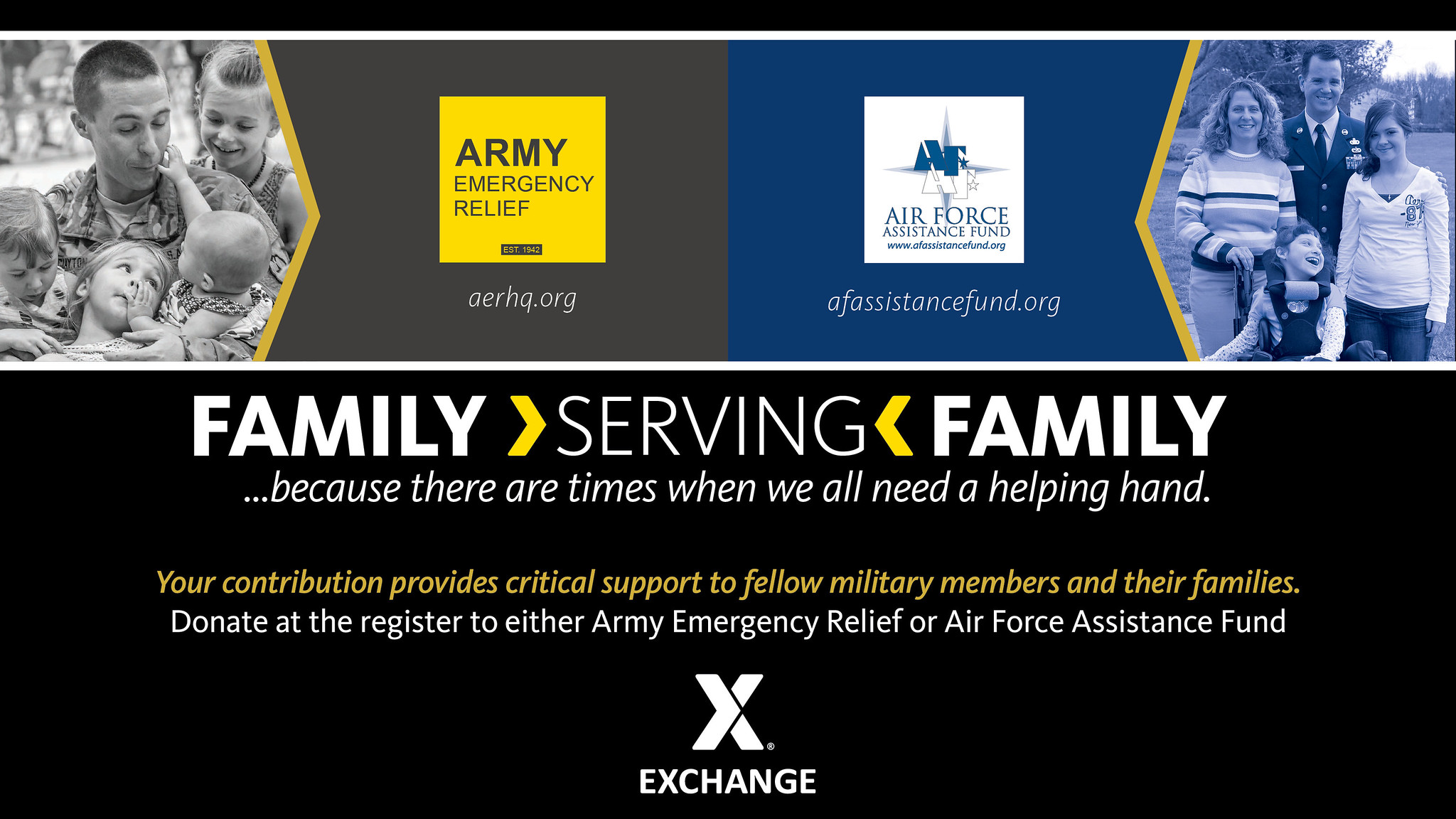
In 2026, the society continues to rely heavily on donations from the workforce through the Air Force Assistance Fund (AFAF) and private contributions. This "by Airmen, for Airmen" model ensures that the assistance provided is culturally attuned to the specific challenges of military life, such as frequent relocations, spouse unemployment, and the logistical hurdles of deployment.
Core Emergency Financial Assistance Programs
Emergency assistance is the cornerstone of AFAS operations. This support is generally provided in the form of interest-free loans, grants, or a combination of both. Each case is evaluated on its own merits, but the goal is always to resolve an immediate, essential need.
Standard Assistance Loans and Grants
Standard assistance is intended for larger or more complex financial needs. To receive this type of aid, applicants must undergo a full financial assessment with a counselor at their local Military & Family Readiness Center. This process involves reviewing income, expenses, and the specific nature of the emergency.
- Interest-Free Loans: These are the most common form of assistance. They allow service members to cover urgent costs without falling into the trap of high-interest predatory lending. Repayment is typically handled via an allotment from the member's military pay, usually spread over 12 to 24 months.
- Grants: In cases where repayment would cause undue hardship—such as for surviving spouses or members facing catastrophic medical situations—AFAS may provide a grant that does not need to be repaid.
- Bridge Loans: These are specifically designed to help families wait for official government reimbursements, such as delayed travel pay or housing allowances.
The Falcon Loan Program
The Falcon Loan is a streamlined version of financial assistance designed for speed and convenience. It allows active-duty Airmen and Guardians to apply for up to $1,500 without the need for extensive documentation or a full budget review.
The Falcon Loan is ideal for:
- Emergency travel for family members not covered by official orders.
- Urgent vehicle repairs required for commuting.
- Immediate grocery or utility needs.
- Rent or mortgage payments to avoid eviction or foreclosure.
The application for a Falcon Loan is processed almost entirely online through the AFAS portal, and approval can often happen within the same business day. Repayment is strictly through military allotment, ensuring the process is seamless for the service member.
Categories of Covered Emergencies
AFAS does not provide money for "wants" or luxury items. Instead, it focuses on "needs" defined by military necessity and basic living standards. Common categories of assistance include:
- Basic Living Expenses: Rent, utilities, and food.
- Medical and Dental Care: Costs not covered by TRICARE, including specialized equipment or emergency dental procedures.
- Vehicle Repairs: Essential repairs to the primary vehicle (cosmetic issues are excluded).
- Funeral Expenses: Costs associated with the death of an immediate family member.
- Emergency Travel: Flights or fuel costs to visit a critically ill family member or attend a funeral.
Education Support and Scholarships
Recognizing that education is a primary pathway to long-term financial security, AFAS manages several significant educational programs. These are aimed at the children and spouses of active duty and retired members.
General Henry H. Arnold Education Grant
Commonly referred to as the "Arnold Grant," this program provides need-based grants ranging from $500 to $4,000 per academic year. The application cycle typically opens in January for the following academic year. In 2026, the eligibility criteria remain focused on full-time undergraduate students who are dependents of active duty, Title 10 Reserve/Guard on extended active duty, retired, or deceased Air Force and Space Force members.
The selection process is based on a "need" formula that considers the family’s income and the student’s educational costs. Unlike many other scholarships, the Arnold Grant is not strictly merit-based; while a minimum 2.0 GPA is required, the primary driver is financial necessity.
Merit Scholarships and Supplemental Loans
Beyond the Arnold Grant, AFAS offers a limited number of Merit Scholarships each year. These are awarded to the top applicants based on academic achievement, community involvement, and leadership potential. Additionally, the society provides information and access to Supplemental Education Loans, which offer favorable terms for military families who need to cover the gap between grants and the total cost of tuition.
Community Enhancement Programs
AFAS also funds a variety of "quality of life" programs that are managed at the base level. These programs are designed to mitigate the unique stressors of the military lifestyle.
Child Care for PCS
One of the most utilized programs, Child Care for PCS, provides up to 20 hours of free child care per child at the base's Child Development Center (CDC) or through licensed Family Child Care (FCC) providers. Families can use this benefit within 60 days of arriving at a new base or 60 days prior to departing. This allows parents to focus on house hunting, unpacking, or administrative processing without the added stress of managing young children during the transition.
Give Parents a Break
In collaboration with the Air Force Services Center, AFAS funds the Give Parents a Break program. This offers several hours of free child care once a month to families who are experiencing stress due to deployment, remote assignments, or family emergencies. Referrals for this program are typically handled through the Chaplain’s office, the First Sergeant, or the A&FRC.
Bundles for Babies
This educational program is for expectant parents. It covers topics such as budgeting for a new baby, infant safety, and available base resources. As an incentive for attending the class, participants often receive a "bundle" which includes a gift card or a starter kit of essential baby items (such as clothing and blankets).
Car Care Because We Care
This program provides a voucher for a free oil change and basic safety inspection for the primary vehicle of spouses of deployed members. It is intended to ensure that the "home front" remains mobile and safe while the service member is away.
Eligibility Requirements for 2026
Eligibility for AFAS assistance is strictly defined to ensure that funds are used appropriately and are available for those who need them most. As of 2026, the following groups are eligible:
| Category | Emergency Assistance | Education Grants | Community Programs |
|---|---|---|---|
| Active Duty (AF/SF) | Yes | Yes (Dependents) | Yes |
| Retired (AF/SF) | Yes | Yes (Dependents) | No (Usually) |
| AF/SF Guard & Reserve | Yes (on Title 10) | Yes (on Title 10) | Yes (on Title 10) |
| Surviving Spouses | Yes | Yes | No |
| Dependent Children | No (Indirectly) | Yes | Yes |
Note: Guard and Reserve members not on active duty orders may still be eligible for assistance through the American Red Cross if they do not meet the Title 10 requirements for direct AFAS intervention.
How to Apply for Assistance
The application process has been modernized for 2026 to ensure that members can seek help from anywhere in the world.
Step 1: Online Application
The first step is to visit the official Air Force Aid Society website and create an account on the member portal. The applicant will select the type of assistance they need (Falcon Loan, Standard Assistance, or Education Grant).
Step 2: Documentation
For standard assistance, the member will need to upload supporting documents. These typically include:
- Leave and Earnings Statement (LES): To verify income.
- Bills/Estimates: Documentation of the specific debt or repair cost.
- Commander/First Sergeant Notification: While AFAS is a private charity, they often coordinate with unit leadership to ensure the member is receiving holistic support.
Step 3: The Interview
Once the application is submitted, a counselor at the local Military & Family Readiness Center will review the file. For Falcon Loans, the "interview" is often a simple digital verification. For standard cases, a face-to-face or virtual meeting is required to discuss the budget and determine if a loan or grant is the best solution.
After-Hours Emergencies
If an emergency occurs after duty hours, on a weekend, or if the member is far from an Air Force installation, they should contact the American Red Cross Hero Care Center at 1-877-272-7337. The Red Cross is authorized to process AFAS emergency assistance on behalf of the society in these situations.
Comparing AFAS with Other Military Relief Societies
While the Air Force Aid Society serves Airmen and Guardians, other branches have their own organizations. It is important to know that these societies often have reciprocal agreements. If an Airman is stationed at a Naval base, they can often receive assistance through the Navy-Marine Corps Relief Society (NMCRS).
- Army Emergency Relief (AER): Focuses heavily on career-path assistance and has a robust scholarship program.
- Navy-Marine Corps Relief Society (NMCRS): Known for its "Thrift Shops" and "Budget for Baby" classes.
- Coast Guard Mutual Assistance (CGMA): Provides similar emergency loans and grants tailored to the unique locations of Coast Guard units.
The AFAS distinguishes itself through its specific "Falcon Loan" model and its heavy emphasis on community-based "vouchers" like Child Care for PCS, which are tailored to the high-mobility lifestyle of the Air and Space Forces.
Responsible Financial Management and AFAS
The Air Force Aid Society is a safety net, not a substitute for financial planning. When an Airman or Guardian applies for assistance, they are often encouraged to participate in financial readiness training. This may include:
- Personal Financial Readiness (PFR) Counseling: Available at the A&FRC to help create a long-term budget.
- Debt Management: Strategies to consolidate or pay down high-interest debt that may have led to the emergency.
- Investment Basics: Encouraging the use of the Thrift Savings Plan (TSP) to build an independent safety net.
By combining financial aid with financial education, the society aims to move members from a state of crisis to a state of resilience.
FAQs
Can AFAS help with a down payment for a house?
No. AFAS programs are designed for emergency relief and essential needs. Buying a home is considered a long-term financial investment rather than an emergency. However, they can help if a member is facing eviction from a rental property due to an unforeseen emergency.
Is the Falcon Loan available to retirees?
No. The Falcon Loan is specifically designed for active-duty members and Guard/Reserve members on Title 10 orders. Retirees facing financial hardship should apply for "Standard Assistance," which involves a full review of their financial situation.
Does applying for AFAS help affect my security clearance?
No. In fact, seeking assistance to resolve financial problems is generally viewed positively by security clearance investigators. It demonstrates responsibility and proactive problem-solving. It is the unresolved financial debt that typically poses a risk to a clearance.
How many times can I apply for a Falcon Loan?
There is no hard limit on the number of times you can apply over a career, but you cannot have more than one Falcon Loan active at a time. Furthermore, frequent use of emergency loans may trigger a requirement for a full financial counseling session to address underlying issues.
Are AFAS grants taxable?
Generally, no. Grants provided for disaster relief or basic needs by 501(c)(3) organizations like AFAS are typically excluded from gross income for federal tax purposes. However, members should consult with a tax professional or the base legal office for specific advice.
Can AFAS help if I am a civilian employee?
Generally, AFAS assistance is limited to uniformed members and their families. However, in cases of widespread disasters (like a hurricane or earthquake), special programs are sometimes opened to the civilian workforce. Civilians are usually encouraged to seek help through the Employee Assistance Program (EAP) or local civilian charities.
Final Recommendation: Taking Action
If you find yourself in a financial bind, the first step is to communicate. Do not wait until a bill is in collections or an eviction notice is served. Contact your First Sergeant or visit the Airman & Family Readiness Center immediately. The Air Force Aid Society is designed to be a "hand up, not a handout," and the sooner you engage with their resources, the more options they will have to assist you. Whether you need a simple Falcon Loan for a car repair or a complex grant for an family emergency, the AFAS is the primary mechanism for financial stability within the Air and Space Force communities in 2026.