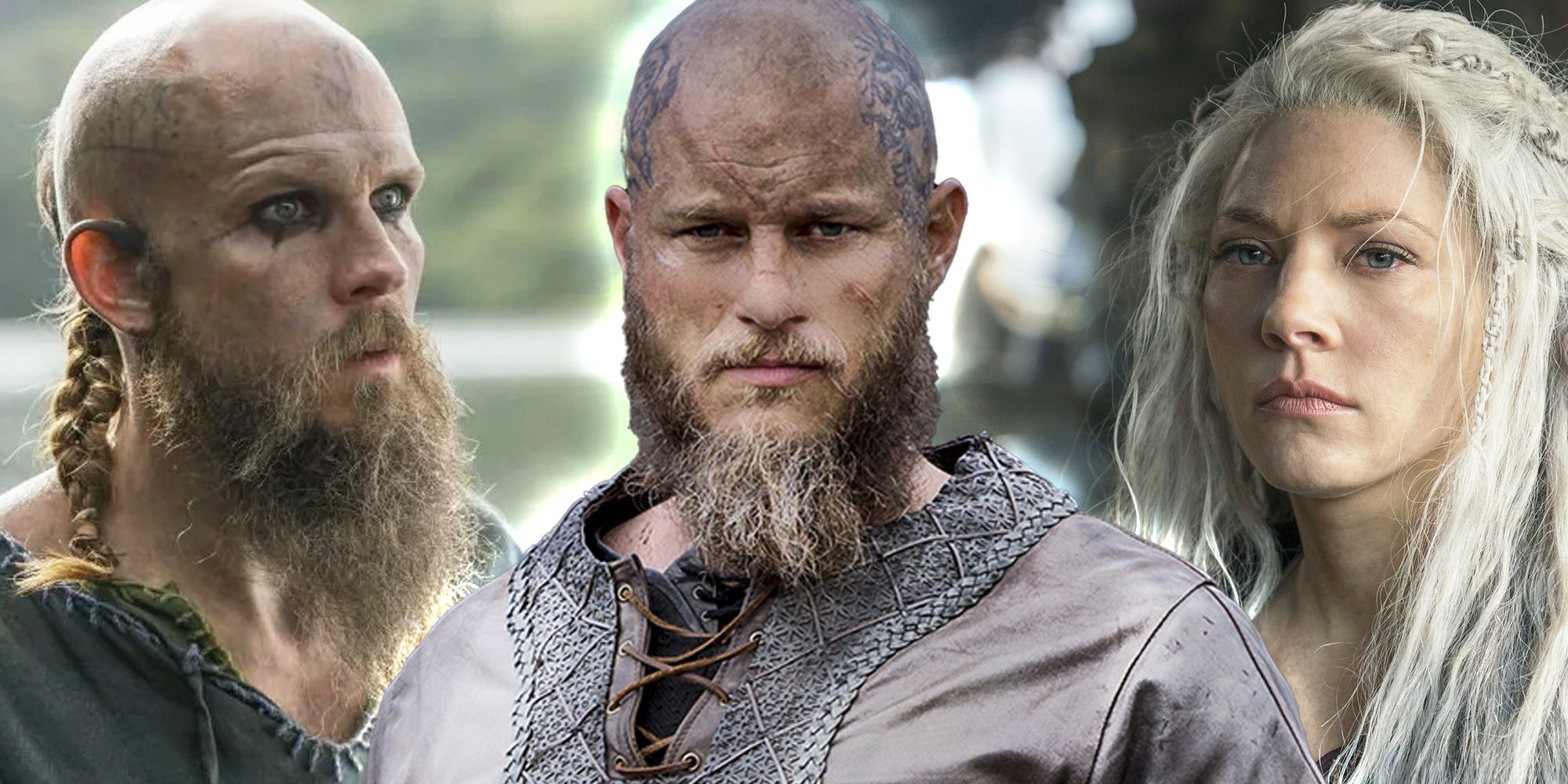
Lagertha, often colloquially referenced or conflated in popular discourse by names like Agatha, stands as one of the most prominent female figures in the History Channel television series Vikings. Through a strict historical lens, evaluating her character involves untangling a rich tapestry of medieval Scandinavian folklore, Norse sagas, and archaeological realities regarding women in Viking Age warfare. While the television series dramatizes her life as a shieldmaiden, queen, and earl, the actual historical foundation rests primarily in the writings of the 12th-century chronicler Saxo Grammaticus, presenting a complex intersection of myth, societal norms, and cultural memory.
The Literary Origins: Saxo Grammaticus and Gesta Danorum
The primary historical source detailing the life and exploits of the legendary shieldmaiden famously portrayed in Vikings is the Gesta Danorum (Deeds of the Danes), a monumental 12th-century work by the Danish author Saxo Grammaticus. Written long after the events it purports to describe, the text blends historical reminiscence, political allegory, and Norse mythology.
In Saxo’s account, the figure corresponding to the television character is named Lagertha (often subject to linguistic shifts, misreadings, or modern variations like Agatha). According to Saxo, she was a skilled skjaldmö (shieldmaiden) and a warrior of exceptional renown who fought alongside the legendary Viking king Ragnar Lodbrok.
| Category | Historical Reality vs. Television Dramatization |
|---|---|
| Primary Source | Saxo Grammaticus's 12th-century Gesta Danorum |
| Primary Medium | Medieval Latin chronicle / oral tradition |
| Role in Narrative | Warrior, tactician, queen, independent ruler |
| Archaeological Support | Birka chamber grave Bj 581 (confirmed female warrior) |
Deconstructing the Textual Evidence
Saxo describes Lagertha as a fierce Amazon-like warrior who commanded the respect of men through her martial prowess. When Ragnar Lodbrok traveled to Norway to avenge the death of his grandfather Siward at the hands of Frø, king of the Swedes, many women joined him dressed as men, with Lagertha leading the charge.
Saxo writes that Lagertha's personal bravery turned the tide of battle:
"Lagertha, a skilled amazon, who, though a woman, possessed a man's courage and fought in the forefront among the bravest with her hair loose over her shoulders, compelled all to marvel at her matchless feats."
This literary depiction serves a dual purpose in medieval historiography. It highlights the ideals of martial courage valued by Norse society while functioning as a cautionary or moral tale about gender roles, autonomy, and the complexities of leadership.
Archaeology and the Shieldmaiden Reality
For generations, skeptics dismissed figures like Lagertha as pure mythological tropes—the Norse equivalent of Greek Amazons invented by chroniclers to add dramatic flair. However, modern archaeological discoveries have fundamentally shifted the scholarly consensus regarding Viking Age female warriors.
The Birka Warrior Grave (Bj 581)
The most significant turning point in validating the historical plausibility of shieldmaidens occurred with the re-analysis of chamber grave Bj 581 in Birka, Sweden. Excavated in the late 19th century, the 10th-century grave contained the skeleton of a high-status individual buried with a rich array of weapons: a sword, an axe, a spear, armor-piercing arrows, a battle knife, two shields, and two sacrificed horses.
For over a century, traditional assumptions led archaeologists to presume the skeleton was male. However, a landmark 2017 osteological and ancient DNA study definitively proved that the remains belonged to a woman.
- Isotopic Analysis: Strontium isotope testing indicated she was a traveler, potentially an immigrant or a high-ranking mercenary within the Viking elite.
- Tactical Equipment: The presence of a gaming set alongside tactical weapons suggested she was not merely buried with martial gear out of ritual symbolism, but was actively involved in strategic warfare and leadership.
This discovery provides a crucial anchor for a historical lens on characters like Lagertha. While it does not prove that a specific individual named Lagertha performed every deed recorded by Saxo Grammaticus, it confirms that women of high status participated in combat, held military authority, and commanded the respect associated with Viking martial culture.
Society, Law, and Gender Roles in the Viking Age
Evaluating the character of Lagertha through a historical lens requires examining the legal and social framework of Scandinavia during the 8th to 11th centuries. While Viking society was undeniably patriarchal, legal codes provided women with significantly more autonomy than their counterparts in contemporary medieval Europe.
Legal Rights and Independence
Under early Scandinavian law codes (such as the Grágás of medieval Iceland and various regional provincial laws in Norway and Sweden), free women enjoyed distinct legal rights:
- Property Ownership: Women could own land, inherit wealth, and control their own dowries.
- Divorce: A woman could initiate divorce under specific legal grounds, including physical abuse, abandonment, or economic hardship.
- Business Operations: Women could engage in trade, act as independent merchants, and manage estates while their husbands were away on raiding voyages.
The Cultural Concept of the Skjaldmö
The skjaldmö occupies a liminal space in Norse sagas. These figures often step outside conventional female domestic roles to take up arms, frequently motivated by vengeance, the defense of honor, or political survival. Once peace was restored, sagas often depict them returning to traditional roles or facing tragic ends, reflecting the societal tension between exceptional female autonomy and the normative expectations of family and lineage.
Myth vs. Television: Narrative Liberties in Vikings
While historical and archaeological records ground the concept of Lagertha in reality, the television series Vikings takes substantial creative licenses to build a compelling dramatic arc spanning multiple decades.
Timeline Compression and Geographic Range
In historical and legendary accounts, Ragnar Lodbrok's life spans numerous campaigns across the British Isles and Francia, with his exploits interwoven with various wives and sons (such as Bjorn Ironside and Ivar the Boneless). The television series compresses these timelines, placing Lagertha at the center of political intrigues in Kattegat, England, and Wessex simultaneously.
Leadership and Political Evolution
The television portrayal emphasizes Lagertha's transition from a shieldmaiden fighting alongside her husband to an earl, a queen, and a sovereign ruler in her own right. Historically, while elite women wielded considerable soft power and managed households during male absences, independent female rulers commanding vast armies as reigning monarchs were exceptionally rare, making her television trajectory an idealized dramatization of female agency.
Comprehensive Comparison: Legend, Archaeology, and Television
To clearly distinguish between the varied layers surrounding the historical lens of this figure, the following table compares the literary myth, archaeological data, and television adaptation:
| Dimension | Saxo Grammaticus (Gesta Danorum) | Archaeological Evidence | Television Series (Vikings) |
|---|---|---|---|
| Primary Identity | Legendary Danish/Norwegian shieldmaiden | Real-world female combatants (e.g., Birka Bj 581) | Warrior, Earl of Kattegat, Queen, and matriarch |
| Relationship with Ragnar | First wife, strategist, later estranged | N/A (Mythological composite) | First wife, political rival, and lifelong anchor |
| Combat Role | Fought in the vanguard with unmatched courage | High-status military burials with weapons and horses | Frontline warrior, tactical commander, shield wall leader |
| Historical Status | Sagi-fictional folklore recorded centuries later | Verified physical reality of Viking female warriors | Dramatized historical fiction |
Frequently Asked Questions
Was Lagertha a real historical person?
Historians generally agree that Lagertha, as described by Saxo Grammaticus, is a legendary figure rather than a strictly documented historical person. Her story is part of the Norse saga tradition. However, she represents a cultural archetype grounded in the verified historical reality of Viking Age female warriors.
Did shieldmaidens actually fight in battles?
Yes. Modern osteological and DNA analyses, most notably the Birka chamber grave excavation, confirm that women in Viking society were sometimes buried with weapons, tactical gear, and horses, indicating active participation in warfare and leadership.
How did Viking law treat women compared to other medieval societies?
Viking Age legal codes granted women significantly more rights than most contemporary European societies. Free women could own property, initiate divorce, control dowries, and manage family estates independently, especially during the frequent absences of male kin on trading and raiding expeditions.
Why is the character sometimes associated with the name Agatha?
Agatha is sometimes conflated with Lagertha due to modern linguistic shifts, subtitles, or translation variations in foreign-language adaptations and historical discussions. However, the original medieval Latin text uses the name Lathgertha, derived from the Old Norse Hlaðgerðr.
How accurate is the television series Vikings regarding female warriors?
While the series dramatizes individual storylines, compresses centuries of history, and elevates personal conflicts for dramatic effect, it accurately reflects modern historical scholarship regarding the existence of high-status female warriors and the relative autonomy of Norse women.
Next Steps and Further Exploration
For readers seeking a deeper understanding of Viking Age social structures and military history, exploring primary source translations of Saxo Grammaticus's Gesta Danorum provides direct insight into medieval Norse historiography. Additionally, academic publications from the European Journal of Archaeology regarding the Birka DNA studies offer concrete scientific data on the role of women in Scandinavian warfare.