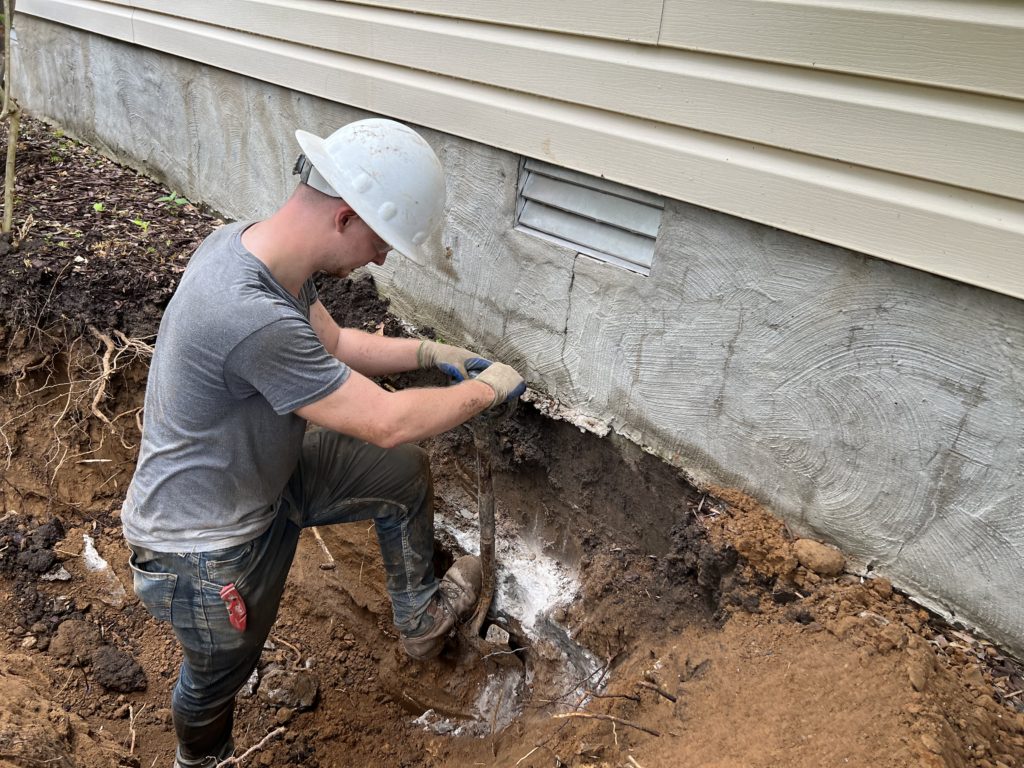
Finding affordable foundation repair solutions in Odessa, Texas, requires understanding the region's unique geological challenges, local soil conditions, and the various engineering methods used by regional contractors to stabilize settling homes. West Texas is characterized by expansive clay soils that swell significantly when wet and shrink drastically during dry spells, creating immense cyclical pressure on residential foundations. For homeowners facing cracks in drywall, sticking doors, or uneven floors, addressing these issues early can prevent catastrophic structural damage.
Understanding the Odessa, TX Soil and Foundation Challenge
The foundation of any home relies entirely on the stability of the earth beneath it. In Odessa, and the broader Permian Basin, the local soil profile presents distinct engineering hurdles that dictate how structural repairs must be approached.
The Impact of Expansive Caliche and Clay
Much of the soil in Ector County and surrounding West Texas consists of expansive clay and dense caliche layers. Caliche is a hardened sedimentary rock formed of calcium carbonate, which cements other materials like gravel, sand, clay, and silt together. While caliche can provide a strong bearing stratum for foundations when left undisturbed, the surrounding clay soils exhibit high plasticity.
During heavy rain events, the clay absorbs moisture and expands, exerting upward pressure on concrete slab foundations. Conversely, during extended periods of drought and high summer temperatures typical of the Odessa climate, the soil dries out, shrinks, and creates voids beneath the foundation. This constant shifting—known as differential movement—causes concrete slabs to crack, warp, and sink.
Common Warning Signs of Foundation Failure
Recognizing the early indicators of structural distress can save homeowners thousands of dollars in emergency repairs. Foundation problems rarely manifest overnight; instead, they develop through a series of progressive symptoms that affect both the exterior and interior of a structure:
- Exterior Brick Cracks: Stair-step cracking in brick veneer or mortar joints often indicates that one corner of the house is settling faster than the rest.
- Interior Wall Fractures: Diagonal cracks stretching from the corners of doors and windows suggest that the frame is shifting under stress.
- Sticking Doors and Windows: When a foundation shifts, door frames and window openings become out of square, causing doors to bind, rub, or fail to latch properly.
- Uneven or Sloping Floors: Walking across a room and noticing a distinct slope or feeling a dip in the floor surface is a primary indicator of interior pier settlement.
- Gaps Around Trim and Baseboards: Separation between walls and ceilings or baseboards pulling away from the floor indicates structural movement.
Overview of Foundation Repair Methods Used in West Texas
When seeking affordable solutions, homeowners must first understand that not all foundation repair methods are equal in durability, engineering integrity, or cost. Contractors in Odessa typically offer several distinct techniques depending on whether the home is built on a concrete slab or a pier-and-beam foundation.
Pressed Concrete Pilings
Pressed concrete pilings are among the most common and cost-effective repair methods utilized in Texas. The process involves hydraulically driving pre-cast concrete cylinders deep into the ground beneath the foundation until they reach a stable load-bearing stratum or refusal depth. Once the pilings are in place, steel shams are used to lift and stabilize the foundation.
- Pros: Generally lower upfront costs, making them an attractive option for budget-conscious homeowners; relatively quick installation time.
- Cons: Concrete pilings may not reach as deep as steel piers, making them less suitable for extremely deep active soil zones or heavy structural loads.
Steel Piers (Resistance and Helical Piers)
Steel pier systems represent the gold standard for long-term structural stability, particularly in areas with highly volatile soil conditions. Resistance steel piers are driven deep into stable bedrock or load-bearing strata using the weight of the structure as resistance. Helical piers, which feature steel shafts with welded screw-like plates, are screwed into the ground mechanically, making them ideal for both new construction and remedial repairs.
- Pros: Exceptional depth capacity, high load-bearing strength, and often backed by transferable lifetime warranties.
- Cons: Higher initial material and labor costs compared to pressed concrete systems.
Mudjacking and Polyurethane Foam Injection
For minor slab settlement where the foundation has not suffered major structural fracturing, slabjacking or polyurethane foam injection offers an economical alternative. This process involves pumping a slurry or expanding high-density polymer foam beneath the sunken concrete slab to fill voids and raise the concrete back to its original grade.
- Pros: Fast execution, minimal disruption to landscaping or interior flooring, and significantly lower cost than pier installation.
- Cons: Does not address the underlying soil movement or anchor the foundation to deep strata; it is primarily a corrective leveling procedure rather than a structural stabilization fix.
Cost Factors and Financial Considerations in Odessa
Budgeting for foundation repair requires evaluating several cost drivers. In Odessa, pricing is influenced by the square footage of the home, the severity of the damage, the chosen repair method, and the number of piers required to stabilize the structure.
Average Cost Breakdown
While every home is unique, foundation repair estimates generally scale based on the linear footage or the number of support points needed.
| Repair Method | Average Cost Range | Best Suited For | Longevity |
|---|---|---|---|
| Concrete Pressed Pilings | $3,000 – $7,000 | Standard slab homes with moderate settlement | Moderate to High |
| Steel Piers | $7,000 – $15,000+ | Severe settlement, heavy brick homes, deep unstable soils | Permanent / Lifetime |
| Polyurethane Foam Jacking | $1,500 – $4,000 | Minor slab sinking, void filling, concrete leveling | Moderate |
| Root Barrier Installation | $2,000 – $5,000 | Preventing tree root moisture extraction near foundation | Preventive |
Financing and Insurance Options
Because foundation repairs can represent a significant unplanned expense, many reputable contractors in the Odessa area offer financing programs with monthly payment plans. Homeowners should inquire about zero-interest promotional periods or low-interest installment loans.
It is also important to note that standard homeowners insurance policies in Texas typically do not cover foundation repairs unless the damage results from a specific covered peril, such as a plumbing leak under the slab that caused sudden soil erosion. General settling caused by expansive clay soils and drought is almost always classified as maintenance and excluded from coverage. Home warranties may offer limited coverage, though pre-existing conditions are routinely excluded.
Evaluating and Selecting an Odessa Foundation Contractor
Finding an affordable solution goes beyond choosing the lowest bid. Hiring an inexperienced contractor who cuts corners can lead to recurring structural failure, compounding repair costs over time. Homeowners should follow a structured evaluation process when vetting local professionals.
Verifying Credentials and Engineering Reports
Before signing any contract, homeowners should verify that the contractor is licensed, bonded, and carries adequate general liability and workers' compensation insurance. Furthermore, in complex structural scenarios, obtaining an independent evaluation from a licensed structural engineer is highly recommended. An engineer can provide an unbiased assessment of the damage and draft a formal repair plan, ensuring that homeowners pay only for the work strictly necessary to stabilize the home.
Key Questions to Ask Contractors
- What specific pier system or repair method are you recommending, and why is it best suited for Odessa soil conditions?
- Does your company use in-house crews or subcontracted labor for the installation process?
- What warranty is provided on the repairs, and is that warranty fully transferable to a future owner if I sell the house?
- Will you provide a detailed, itemized estimate that outlines the exact placement and number of piers?
Preventive Maintenance to Protect Your Investment
Once affordable foundation repair solutions have been implemented in an Odessa home, maintaining consistent soil moisture levels around the perimeter is essential to protect the investment.
Managing Soil Moisture in West Texas
Because the Odessa climate oscillates between severe dry spells and intense rainfall, artificial moisture regulation is critical.
- Soaker Hoses: Installing soaker hoses a foot or two away from the foundation wall during summer drought months prevents the clay soil from shrinking away from the concrete edge.
- Proper Drainage: Ensure that all gutters, downspouts, and yard grading direct rainwater at least several feet away from the foundation perimeter to avoid localized saturation.
- Tree and Vegetation Management: Large trees—such as elms, hackberries, and mesquites common to West Texas—can extract hundreds of gallons of water daily from the soil. Planting large trees at a safe distance from the structure or installing root barriers can prevent extreme localized soil desiccation.
Frequently Asked Questions
How do I know if my foundation cracks are serious or just cosmetic?
Hairline cracks less than one-eighth of an inch wide in drywall or plaster are often normal settling and purely cosmetic. However, cracks that are wider than a quarter-inch, run diagonally across doorframes, or are accompanied by sticking doors, jammed windows, and exterior brick separation indicate structural movement that requires professional evaluation.
Does homeowners insurance cover foundation repair in Odessa, TX?
Standard home insurance policies in Texas do not cover foundation damage caused by normal settling, drought, or expansive clay soils. Coverage may apply only if the structural damage is directly caused by a sudden and accidental plumbing leak beneath the slab, depending on the specific policy endorsements.
How long does a typical foundation repair project take?
Most standard residential foundation repair projects in Odessa can be completed within one to three days, depending on the extent of the damage and the number of piers required. Polyurethane foam injection or minor slabjacking can often be finished in a single day.
Are lifetime warranties on foundation repair transferable?
Many reputable foundation repair companies offer transferable warranties. If you sell your home, the warranty can be transferred to the new owner, which serves as a valuable selling point. Homeowners should always review the written warranty terms to confirm transfer fees and activation requirements.
Can I do foundation repair myself as a DIY project?
Foundation repair is a highly specialized structural engineering task that requires heavy hydraulic equipment, precise leveling instruments, and deep technical knowledge. Attempting DIY repairs on a concrete slab or load-bearing piers can cause catastrophic structural failure and is strongly discouraged.
Conclusion and Next Actions
Addressing foundation issues promptly prevents minor cracks from escalating into severe structural failures. Homeowners in Odessa, TX, should begin by documenting all visible cracks and operational issues with doors and windows. Next, schedule consultations and estimates with licensed, highly rated local foundation repair specialists, and consider consulting an independent structural engineer for objective guidance. By weighing repair methods against your budget and implementing proactive moisture management, you can secure a stable, lasting solution for your home.