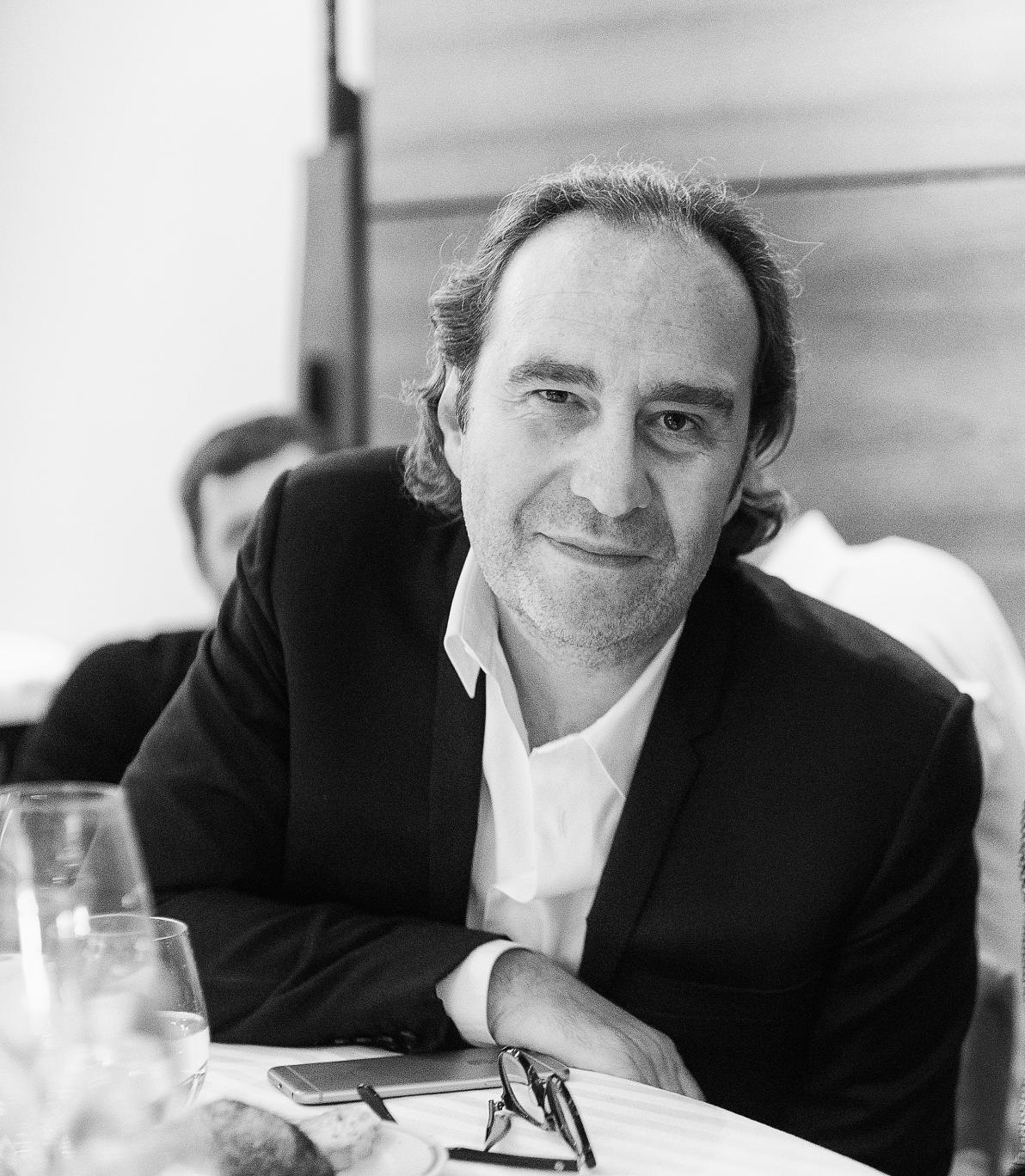
Amos Genish’s net worth is estimated to be between $100 million and $300 million, derived primarily from founding equity in Global Village Telecom (GVT), major executive compensation packages at Telefónica Brasil and Telecom Italia, and high-value partnership distributions as Senior Partner at BTG Pactual and CEO of fiber infrastructure leader V.tal.
Financial Disclaimer: This analysis is based on publicly available regulatory filings, transaction disclosures, and executive compensation reports. It is intended strictly for educational and analytical purposes and does not constitute formal financial advice.
The Foundation of Amos Genish’s Wealth: The GVT Breakthrough
To understand the financial standing of Amos Genish, one must examine the founding and eventual sale of Global Village Telecom (GVT). Genish co-founded GVT in Brazil in 1999 alongside Israeli business partners, establishing a greenfield telecommunications operator aimed at challenging Brazil's incumbent fixed-line monopolies following market deregulation.
Under Genish’s leadership as CEO, GVT developed a high-margin business model centered on broadband expansion, fiber-to-the-home (FTTH) infrastructure, and high-value subscriber acquisition. Unlike legacy operators burdened by copper wiring, GVT built modern fiber architecture in high-density urban areas across Brazil, making it one of the fastest-growing telecom operations in South America during the 2000s.
- 1999: GVT Founded
- 2009: Vivendi Acquisition ($4.7B)
- 2014: Telefónica Purchase ($9.3B)
The pivotal liquidity event of Genish’s career occurred in 2009, when French media conglomerate Vivendi acquired control of GVT in a bidding war against Telefónica. The acquisition valued GVT at approximately R$ 7.2 billion (roughly $4.7 billion USD at contemporary exchange rates). As a major shareholder, key founder, and chief executive, Genish secured a substantial multi-million dollar direct payout, supplemented by performance incentives and retaining bonuses to continue leading the company under Vivendi’s ownership.
In 2014, Telefónica acquired GVT from Vivendi for approximately €7.4 billion ($9.3 billion USD) in cash and shares. This secondary transaction solidified Genish’s reputation as one of the premier value creators in Latin American telecommunications and triggered additional executive retention packages, equity conversions, and board-level bonuses.
C-Suite Compensation and International Leadership Roles
Following the GVT integration into Telefónica Brasil (Vivo), Genish transitioned from an entrepreneurial operator into a high-level global corporate chief executive. His wealth accumulation during this period evolved from equity capital gains to top-tier executive compensation, stock option grants, and severance structuring across multinational telecom entities.
CEO of Telefónica Brasil (Vivo) (2015–2016)
Upon merging GVT with Telefónica’s Brazilian subsidiary (Vivo), Genish was appointed CEO of Telefónica Brasil, the largest telecommunications provider in the country. During his tenure, he oversaw complex corporate synergies, headcount restructuring, and network consolidation.
Executive compensation for the CEO of a top-tier Latin American telecom firm listed on the B3 and NYSE typically combines:
- Base Salary: Multi-million-dollar annual base pay.
- Short-Term Incentives (STI): Performance bonuses tied to operational cash flow (EBITDA) and integration milestones.
- Long-Term Incentives (LTI): Restricted stock units (RSUs) and options tied to group share price performance.
Chief Convergence Officer at Vivendi (2017)
In early 2017, Genish rejoined Vivendi as Chief Convergence Officer, based in Paris and London. In this role, he was tasked with overseeing international media and telecom synergy strategies for Vivendi’s broad portfolio, which included Canal+, Universal Music Group, and strategic investments in Southern Europe.
CEO of Telecom Italia (TIM) (2017–2018)
In November 2017, Genish was named CEO of Telecom Italia (TIM), Italy’s former state telecom monopoly and one of Europe's largest communications infrastructure operators. His mandate was to execute a turnaround, reduce debt, modernize network infrastructure, and navigate contentious board dynamics between primary shareholder Vivendi and activist hedge fund Elliott Management.
Public filings with the Italian market regulator CONSOB revealed that Genish’s compensation package at Telecom Italia was structured to match top global industrial executives:
- Annual Fixed Salary: Approximately €1.5 million to €2.0 million per year.
- Variable Performance Incentives: Tied to operational efficiency gains, network monetization, and debt reduction goals.
- Severance and Separation Terms: When Genish was abruptly removed from the CEO role by the Elliott-controlled board in November 2018, contractual severance disclosures indicated a separation settlement valued in the millions of euros, covering non-compete covenants, accrued STI/LTI vesting, and contractual notice terms.
Private Equity Partnership and Infrastructure Monetization: BTG Pactual and V.tal
After exiting Telecom Italia, Genish shifted his focus back to private markets, moving into investment banking, private equity, and digital infrastructure asset management.
Senior Partner at BTG Pactual (2019–Present)
In late 2019, Genish joined BTG Pactual, Latin America’s largest independent investment bank, as Senior Partner and Head of Digital Retail Solutions. In a private equity bank model, senior partners receive compensation through a combination of equity capital participation, fund performance carried interest, and direct dividend payouts from the bank’s operating earnings.
- BTG Pactual Private Equity Funds
- Acquisition of Oi Fiber Assets (2021)
- Creation of V.tal (Neutral Fiber Network)
- Amos Genish (Executive Chairman & CEO)
- Equity Ownership & Value Creation
Strategic Leadership of V.tal
At BTG Pactual, Genish spearheaded the creation and expansion of V.tal, a neutral fiber optic network operator created through the acquisition and carve-out of Brazilian telecommunications carrier Oi’s fiber asset network in 2021. The deal, valued at tens of billions of Brazilian reais, turned V.tal into the primary open-access wholesale fiber infrastructure provider across Brazil, with expanding operations in Latin America and international subsea cable systems.
As Executive Chairman and CEO of V.tal, Genish’s personal net worth has been substantially augmented through equity participation in the infrastructure fund entities controlling V.tal. Private infrastructure valuations yield high multi-billion-dollar enterprise values based on long-term cash flow predictability, elevating the long-term capital wealth of founding executives and key general partners.
Comparative Executive Wealth Breakdown
To contextualize how Amos Genish accumulated his net worth relative to corporate structure and transaction milestones, the following table summarizes his key career phases, core roles, transaction scales, and wealth realization drivers:
| Career Phase | Key Role / Entity | Transaction or Scale | Primary Wealth Generation Driver |
|---|---|---|---|
| Entrepreneurial Expansion (1999–2009) | Founder & CEO, GVT | $4.7 Billion sale to Vivendi | Founder equity stake cash-out, retention equity, performance bonuses |
| Corporate Integration (2014–2016) | CEO, Telefónica Brasil (Vivo) | €7.4 Billion acquisition of GVT | C-suite base salary, integration bonus, stock option execution |
| European Leadership (2017–2018) | CEO, Telecom Italia (TIM) | Market cap >€10 Billion operator | Public corporate salary, equity grants, contractual severance settlement |
| Private Equity & Infrastructure (2019–Present) | Senior Partner, BTG Pactual / CEO, V.tal | Multi-billion-dollar fiber infrastructure carves | Investment bank partnership equity, fund carried interest, direct V.tal equity |
Evaluating Executive Wealth Beyond Surface Figures
Estimating the exact personal balance sheet of a global business executive involves examining several structural elements of corporate compensation and wealth management. Unlike founders of publicly traded tech giants whose wealth closely mirrors daily stock prices, telecom executives and private equity partners hold assets distributed across private equity structures, public equities, physical real estate, and private capital holdings.
1. Founder Equity vs. Salary Wealth
Early wealth creation for Genish came from capital appreciation (the growth and sale of GVT), which carries lower effective tax rates on capital gains compared to standard income, allowing for greater capital preservation. By contrast, corporate executive salaries at firms like Telecom Italia and Telefónica Brasil are heavily taxed as ordinary income in foreign jurisdictions (Italy, Brazil, UK, France).
2. Carried Interest and Private Infrastructure Valuation
In his partnership role at BTG Pactual and leadership at V.tal, a substantial portion of Genish’s net worth resides in illiquid investment vehicles and private infrastructure equity. Carried interest—the share of profits that general partners retain from private equity fund gains—creates significant wealth when underlying assets like V.tal are recapitalized, refinanced, or taken public.
3. Jurisdictional Wealth Structuring
Having operated across Israel, Brazil, France, the United Kingdom, and Italy, Genish's assets are subject to complex international tax structures and estate management. Multi-currency exposure across the US Dollar (USD), Euro (EUR), and Brazilian Real (BRL) means net worth calculations fluctuate based on foreign exchange conversion rates.
Common Misconceptions Regarding Executive Net Worth
When evaluating public reporting on high-profile executives like Amos Genish, readers frequently encounter overstated or incomplete estimates. Disentangling facts from market assumptions requires examining how executive compensation is reported:
- Conflating Enterprise Deal Values with Personal Wealth: Media reports stating that an executive "led a $9 billion merger" often lead casual readers to confuse enterprise valuation with personal income. Genish earned tens to hundreds of millions from the GVT deals—not billions, as the bulk of transaction capital was paid to institutional equity funds and debt holders.
- Overlooking Severance Covenants: When executives exit major publicly listed companies like Telecom Italia, published contract values include long-term non-compete agreements, stock options subject to vesting conditions, and clawback clauses. Net realized payouts are often lower after accounting for legal taxes and restricted vesting periods.
- Paper Equity vs. Liquid Capital: Held equity in private infrastructure vehicles like V.tal represents capital valuation on paper until a liquidity event (such as an IPO or strategic stake sale) takes place.
Strategic Lessons from Amos Genish’s Financial Trajectory
For finance professionals, corporate strategists, and executive talent analysts, Amos Genish’s financial trajectory illustrates key principles of modern executive wealth generation:
Building Value in Deregulated Growth Markets
Genish recognized early that emerging markets undergoing telecommunications deregulation offer asymmetric risk-reward ratios. By building greenfield fiber infrastructure in Brazil rather than attempting to buy outdated copper networks, GVT established superior operational margins, making it an indispensable acquisition target for global giants like Vivendi and Telefónica.
Navigating Corporate Turnarounds and Governance Conflicts
His tenure at Telecom Italia highlights the double-edged nature of high-stakes corporate leadership. While leading legacy turnarounds involves navigating major shareholder conflicts (e.g., Vivendi vs. Elliott Management), top-tier corporate governance contracts ensure that executive risk is mitigated through robust compensation agreements and severance protections.
The Transition from Operator to Investor
Genish's career path highlights a common trajectory for top corporate leaders: transitioning from operator (running telecom entities) to investor/dealmaker (managing private equity assets at BTG Pactual). Operating expertise allows private equity partners to identify mispriced infrastructure assets, structure strategic carve-outs (such as V.tal), and capture upside that traditional passive investors miss.
Frequently Asked Questions
How did Amos Genish make his money?
Amos Genish accumulated his wealth primarily through founding equity in Global Village Telecom (GVT), which was sold to Vivendi in 2009 for $4.7 billion and subsequently to Telefónica for $9.3 billion. He augmented his wealth through high-level executive compensation as CEO of Telefónica Brasil and Telecom Italia, and through partnership equity at BTG Pactual and V.tal.
What was Amos Genish’s payout from the sale of GVT?
While exact individual shareholder distribution figures remain private, Genish was a founder, major individual shareholder, and long-time CEO of GVT. Between the 2009 Vivendi buyout and the 2014 Telefónica transaction, his combined proceeds from equity sales, retention packages, and executive bonuses yielded multi-million-dollar payouts totaling well into eight figures.
What was Amos Genish’s salary at Telecom Italia (TIM)?
During his tenure as CEO of Telecom Italia (2017–2018), Genish’s annual base pay was estimated at €1.5 million to €2.0 million, supplemented by short-term performance bonuses and long-term equity incentives. Upon his departure in late 2018, his severance package, including non-compete clauses and accrued contractual terms, was valued in the multi-million-euro range.
What is Amos Genish’s current operational role?
Genish serves as a Senior Partner at BTG Pactual, Latin America's largest independent investment bank, and leads digital infrastructure investments. He also serves as the Executive Chairman and CEO of V.tal, a major neutral fiber infrastructure operator in Latin America.
Why do estimates of Amos Genish’s net worth vary across source reports?
Estimates vary because private equity partnerships, personal investment holdings, private real estate portfolios, and private company stock valuations (such as V.tal equity) are not required to be publicly disclosed in tax returns. Public records only capture mandatory disclosures from publicly traded firms like Telecom Italia and Telefónica Brasil.
Key Takeaways for Financial Analysts and Researchers
When evaluating executive net worth within global corporate finance:
- Focus on Verified Transaction Milestones: Look to regulatory filings (CONSOB, SEC, CVM) and audited M&A figures rather than unverified aggregator websites.
- Account for Asset Illiquidity: Recognize that executive wealth in private equity partnerships (such as BTG Pactual infrastructure funds) is tied to fund performance cycles and structural liquidity events.
- Analyze Executive Contract Structuring: Understand that c-suite compensation in modern multinational corporations relies heavily on long-term equity vesting and performance incentives rather than cash salaries alone.