Securing affordable business auto insurance in Winchester, Kentucky, requires balancing state legal minimums with realistic coverage thresholds for local roads and operational risks. Business owners can lower premiums by bundling commercial lines, deploying fleet telematics, maintaining strict driver-screening protocols, and structuring deductibles effectively, all while staying compliant with Kentucky Department of Insurance mandates.
Kentucky Legal Mandates and Commercial Auto Insurance Requirements
Business owners operating commercial vehicles in Winchester and throughout Clark County must comply with state insurance statutes administered by the Kentucky Department of Insurance and the Kentucky Transportation Cabinet (KYTC). Under the Kentucky Motor Vehicle Reparations Act (KRS 304.39-110), any motor vehicle registered or driven on Kentucky roads must carry minimum financial responsibility limits.
Minimum Liability Limits vs. Commercial Realities
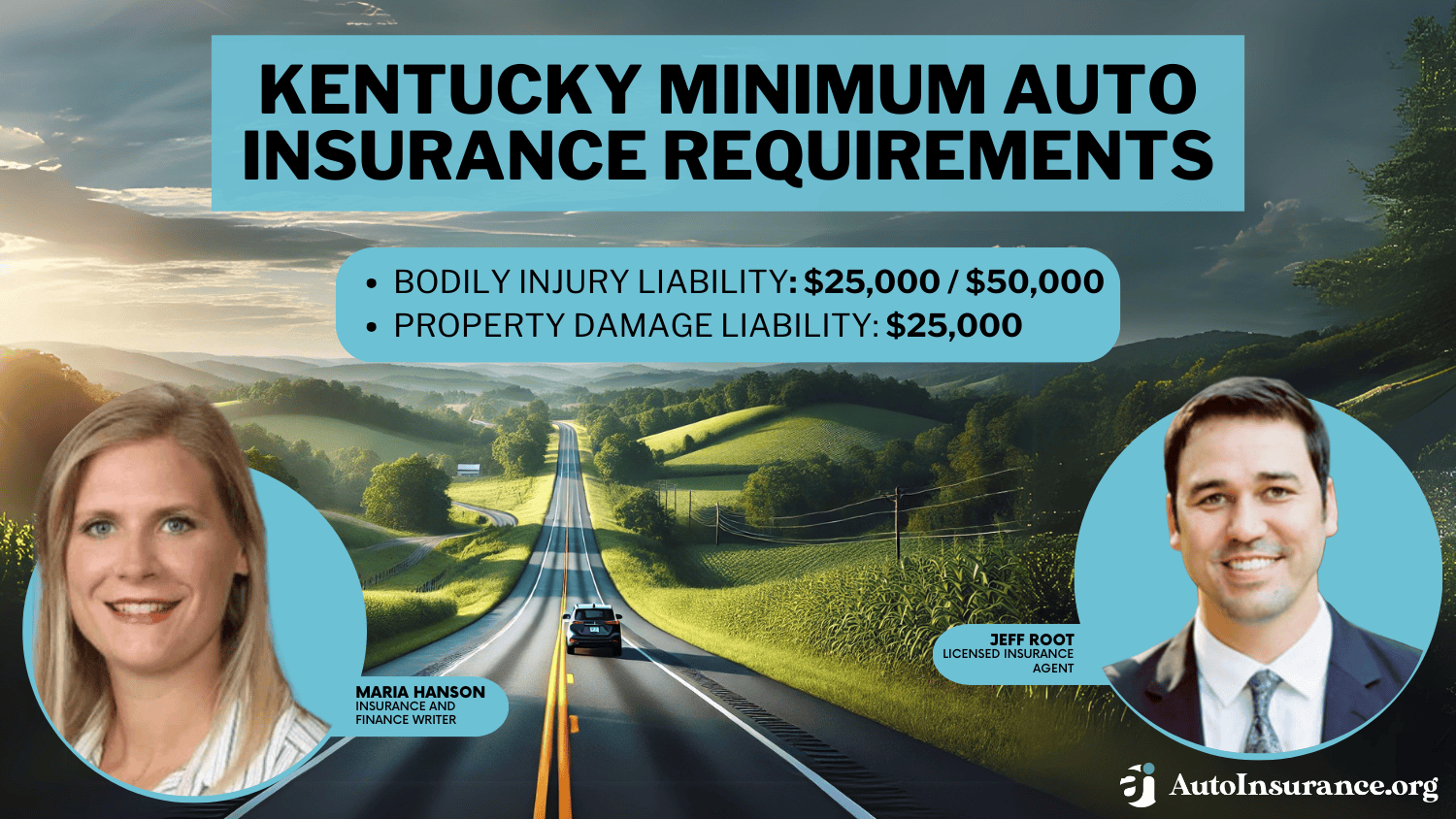
At a minimum, Kentucky law mandates the following split-limit liability coverages:
- $25,000 for bodily injury per person
- $50,000 for total bodily injury per accident
- $25,000 for property damage per accident
Alternatively, policyholders may fulfill this mandate with a single policy limit of $60,000 covering both bodily injury and property damage.
While these legal minimums satisfy state registration rules, operating commercial vehicles with minimum limits exposes a business to severe financial liabilities. A collision on high-volume transit routes like Interstate 64 or the Mountain Parkway involving multiple vehicles or major property damage can quickly breach $60,000 in costs. Most commercial lenders, general contractors, and corporate clients require business vehicles to carry at least $500,000 to $1,000,000 in Combined Single Limit (CSL) coverage before signing contracts or entering job sites.
Kentucky Choice No-Fault System (PIP)
Kentucky operates under a "choice no-fault" system. Standard commercial auto policies automatically include $10,000 in Personal Injury Protection (PIP) per person unless a formal rejection form is submitted to the Department of Insurance. PIP covers medical expenses, lost wages, and essential replacement services for drivers and passengers injured in a crash, regardless of fault.
For business fleet owners, navigating PIP options depends heavily on how the vehicles are titled (under a corporate entity versus an individual sole proprietor) and whether employees drive company vehicles for non-work tasks.
Intrastate and Interstate Filings
If your Winchester business hauls heavy materials, operates passenger transport, or carries regulated cargo, state and federal filing obligations may apply:
- Intrastate Filings (KYTC): For-hire motor carriers operating exclusively within Kentucky must obtain a KYTC number and file proof of financial responsibility (such as Form E) showing required liability thresholds, which often start at $750,000 for freight.
- Interstate Filings (USDOT / FMCSA): Businesses that cross state lines—such as hauling goods into Ohio, Indiana, or Tennessee—must comply with Federal Motor Carrier Safety Administration (FMCSA) requirements, maintaining between $750,000 and $5,000,000 in liability insurance depending on the commodities hauled and gross vehicle weight ratings (GVWR).
Essential Commercial Auto Coverages for Winchester Businesses
Commercial auto insurance is not a one-size-fits-all product. Because standard personal auto insurance policies explicitly exclude vehicles used primarily for commercial purposes, business owners need tailored coverage components to safeguard their capital assets, drivers, and inventory.
- Commercial Auto Policy Architecture
- Mandatory Core Coverages
- Auto Liability (BI/PD)
- Physical Damage (Comp/Coll)
- Uninsured Motorist (UM/UIM)
- Personal Injury Protection
- Selective Add-Ons & Endorsements
- Hired/Non-Owned (HNOA)
- Medical Payments (MedPay)
- Cargo / Inland Marine
- Rental Reimbursement
- Mandatory Core Coverages
Commercial Auto Liability
Commercial liability protection is divided into two primary areas:
- Bodily Injury Liability: Pays for medical bills, rehabilitation, lost income, and legal defense costs if your employee causes an accident that injures another driver, passenger, or pedestrian.
- Property Damage Liability: Covers repair or replacement costs for third-party vehicles, structures, utility poles, guardrails, or landscaping damaged by your business vehicle.
Physical Damage Coverages
Physical damage protection covers your business's financial investment in its own vehicle fleet:
- Collision Coverage: Pays for damage to your company vehicle resulting from a collision with another car, object, or rollover event, regardless of fault.
- Comprehensive Coverage: Protects against non-collision losses, including theft, vandalism, hail damage, fallen tree limbs, glass breakage, and collisions with animals (a common hazard on rural Clark County secondary roads).
Uninsured and Underinsured Motorist (UM/UIM)
Despite state mandates, a notable percentage of drivers on Kentucky roadways operate without adequate insurance. Uninsured Motorist (UM) and Underinsured Motorist (UIM) coverages protect your business if a company vehicle is struck by a driver who carries no insurance, lacks sufficient coverage to pay for total damages, or flees the scene of the accident.
Hired and Non-Owned Auto Liability (HNOA)
HNOA coverage is a vital, low-cost add-on for businesses whose employees use their personal vehicles for company errands, such as traveling to the local post office, making sales calls around Lexington, or picking up building supplies in Winchester. Standard personal policies rarely cover losses incurred during business tasks. HNOA liability protects the business entity if an employee causes an accident while driving a personal, hired, or rented vehicle on behalf of the company.
Specialty Fleet Endorsements
Depending on your industry in Central Kentucky, you may need targeted endorsements:
- Inland Marine / Tool & Equipment Riders: Covers tools, hardware, and specialized equipment mounted on or transported in work trucks, which standard auto policies exclude.
- Motor Truck Cargo Insurance: Protects goods and inventory being transported for hire against loss, theft, or damage in transit.
- On-Hook Towing & Garagekeepers Liability: Critical for local Winchester auto repair shops, towing operators, and recovery services.
Key Factors Influencing Rates in Clark County
Insurance underwriters determine commercial auto rates in Winchester based on specific risk metrics. Understanding these variables allows business owners to manage controllable factors and secure competitive premiums.
| Factor Category | Specific Operational Variable |
|---|---|
| Geographic Location | Urban density, traffic patterns (I-64 corridor) |
| Vehicle Profile | GVWR, safety features, specialized equipment |
| Driver Demographics | Motor Vehicle Record (MVR) history, driver age |
| Operational Radius | Local (<50 miles) vs. Regional/Long-haul |
| Industry Classification | Low-risk service trades vs. Heavy hauling |
Location Risk Profiles and Local Transit Corridors
Winchester serves as a key logistical intersection in Central Kentucky, connecting Interstate 64, the Mountain Parkway, US-60, and KY-15. Underwriters analyze zip-code-level claims data, including local traffic volume, accident frequency at high-density intersections, and local weather risks (such as winter ice storms). Operating primarily within Winchester’s town center generally carries a lower risk profile than daily commuting along the heavily traveled I-64 corridor into Fayette County.
Vehicle Gross Weight Rating (GVWR) and Use Case
Underwriters categorize commercial vehicles by size and weight:
- Light-Duty Vehicles: Cars, minivans, and standard pickup trucks used for sales, real estate, or light service calls.
- Medium-Duty Vehicles: Step vans, box trucks, and heavy-duty chassis cabs used by plumbers, electricians, and local delivery companies.
- Heavy-Duty Vehicles: Dump trucks, semi-tractors, and specialized construction rigs.
As vehicle mass increases, potential third-party damage rises sharply, leading to higher liability premiums.
Driver Motor Vehicle Records (MVRs)
Your drivers' safety histories heavily influence your rates. Insurers review 3-to-5-year MVRs for all listed employees. Drivers with histories of speeding tickets, at-fault accidents, or serious violations like reckless driving or DUI raise the fleet's risk rating, leading to higher premiums or coverage exclusions for those individuals.
Radius of Operation
The distance your vehicles travel from your primary Winchester location directly impacts rates:
- Local Radius: Within a 50-mile radius (e.g., Winchester, Lexington, Mount Sterling, Richmond). Offers the lowest base rates.
- Intermediate Radius: Between 50 and 200 miles (reaching Louisville, Northern Kentucky, or Eastern KY coalfield regions). Moderate rate adjustments.
- Long-Haul Radius: Exceeding 200 miles. Requires higher premiums due to driver fatigue risks, unfamiliar road conditions, and interstate regulatory oversight.
Actionable Strategies to Reduce Commercial Auto Rates in Winchester
Lowering commercial auto premiums does not mean sacrificing vital financial protections. Applying structured risk management principles can earn your business meaningful rate discounts.
1. Bundle Lines of Coverage
Insurers offer discounts when you combine multiple commercial policies under one carrier. Pairing your commercial auto insurance with a Business Owner's Policy (BOP), Commercial General Liability (CGL), or Workers' Compensation policy can reduce overall insurance costs by 10% to 20%.
2. Implement Fleet Telematics and GPS Monitoring
Installing telematics devices or using mobile fleet tracking apps allows real-time tracking of driver behavior, including hard braking, rapid acceleration, speeding, and cornering. Many commercial carriers offer immediate 5% to 15% premium discounts for deploying approved telematics systems, with potential renewal discounts for fleets that maintain high safety scores.
3. Establish Formal Driver Qualification Standards
Implement strict written hiring guidelines for anyone operating company vehicles. Require all prospective drivers to clear pre-employment MVR checks.
- Pre-Employment MVR Verification
- Formal Written Driving Policy
- Mandatory Distracted Driving Rules
- Annual Defensive Driving Retraining
Eliminating drivers with multiple moving violations before adding them to your commercial policy prevents unexpected premium spikes.
4. Optimize Physical Damage Deductibles
Raising comprehensive and collision deductibles from $500 to $1,000 or $2,500 can significantly lower physical damage premiums. However, ensure your business maintains a dedicated cash reserve to cover out-of-pocket costs if a vehicle is damaged.
5. Transition to Combined Single Limit (CSL) Policies
While split-limit policies separate coverage into per-person bodily injury, total bodily injury, and property damage caps, a Combined Single Limit (CSL) provides one flat cap (e.g., $1,000,000) for all covered losses per accident. CSL policies eliminate gaps where property damage exceeds a split limit cap while total bodily injury remains under-utilized, providing better protection for commercial claims.
Commercial Auto Coverage Comparison by Business Tier
The table below outlines common commercial auto coverage setups, recommended limits, essential add-ons, and estimated pricing ranges for small to medium businesses in the Winchester area.
| Business Type / Fleet Profile | Recommended Minimum Liability Limit | Core Coverage Add-Ons | Key Underwriting Considerations | Estimated Monthly Cost per Vehicle |
|---|---|---|---|---|
| Sole Proprietor / Sales(1-2 Sedans/SUVs, local travel) | $300,000–$500,000 CSL | Hired & Non-Owned Auto (HNOA), Comprehensive, Collision | Low risk; personal vehicle usage overlap requires clear business policy endorsement. | $110 – $180 |
| Trade Contractor(2-5 Pickups/Service Vans, local tools) | $1,000,000 CSL | Inland Marine (Tool Rider), Rental Reimbursement, UM/UIM | Vehicle weight ratings; mobile equipment bolted to truck beds; employee MVRs. | $160 – $280 |
| Local Delivery & Express Courier(1-4 Box Trucks/Cargo Vans) | $1,000,000 CSL | Motor Truck Cargo, Telematics Discount, PIP Options | High urban mileage, tight schedules, frequent stops near retail or residential areas. | $240 – $420 |
| Heavy Construction / Agricultural(Dump trucks, heavy haulers) | $1,000,000–$2,000,000 CSL plus Umbrella | Fleet Liability, On-Hook, Specialized Equipment Riders | High gross vehicle weight ratings (GVWR), spill damage risk, KYTC intrastate filings. | $350 – $650+ |
Note: Price ranges represent estimated commercial benchmarks for Clark County, KY. Actual quotes vary based on claims history, driver age, exact radius, vehicle specifications, and selected coverage options.
Common Mistakes Winchester Business Owners Make
Avoiding common coverage mistakes protects your business from costly, uncovered claims:
Relying on Personal Auto Insurance Policies
One of the most frequent mistakes made by small business owners, sole proprietors, and independent contractors in Winchester is assuming a personal auto insurance policy will cover accidents that occur while running business tasks. Personal auto policies contain explicit business-use exclusions. If an employee involved in a delivery or service trip causes an accident, the insurer can deny the claim, leaving the business owner personally liable for third-party medical costs and vehicle repairs.
Overlooking Hired and Non-Owned Auto Exposure
If an employee drives their own vehicle to cash a check, pick up office supplies, or travel to a client job site in Clark County and causes a serious accident, your business can be named in a liability lawsuit. Without Hired and Non-Owned Auto (HNOA) insurance added to your commercial policy, your business lacks legal defense coverage and financial protection against third-party injuries.
Failing to Insure Custom Modifications and Tools
Standard commercial auto comprehensive and collision coverages pay for the base vehicle frame, engine, and manufacturer options. They do not automatically cover expensive aftermarket equipment, such as custom utility racks, toolboxes, lift gates, wraps, or mounted machinery. These items must be declared and covered using an equipment endorsement or an inland marine rider.
Infrequent Policy Reviews and Schedule Maintenance
Failing to update your vehicle and driver schedules promptly can lead to audit penalties or denied claims. When you sell a business van, acquire a new truck, or hire or fire a driver, inform your insurance broker right away. Keeping inactive drivers on your policy raises your rate, while using unlisted drivers can jeopardize coverage during a claim investigation.
Frequently Asked Questions
Does personal auto insurance cover business driving in Winchester, KY?
No. Standard personal auto insurance policies include a business-use exclusion. While commuting to a regular workplace is generally covered under a personal policy, using a vehicle to deliver goods, carry business tools, transport paying passengers, or run daily company errands requires a commercial auto insurance policy to avoid denied claims.
What is the legal minimum business auto liability limit in Kentucky?
Kentucky law (KRS 304.39-110) mandates minimum liability limits of $25,000 per person for bodily injury, $50,000 per accident total for bodily injury, and $25,000 for property damage (or a single limit of $60,000). However, most commercial lenders, contracts, and insurance professionals recommend carrying a minimum of $500,000 to $1,000,000 in Combined Single Limit (CSL) coverage to protect business assets.
How does Hired and Non-Owned Auto (HNOA) coverage protect my business?
HNOA insurance covers liability claims resulting from accidents caused by employees driving vehicles they do not own on company business. This includes employee-owned personal cars, rented vehicles, or borrowed trucks. It pays for third-party bodily injury and property damage claims, as well as legal defense costs brought against your business entity.
Can installing telematics systems lower commercial auto rates in Clark County?
Yes. Many commercial auto insurers offer immediate discounts ranging from 5% to 15% for installing approved telematics systems. These devices monitor speed, braking patterns, cornering, and daily mileage. Maintaining safe driving habits across your fleet can yield further renewal discounts.
What documents are required to get an accurate commercial auto quote?
To receive an accurate business auto quote in Winchester, you will need to provide:
- Complete business details (legal entity name, Tax ID/EIN, address, years in business)
- Vehicle Identification Numbers (VINs), years, makes, models, and Gross Vehicle Weight Ratings (GVWR) for all vehicles
- Valid driver’s license numbers and full names for all employees who will operate company vehicles
- 3 to 5 years of verified Commercial Auto Loss Runs (claims history records from your prior insurance carriers)
- Operational details (primary radius of travel, cargo types, and contract requirements)
Next Steps for Securing Business Auto Insurance in Winchester
To secure competitive rates while maintaining solid coverage for your business fleet in Winchester, follow these steps:
- Gather Fleet and Operations Data: Compile your current policy declarations page, vehicle VINs, weight ratings, estimated annual mileage, and employee driver's license numbers.
- Request Official Loss Runs: Contact your current insurance carrier to request official 3-to-5-year claims reports (loss runs). Clean loss histories give you leverage for better rates during underwriting.
- Conduct a Risk Assessment: Evaluate your daily travel routes along the I-64 corridor, secondary Clark County roads, and job sites. Identify high-risk factors such as heavy cargo, employee vehicle use, or high-value mounted equipment.
- Compare Independent Quotes: Work with an independent commercial insurance agent who has access to multiple regional and national carriers licensed by the Kentucky Department of Insurance. Independent brokers can shop your profile across top insurers to secure competitive rates, specialized endorsements, and available telematics discounts.